
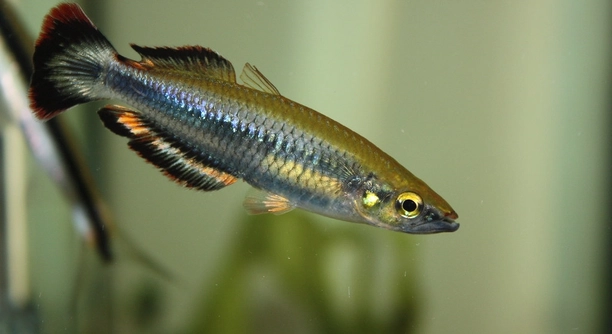
Do you enjoy watching your rainbowfish glide gracefully through the water but notice it acting oddly at times? Observing unusual swimming patterns can be concerning, especially when your fish seems to float in a strange or tilted way.
Abnormal floating in rainbowfish is often caused by swim bladder disorders, poor water quality, or internal infections. Identifying the underlying cause requires assessing diet, tank conditions, and observing for additional behavioral or physical symptoms. Early intervention improves recovery chances.
Understanding why your rainbowfish behaves this way helps you take timely action. We will explore the main causes and practical solutions for their well-being.
Common Reasons Rainbowfish Float Weirdly
Rainbowfish can float oddly for several reasons. One of the main issues is swim bladder disorder, which affects their ability to control buoyancy. Overfeeding or sudden changes in diet can contribute to this problem. Water quality is another important factor. Poor water conditions, such as high ammonia, nitrite, or nitrate levels, can stress the fish and impact its swimming. Temperature fluctuations also affect metabolism and digestion, leading to floating issues. Infections, both bacterial and parasitic, may cause swelling or blockages that interfere with buoyancy. Observing the fish’s behavior closely can provide important clues. Look for signs such as tilting, struggling to stay upright, or floating at the surface. Adjusting diet, maintaining clean water, and isolating sick fish are essential steps. Addressing these factors early reduces the risk of long-term health problems and improves overall tank harmony, ensuring your rainbowfish can swim comfortably and normally.
Monitoring tank conditions and feeding habits is key to preventing floating problems in rainbowfish. Small adjustments often improve buoyancy quickly.
Proper care includes regular water testing and balanced feeding. Avoid overfeeding and provide high-quality food. Keep water temperature stable, perform regular water changes, and watch for early signs of illness. Isolation of affected fish may prevent the spread of disease. Combining these practices supports healthy swimming and overall vitality, ensuring rainbowfish remain active and stress-free in their environment.
Dietary Factors Affecting Buoyancy
Overfeeding is a common reason for floating problems in rainbowfish. Feeding too much or giving unsuitable food can disrupt digestion and affect the swim bladder. Some foods may expand in the stomach, causing bloating and irregular swimming. Feeding smaller portions multiple times a day is better than a large single meal. High-protein or dry foods can exacerbate buoyancy issues if not soaked or prepared properly. Observing how fish respond to different diets helps identify problematic foods. Vegetables, frozen, or live foods can improve digestion. Ensuring variety in the diet reduces the risk of nutrient imbalances, which can contribute to abnormal floating. Proper feeding routines and attention to fish behavior prevent recurring buoyancy issues and support overall health, making the tank a stable and stress-free environment for all inhabitants.
Maintaining a balanced diet is essential for rainbowfish health. Avoid overfeeding and include a variety of foods for proper digestion.
A consistent feeding schedule can significantly improve buoyancy. Provide small portions two to three times daily, and include high-quality flake, pellet, frozen, or live foods. Introducing vegetables occasionally helps digestion and prevents constipation. Monitor each fish’s response to the diet. Remove uneaten food promptly to avoid water contamination. Rotating food types ensures balanced nutrition. Diet management, combined with clean water and stable temperature, reduces swim bladder issues. Regular observation allows early intervention if floating problems appear. This approach promotes healthy swimming and supports the fish’s immune system. Healthy nutrition contributes to overall tank stability, preventing stress-related behaviors and ensuring rainbowfish thrive in a well-maintained aquatic environment.
Water Quality and Temperature
Poor water quality directly affects rainbowfish buoyancy. High levels of ammonia, nitrite, or nitrate can stress fish, causing them to float oddly. Frequent water changes and proper filtration are essential. Temperature fluctuations also impact metabolism, digestion, and swim bladder function. Maintaining stable water conditions prevents many floating issues.
Regular testing of tank water helps identify dangerous chemical levels. Use a reliable test kit to monitor ammonia, nitrites, nitrates, and pH. Sudden changes in water temperature can upset rainbowfish, making them swim irregularly. Ideal temperatures should remain consistent, avoiding extremes. A stable environment reduces stress, encourages normal feeding behavior, and helps prevent swim bladder problems. Tank maintenance, including partial water changes and cleaning filters, is crucial to ensure healthy swimming and buoyancy.
Water quality and temperature management work together to support rainbowfish health. Clean water reduces stress and keeps their swim bladder functioning properly. Filtration, regular water changes, and temperature control are practical steps for maintaining a balanced habitat. Observing fish behavior regularly can indicate water-related issues early. Keeping these factors consistent ensures rainbowfish remain active, swim evenly, and avoid floating difficulties caused by stress or environmental imbalances. Proper attention to these aspects prevents many common health problems in the aquarium.
Signs of Illness Affecting Buoyancy
Floating problems can indicate underlying illness in rainbowfish. Symptoms include lethargy, clamped fins, bloating, or abnormal swimming patterns. Bacterial, parasitic, or fungal infections often affect buoyancy, requiring prompt attention. Isolation and treatment are important to prevent spreading disease.
Identifying illness early improves recovery chances. Bacterial infections may present as swelling or red streaks, while parasites cause erratic movement or weight loss. Fungal infections often appear as white or cottony patches. Observing your fish’s behavior and physical condition helps detect these issues before they worsen. Quarantining affected fish allows targeted treatment with appropriate medications, reducing risk to other tank inhabitants. Maintaining good water quality and diet supports recovery, while minimizing stress and promoting normal swimming patterns. Regular observation is key to detecting illness before severe complications arise.
Monitoring rainbowfish for subtle signs of sickness ensures timely intervention. Consistent care, clean water, and balanced feeding prevent many buoyancy-related health problems. Early detection and treatment help restore normal swimming and improve overall vitality. Quarantine measures prevent disease spread, and careful observation supports ongoing tank health. A proactive approach minimizes risks and keeps rainbowfish active and comfortable. Combining environmental management with attentive care creates a stable habitat where fish can thrive without recurring swimming or floating problems.
Tank Size and Environment
Overcrowded tanks can stress rainbowfish, causing unusual floating. Limited swimming space restricts movement, affecting buoyancy. Proper tank size and thoughtful decoration placement allow natural swimming patterns and reduce stress-related issues.
Adding hiding spots and open swimming areas balances activity and security. Plants, rocks, and smooth surfaces create a comfortable environment. Avoid sharp decorations that may injure fish. Regular cleaning of substrate and décor prevents debris buildup, supporting healthy water conditions. A well-structured environment encourages natural swimming, helping rainbowfish maintain proper buoyancy and overall well-being.
Stress and Handling
Frequent handling or sudden changes in the tank can stress rainbowfish. Stress impacts digestion and swim bladder function, often causing floating problems. Limiting handling and maintaining a stable environment helps reduce stress-related buoyancy issues.
Observation and Daily Care
Watching your rainbowfish daily allows early detection of floating issues. Noting eating habits, swimming patterns, and physical condition helps identify problems promptly. Consistent observation supports timely interventions and prevents minor issues from becoming serious health concerns.
Isolation Techniques
Separating affected rainbowfish can prevent disease spread and reduce stress. Using a quarantine tank for sick fish ensures targeted care and improves recovery chances.
Why is my rainbowfish floating sideways?
Floating sideways usually indicates a swim bladder problem. The swim bladder controls buoyancy, and when it is affected, fish cannot maintain normal swimming positions. Overfeeding, constipation, or bacterial infections are common causes. Ensuring a balanced diet and monitoring water quality helps reduce the risk of sideways floating. Observing behavior early allows intervention before the condition worsens.
Can water quality really affect my rainbowfish’s swimming?
Yes, water quality has a direct impact on buoyancy and swimming patterns. High levels of ammonia, nitrites, or nitrates create stress, weakening internal organs including the swim bladder. Stable temperature and clean water prevent digestion problems and metabolic stress. Regular testing and partial water changes are key to healthy swimming. Poor conditions may also increase susceptibility to infections.
How does diet influence floating problems?
Diet plays a major role in rainbowfish buoyancy. Overfeeding or feeding dry, low-quality food can cause constipation, bloating, and swim bladder disorders. Feeding smaller portions and including vegetables or frozen foods helps digestion. Rotating food types ensures proper nutrition and prevents recurring floating issues. Prompt removal of uneaten food also reduces water contamination and associated stress.
Is my tank too small for rainbowfish?
Tank size affects swimming ability and stress levels. Overcrowding restricts movement and increases competition for food. Small tanks limit natural swimming patterns, causing irregular floating or tilting. Providing sufficient space, about 20 gallons for a small group, and arranging open swimming areas with hiding spots supports proper buoyancy and reduces stress.
Can stress alone cause abnormal floating?
Yes, stress significantly affects swim bladder function. Frequent handling, sudden environmental changes, aggressive tank mates, or loud disturbances can lead to erratic swimming and floating issues. Minimizing stress by maintaining stable conditions, calm handling, and consistent feeding routines encourages normal buoyancy and overall health.
How do infections affect my rainbowfish’s buoyancy?
Bacterial, parasitic, or fungal infections can cause swelling, blockages, or internal damage affecting the swim bladder. Symptoms include lethargy, clamped fins, bloating, or abnormal swimming. Prompt isolation and targeted treatment with appropriate medications prevent the spread of disease and improve recovery chances. Maintaining clean water and a stable environment supports healing.
When should I isolate my rainbowfish?
Isolation is necessary when floating is accompanied by visible illness, sudden lethargy, or signs of infection. A quarantine tank reduces stress and prevents disease transmission. Providing clean water, proper diet, and medication in isolation allows focused care and improves chances of recovery, while keeping the main tank safe for other fish.
Can temperature changes impact floating?
Yes, sudden fluctuations in water temperature affect metabolism and digestion, leading to buoyancy issues. Rainbowfish prefer stable, moderate temperatures. Gradual adjustments when necessary, combined with a heater or chiller if needed, prevent stress and ensure normal swimming patterns. Consistent temperature also supports digestion, reducing swim bladder problems.
Will my rainbowfish recover from floating problems?
Recovery depends on the cause and how quickly it is addressed. Diet adjustment, water quality improvement, stress reduction, and treatment of infections improve chances of regaining normal buoyancy. Early detection and intervention are critical. Observing swimming patterns and physical health daily helps monitor progress and prevent recurrence.
Are there preventive measures to avoid floating issues?
Maintaining a clean tank, balanced diet, stable temperature, and minimal stress are the best preventive measures. Regular observation of swimming behavior allows early detection of potential issues. Proper tank size, well-arranged decorations, and careful introduction of new fish reduce risks. Combining these practices helps rainbowfish swim normally and remain healthy.
This FAQ covers the main concerns about rainbowfish floating issues. Following these guidelines helps maintain buoyancy, reduces stress, and ensures long-term health for your fish.
Taking care of rainbowfish requires attention to several key aspects of their environment and health. Floating problems are often linked to swim bladder issues, which can be triggered by diet, water quality, or illness. Observing your fish’s behavior daily allows you to detect minor changes early, which can prevent more serious problems. Simple steps like feeding smaller portions, maintaining stable water conditions, and keeping the tank clean make a significant difference in buoyancy and overall well-being. Being consistent in care routines helps the fish adjust to their environment and reduces stress, which is often an overlooked factor affecting swimming patterns. Proper tank setup with enough space and thoughtfully placed decorations also supports natural movement, allowing rainbowfish to swim freely without strain.
Addressing diet and nutrition is a major part of preventing floating issues. Overfeeding or offering unsuitable food can lead to constipation, bloating, and swim bladder disorders. Providing a variety of foods, including high-quality flakes, pellets, frozen, or live options, improves digestion and supports overall health. Occasionally including vegetables or plant-based foods helps prevent blockages and promotes a balanced diet. Removing uneaten food promptly prevents water contamination, which could otherwise increase stress and lead to abnormal swimming. Keeping a regular feeding schedule and observing how your fish respond ensures that nutrition remains effective. Nutrition, combined with clean water and a stress-free environment, reduces the likelihood of recurring buoyancy problems and helps rainbowfish maintain healthy, consistent swimming patterns.
Health monitoring and early intervention are essential for long-term care. Stress, illness, or infections can affect swim bladder function and overall activity. Quarantining sick fish allows for proper treatment without risking the health of other tank inhabitants. Paying attention to subtle signs like lethargy, clamped fins, bloating, or unusual swimming patterns can make a big difference in recovery. Maintaining consistent water parameters, reducing stress, and providing proper nutrition are effective strategies to support recovery and prevent future issues. With careful observation, proper tank management, and consistent care, rainbowfish can regain normal buoyancy and remain active and healthy. Following these practices ensures a stable environment where the fish can thrive, swim naturally, and enjoy a good quality of life in the aquarium.

Hello,
If you enjoy the content that we create, please consider saying a "Thank You!" by leaving a tip.
Every little bit helps us continue crafting quality advice that supports the health, happiness, and well-being of pets around the world, for pets of all shapes, sizes, and species.
We really appreciate the kindness and support that you show us!