
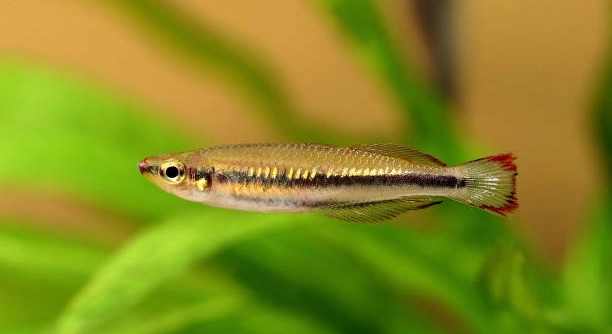
Have you ever noticed a fish moving in the opposite direction of the rest of its tank or stream? This unusual behavior can be surprising and sometimes concerning to observe in aquatic environments.
Fish swimming backwards is often a sign of stress, illness, or environmental imbalance. It can indicate issues with water quality, internal parasites, or neurological problems, and observing this behavior early allows for timely intervention and care.
Understanding why fish behave this way helps ensure their well-being and keeps their habitat healthy, making it essential for any responsible fish owner to learn more.
Why Fish Swim Backwards
Fish swimming backwards can happen for several reasons, and it usually points to something unusual in their environment or health. Sometimes, fish exhibit this behavior when their gills or fins are damaged, making forward swimming difficult or painful. Other times, the water quality may be poor, with high levels of ammonia or nitrites, which can irritate the fish and affect their swimming patterns. Certain parasites and infections can also interfere with their balance and motor functions, causing them to move in reverse. Even older or stressed fish may show this behavior if they feel unsafe or overwhelmed in their tank. Observing tank conditions, diet, and other fish interactions can provide clues. Sometimes it is a temporary reaction, but persistent backward swimming often signals that intervention is needed. Correcting water quality, providing proper nutrition, and treating illnesses promptly can help fish regain normal movement.
This behavior is usually a sign that something in the fish’s environment or health needs attention.
Monitoring tank conditions and observing the fish closely can help prevent further issues. Consistent care ensures a healthier, calmer environment for them.
How to Respond
When you notice a fish swimming backwards, immediate action can improve their chances of recovery.
Start by testing the water for ammonia, nitrite, and pH levels, and perform a partial water change if any readings are high. Check for visible signs of illness like bloating, clamped fins, or unusual spots. Isolate the affected fish if you suspect infection or parasites to prevent spreading. Adjust feeding habits, avoiding overfeeding and ensuring a balanced diet. Providing hiding spots can reduce stress, allowing the fish to recover. In some cases, consulting a veterinarian experienced with aquatic animals may be necessary to address neurological issues or persistent infections. Observation is crucial, as early detection of changes in behavior or appearance improves the effectiveness of interventions. Maintaining consistent water quality and reducing sudden environmental changes helps prevent recurrence of backward swimming and promotes overall health and comfort in the tank.
Environmental Factors
Water temperature, oxygen levels, and tank cleanliness all affect fish behavior. Sudden changes can stress fish, sometimes causing them to swim backwards. Maintaining stable conditions helps prevent this unusual movement.
Poor water quality, overcrowding, and inconsistent feeding schedules can disrupt a fish’s natural behavior. Fish rely on stable environmental cues, and disturbances can lead to stress or confusion. Even minor fluctuations in temperature or pH can have a noticeable impact. Tank decorations and placement also influence swimming patterns, as fish may reverse to navigate obstacles or find safer areas. Regular maintenance and careful observation reduce these risks and support normal behavior.
Light and current can also influence swimming direction. Fish may move backwards to avoid strong currents or bright light, especially in shallow tanks. Adjusting flow and lighting carefully can minimize stress and encourage forward movement, ensuring healthier fish overall.
Health Indicators
Unusual swimming often signals underlying health issues in fish, from infections to parasites. Early detection is key for effective treatment.
Physical problems like fin damage, internal parasites, or swim bladder disorders can cause backward swimming. Swim bladder issues, in particular, affect buoyancy and orientation, forcing the fish to reverse to balance. External parasites irritate the skin and gills, making forward swimming uncomfortable. Nutritional deficiencies may weaken muscles or nervous system function, contributing to abnormal movement. Observing eating habits and interactions with other fish can provide additional clues about overall health. Prompt identification of these issues allows timely treatment and reduces long-term risks, improving recovery chances.
Behavioral changes often accompany physical issues. Lethargy, loss of appetite, or erratic movement alongside backward swimming can indicate serious conditions. Addressing these promptly through proper care, diet adjustments, and medical treatment ensures the fish regains normal function and maintains overall health.
Tank Setup Considerations
Tank size and layout directly affect how fish swim. Crowded or poorly arranged tanks can make forward swimming difficult, leading to backward movement.
Uneven substrate, sharp decorations, or strong currents may force fish to adjust their swimming direction. Providing open spaces and smooth surfaces helps them navigate comfortably and reduces stress.
Nutrition and Diet
A balanced diet is crucial for healthy swimming. Fish that lack proper nutrients may struggle with strength, balance, and coordination. Protein, vitamins, and minerals support muscle function and buoyancy. Feeding small portions consistently helps prevent overfeeding and digestive problems, both of which can affect swimming behavior.
Stress Factors
Noise, sudden movements, and frequent handling can stress fish. Minimizing disturbances encourages calm behavior and reduces the chance of backward swimming.
FAQ
Why is my fish suddenly swimming backwards?
Sudden backward swimming usually signals stress, illness, or an environmental change. It can occur from poor water quality, sudden temperature shifts, overcrowding, or a new tank setup. Health issues like swim bladder problems, parasites, or infections may also make swimming forward uncomfortable or difficult.
Can swim bladder issues cause backward swimming?
Yes, swim bladder disorders directly affect a fish’s buoyancy and orientation. If the bladder is inflamed, infected, or damaged, the fish may struggle to maintain balance. Backward swimming can be a coping mechanism to stabilize itself while trying to navigate the tank.
Does water quality affect swimming direction?
Absolutely. High ammonia, nitrite, or nitrate levels irritate fish gills and stress them. Low oxygen levels or sudden pH changes can make swimming forward uncomfortable, leading the fish to reverse. Regular water testing and partial water changes help prevent these problems.
Could diet impact backward swimming?
Yes, nutrition plays a significant role. Overfeeding or poor-quality food can cause digestive issues, bloating, or weakness, affecting the fish’s ability to swim properly. Feeding smaller portions of balanced food ensures proper digestion and supports healthy movement.
Are certain fish more likely to swim backwards?
Some species may show this behavior more than others, particularly those sensitive to water changes or highly territorial fish. Older fish or those with weaker immune systems are also more prone to backward swimming when stressed or ill.
Can tank setup cause backward swimming?
Tank layout, current, and decorations can influence swimming patterns. Sharp objects, tight spaces, or strong currents may force fish to swim backward to avoid obstacles or maintain balance. Open spaces and gentle currents help encourage natural forward swimming.
Should I isolate a fish that swims backward?
If the behavior appears linked to illness or parasites, isolating the fish can prevent spreading issues to others. Use a quarantine tank and monitor symptoms closely, providing treatment as needed. However, if the cause is environmental, adjusting tank conditions is often sufficient.
When should I consult a vet?
If backward swimming persists despite proper water conditions, nutrition, and low stress, professional advice is recommended. A veterinarian experienced with fish can diagnose underlying issues like internal parasites, infections, or neurological problems and provide appropriate treatment.
Can stress alone cause backward swimming?
Yes, stress from sudden noise, handling, or frequent tank disturbances can lead to unusual swimming behaviors. Reducing stressors by maintaining a calm environment, providing hiding spots, and avoiding sudden changes helps fish regain normal movement.
How can I prevent backward swimming in the future?
Maintaining stable water conditions, providing proper nutrition, and avoiding overcrowding are key preventive measures. Regular monitoring of water parameters, observing behavior, and keeping the tank environment calm and safe reduces the likelihood of fish developing backward swimming habits.
Does age affect this behavior?
Older fish may experience weaker muscles or reduced coordination, making backward swimming more common. Age-related health problems, such as swim bladder or neurological issues, can also contribute. Careful observation and adjustments to diet, environment, and stress levels support their mobility.
Are there long-term effects of backward swimming?
If the underlying cause is not addressed, backward swimming can worsen health, cause stress, and reduce overall activity. Early intervention with proper water maintenance, nutrition, and medical care helps prevent long-term complications and supports fish well-being.
Final Thoughts
Observing a fish swimming backwards can feel concerning, but it is often a clear signal that something in its environment or health needs attention. This behavior is not normal and usually reflects stress, illness, or a problem with the tank conditions. By paying attention to the water quality, diet, and general care, you can often identify the cause before it worsens. Small changes, such as adjusting temperature, cleaning the tank, or providing hiding spots, can make a noticeable difference in a fish’s behavior. Consistent observation is important, as fish cannot communicate discomfort in ways humans easily understand, so their movements are one of the clearest indicators of well-being.
Health is a key factor in backward swimming. Issues like swim bladder disorders, internal parasites, or physical injuries can make forward movement difficult, so the fish reverses to maintain balance. These problems can be addressed with careful monitoring, proper nutrition, and, in some cases, professional veterinary care. Detecting early signs, such as changes in appetite, lethargy, or unusual swimming patterns, allows for timely intervention and increases the likelihood of recovery. Isolation in a quarantine tank can also prevent the spread of illness if one fish is affected, keeping the rest of the aquarium healthy. Maintaining a clean tank, feeding a balanced diet, and minimizing sudden stressors can prevent many of the problems that lead to backward swimming in the first place.
Ultimately, backward swimming is a behavior that deserves attention rather than dismissal. It serves as an important indicator that environmental conditions or health issues need addressing. Regular maintenance, proper feeding practices, and a calm, safe environment help fish maintain normal swimming behavior and overall health. By staying observant and responsive, you can ensure that your fish live comfortably and reduce the chances of recurring problems. A little effort in monitoring and care goes a long way toward keeping fish active, healthy, and moving forward naturally, rather than in reverse.

Hello,
If you enjoy the content that we create, please consider saying a "Thank You!" by leaving a tip.
Every little bit helps us continue crafting quality advice that supports the health, happiness, and well-being of pets around the world, for pets of all shapes, sizes, and species.
We really appreciate the kindness and support that you show us!