
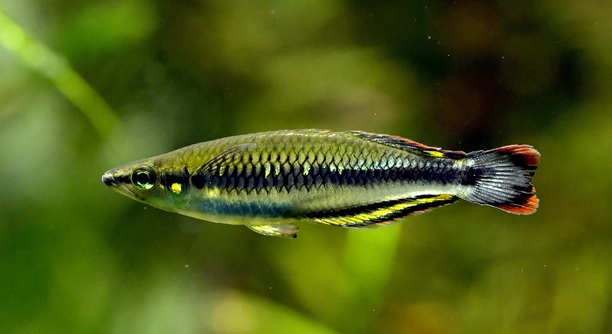
Do you enjoy keeping rainbowfish but notice them swimming the same patterns repeatedly? Observing their behavior can be fascinating, especially when considering whether these colorful fish experience boredom or simply react to their surroundings.
Rainbowfish can display signs of boredom through repetitive swimming, lack of interaction, or reduced activity. Providing environmental enrichment, varied stimuli, and proper social conditions helps maintain their mental and physical well-being in captivity.
Understanding these behavioral cues can improve how you care for your rainbowfish and enhance their overall happiness in an aquarium setting.
Recognizing Boredom in Rainbowfish
Rainbowfish often show subtle signs when they are bored. They may swim in repetitive patterns, hide more than usual, or ignore other fish in the tank. Some may even stop eating regularly or lose their vibrant colors. These behaviors are not always obvious at first, but consistent observation can help identify them. A well-stimulated rainbowfish will explore its environment, interact with tank mates, and display lively colors. Changes in behavior can also indicate other issues like water quality or illness, so it’s important to monitor their tank closely. Providing a varied environment with plants, decorations, and open swimming space can make a big difference. Rotating tank decorations occasionally gives them something new to explore. Even simple enrichment like floating objects or hiding spots can encourage natural behaviors and keep the fish active. Keeping track of their daily activity helps ensure that any signs of boredom are addressed promptly.
Environmental enrichment improves overall activity and reduces repetitive or lethargic behavior.
Regular monitoring and small changes in the tank can significantly enhance rainbowfish well-being and maintain their natural behavior over time.
How to Prevent Boredom
Adding live plants or rocks encourages exploration and interaction among rainbowfish.
A varied environment is essential for rainbowfish to stay mentally stimulated. Introduce new decorations gradually and provide hiding spaces to mimic natural habitats. Different levels of water and swimming areas allow for exploration and reduce repetitive swimming patterns. Feeding routines can also be adjusted slightly to add interest, such as varying types of food or placing food in different areas of the tank. Observing how fish respond to these changes can indicate whether the enrichment is effective. Social interaction is another key factor; keeping rainbowfish in groups that match their natural social behavior helps prevent isolation and promotes natural activity. Lighting changes and gentle currents can also add stimulation. It’s important to balance enrichment with stable tank conditions, avoiding sudden or stressful changes. By carefully designing the tank environment, rainbowfish can remain active, healthy, and vibrant.
Consistent attention to their environment ensures rainbowfish maintain natural behaviors and avoid signs of boredom.
Social Interaction and Activity
Rainbowfish are social creatures that thrive in groups. Lack of companions can lead to boredom, decreased activity, and unusual behavior. Observing interactions within the school helps identify whether they are engaged or isolated.
Ensuring rainbowfish have compatible tank mates encourages natural swimming patterns and social behavior. Fish that interact regularly are more active, display brighter colors, and explore the tank environment. If a fish isolates itself or shows signs of aggression, it may indicate stress or boredom. Monitoring group dynamics and adjusting the number of fish or their arrangement can maintain a healthy social environment.
Providing opportunities for play and exploration within the tank supports mental stimulation. Moving decorations occasionally, adding hiding spots, or varying swimming areas encourages natural behaviors. Engaging with their surroundings keeps them active and reduces the likelihood of lethargy. A socially enriched environment promotes overall well-being and a lively, dynamic aquarium.
Environmental Enrichment Techniques
Adding plants, rocks, and hiding spaces keeps rainbowfish engaged and active. Varied tank layouts stimulate exploration and natural behavior.
Environmental enrichment prevents repetitive behavior and promotes mental engagement. Using live plants, driftwood, or floating decorations adds complexity to the habitat. Fish respond positively to varied swimming paths and levels of cover, which encourages activity and curiosity. Even subtle changes, like rearranging decorations or introducing new hiding spots, can make a difference. Currents, gentle water flow, and light variation also enhance stimulation. A dynamic environment keeps fish physically and mentally healthy, reducing signs of boredom.
Regular observation ensures that enrichment strategies are effective. Adjusting elements based on fish behavior helps maintain a balanced, engaging tank environment. Providing multiple levels for swimming and hiding supports natural instincts and keeps rainbowfish active. Over time, these adjustments create a stimulating habitat that promotes social interaction, exploration, and overall well-being. Proper environmental enrichment is essential for rainbowfish to thrive and display their full colors and energy consistently.
Feeding Practices and Boredom
Varying the diet of rainbowfish keeps them engaged and healthy. Repeating the same food daily can lead to disinterest and reduced activity.
Using different feeding methods, such as scattering flakes or offering live foods, encourages natural foraging behavior and mental stimulation, preventing signs of boredom.
Tank Size and Movement
A spacious tank allows rainbowfish to swim freely and express natural behaviors. Limited space can result in repetitive movements, stress, and lethargy. Providing adequate swimming areas and vertical space is crucial for maintaining activity levels and overall health.
Monitoring Behavior Patterns
Tracking daily behavior helps identify changes that may indicate boredom. Consistent observation ensures timely adjustments to tank conditions and enrichment.
Signs of Stress Related to Boredom
Stress often appears alongside boredom, manifesting as color fading, hiding, or erratic swimming. Addressing tank environment, social grouping, and enrichment reduces both boredom and stress, promoting healthier, more active rainbowfish.
FAQ
How can I tell if my rainbowfish is bored?
Boredom in rainbowfish often shows through repetitive swimming, hiding, reduced activity, or lack of interest in tank mates. They may stop exploring the tank or ignore food. Observing daily behavior helps spot these signs early and allows for timely changes to their environment.
What types of enrichment work best for rainbowfish?
Live plants, rocks, and hiding spots are effective for mental stimulation. Rearranging decorations occasionally, providing varied swimming paths, and adding floating objects encourages exploration. Gentle currents and light changes also help maintain engagement. The key is a mix of stability and novelty in the tank environment.
How many rainbowfish should I keep together?
Rainbowfish are social and do best in groups of at least six. Smaller groups can lead to stress and isolation, while overcrowding may cause aggression. Observing interactions and ensuring enough space for all fish to swim freely supports social behavior and prevents boredom.
Does tank size affect boredom?
Yes, limited swimming space can result in repetitive movements and reduced activity. A larger tank with open swimming areas and vertical variation allows fish to explore, promotes natural behavior, and reduces stress. Even small tanks benefit from careful decoration placement to create multiple zones for swimming and hiding.
Can diet influence boredom?
Feeding the same food repeatedly may reduce interest and activity. Offering a variety of flakes, pellets, and live or frozen foods encourages natural foraging behavior. Scattering food in different areas or using feeding rings adds mental stimulation, keeping rainbowfish engaged and healthier.
What role do tank mates play?
Compatible tank mates enhance social interaction, which reduces boredom. Rainbowfish thrive in groups that mimic natural social structures. Aggressive or overly passive fish can disrupt group dynamics, leading to stress or isolation. Monitoring behavior and adjusting tank mates when needed maintains a balanced, active environment.
How often should I rearrange the tank?
Minor changes every few weeks are usually sufficient. Too frequent rearrangements can stress fish, while leaving the tank unchanged for long periods may contribute to boredom. Simple adjustments like moving plants, rocks, or decorations create new exploration opportunities without causing disruption.
What are common signs of stress caused by boredom?
Stress often accompanies boredom, showing as faded colors, hiding, erratic swimming, or reduced appetite. Fish may also become lethargic or aggressive. Addressing environmental enrichment, social groupings, and diet helps reduce stress while promoting natural activity and mental stimulation.
Is it necessary to provide hiding spots?
Yes, hiding spots allow fish to feel secure and explore at their own pace. Live plants, caves, or rock structures provide refuge and create interest in the tank. Multiple hiding areas reduce aggression among tank mates and encourage natural behaviors, keeping rainbowfish mentally active.
How can I maintain long-term engagement for my rainbowfish?
Combine social groups, varied environments, enrichment, and diet changes to prevent boredom. Observe behavior consistently and make small, gradual adjustments as needed. A dynamic, stimulating tank ensures rainbowfish remain active, colorful, and healthy throughout their life, reducing repetitive or lethargic behaviors.
Can boredom affect breeding behavior?
Yes, bored or stressed rainbowfish may show reduced mating activity or neglect eggs. Maintaining a stimulating environment, proper social conditions, and balanced nutrition supports natural breeding behaviors and increases the likelihood of healthy offspring.
Are all rainbowfish equally prone to boredom?
Species and individual temperament play a role. Some are more active or social, while others may naturally be calmer. Understanding the specific needs of your rainbowfish species helps tailor enrichment and social arrangements to prevent boredom effectively.
Does lighting impact rainbowfish activity?
Yes, consistent but varied lighting encourages natural behavior. Sudden changes can stress fish, while too little light may reduce activity. Simulating natural day-night cycles and gentle light variations can stimulate exploration and help maintain their mental well-being.
Can boredom lead to health issues?
Chronic boredom may weaken the immune system, reduce appetite, and increase stress-related illnesses. Ensuring a stimulating environment, proper diet, and social interaction supports overall health and reduces the risk of behavioral or physical problems.
How do I balance stability and novelty in the tank?
Keep the tank safe and predictable but introduce minor changes regularly. Rearranging decorations, adding plants, or slightly altering feeding routines maintains engagement without causing stress. This balance supports mental stimulation while keeping rainbowfish comfortable in their environment.
How long does it take to notice improvements after adding enrichment?
Changes in behavior can appear within days to a couple of weeks. Fish may start exploring more, interacting with tank mates, and displaying brighter colors. Continuous observation ensures enrichment strategies are effective and allows further adjustments for sustained mental engagement.
Can boredom cause aggression among rainbowfish?
Yes, stressed or bored fish may display aggression toward tank mates. Ensuring proper group size, adequate space, and sufficient hiding spots reduces conflicts. Observing social interactions and adjusting tank conditions can prevent aggressive behaviors while maintaining a peaceful environment.
Does water quality affect boredom?
Poor water quality can mimic boredom symptoms like lethargy or disinterest. Regular testing and maintenance of temperature, pH, and cleanliness ensure fish remain healthy, active, and responsive to environmental enrichment. Clean water supports both physical health and mental engagement.
What is the most effective way to keep rainbowfish stimulated long-term?
A combination of proper social groups, varied diet, environmental enrichment, and observation is key. Gradual adjustments to tank layout, lighting, and feeding patterns maintain interest. Monitoring behavior allows continuous improvement of conditions, ensuring rainbowfish stay active, healthy, and engaged throughout their lives.
How do I know if a change in behavior is boredom or illness?
Observe for patterns: boredom usually shows as repetitive behavior or disinterest, while illness may include rapid breathing, clamped fins, or unusual markings. Checking water quality and consulting resources or a professional helps determine the cause and take corrective action.
What role does exercise play in preventing boredom?
Encouraging swimming through open spaces, varied currents, and exploration prevents inactivity. Active fish are less prone to stress and display natural behaviors. Adjusting tank layout to promote movement supports physical fitness and mental stimulation, reducing signs of boredom over time.
How can I safely introduce new enrichment items?
Introduce items gradually and monitor fish reactions. Avoid sharp edges or toxic materials. Observe interactions for stress signs, and adjust placement as needed. Small, safe additions provide novelty without overwhelming rainbowfish, supporting engagement and mental well-being.
Does tank decoration impact rainbowfish behavior long-term?
Yes, consistent yet stimulating decorations maintain interest. Balanced use of plants, rocks, and open swimming areas prevents repetitive behavior. Over time, changing layout and introducing new elements encourages exploration and keeps fish active, promoting healthier social and mental behavior.
Can boredom affect lifespan?
Chronic boredom can lead to stress and weakened immune function, indirectly affecting longevity. Providing a stimulating, well-maintained environment promotes natural behaviors, reduces stress, and supports overall health, helping rainbowfish live longer, more active lives.
Are younger rainbowfish more prone to boredom?
Younger fish are typically more active and curious, requiring more stimulation. Ensuring a varied environment and social opportunities from an early age supports healthy development, encourages natural behaviors, and prevents early signs of boredom.
How often should I reassess enrichment strategies?
Observing behavior weekly or biweekly helps identify changes in activity or interest. Adjust decorations, feeding, or social arrangements gradually based on observations. Regular reassessment ensures rainbowfish remain engaged, active, and mentally stimulated over time.
Does tank complexity affect breeding success?
Yes, enriched and varied environments promote natural behaviors, including breeding. Providing hiding spots, plants, and open swimming areas encourages courtship and egg-laying, supporting healthier and more successful breeding outcomes for rainbowfish.
Can boredom affect interaction with other species in a community tank?
Bored fish may ignore or become aggressive toward tank mates. Proper enrichment, social groupings, and space management reduce conflicts, encouraging positive interactions and natural behaviors in community settings.
Is it possible for a single fish to stay engaged without tank mates?
While some enrichment can help, rainbowfish are social by nature. A single fish may become stressed or lethargic even with decorations. Grouping with compatible companions is the most reliable way to maintain mental stimulation and prevent boredom.
Do seasonal changes impact boredom levels?
Changes in light and temperature can influence activity. Gradually adjusting conditions to mimic natural cycles can maintain engagement. Sudden or extreme changes may stress fish, so careful management of seasonal variations supports consistent activity and interest.
How can I measure success of enrichment strategies?
Look for increased activity, interaction with tank mates, exploration, and bright coloration. Consistent observation and noting behavioral improvements indicate effective enrichment. Adjusting strategies based on these observations ensures rainbowfish remain mentally stimulated.
Can enrichment prevent aggression entirely?
Enrichment reduces boredom-related aggression but does not guarantee complete elimination. Proper group sizes, hiding spots, and balanced feeding further minimize conflicts while promoting a calm, active tank environment.
How do I combine multiple enrichment methods safely?
Introduce changes gradually and monitor behavior. Combining varied diet, decorations, currents, and social interaction can provide comprehensive stimulation. Observing reactions ensures that multiple strategies enhance engagement without causing stress.
What are the signs that enrichment is working?
Increased activity, exploration, interaction with tank mates, and more vivid colors indicate effective enrichment. Fish appear curious and responsive, showing less repetitive or lethargic behavior over time.
How long can rainbowfish go without enrichment before showing signs of boredom?
Boredom can appear within days to weeks depending on tank conditions, social environment, and individual temperament. Early intervention with enrichment prevents long-term stress and promotes healthier behavior.
Does water temperature affect activity and boredom?
Yes, temperature outside the optimal range can reduce activity and mimic signs of boredom. Maintaining consistent, species-appropriate water temperature supports natural behavior, activity, and overall well-being.
Can adding new fish stimulate engagement?
Introducing compatible tank mates can increase activity and reduce boredom. Proper acclimation and careful monitoring are necessary to prevent stress or aggression while encouraging social interaction.
How do I know if my enrichment efforts are too stressful?
Signs include hiding, clamped fins, rapid swimming, or reduced appetite. Gradual changes and careful observation ensure enrichment provides stimulation without overwhelming rainbowfish.
Can boredom affect feeding behavior?
Yes, bored fish may eat less or show disinterest in regular foods. Varying diet and feeding methods encourages natural foraging and maintains appetite.
Does tank lighting schedule influence activity?
Consistent day-night cycles with gradual light changes promote exploration and engagement. Sudden or irregular lighting can stress fish and reduce activity levels.
How do I balance social interaction with alone time?
Provide hiding spots and open swimming areas to allow fish to choose when to interact. Respecting natural preferences helps prevent stress while maintaining engagement.
Can environmental enrichment prevent health issues related to stress?
Yes, a stimulating environment reduces boredom, stress, and related immune suppression. Fish are more active, eat well, and maintain vibrant colors, promoting overall health.
Is it better to make small frequent changes or large occasional changes to the tank?
Small, gradual adjustments are safer and more effective. Frequent minor changes stimulate exploration without causing stress, while large sudden changes may overwhelm rainbowfish.
How do I safely remove old decorations or plants?
Remove one element at a time and monitor behavior. Ensure replacements are safe and compatible with tank conditions. Gradual changes prevent stress while maintaining engagement.
Can boredom affect lifespan indirectly?
Chronic stress from boredom can weaken immunity, reduce appetite, and increase susceptibility to disease. Enrichment and proper care support longevity and overall well-being.
What combination of factors most effectively prevents boredom?
A balanced mix of social groups, varied environment, enrichment, and diet, along with consistent observation, keeps rainbowfish active, healthy, and engaged over the long term.
Does the age of the fish affect how they respond to enrichment?
Younger fish are usually more active and responsive to changes, while older fish may require gentler adjustments. Tailoring enrichment to age supports natural behavior and mental stimulation.
How often should I rotate enrichment items?
Minor rotation every few weeks is sufficient. Gradual changes maintain interest without causing stress, encouraging consistent activity and engagement.
Can enrichment improve color vibrancy?
Yes, mentally and physically stimulated rainbowfish display brighter colors. Engaging environments reduce stress and support natural coloration over time.
Does boredom affect sleeping patterns in rainbowfish?
Bored or unstimulated fish may become lethargic or restless at unusual times. Providing proper light cycles and engaging environments helps maintain normal rest patterns.
Are certain species of rainbowfish more prone to boredom?
Yes, some species are more active or social and require more stimulation. Knowing the natural behavior of your specific species ensures enrichment meets their needs.
How do I combine social, environmental, and dietary enrichment effectively?
Introduce changes gradually and observe behavior. Ensure compatibility among tank mates, provide varied decorations and hiding spots, and rotate foods. This balanced approach maximizes mental stimulation and prevents boredom.
Can boredom lead to hiding or isolation?
Yes, unstimulated rainbowfish may retreat frequently. Adding social companions, enrichment, and open swimming areas encourages interaction and reduces isolation.
What are the easiest enrichment methods for beginners?
Live plants, rocks, hiding spots, scattered food, and occasional decoration changes are simple and effective. Observing responses ensures they remain engaging without stressing fish.
Can enrichment affect breeding success indirectly?
Yes, reducing stress and promoting natural behaviors through stimulation supports courtship, mating, and egg-laying activity, improving reproductive outcomes.
How do I prevent boredom in a small tank?
Even in limited space, using vertical space, hiding spots, live plants, and varied feeding methods provides stimulation. Careful observation ensures fish remain active without overcrowding.
Does boredom influence how rainbowfish interact with tank decor?
Bored fish may ignore or repeatedly bump into objects. Well-planned decoration and enrichment encourage exploration and natural engagement with their environment.
How do I safely introduce new fish for social enrichment?
Quarantine new fish first, then introduce slowly while monitoring interactions. Ensure compatible temperament to prevent stress, aggression, or disruption of group dynamics.
What signs indicate enrichment is not working?
Continued repetitive swimming, hiding, reduced appetite, or aggression suggest that changes are insufficient. Adjustments in environment, diet, or social grouping are needed.
How do I maintain long-term interest for rainbowfish?
Rotate decorations, provide social companions, vary diet, and offer new stimuli gradually. Consistent observation ensures engagement remains effective over time.
Does water flow influence engagement?
Yes, gentle currents encourage swimming and exploration. Varying water movement can stimulate activity and prevent lethargy.
Can enrichment affect lifespan indirectly through stress reduction?
Reducing boredom and stress supports immune function, appetite, and overall health, indirectly contributing to a longer, healthier life.
Are there risks to over-enrichment?
Excessive or sudden changes may stress fish. Gradual adjustments and careful monitoring prevent negative effects while maintaining stimulation.
Can boredom affect feeding competition among tank mates?
Yes, unstimulated fish may eat less or display aggression. Proper enrichment, feeding methods, and space reduce competition and encourage healthy eating.
How do I balance activity and rest in the tank?
Provide hiding spots, open swimming areas, and consistent light cycles. This allows fish to engage when desired and rest when needed.
Do seasonal changes in lighting require adjustments in enrichment?
Gradual changes in light intensity or duration can maintain natural activity levels. Avoid sudden shifts to prevent stress while keeping fish engaged.
How often should I check behavior for signs of boredom?
Daily or several times a week observation helps spot early signs. Consistent monitoring ensures timely adjustments to tank conditions and enrichment.
Does enrichment improve overall fish health?
Yes, mentally and physically stimulated rainbowfish eat well, interact socially, maintain color, and show reduced stress, promoting long-term health and vitality.
Can boredom affect how rainbowfish respond to feeding?
Yes, unstimulated fish may become disinterested in food. Introducing varied feeding strategies encourages engagement and supports healthy appetite.
How do I keep rainbowfish engaged if I travel?
Automatic feeders, hiding spots, and stable tank conditions help maintain enrichment. Regular observation upon return ensures fish remain active and healthy.
Does age affect responsiveness to environmental changes?
Younger fish are generally more curious and active. Older fish may require gentler adjustments to maintain engagement without stress.
How do I integrate multiple enrichment strategies effectively?
Combine social, dietary, and environmental changes gradually. Monitor behavior to ensure fish are stimulated without being stressed, promoting long-term engagement.
Can enrichment reduce aggression in mixed-species tanks?
Yes, providing hiding spots, open swimming areas, and proper social grouping reduces stress-related aggression, helping maintain harmony among species.
How long does it take for enrichment to show benefits?
Changes can appear within days to weeks. Fish may explore more, interact socially, and display brighter colors as engagement improves.
Is boredom reversible in rainbowfish?
Yes, adding enrichment, social companions, and varied stimuli usually restores natural behavior and activity levels. Consistent observation ensures effectiveness.
What is the safest way to test new enrichment items?
Introduce one item at a time and watch for stress. Ensure materials are non-toxic and safe for aquarium use. Gradual introduction prevents negative reactions.
Can boredom affect coloration long-term?
Yes, unstimulated or stressed fish may lose vibrancy. Proper enrichment and social interaction promote healthy, bright colors over time.
Does boredom affect learning or adaptability in rainbowfish?
Mentally stimulated fish respond better to environmental changes and adapt more easily. Enrichment encourages problem-solving and natural behavior, enhancing overall adaptability.
Are there signs of mental stimulation in rainbowfish?
Active exploration, interaction with tank mates, varied swimming, and responsive behavior indicate engagement and effective mental stimulation.
Can enrichment prevent repetitive swimming entirely?
It reduces but may not completely eliminate repetitive patterns. Combining social interaction, environmental changes, and diet variety minimizes this behavior.
How do I know if a tank setup is too simple?
Fish display repetitive behavior, hide often, or ignore food. Adding decorations, hiding spots, and environmental complexity stimulates natural behaviors and engagement.
Can boredom affect appetite permanently?
Chronic boredom may temporarily reduce appetite, but proper enrichment usually restores interest in food and normal feeding patterns.
Does tank depth or vertical space impact engagement?
Yes, varied depths encourage exploration and natural swimming. Providing vertical space increases activity and reduces signs of boredom.
Can enrichment influence social hierarchy?
Yes, varied hiding spots and swimming areas reduce stress and aggression, helping maintain a balanced social structure among rainbowfish.
How often should I rotate foods for engagement?
Weekly or biweekly rotation of flakes, pellets, and live or frozen foods encourages foraging and keeps rainbowfish interested in feeding.
Does enrichment affect sleep patterns?
Stimulating but balanced environments support
Rainbowfish are active and social creatures that benefit greatly from proper care and attention. Observing their behavior daily is key to understanding their needs and ensuring they remain healthy and stimulated. Signs of boredom can be subtle, including repetitive swimming, hiding, or reduced interaction with tank mates. Noticing these behaviors early allows for adjustments in their environment, diet, or social groupings to keep them engaged. By maintaining consistent observation, it becomes easier to distinguish between normal behavior, stress, or boredom. Monitoring water quality, temperature, and other basic tank conditions is equally important, as poor conditions can mimic the signs of boredom and stress, affecting both behavior and overall health.
Providing a varied and enriched environment is essential for preventing boredom in rainbowfish. Decorations, live plants, rocks, and hiding spots give them space to explore and encourage natural behaviors. Rearranging these elements occasionally introduces novelty without causing stress, while open swimming areas allow for exercise and social interaction. Introducing different types of food, varying feeding methods, and rotating tank elements can also provide mental stimulation. Social enrichment through proper group sizes and compatible companions promotes interaction and reduces isolation. Small, gradual changes over time are usually the most effective, allowing fish to adapt comfortably while maintaining interest and activity. By carefully combining these approaches, rainbowfish can remain mentally and physically engaged, exhibiting vibrant colors, active movement, and natural social behaviors.
Consistent care and attention are necessary to maintain the long-term well-being of rainbowfish. Providing the right balance of stimulation, social interaction, and environmental complexity prevents boredom and supports overall health. Observing their behavior closely helps identify any issues early, whether they stem from stress, illness, or insufficient enrichment. Adjusting tank conditions, diet, and group dynamics ensures rainbowfish continue to thrive in captivity. Even simple measures like adding new hiding spots, rotating decorations, or varying food can have a significant impact on their engagement. Ultimately, a well-maintained, stimulating environment allows rainbowfish to display their full natural behavior, remain active, and enjoy a healthier, happier life.

Hello,
If you enjoy the content that we create, please consider saying a "Thank You!" by leaving a tip.
Every little bit helps us continue crafting quality advice that supports the health, happiness, and well-being of pets around the world, for pets of all shapes, sizes, and species.
We really appreciate the kindness and support that you show us!