
Are your rainbowfish thriving in their aquarium but you are unsure if they truly feel at home? Observing their behavior and environment can reveal subtle signs of comfort and contentment that are easy to miss.
Rainbowfish exhibit a variety of behaviors and physical indicators that demonstrate their adaptation to their surroundings. Healthy coloration, active swimming patterns, regular feeding habits, and social interactions are all measurable signs that these fish feel secure and at ease.
Recognizing these clues ensures your rainbowfish remain healthy and happy, creating a harmonious aquarium environment for both you and your aquatic companions.
Bright and Vibrant Colors
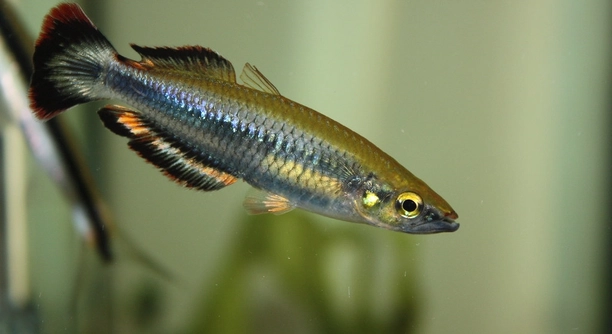
A rainbowfish’s coloration is one of the clearest signs it feels comfortable. When your fish displays bright, vivid colors, it is a reflection of good health and a stress-free environment. Dull or faded hues often indicate stress, illness, or poor water conditions. Maintaining stable water parameters, providing a balanced diet, and ensuring minimal disturbances in the tank all contribute to their natural coloring. These fish also respond to the presence of companions and plants, which makes them more likely to show their full spectrum of colors. Observing changes over time helps you notice subtle improvements or declines in their overall condition.
Bright colors are a reliable signal that your rainbowfish is adapting well to its habitat.
Keeping your rainbowfish in an environment that enhances their natural colors not only promotes their health but also allows you to enjoy their beauty fully. A well-planted tank with proper lighting and regular feeding routines encourages coloration and general well-being. Regular observation helps identify any issues early, ensuring adjustments can be made before they affect the fish’s comfort or health. Over time, a consistent routine will support vibrant hues, active swimming, and natural behavior, making it clear that your rainbowfish is thriving in its home.
Active Swimming Patterns
Rainbowfish that feel safe and comfortable tend to swim confidently and explore their surroundings.
They move smoothly through the water, often interacting with plants and other tank mates.
Active swimming demonstrates energy, curiosity, and a lack of stress. Fish that hide frequently or remain at the bottom may be uncomfortable or unwell. Observing how your rainbowfish navigate the tank helps determine whether they are content. A lively swimming pattern indicates proper water temperature, good diet, and a stable environment, all of which contribute to their comfort. Over time, consistent movement and exploration suggest they feel secure in their space, while lethargy or erratic swimming signals potential problems that need attention. Creating a tank with varied levels, hiding spots, and open areas supports this behavior, allowing the fish to express their natural tendencies fully. This balance promotes both mental and physical health, ensuring they remain vibrant and active companions in your aquarium.
Social Interaction
Rainbowfish that feel at home often interact with other fish in the tank. They swim in groups, follow each other, and show coordinated movement, which indicates a sense of security.
Watching their social patterns helps determine comfort levels. Fish that isolate themselves may feel stressed or unwell, while those that engage demonstrate confidence and trust in their environment. Providing companions of similar size and temperament encourages natural schooling behavior, reducing anxiety. Over time, social interaction also supports feeding habits and overall activity, contributing to a healthier and more stable tank.
Encouraging social behavior requires maintaining proper stocking levels and ensuring hiding spots. A tank with open swimming areas and plants allows rainbowfish to form groups naturally. Observing their interactions daily can reveal changes in health or comfort, giving you a clear understanding of how at ease they feel. Consistent monitoring, paired with stable water conditions, ensures that social patterns remain positive, reinforcing both mental and physical well-being. Proper social dynamics also reduce aggressive tendencies and allow each fish to thrive.
Regular Feeding Habits
Rainbowfish that are comfortable eat consistently and show enthusiasm during feeding times. They actively approach food and display little hesitation when meals are offered.
Maintaining a balanced diet is essential for their health and comfort. Feeding small portions multiple times a day ensures they receive proper nutrition without polluting the water. Observing how quickly they consume food and whether all fish are feeding evenly helps detect issues early. Uneaten food or a sudden drop in appetite can indicate stress, illness, or poor water quality. By providing high-quality flakes, pellets, and occasional live or frozen foods, you support both their growth and their overall sense of security within the tank.
Consistency in feeding routines strengthens their comfort and confidence. Fish that know when and how food will be provided are less anxious and more likely to engage in natural behaviors. Offering a variety of food types also stimulates interest and prevents nutritional deficiencies. Over time, well-fed rainbowfish display bright colors, active swimming, and better immune response. Monitoring each fish’s appetite allows you to adjust portions as needed, ensuring no fish is left underfed or stressed. This attention to feeding habits creates a stable and reassuring environment, helping your rainbowfish feel completely at home.
Exploring the Tank
Rainbowfish that feel secure actively explore their surroundings. They swim around plants, decorations, and open spaces without hesitation.
Curiosity in movement shows they are comfortable with the environment. Fish that remain in one spot or hide often may be stressed or unsure of their space.
Hiding Spots Usage
Rainbowfish use hiding spots naturally, but frequent visits indicate comfort rather than fear. They rest there to feel secure while still observing their surroundings. Regularly checking the availability of shelters ensures they can manage stress and maintain confidence in the tank environment.
Interaction with Owners
Some rainbowfish respond to your presence by swimming closer during maintenance or feeding. This behavior demonstrates trust and familiarity.
Active Fin Display
Healthy rainbowfish spread their fins widely while swimming, showing confidence and vitality. A lack of fin display can signal discomfort, illness, or stress.
FAQ
How can I tell if my rainbowfish is stressed?
Signs of stress include hiding for long periods, clamped fins, dull coloration, and reduced appetite. Erratic swimming or rubbing against objects can also indicate discomfort. Monitoring water quality and ensuring proper tank conditions can help reduce stress and improve their well-being.
What is the best tank size for rainbowfish?
Rainbowfish need space to swim freely, with a minimum of 30 gallons for smaller species. Larger or schooling rainbowfish require 55 gallons or more. Adequate space reduces stress, encourages natural swimming patterns, and supports social behavior among the group.
How often should I feed my rainbowfish?
Feed small amounts two to three times daily, ensuring all fish get food without overfeeding. A mix of high-quality flakes, pellets, and occasional live or frozen foods provides balanced nutrition, supports growth, and maintains vibrant coloration.
Do rainbowfish need companions?
Yes, rainbowfish are social and thrive in groups of at least six. Companionship encourages natural schooling behavior, reduces aggression, and provides security. Observing their interactions can help determine if the group is compatible and comfortable in the tank environment.
What water conditions are ideal for rainbowfish?
They prefer slightly alkaline water with a pH between 7.0 and 8.0 and temperatures ranging from 72°F to 82°F. Consistent water changes, proper filtration, and monitoring ammonia, nitrite, and nitrate levels ensure a healthy environment that supports both physical and behavioral health.
How do I encourage my rainbowfish to display their colors?
Providing a balanced diet, stable water conditions, and proper lighting helps rainbowfish show their natural colors. Healthy companions and minimal stress in the tank also enhance coloration. Regular observation allows you to notice subtle improvements or changes in vibrancy.
Why does my rainbowfish hide often?
Hiding can indicate comfort if the fish uses shelters occasionally, but constant hiding may signal stress, illness, or poor water quality. Ensure adequate hiding spots, open swimming areas, and a stable environment to balance security and freedom.
Can rainbowfish coexist with other fish species?
Yes, rainbowfish are generally peaceful and can live with similarly sized, non-aggressive species. Avoid overly territorial or predatory fish to maintain a safe environment. Observing interactions over time ensures harmony and reduces potential stress or injury.
What should I do if a rainbowfish loses color?
Color loss often signals stress, illness, or poor water quality. Test water parameters, evaluate diet, and observe behavior. Correcting any issues and providing a stable environment usually restores their natural hues over time.
How can I tell if my rainbowfish is happy at home?
Indicators of comfort include active swimming, bright colors, healthy appetite, social interaction, and natural exploration of the tank. Consistent observation of these behaviors helps ensure your rainbowfish feels secure, healthy, and fully adapted to its environment.
How often should I check my aquarium?
Daily observation of behavior, color, and appetite is recommended. Weekly water testing and partial water changes help maintain a stable environment. Keeping track of these factors prevents problems and promotes long-term health for your rainbowfish.
Is it normal for rainbowfish to rest near the bottom of the tank?
Occasional resting at the bottom is natural, but prolonged inactivity may indicate stress or illness. Ensure proper water conditions, diet, and tank setup to encourage regular swimming and active behavior.
What plants are best for rainbowfish tanks?
Live plants such as Java fern, Anubias, and hornwort provide hiding spots, improve water quality, and support natural behavior. A mix of tall and short plants creates shelter and open swimming areas, encouraging comfort and confidence.
How do I introduce new rainbowfish to an established tank?
Quarantine new fish for two weeks before adding them. Introduce slowly, maintaining similar water conditions. Observe behavior closely to prevent aggression and stress, ensuring smooth integration with the existing group.
Can lighting affect my rainbowfish’s mood?
Yes, proper lighting enhances coloration, encourages activity, and supports plant growth. Avoid overly bright or inconsistent lighting, which can cause stress. A regular day-night cycle helps maintain natural rhythms and comfort in the tank.
What are common health issues in rainbowfish?
Ich, fin rot, and parasitic infections are the most common. Early detection through observation of behavior, coloration, and appetite is key. Maintaining clean water, proper diet, and suitable tank mates reduces the risk of disease and promotes longevity.
How long do rainbowfish live?
Rainbowfish typically live 5 to 8 years with proper care. Maintaining stable water conditions, a balanced diet, and a stress-free environment ensures a longer, healthier life and a comfortable habitat.
Should I rearrange decorations in my tank?
Frequent rearrangement can stress rainbowfish, while occasional changes can encourage exploration. Make adjustments gradually to allow the fish to adapt to new spaces without causing anxiety.
How can I tell if my rainbowfish is eating enough?
Healthy rainbowfish actively approach food, consume it quickly, and display consistent feeding behavior. Uneaten food or sudden loss of appetite may indicate stress, illness, or competition among tank mates, requiring adjustments to feeding routines.
Do rainbowfish recognize their owners?
Rainbowfish can become familiar with the presence of caretakers. They may swim closer during feeding or tank maintenance, showing trust and comfort within their environment. Regular interaction helps reinforce their sense of security and well-being.
Can rainbowfish live alone?
While possible, solitary rainbowfish often show stress and reduced activity. Social groups improve their confidence, activity levels, and overall health. Companionship is essential for natural schooling behavior and long-term comfort in the tank.
What is the best way to clean a rainbowfish tank?
Perform partial water changes weekly, remove debris, and monitor water parameters. Avoid disturbing fish too much and clean decorations gently. Proper maintenance supports water quality, reduces stress, and encourages natural behavior, keeping rainbowfish healthy and at ease.
How can I prevent aggression in a rainbowfish tank?
Maintain adequate space, provide hiding spots, and keep compatible species together. Overcrowding or mismatched companions can lead to aggression. Observing behavior and adjusting the setup ensures a peaceful and comfortable environment for all fish.
Are rainbowfish sensitive to water changes?
Sudden or large water changes can cause stress. Gradual, consistent water changes are ideal, maintaining temperature and chemistry to prevent shock and preserve comfort and health.
Final Thoughts
Ensuring your rainbowfish feels at home requires attention to several key aspects of its environment. Observing their behavior, appearance, and interactions provides clear indicators of comfort and well-being. Bright, vibrant colors are a strong sign that your fish is healthy and adapting well to the tank. When rainbowfish display natural, confident swimming patterns and explore their surroundings, it shows they are comfortable with their space. Social interaction with other fish also contributes to a sense of security, as these fish naturally prefer being in groups. Providing a balanced diet and consistent feeding schedule supports both physical health and confidence, reinforcing the overall stability of the aquarium environment. Regularly monitoring water conditions and maintaining proper temperature, pH, and cleanliness ensures your rainbowfish remains stress-free and energetic.
Creating a suitable tank setup is equally important. A mix of open swimming areas and hiding spots allows rainbowfish to express natural behaviors while feeling secure. Plants and decorations provide shelter and reduce anxiety, while proper lighting enhances their coloration and promotes activity. Maintaining a stable environment, with minimal sudden changes, helps reduce stress and encourages natural social and feeding behaviors. Observing how your fish use hiding spots, interact with companions, and respond to your presence gives insight into their comfort levels. Encouraging exploration and confidence in the tank is a gradual process, supported by consistent care, adequate space, and attention to both individual and group behavior. Over time, these efforts create a harmonious and reassuring environment for your rainbowfish.
Comfortable rainbowfish are easier to care for and more enjoyable to observe. They display vibrant colors, active movement, healthy appetites, and strong social interactions. Paying close attention to these indicators allows you to make small adjustments that improve their overall quality of life. Regular observation and maintenance are essential for long-term health, as rainbowfish thrive in stable, well-managed environments. Feeding, water quality, companionship, and tank layout all play interconnected roles in promoting comfort and reducing stress. By understanding and meeting these needs, you ensure your rainbowfish not only survives but flourishes. A well-cared-for aquarium becomes a space where fish display their natural beauty and behavior, making your efforts as a caretaker both rewarding and effective. Through careful attention and consistent care, your rainbowfish can feel fully at home, confident, and secure in its aquatic habitat.

Hello,
If you enjoy the content that we create, please consider saying a "Thank You!" by leaving a tip.
Every little bit helps us continue crafting quality advice that supports the health, happiness, and well-being of pets around the world, for pets of all shapes, sizes, and species.
We really appreciate the kindness and support that you show us!