
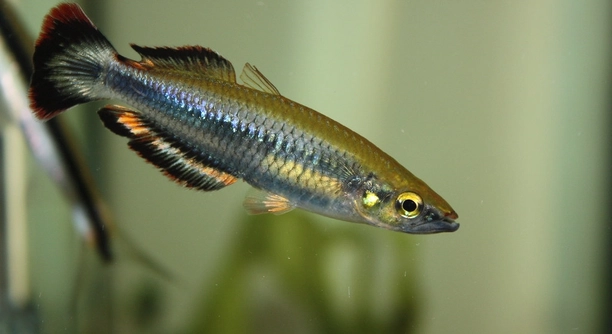
Have you ever noticed your rainbowfish changing colors while swimming in its tank? These small shifts can show much more than beauty. Observing them helps you understand your fish and its moods better over time.
Rainbowfish display seven distinct color changes that reflect mood and environmental responses. Bright, vibrant hues often indicate health and contentment, while dull or darkened tones can signal stress, fear, or illness, making color a reliable behavioral indicator.
Learning to read these color cues can improve your care and strengthen the connection you share with your rainbowfish.
Stress and Darkened Colors
When rainbowfish experience stress, their colors often become darker or muted. Stress can result from overcrowded tanks, sudden changes in water temperature, or aggressive tank mates. Over time, consistent stress can affect their appetite and overall health. Observing these darkened tones is a practical way to detect when your fish might be struggling. Adjusting the tank environment, providing hiding spaces, and monitoring water conditions can help reduce stress. Even small changes, like rearranging decorations or reducing loud disturbances near the tank, can have a positive impact. Rainbowfish are sensitive to their surroundings, and their color shifts are an immediate visual signal of discomfort. Paying attention to these cues allows you to act quickly, improving your fish’s well-being. Maintaining regular water checks and feeding routines also supports stable moods, keeping your rainbowfish vibrant and active in their tank environment.
Darkened colors are a reliable sign that your rainbowfish is under stress and may need environmental adjustments.
Recognizing stress in rainbowfish goes beyond noticing dull colors. Behavioral changes often accompany these shifts, including hiding more often, reduced swimming activity, or even rapid gill movement. Combining observation of color and behavior gives a fuller picture of your fish’s condition. Stress can also make rainbowfish more prone to disease, so early detection is essential. Consistent care routines, proper tank size, and compatible tank mates help minimize stress triggers. Creating calm areas within the tank, such as plants or small caves, provides safe spots for fish to retreat. Monitoring lighting schedules and avoiding sudden disruptions can further stabilize their mood. Taking note of small details in coloration changes helps anticipate health issues before they become serious, ensuring your rainbowfish remain lively, healthy, and visually striking in your aquarium.
Bright Colors and Happiness
Rainbowfish often display bright, shimmering colors when they are happy and healthy. This vibrancy signals contentment, good health, and comfort within their environment.
Rainbowfish with bright colors are usually active, exploring their tank, and interacting peacefully with others.
When rainbowfish exhibit bright colors, it reflects proper nutrition, suitable tank conditions, and social harmony. Healthy fish often swim confidently in open spaces, explore decorations, and maintain regular feeding patterns. Light levels and water quality contribute to their color intensity, as poor conditions can dull even naturally vibrant species. Social factors also matter—rainbowfish feel secure with compatible companions, encouraging more vivid coloration. Observing these bright displays can reassure you that your care methods are effective and that your fish are thriving. Maintaining consistent water temperature, appropriate pH levels, and balanced nutrition helps preserve this cheerful appearance over time. Colorful displays are not only aesthetically pleasing but also indicators of emotional and physical well-being in rainbowfish, making attention to their hues an important part of aquarium care.
Shimmering Stripes
Shimmering stripes often appear when rainbowfish are excited or during mating displays. These patterns can change quickly and indicate temporary mood shifts. Observing these stripes helps track social interactions and overall activity in the tank, giving insight into fish behavior.
Stripes become more pronounced when rainbowfish are stimulated by their environment or potential mates. These visual cues are important for communication, helping individuals establish territories or attract attention without aggression. Lighting, water quality, and diet influence the intensity of stripes. When rainbowfish feel safe and engaged, stripes appear sharper and more defined. Changes in stripe patterns can also indicate shifts in mood, such as alertness or excitement. By noting these patterns, you can better understand social hierarchies and breeding readiness within the tank.
In some cases, stripes can fade if fish are stressed or ill. Monitoring these shifts alongside other signs like appetite or swimming behavior ensures early detection of problems. Regular observation and a stable environment keep rainbowfish displaying their brightest stripes, reflecting both physical health and mental well-being. The clarity of these stripes is often a direct result of careful care, proper nutrition, and suitable tank mates. Understanding these cues allows for better interaction and management of the aquarium, ensuring each fish thrives.
Pale or Faded Colors
Pale or faded colors usually indicate discomfort, poor nutrition, or illness. This dull appearance signals a need for closer observation and possible adjustments in care routines.
Faded colors can result from water quality issues, such as high ammonia or nitrite levels, which stress rainbowfish. Nutritional deficiencies also contribute, as a lack of essential vitamins and minerals affects pigmentation. Tank mates that are aggressive or overly dominant can cause fish to hide, reducing color vibrancy. Environmental changes, such as temperature fluctuations or inadequate lighting, also play a role in fading colors. Regular water testing, feeding a balanced diet, and monitoring interactions help restore normal coloration.
Persistent pale colors may indicate underlying health problems like infections or parasites. Observing other signs, including lethargy, abnormal swimming, or loss of appetite, helps determine the severity of the issue. Immediate corrective actions, like adjusting water parameters, isolating affected fish, or improving diet, can prevent further decline. Creating a calm environment with proper tank structure, plants, and hiding spots encourages fish to regain confidence, which in turn restores their natural colors. Tracking these changes over time allows for better management and healthier, more vibrant rainbowfish.
Flared Fins and Color Highlights
Flared fins often accompany bright color highlights in rainbowfish. This combination signals alertness or mild excitement, showing the fish is actively engaging with its surroundings. Observing these changes provides insight into social or environmental stimulation within the tank.
Color highlights may fade when fish feel threatened or insecure. Bright, extended fins usually indicate confidence and readiness to interact with others, while duller fins suggest the opposite.
Silver Sheen
A silver sheen across the body can appear when rainbowfish are stressed or sensing a threat. This reflective coloration helps them blend into their environment, offering temporary protection from perceived dangers.
Red or Orange Accents
Red or orange accents often intensify during mating or social displays. These bright tones attract attention from potential mates and signal health and vitality. Maintaining good water conditions and proper nutrition enhances these natural accents, ensuring rainbowfish display their full range of colors effectively.
How can I tell if my rainbowfish is stressed by its colors?
Stress in rainbowfish is usually shown by darkened or muted colors. When your fish suddenly loses its brightness or appears dull, it may be reacting to overcrowding, aggressive tank mates, or sudden changes in water temperature. Observing behavior alongside color changes gives a clearer picture of stress levels.
What do bright, vibrant colors mean in rainbowfish?
Bright, vibrant colors are a sign of health and contentment. Rainbowfish that swim confidently, interact with others, and maintain active exploration usually display these hues. Good nutrition, stable water conditions, and compatible tank mates help sustain these colors. Vibrant fish are generally happier and less prone to illness.
Why do my rainbowfish show shimmering stripes?
Shimmering stripes often indicate excitement or mating behavior. These stripes become more defined when fish are alert or stimulated by their environment. Changes in lighting, water quality, or social interactions can affect stripe intensity, giving insight into both mood and social hierarchy.
Are pale or faded colors always a health problem?
Not always, but pale colors often point to discomfort, poor nutrition, or environmental issues. Monitoring water quality, tank mates, and diet can usually restore natural coloration. Persistent fading, combined with lethargy or loss of appetite, may indicate illness and should be addressed promptly.
What does a silver sheen on my rainbowfish mean?
A silver sheen often signals stress or alertness. This reflective coloring helps fish blend into their surroundings as a protective measure. Temporary sheens may be normal during sudden changes, but consistent appearance can indicate ongoing stress or an unsuitable environment.
Why do red or orange accents appear suddenly?
Red or orange accents usually intensify during social displays or mating. These bright areas indicate health and vitality. Maintaining proper diet and water conditions ensures these accents remain vivid, signaling that your fish are thriving.
How long does it take for colors to change in rainbowfish?
Color changes can be immediate or gradual, depending on the cause. Stress-related changes are often rapid, while shifts from health improvements or social interactions may take days. Regular observation is key to understanding what triggers specific color changes in your tank.
Can lighting affect my rainbowfish’s colors?
Yes, lighting plays a major role. Proper lighting enhances natural hues, while poor lighting can make colors appear dull. Adjusting light intensity and duration can improve vibrancy and help you better observe subtle changes in mood or health.
Do tank mates influence rainbowfish coloration?
Absolutely. Aggressive or dominant tank mates can cause stress, leading to darkened or faded colors. Compatible companions encourage bright colors, social interactions, and confidence. Observing interactions alongside color changes helps determine whether your fish are comfortable with their group.
How can I maintain healthy, vivid colors in rainbowfish?
Providing balanced nutrition, stable water conditions, and a safe environment supports strong coloration. Monitoring behavior, offering hiding spaces, and minimizing sudden disturbances all contribute to keeping your rainbowfish colorful, healthy, and active in the long term.
This FAQ covers the main reasons behind color changes, helping you understand and respond effectively to your rainbowfish’s moods and health indicators. Observing subtle cues alongside behavior ensures your fish thrive and remain visually striking.
Rainbowfish are fascinating creatures, not just for their beauty but for the subtle ways they communicate through color. Each shift in hue, whether bright, dark, or striped, tells a story about their mood, health, or environment. Paying attention to these visual cues allows you to respond appropriately, helping your fish feel safe, comfortable, and well cared for. Over time, you will start to recognize patterns in behavior and coloration that indicate happiness, stress, excitement, or discomfort. This awareness is an important part of being a responsible aquarium keeper. Understanding your rainbowfish’s color changes is not just about aesthetics—it is a practical way to monitor their well-being. When fish display vivid colors, it usually reflects proper care, good water quality, and balanced nutrition. Conversely, dull or faded colors often signal stress, illness, or environmental issues that require attention.
Maintaining a stable tank environment is key to supporting rainbowfish coloration. Consistent water temperature, proper pH, and regular filtration reduce stress and encourage healthy, vibrant colors. Diet also plays a major role—high-quality food with essential nutrients promotes bright and natural pigmentation. Tank setup is equally important. Providing plants, hiding spaces, and compatible tank mates gives fish security, encouraging natural behavior and more vivid colors. Observing how your rainbowfish respond to their surroundings helps you make small, effective adjustments. Even subtle changes in lighting, decor, or tank arrangement can affect their mood and visual appearance. By monitoring both color and behavior, you can ensure your rainbowfish remain active, confident, and visually striking in their aquarium. This attentiveness ultimately contributes to a healthier, happier life for your fish.
Finally, understanding rainbowfish color changes is a continuous process that combines observation, knowledge, and care. No two fish are exactly alike, and their responses to environmental or social changes can vary. Tracking their colors alongside behavior helps you detect problems early and support their long-term health. It also makes daily interactions more rewarding, as you can notice moments of happiness, curiosity, or excitement. The more familiar you become with your rainbowfish, the easier it is to interpret subtle shifts in mood and health. Over time, this awareness builds confidence in your care routines and strengthens your connection to the aquarium. Attentive observation, consistent care, and patience all contribute to maintaining vibrant colors and ensuring your rainbowfish thrive in a stable, supportive environment.

Hello,
If you enjoy the content that we create, please consider saying a "Thank You!" by leaving a tip.
Every little bit helps us continue crafting quality advice that supports the health, happiness, and well-being of pets around the world, for pets of all shapes, sizes, and species.
We really appreciate the kindness and support that you show us!