
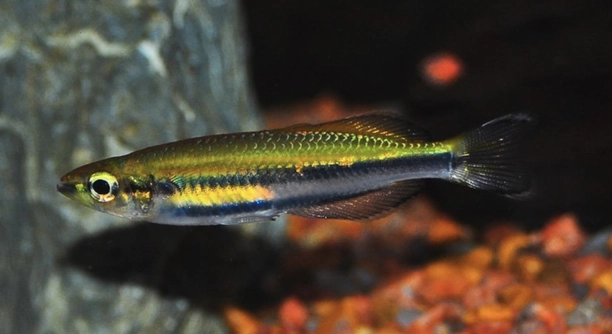
Have you ever noticed your fish swimming differently than usual and wondered if it is normal behavior? Watching them glide through the water can be relaxing, yet small changes might hint at something more concerning. Observing patterns early helps keep them healthy.
Normal fish movement includes smooth, coordinated swimming, regular breathing, and predictable interactions with their environment. Concerning behavior may involve erratic swimming, floating on one side, rubbing against surfaces, or gasping at the water’s surface, signaling potential health issues or stress.
Understanding the difference between ordinary and unusual movements can help you care for your fish better and maintain a thriving aquarium.
Recognizing Normal Fish Behavior
Fish often show predictable patterns when they are healthy. They swim steadily, maintain balance, and react naturally to their surroundings. Some fish prefer staying near the bottom or hiding, while others move in open spaces. Feeding times usually spark excitement, but their movements remain controlled. Breathing should be regular, not rapid or labored. Schooling species often move together in unison, which is a good sign. Occasional pauses or slow movements are normal if they are resting or exploring. Bright colors and clear eyes also indicate good health. Observing these behaviors consistently helps notice changes early. When fish are comfortable, they display natural curiosity, inspecting plants, decorations, or each other. Maintaining proper water quality and temperature supports these behaviors. Over time, you can learn the typical patterns of each species, making it easier to spot irregularities. Small variations in activity are expected, but sudden shifts are noteworthy.
Monitoring these normal behaviors ensures your fish stay healthy and active in their environment.
Healthy fish movement contributes to overall aquarium stability. Watching them thrive is rewarding and offers insight into their needs, habits, and comfort.
Signs of Concerning Fish Movement
Erratic swimming, floating on one side, or rubbing against surfaces often indicates stress or illness. Rapid gill movement or gasping at the surface should never be ignored.
Stress, disease, or poor water quality can all affect movement. Bacterial infections, parasites, or sudden changes in temperature and pH levels may make fish behave unusually. Nutritional deficiencies can also reduce energy, causing sluggish or irregular swimming. Sometimes, overcrowding or aggressive tank mates lead to constant darting or hiding. Early detection is critical because these behaviors often precede more severe health issues. Observing patterns, comparing them to normal behavior, and noting environmental changes helps identify the problem. Correcting water conditions, adjusting feeding routines, or isolating affected fish can prevent illness from spreading. Regular monitoring, combined with proper maintenance, ensures the aquarium remains balanced. Over time, recognizing warning signs allows for faster responses, protecting both individual fish and the tank community. Keeping a simple log of behavior changes can make patterns easier to spot and track.
Being aware of these signs helps prevent long-term health issues and keeps your fish safe.
Common Causes of Abnormal Movement
Poor water quality is one of the main reasons fish swim strangely. High ammonia or nitrite levels, incorrect pH, or sudden temperature changes can stress fish, affecting their balance and energy. Overfeeding and overcrowding also contribute to irregular movement.
Nutritional deficiencies often lead to sluggish swimming or erratic behavior. Fish need a balanced diet rich in protein, vitamins, and minerals. Feeding only flakes or one type of food for long periods can weaken their immune system, making them more susceptible to illness. Sometimes, internal parasites or bacterial infections also reduce energy, causing slow or uncontrolled movements. Monitoring feeding habits and providing variety helps maintain proper health and normal activity.
Aggressive tank mates can also impact movement. Fish may dart, hide, or stay at the bottom to avoid confrontation. Consistent observation of interactions and ensuring enough space can prevent stress-related behaviors. Tank setup, decorations, and hiding spots play a role in comfort and can influence swimming patterns. Adjusting these factors helps maintain peace and encourages natural, smooth movements among all fish.
When to Take Action
Immediate changes in swimming patterns often indicate a serious problem. Ignoring symptoms can lead to rapid health decline and even death.
If fish exhibit sudden floating, spinning, or lethargy, check water parameters first. Test ammonia, nitrite, nitrate, and pH levels to ensure stability. Inspect for visible signs of disease like discoloration, clamped fins, or spots. Isolate affected fish if necessary to prevent spreading infections. Adjust feeding routines and remove uneaten food. Maintaining a clean tank with regular water changes can help fish recover. Prompt attention increases the chance of restoring normal behavior and preventing further issues.
Preventative measures are equally important. Keep a consistent feeding schedule, avoid overcrowding, and provide hiding spots for stressed fish. Regularly monitor water quality and maintain proper filtration. Quarantining new fish before adding them to the main tank reduces the risk of introducing disease. Observing daily activity helps catch minor changes early, making interventions easier. Even small improvements, like adjusting temperature or rearranging decorations, can significantly reduce stress. A stable, clean, and well-managed environment promotes healthy movement, overall well-being, and long-term survival for all aquarium inhabitants.
Adjusting Your Aquarium Environment
Small changes in tank setup can improve fish movement. Rearranging decorations, adding plants, or creating hiding spots helps fish feel secure and reduces stress.
Temperature and lighting adjustments also impact swimming patterns. Maintaining stable conditions encourages normal behavior and prevents sudden erratic movements.
Feeding Habits and Their Impact
Inconsistent feeding can affect activity levels. Overfeeding leads to excess waste, affecting water quality and causing sluggish or irregular swimming. Underfeeding reduces energy, making fish less active or unsteady. Providing a balanced diet at regular intervals supports healthy movement. Include variety in food types to meet nutritional needs. Observing how fish react after meals helps adjust portions. Avoid leaving uneaten food to prevent water contamination, which can trigger abnormal behavior. Feeding smaller amounts multiple times a day often works better than a single large feeding. Over time, consistent feeding routines promote predictable and natural swimming patterns in your aquarium.
Monitoring Fish Health
Daily observation helps catch early signs of illness or stress, allowing timely intervention.
Keeping notes on behavior and water conditions ensures fish remain healthy and active.
FAQ
What does it mean if my fish is swimming upside down?
Swimming upside down often signals swim bladder issues or stress. Swim bladder problems can result from overfeeding, constipation, or infection. Adjusting feeding habits, offering high-fiber foods like peas, and maintaining stable water conditions can help. Persistent symptoms may require veterinary attention or isolation in a recovery tank.
Why is my fish rubbing against decorations or the tank walls?
Rubbing, also called flashing, usually indicates irritation caused by parasites, skin infections, or poor water quality. Check water parameters, observe for spots or discoloration, and consider medicated treatments if necessary. Ensuring a clean tank reduces irritation and prevents recurring problems.
Is it normal for fish to hide frequently?
Some species naturally hide more, especially shy or nocturnal fish. Excessive hiding can indicate stress, aggression from tank mates, or poor water conditions. Providing plants, caves, and stable water conditions helps them feel secure while allowing normal activity.
Why is my fish swimming in circles or erratically?
Erratic swimming can point to neurological issues, infections, or sudden environmental changes. Check water quality, inspect for visible signs of disease, and isolate affected fish if needed. Prompt action prevents worsening of symptoms and protects other tank inhabitants.
What should I do if my fish is floating at the surface?
Floating at the surface often indicates oxygen deficiency, swim bladder problems, or stress. Ensure proper aeration, maintain temperature, and monitor water quality. Feeding adjustments and observation are crucial. Severe or persistent floating may require veterinary advice.
Why is my fish moving slower than usual?
Sluggish movement can be caused by illness, poor nutrition, or environmental stress. Verify water parameters, provide balanced food, and reduce stressors like overcrowding or aggressive tank mates. Regular observation helps identify causes early and allows corrective steps.
Can water changes affect fish movement?
Yes, sudden or large water changes can shock fish, causing erratic swimming. Gradual changes and consistent maintenance help fish adjust without stress. Monitoring temperature, pH, and chemical balance during changes is important to prevent behavioral issues.
Why does my fish swim to one side of the tank?
Swimming to one side may result from territorial behavior, aggression from other fish, or discomfort. Check tank layout, observe interactions, and ensure hiding spots. Uneven swimming can also signal illness or swim bladder problems, requiring careful monitoring.
How can I prevent abnormal fish movement?
Maintaining clean water, stable temperature, proper nutrition, and sufficient space are key. Regular observation, quarantining new fish, and minimizing stress improve overall behavior. Early attention to minor changes prevents serious health issues.
When should I seek professional help?
Seek advice if abnormal movements persist despite proper care, or if symptoms like discoloration, clamped fins, or rapid gill movement appear. A veterinarian specializing in fish can diagnose infections, parasites, or organ issues that may not be obvious.
How does tank size affect fish movement?
Small or overcrowded tanks restrict swimming space, causing stress and abnormal behavior. Ensure enough room for each species to swim comfortably. Adequate space encourages natural patterns, reduces aggression, and supports overall health.
Why do some fish stay at the bottom or top constantly?
Persistent positioning often indicates stress, disease, or unsuitable water conditions. Monitor for other signs like labored breathing, clamped fins, or loss of appetite. Adjust temperature, aeration, and tank setup to encourage normal movement throughout the tank.
What role does lighting play in fish movement?
Lighting affects activity levels. Too bright or inconsistent lighting can stress fish, while a stable day-night cycle promotes natural swimming patterns. Providing shaded areas or plants allows fish to regulate exposure and reduces stress-related behavior.
How can I tell if a fish’s movement is serious or temporary?
Temporary changes may occur after feeding, water changes, or during acclimation. Serious issues persist over days, are accompanied by physical symptoms, or affect multiple fish. Keeping notes on behavior and water conditions helps distinguish between minor and significant problems.
Are some fish more prone to abnormal movement than others?
Yes, species with delicate swim bladders, high stress sensitivity, or territorial tendencies may show abnormal movement more frequently. Understanding the needs and natural behaviors of each species allows preventive care and better observation of early warning signs.
How does stress impact swimming behavior?
Stress can cause erratic swimming, hiding, or lethargy. Overcrowding, aggressive tank mates, poor water quality, or sudden environmental changes are common stressors. Reducing these factors and providing a stable environment improves normal movement and overall well-being.
What is the connection between disease and fish movement?
Infections, parasites, and internal issues directly affect swimming. Symptoms include spinning, floating, or sudden lethargy. Early detection through observation allows treatment before the condition worsens. Quarantining sick fish prevents spreading diseases to healthy tank mates.
Can water temperature fluctuations affect fish behavior?
Yes, sudden changes can shock fish, altering swimming and energy levels. Maintaining a stable, species-appropriate temperature encourages predictable movement, reduces stress, and supports immune system function. Slow adjustments are best when acclimating or correcting temperature issues.
How often should I monitor fish movement?
Daily observation is ideal. Watching routine behavior helps spot subtle changes early. Regular monitoring also allows adjustments in feeding, tank setup, and water quality, preventing minor issues from escalating into serious problems.
Why do some fish dart suddenly without reason?
Sudden darting can result from stress, external irritants, or aggressive tank mates. Check water quality, inspect the tank environment, and observe other fish. Providing hiding spots and a calm setting reduces sudden, erratic movements and promotes stable behavior.
Can diet changes improve abnormal swimming?
Yes, improving nutrition often restores energy and balance. High-fiber foods, varied proteins, and essential vitamins support healthy swimming patterns. Adjusting portion sizes and feeding schedules prevents overfeeding and related movement issues. Balanced diets contribute to long-term stability in fish behavior.
How do I safely isolate a fish showing abnormal movement?
Use a separate quarantine tank with clean water, stable temperature, and aeration. Monitor the fish daily, adjust feeding, and treat as needed. Isolation prevents disease spread, reduces stress from tank mates, and allows careful observation of recovery progress.
What signs indicate swim bladder problems?
Floating, sinking, tilting, or swimming upside down often point to swim bladder issues. Overfeeding, constipation, or infection can trigger this. Adjusting diet, offering high-fiber foods, and maintaining water quality may help restore normal swimming patterns.
How can I reduce aggression affecting movement?
Separate aggressive fish or rearrange decorations to break sightlines. Providing hiding spots and adequate space allows all fish to swim naturally. Observing social dynamics and adjusting tank setup reduces stress-induced abnormal behavior and promotes harmonious movement.
What role does water filtration play in fish behavior?
Proper filtration maintains water quality, removing waste and toxins that stress fish. Good filtration supports oxygen levels and stable parameters, directly affecting movement and overall health. Regular cleaning ensures consistent performance and prevents behavioral issues caused by poor water conditions.
How long does it take for fish to return to normal movement?
Recovery depends on the cause. Minor stress or environmental adjustments may show improvement in hours or days. Illness or swim bladder issues can take several days to weeks. Consistent care, monitoring, and proper treatment accelerate return to healthy swimming patterns.
Why do some fish stop eating and move less?
Loss of appetite often accompanies illness, stress, or poor water quality. Reduced movement conserves energy and indicates discomfort. Monitoring water parameters, feeding habits, and observing other symptoms helps determine the cause and guide intervention.
Can overcrowding affect fish movement long-term?
Yes, overcrowding causes chronic stress, aggression, and competition for resources. Fish may hide, swim erratically, or remain inactive. Reducing population density, providing hiding spots, and ensuring adequate swimming space restores normal behavior over time.
How do I know if movement changes are permanent?
Permanent changes are rare but can occur due to injury or chronic illness. Persistent tilting, fin damage, or neurological issues may affect swimming indefinitely. Early intervention improves chances of recovery, while long-term monitoring helps manage ongoing conditions effectively.
Is it normal for fish to move differently at night?
Some species are naturally nocturnal or less active in the dark. Reduced movement at night is normal. Sudden or extreme inactivity outside normal cycles may indicate stress, illness, or environmental issues that need attention.
Can tank mates influence swimming patterns?
Yes, aggressive or territorial fish can force others to hide, dart, or swim unnaturally. Observing interactions, providing hiding spots, and separating problematic individuals helps maintain calm and natural movement for all fish.
How important is regular observation for preventing movement issues?
Daily observation is essential. Noticing small changes early allows quick action before problems worsen. Tracking behavior alongside water conditions and feeding routines ensures healthy, stable swimming patterns and overall aquarium health.
What adjustments help fish recover from abnormal movement?
Stabilize water parameters, adjust temperature and lighting, provide hiding spots, and ensure proper nutrition. Quarantine sick fish if needed. Monitoring behavior closely and addressing causes promptly encourages return to normal swimming patterns.
Are some species more sensitive to water conditions than others?
Yes, delicate species or those from stable natural habitats are more prone to stress. Small fluctuations in temperature, pH, or oxygen levels can cause abnormal movement. Understanding species-specific needs helps prevent behavioral issues.
Can decorations or substrate affect movement?
Sharp or cluttered decorations may cause injury or stress. Smooth surfaces, proper spacing, and natural hiding areas allow fish to swim freely and feel secure, supporting normal behavior. Proper tank design reduces collisions, stress, and abnormal swimming patterns.
How do I balance multiple factors affecting movement?
Water quality, diet, tank size, social interactions, and environment all interact. Consistent care, observation, and gradual adjustments address multiple factors simultaneously. Maintaining a stable, clean, and supportive environment helps fish display natural, healthy movement.
What is the best way to track fish behavior?
Keep a simple log noting swimming patterns, feeding response, and water conditions. Record any unusual behavior or symptoms. Tracking changes over time helps identify causes, measure progress, and guide interventions to maintain healthy movement.
Can sudden tank changes cause temporary abnormal swimming?
Yes, moving decorations, adding new fish, or water changes can temporarily stress fish. They may swim erratically or hide. Gradual adjustments and monitoring behavior help fish adapt without lasting impact.
How do I distinguish between minor and serious movement changes?
Minor changes are brief, occasional, and unaccompanied by physical symptoms. Serious changes persist, worsen, or appear alongside fin clamping, discoloration, or gasping. Early observation and careful comparison to normal patterns help determine severity.
Why do some fish dart during feeding?
Rapid movement during feeding is often normal excitement. However, constant darting may indicate stress, overcrowding, or competition. Observing behavior and adjusting feeding routines prevents injury and supports calmer, more natural swimming patterns.
What role does stress play in disease-related movement?
Stress weakens the immune system, making fish more susceptible to infections that alter swimming. Reducing stress through proper tank conditions, hiding spots, and compatible tank mates improves health and supports normal movement.
Can water flow impact swimming patterns?
Strong currents may tire fish or cause erratic swimming if not suited to the species. Gentle, consistent flow encourages natural behavior, while areas of calm water provide rest. Adjust flow according to species requirements to support healthy movement.
How do I encourage natural schooling behavior?
Maintain appropriate group sizes and stable water conditions. Providing space, hiding spots, and compatible tank mates encourages fish to swim together naturally. Observing patterns helps ensure social stability and reduces abnormal movement caused by stress.
Are there warning signs before abnormal swimming starts?
Yes, subtle signs include reduced appetite, minor fin clamping, hiding more often, or slight erratic movements. Catching these early allows preventive care before more serious issues develop, preserving normal swimming behavior and overall health.
What immediate steps should I take if multiple fish show abnormal movement?
Test water parameters, inspect for disease, and isolate affected fish if possible. Adjust feeding, clean the tank, and observe interactions. Prompt action prevents worsening conditions and protects the overall aquarium population.
How long should I observe changes before taking further action?
Minor changes can be monitored for a day or two. Persistent or worsening behavior requires immediate intervention. Keeping detailed notes helps identify patterns and decide whether treatment, quarantine, or environmental adjustments are needed.
Can seasonal changes affect fish movement?
Yes, temperature fluctuations or changes in light cycles may alter activity. Adjusting heating, aeration, and lighting can maintain stable movement. Understanding natural seasonal patterns helps distinguish normal variation from concerning behavior.
What is the best approach to prevent long-term movement problems?
Consistently monitor water quality, provide balanced nutrition, maintain proper tank size, and reduce stress. Early detection, isolation of sick fish, and a stable environment prevent chronic behavioral issues and support long-term health.
How do I support recovery after illness or stress?
Quarantine affected fish, maintain stable water conditions, provide nutritious food, and reduce stressors. Monitor behavior closely and adjust care as needed. Supportive care accelerates recovery and helps fish regain normal swimming patterns.
Are behavioral changes reversible?
Many are, especially those caused by stress, poor water quality, or minor illness. Prompt intervention, proper care, and environmental adjustments often restore normal swimming. Severe injuries or chronic disease may lead to permanent changes.
Can lighting schedules influence recovery?
Consistent day-night cycles reduce stress and encourage natural behavior. Providing shaded areas allows fish to rest. Proper lighting supports feeding, energy levels, and recovery from abnormal movement caused by illness or stress.
How does tank complexity affect fish behavior?
A well-structured tank with plants, hiding spots, and open swimming areas allows natural exploration and reduces stress. Overcrowded or barren tanks increase erratic movements and abnormal behavior. Adjusting complexity promotes calm, normal swimming patterns.
What tools help monitor fish movement effectively?
Observation, behavior logs, water testing kits, and occasional photos or videos provide clear records. Tracking patterns over time helps identify early warning signs, evaluate interventions, and maintain healthy swimming behavior.
How do I balance multiple species in one tank?
Ensure compatible temperaments, adequate space, hiding spots, and stable water conditions. Observing interactions allows adjustments to reduce stress and prevent abnormal swimming caused by aggression or competition.
Can prolonged stress permanently affect fish movement?
Chronic stress can weaken immune systems, cause organ damage, and lead to lasting behavioral changes. Maintaining a stable, supportive environment minimizes long-term effects and helps fish maintain normal movement.
How often should I test water parameters for healthy movement?
Weekly testing is ideal for stable tanks. More frequent checks may be needed after introducing new fish, performing water changes, or noticing unusual behavior. Consistent monitoring supports optimal swimming and overall health.
Are there behavioral cues that indicate impending illness?
Yes, decreased activity, hiding, clamped fins, erratic swimming, and appetite loss often precede illness. Recognizing these cues allows early intervention, preventing full-blown disease and abnormal movement.
Can tank mates hide symptoms of abnormal movement?
Yes, aggressive or dominant fish may force weaker fish to hide or alter behavior. Observing all fish individually helps detect subtle issues that may be masked by social dynamics.
Does age affect fish swimming patterns?
Older fish may slow down or move less due to natural aging. Sudden or extreme changes at any age should be monitored closely. Supporting proper nutrition and stable conditions promotes continued healthy movement.
How do I know when it’s safe to reintroduce a quarantined fish?
Ensure the fish has recovered fully, shows normal swimming, and water conditions match the main tank. Gradual acclimation and careful observation prevent relapse or stress when returning the fish to its community.
Can stress from transport cause temporary abnormal movement?
Yes, fish often swim erratically or hide after transport. Provide stable water, gentle acclimation, and a calm environment. Behavior usually returns to normal within a few days once stress is minimized.
What are the most common signs of abnormal movement?
Erratic swimming, floating, sinking, spinning, darting, hiding excessively, and lethargy are frequent indicators. Observing patterns and context helps determine severity and guides appropriate intervention.
How does oxygen level affect swimming behavior?
Low oxygen causes gasping at the surface, lethargy, or frantic swimming. Aeration, water changes, and avoiding overcrowding maintain oxygen levels and support normal movement.
Why do some fish swim near the water surface constantly?
Surface swimming often indicates low oxygen, stress, or illness. Ensure proper aeration, stable temperature, and clean water. Persistent behavior requires monitoring for underlying health issues.
Can tank shape influence swimming patterns?
Long, open tanks allow more natural movement, while narrow or shallow tanks may restrict swimming and increase stress. Designing a tank suited to species requirements promotes normal activity and comfort.
Are sudden environmental noises a factor?
Yes, loud vibrations or constant noise can startle fish, causing erratic swimming or hiding. Minimizing disruptions helps maintain calm and predictable movement.
How does acclimation affect movement when introducing new fish?
Gradual acclimation reduces stress and prevents erratic swimming. Matching water parameters and slowly adjusting the new fish to the tank ensures smoother integration and natural behavior.
What are some quick fixes for minor abnormal swimming?
Check water quality, adjust feeding, provide hiding spots, and reduce stressors. Small environmental improvements often restore normal movement within hours to days.
Is abnormal movement always linked to illness?
No, stress, water changes, overcrowding, or diet can also cause unusual swimming. Observing context, behavior patterns, and environmental factors helps determine the root cause.
Can frequent water changes prevent abnormal swimming?
Regular, moderate water changes maintain clean, stable conditions. Sudden or large changes can stress fish. Consistent maintenance reduces the risk of abnormal movement caused by toxins or imbalanced water parameters.
How do I differentiate between natural and abnormal movement?
Compare current behavior to typical patterns for the species. Occasional minor changes may be normal, while persistent, extreme, or symptom-accompanied movements indicate a problem needing attention.
Can tank companions hide signs of stress or illness?
Yes, dominant or aggressive fish may mask weaker fish’s behavior. Observe each fish individually to ensure subtle movement changes or stress indicators are not missed.
How long should abnormal swimming persist before taking serious action?
Persistent issues beyond a day or two, especially with other symptoms, require intervention. Early attention prevents worsening health and improves recovery chances.
Can water additives affect fish movement?
Improper use of medications, conditioners, or supplements can stress fish or alter swimming. Follow instructions carefully and monitor behavior closely when using any additives.
What long-term measures support healthy swimming?
Consistent water quality, balanced diet, adequate tank size, compatible tank mates, and environmental enrichment promote stable,
Final Thoughts
Maintaining healthy fish movement requires careful observation and consistent care. Fish communicate a lot through their behavior, and small changes in swimming patterns often provide the first clues that something might be off. Watching your fish regularly helps you notice these subtle differences before they turn into serious problems. Normal movement includes steady swimming, balanced positioning, and interaction with the environment. Any sudden changes, such as erratic swimming, floating, or staying at the bottom for long periods, may indicate stress, illness, or water issues. Paying attention to these signals allows you to take action quickly, which can prevent long-term health problems and support your fish’s overall well-being.
Water quality plays a critical role in supporting proper fish behavior. Parameters like temperature, pH, ammonia, nitrite, and nitrate levels all influence swimming patterns. Sudden shifts in these factors can stress fish, leading to abnormal movements or lethargy. Regular testing and maintenance are essential to ensure a stable environment. Proper filtration, regular water changes, and careful monitoring of feeding habits all contribute to a balanced habitat. Additionally, providing enough space for each fish to swim freely and ensuring a mix of open areas and hiding spots reduces stress and encourages natural behavior. Even small adjustments, such as rearranging decorations or adding plants, can make a noticeable difference in how fish move and interact with their surroundings.
Diet, stress management, and social interactions also impact fish movement. Feeding a balanced and varied diet provides the nutrients needed for energy and overall health, which supports smooth swimming and proper growth. Overfeeding or inconsistent feeding schedules can lead to digestive issues and abnormal movement. Stress from aggressive tank mates, overcrowding, or sudden environmental changes can cause erratic swimming or hiding. Observing how fish interact with each other helps identify sources of stress and allows for adjustments, such as separating aggressive individuals or adding hiding spaces. By consistently maintaining proper water conditions, offering a balanced diet, and minimizing stressors, fish can display natural, healthy movement. Regular attention to these factors not only ensures the physical health of your fish but also creates a more enjoyable and stable aquarium environment. With careful observation and proactive care, you can support your fish in thriving and maintaining predictable, smooth swimming patterns.

Hello,
If you enjoy the content that we create, please consider saying a "Thank You!" by leaving a tip.
Every little bit helps us continue crafting quality advice that supports the health, happiness, and well-being of pets around the world, for pets of all shapes, sizes, and species.
We really appreciate the kindness and support that you show us!