
Many people enjoy keeping fish but often wonder how to tell if their fish are truly healthy and happy. Observing their behavior and physical appearance can give important clues about their well-being.
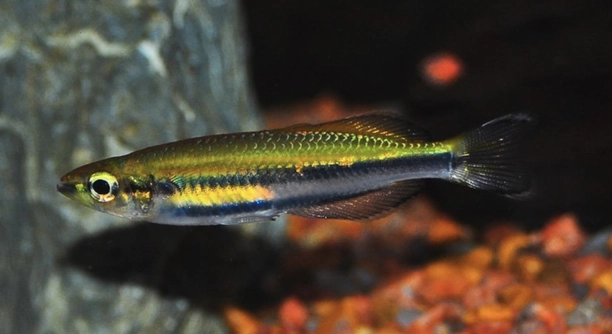
Healthy fish display bright colors, active swimming patterns, and normal feeding behaviors. Their fins are intact without signs of damage or clamping, and their bodies remain free of unusual spots, swelling, or lethargy, indicating proper growth and environmental adaptation.
Recognizing these traits can help you maintain a thriving aquarium and support the long-term health of your fish companions.
Vibrant Colors
A fish with vibrant colors is often a strong sign of good health. When a fish’s natural hues are bright and consistent, it usually indicates proper nutrition, clean water, and low stress levels. Faded or dull colors can signal illness, poor diet, or poor water quality. Maintaining stable water parameters, regular feeding, and a well-balanced diet help fish retain their vivid colors. Watching your fish regularly allows you to notice subtle changes in pigmentation. For example, a slight loss of brightness can be an early warning sign, prompting immediate action to prevent more serious health issues. It’s also common for some species to show more intense colors during feeding or when feeling secure in their environment, which is a positive sign that they are comfortable and thriving. Overall, color is an easy visual cue to assess a fish’s overall condition without intrusive checks.
Bright colors reflect both vitality and overall well-being, helping you quickly assess their health.
Observing color changes over time can reveal patterns linked to diet, stress, or water quality. Some fish naturally show seasonal color shifts, while others may respond to environmental enrichment or social interactions. For example, a fish in a well-planted tank may display richer shades compared to one in a bare environment. Similarly, consistent feeding with high-quality foods enhances coloration. Noticing gradual fading or blotches helps prevent health problems early. Color also indicates mood and readiness to breed in some species. By paying attention to these visual cues, you can make adjustments in care routines, ensuring optimal conditions. Regular monitoring allows for timely interventions like water changes, dietary supplements, or tank rearrangement, directly supporting your fish’s long-term health and happiness. A simple observation of color can become a powerful tool in maintaining a thriving aquarium.
Active Swimming
Active swimming is an important indicator of a fish’s health and comfort. Fish that swim energetically throughout the tank, exploring different levels and interacting with their environment, are usually healthy and well-adjusted. Lethargic or erratic swimming can suggest stress, disease, or poor water quality, which should be addressed promptly to prevent worsening conditions.
Consistent movement shows the fish’s physical strength, balance, and energy levels, confirming good health.
Watching your fish’s swimming patterns closely helps you understand their normal behavior. Healthy fish exhibit smooth, coordinated movements without sudden jerks, spinning, or floating at odd angles. Certain species have unique swimming styles, so knowing what is typical for your fish is essential. Environmental enrichment, such as plants, rocks, or hiding spots, encourages exploration and active movement. Feeding routines also influence activity; well-fed fish demonstrate eagerness and purposeful swimming, whereas hunger or poor nutrition may result in sluggishness. Additionally, active swimming improves circulation, digestion, and overall metabolism, contributing to longevity. Recognizing changes in swimming behavior early allows you to identify problems, adjust tank conditions, or provide medical attention if necessary. A lively, responsive fish is not only easier to observe and enjoy but also serves as a reliable indicator of a balanced and thriving aquarium environment.
Healthy Appetite
A fish that eats regularly and eagerly is a strong sign of good health. Refusing food or eating very little can indicate stress, illness, or poor water conditions, which should be addressed quickly to prevent further problems.
A consistent appetite shows the fish’s body is functioning well. Healthy fish will approach food as it is offered, showing interest and energy. Over time, observing feeding habits can reveal subtle changes in health. Some fish may prefer certain types of food, and meeting those preferences supports vitality. Appetite also reflects comfort in the tank; fish that feel safe are more likely to feed without hesitation. Regular feeding with varied, nutritious options promotes growth, coloration, and energy, contributing to long-term health and resilience against stress or disease.
Monitoring how fish respond to feeding helps you track health trends. Sudden changes in appetite often signal environmental or internal issues. Adjusting feeding schedules, checking water parameters, and ensuring high-quality foods can quickly restore normal eating behaviors. Appetite is a simple yet effective measure of a thriving fish.
Clear Eyes
Clear eyes are a visible indicator of a fish’s overall health. Cloudy, bulging, or sunken eyes can signal infections, poor water quality, or nutritional deficiencies that require immediate attention.
Healthy eyes reflect proper nutrition and a stable environment. Clear, bright eyes indicate that the fish is free from common eye diseases and that the tank conditions support proper physiological development. Cloudiness often develops from bacterial or fungal infections, while physical trauma can cause swelling. Monitoring eye clarity regularly allows you to detect problems early, ensuring timely treatment. Some species naturally have more prominent eyes, so knowing their normal appearance is important for accurate assessment. Proper diet, stable water temperature, and clean tanks all contribute to maintaining clear eyes, which correlates with overall well-being.
Eye condition also affects how fish navigate and interact with their environment. Impaired vision can lead to reduced feeding efficiency, difficulty avoiding obstacles, and increased stress. By maintaining ideal water conditions, observing for early signs of cloudiness, and providing nutrient-rich foods, you support both vision and general health. Healthy eyes are not only a sign of a thriving fish but also crucial for daily function, ensuring your fish remains active, alert, and comfortable in its habitat.
Smooth Scales
Smooth, intact scales are a key sign of a healthy fish. Damaged, raised, or missing scales can indicate injury, disease, or poor water conditions that need attention.
Shiny, even scales show proper nutrition and minimal stress. Fish with smooth scales are less likely to develop infections, and regular observation helps catch problems early before they worsen.
Responsive Behavior
A thriving fish reacts quickly to its surroundings and to feeding. Slow or unresponsive behavior may indicate illness or stress, requiring changes in care or environment.
Proper Fin Condition
Fins that are whole and spread naturally reflect good health. Torn, clamped, or frayed fins can signal infection, aggression, or poor water quality, and should be addressed promptly to maintain overall well-being.
How often should I check my fish for signs of thriving?
Regular observation is key to keeping fish healthy. Watching them daily allows you to notice changes in behavior, appetite, color, and swimming patterns. Small shifts can indicate stress or illness, so frequent monitoring helps prevent problems before they become serious. Even a few minutes each day spent observing your fish can give you valuable insight into their overall health. Checking water parameters alongside their behavior ensures you maintain a stable, supportive environment.
What are the first signs a fish might not be thriving?
Changes in color, appetite, or activity levels are the earliest warning signs. Dull or faded coloration can indicate poor nutrition or stress. Reduced appetite or refusal to eat often signals illness or discomfort in the tank. Erratic swimming, floating near the surface, or hiding constantly can suggest disease or environmental problems. Physical signs such as torn fins, raised scales, or cloudy eyes are also red flags. Catching these changes early allows for prompt intervention, such as adjusting water conditions, improving diet, or treating infections.
How important is water quality for a fish’s thriving?
Water quality is one of the most critical factors. Proper temperature, pH, and cleanliness directly affect metabolism, immune function, and behavior. Accumulation of toxins like ammonia or nitrites can quickly harm fish, leading to illness or death. Regular water changes, proper filtration, and monitoring of chemical levels create a safe and stable environment. Even small fluctuations in temperature or pH can stress fish, reducing their appetite and energy. Maintaining clean water also prevents fungal and bacterial infections. Investing time in water maintenance ensures a thriving, long-lived aquatic environment.
Can diet impact a fish’s ability to thrive?
Absolutely. A balanced diet provides essential nutrients for growth, coloration, and immune health. Feeding the right food for your species—whether flakes, pellets, frozen, or live—supports energy levels and proper development. Overfeeding can lead to water quality issues and obesity, while underfeeding causes malnutrition and weakness. Variety is important; mixing protein-rich foods with plant-based options ensures all nutritional needs are met. Paying attention to feeding behaviors helps identify potential health issues early. Fish that are well-fed show brighter colors, more active swimming, and consistent appetite.
Are tank decorations and space important for thriving fish?
Yes, the environment strongly influences behavior and stress levels. Plants, rocks, and hiding spots provide security and encourage natural exploration. Overcrowded tanks can cause aggression and limit movement, leading to poor health. Each species has different space requirements, so understanding their needs is essential. A comfortable environment reduces stress, supports social interactions, and allows fish to swim actively, which contributes to better circulation and metabolism. Regularly cleaning decorations and rearranging them slightly can also stimulate natural behaviors and prevent boredom, supporting mental and physical health.
How do I know if my fish’s behavior is normal?
Observing typical swimming patterns, feeding responses, and interactions with tank mates helps identify normal behavior. Fish that actively explore, respond to feeding, and interact without aggression are generally healthy. Sudden changes, such as lethargy, hiding excessively, or erratic swimming, signal potential problems. Some species have unique behavioral traits, so knowing their typical patterns is essential. Documenting daily observations can make it easier to detect small changes early. Normal behavior is a good overall indicator of thriving, combining physical health, comfort in the environment, and adequate nutrition.
Can stress affect a fish’s thriving?
Yes, stress significantly impacts health. Poor water quality, overcrowding, aggressive tank mates, or sudden changes in environment can elevate stress levels. Stressed fish may lose appetite, show dull colors, or develop disease more easily. Reducing stress involves stable water conditions, adequate space, hiding spots, and compatible tank mates. Even small adjustments, like maintaining a consistent light cycle or avoiding sudden loud noises near the tank, can improve comfort. Fish that are stress-free are more active, eat well, and display natural behaviors, which are all signs of thriving.
Is it possible to nurse a struggling fish back to health?
It is possible, depending on the issue and how quickly it’s addressed. Early detection of illness, injury, or stress allows for effective interventions. Adjusting water parameters, providing proper nutrition, and isolating sick fish when necessary can prevent further decline. Medications may be used for infections, but correct diagnosis is essential to avoid harm. Ensuring a calm, clean environment and careful observation of feeding and behavior support recovery. While not every situation can be reversed, attentive care often allows fish to regain strength, color, and normal activity, returning to a thriving state.
How can I encourage long-term thriving in my fish?
Consistency in care is essential. Regular feeding, water maintenance, and observation help prevent health issues. Creating an environment that mimics natural habitats, with appropriate space, decorations, and compatible tank mates, reduces stress. Providing varied and nutritious food supports growth, coloration, and immune health. Monitoring for early signs of illness and taking prompt action prevents minor problems from becoming severe. Over time, this attentive care fosters active, healthy, and vibrant fish that thrive for years. Patience and commitment are the most reliable ways to ensure long-term success in maintaining a thriving aquarium.
What are subtle signs that a fish is thriving?
Subtle signs include bright eyes, smooth scales, natural coloration, and consistent swimming patterns. Fish that respond quickly to feeding, explore the tank without hesitation, and interact appropriately with tank mates show good mental and physical health. Minor shifts in behavior or posture can indicate comfort or stress, so close observation is valuable. Thriving fish may also display natural breeding behaviors or seasonal color changes. Recognizing these small cues helps maintain optimal care, ensures well-being, and allows for early interventions if conditions change. Thriving is reflected in both appearance and behavior, requiring attention to detail.
This FAQ section provides a practical guide for understanding and maintaining fish health, covering key factors like appetite, behavior, environment, diet, and early warning signs. Close observation and consistent care are essential for long-term thriving.
Caring for fish requires attention to many small details that together create a healthy environment. Observing their behavior, appetite, and physical appearance helps determine if they are thriving. Bright colors, smooth scales, clear eyes, and proper fin condition are all visible signs of health. Active swimming and regular feeding habits indicate both physical and mental well-being. Paying attention to these traits allows you to respond quickly to any changes, preventing minor issues from developing into serious health problems. A stable environment and consistent care are essential for supporting your fish in every stage of life.
Maintaining proper water quality is one of the most important aspects of fish care. Regular water changes, filtration, and monitoring of temperature and chemical levels provide a safe environment for your fish. Poor water quality can quickly lead to stress, illness, or reduced appetite. Along with clean water, nutrition plays a key role in keeping fish healthy. Offering a varied and balanced diet ensures they get the nutrients needed for growth, coloration, and energy. Watching feeding behavior over time can reveal early signs of trouble, making diet both a preventive and diagnostic tool in maintaining a thriving aquarium.
Creating a comfortable and stimulating environment also contributes to overall well-being. Decorations, plants, and hiding spots allow fish to explore and express natural behaviors without feeling stressed. Overcrowding or incompatible tank mates can lead to aggression and limit movement, negatively affecting health. By understanding each species’ specific needs and observing their interactions, you can adjust the tank to keep all fish active and comfortable. Consistency in care, combined with careful observation and prompt action when problems arise, ensures that fish can thrive for years. Long-term success comes from patience, attention to detail, and maintaining a stable, supportive environment that meets both physical and behavioral needs.

Hello,
If you enjoy the content that we create, please consider saying a "Thank You!" by leaving a tip.
Every little bit helps us continue crafting quality advice that supports the health, happiness, and well-being of pets around the world, for pets of all shapes, sizes, and species.
We really appreciate the kindness and support that you show us!