
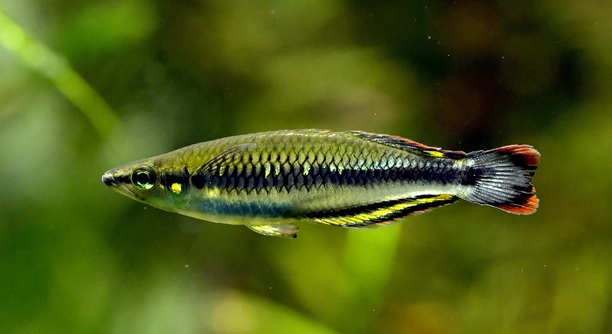
Rainbowfish are often admired for their vibrant colors and graceful movements in aquariums. Many owners enjoy watching them glide effortlessly, yet few realize the subtle ways these small fish interact with each other and their surroundings daily.
Recent studies indicate that rainbowfish exhibit advanced cognitive abilities compared to common assumptions. They demonstrate problem-solving skills, social learning, and environmental awareness, suggesting their intelligence is more complex than previously believed in ornamental fish species. These traits reflect adaptive behaviors in their natural habitats.
Observing their behavior closely can reveal surprising insights about their intelligence and social interactions in both home aquariums and the wild.
Understanding Rainbowfish Behavior
Watching rainbowfish interact is always fascinating. They are constantly moving, exploring, and responding to changes in their environment. Small behaviors, like shifting position when another fish approaches or quickly darting to avoid perceived threats, reveal more than just instinct. These fish communicate subtly, using body movements and color changes to signal intentions. Over time, patterns emerge that suggest memory and recognition of other fish. They also adapt to new surroundings, learning quickly where hiding spots and food sources are located. Observing these behaviors helps understand their intelligence and the complexity of their social interactions. Rainbowfish are not just visually appealing; they demonstrate problem-solving abilities and adaptability that many owners might overlook. Even minor environmental changes, such as rearranging plants or introducing objects, can trigger noticeable responses, showing they monitor their surroundings attentively. This awareness indicates a higher level of cognitive function than often credited to small aquarium fish, blending instinct with learned behavior in daily activities.
Their social interactions are complex and involve cooperation and competition within the group.
Rainbowfish also show preferences for specific areas in the tank. They remember where food is provided and adjust their movements accordingly. This indicates memory use and an ability to plan actions. Studies have shown that when introduced to new companions, they assess behaviors before engaging. They can recognize familiar fish and distinguish between different individuals. These observations suggest cognitive processing that goes beyond simple reactions. The way they navigate, choose mates, and respond to environmental changes highlights adaptability. In home aquariums, these behaviors are easier to notice when conditions are consistent. Their intelligence manifests subtly, making them intriguing to watch and understand over time.
Problem-Solving Abilities
Rainbowfish approach obstacles with curiosity and patience. They investigate unfamiliar objects and adapt strategies to access food or shelter.
When presented with challenges, rainbowfish demonstrate learning through trial and error. They can manipulate small items in the tank to reach desired locations or food. These fish observe each other and mimic successful techniques, indicating social learning. Their responses to obstacles are not random; they show deliberate choices based on past experiences and observation. In experiments, rainbowfish quickly adapted to changes in feeding patterns or introduced barriers. This ability to solve problems, even simple ones, requires memory, focus, and a level of cognitive flexibility. They can switch strategies when one approach fails, rather than repeating ineffective actions. Such behavior underscores intelligence often underestimated in small aquarium species. Observing rainbowfish interact with their environment can reveal a surprising depth of thought. Even seemingly minor adjustments, like maneuvering around plants or following patterns of light, demonstrate decision-making skills. These abilities contribute to their survival in the wild and adaptability in captivity, emphasizing that their colorful appearance does not define the limits of their mental capacity.
Learning From Their Environment
Rainbowfish adjust quickly to changes in their tank setup. They notice new plants, objects, and light patterns, adapting their swimming paths and routines accordingly.
They explore every corner when something changes, testing their surroundings carefully. Over time, they remember safe spots and hiding places. This ability to learn from repeated exposure shows memory and adaptability. When new objects are introduced, they investigate cautiously, retreating if startled but returning once they feel safe. Observing these patterns reveals that their intelligence involves both environmental awareness and social learning. They do not rely solely on instinct; their actions are influenced by previous experiences.
Rainbowfish also use visual cues to make decisions about where to swim or hide. Color changes in tankmates or the presence of food can trigger calculated responses. They balance curiosity with caution, demonstrating judgment and selective attention. Their capacity to respond appropriately in different scenarios indicates problem-solving skills that go beyond basic instincts, making them more complex than often assumed.
Social Intelligence
Rainbowfish recognize and remember individual companions within their group. Social structure influences interactions, feeding, and movement patterns.
They observe and respond to the behavior of tankmates, avoiding aggression and forming small hierarchies. Dominant fish may take the lead in certain areas, while others adapt by following or keeping distance. This social learning allows them to reduce conflict and cooperate when necessary. Communication through body language, swimming speed, and subtle color shifts maintains balance within the group. Observing these interactions provides insight into their ability to process social information and act strategically.
Social intelligence extends to how rainbowfish handle newcomers. They assess unfamiliar fish by observing their movements and reactions before fully interacting. Those that demonstrate threatening or unpredictable behavior are avoided, while calmer individuals are gradually accepted. This selective approach shows memory, recognition, and decision-making skills. They also learn from observing the consequences of others’ actions, applying those lessons to future interactions. Over time, these behaviors create a stable environment where fish coexist with minimal stress, highlighting intelligence that relies on observation, experience, and adaptation rather than instinct alone.
Memory and Recognition
Rainbowfish remember locations of food and hiding spots. They can distinguish familiar tankmates from newcomers, adjusting their behavior accordingly.
They also recall past experiences, such as which areas feel safe or which companions are more dominant. This memory helps them navigate their environment efficiently and avoid potential threats.
Feeding Strategies
Rainbowfish display varied feeding behaviors. They watch where others find food and follow successful strategies to increase their chances of a meal. Over time, they learn to anticipate feeding routines and adapt their approach. This shows planning, observation, and decision-making beyond simple instinct, reflecting their ability to learn and respond strategically.
Adapting to Change
They react quickly to new objects, rearranged plants, or changes in water conditions. Their responses are cautious yet deliberate.
FAQ
How smart are rainbowfish compared to other aquarium fish?
Rainbowfish are considered above average in intelligence among small aquarium species. They demonstrate memory, problem-solving, and social learning, which allows them to adapt quickly to new environments and recognize individual tankmates. Their behaviors suggest they process information rather than act purely on instinct.
Can rainbowfish learn from each other?
Yes, rainbowfish observe and mimic behaviors of their tankmates. If one fish discovers a food source or navigates a new obstacle successfully, others often follow the same strategy. This social learning helps them survive and thrive in both captivity and the wild.
Do rainbowfish have good memory?
Rainbowfish show strong spatial and social memory. They remember locations of food, hiding spots, and potential threats. They can also recognize other fish they interact with regularly, which influences social hierarchy and group behavior within the tank.
How do rainbowfish solve problems?
Rainbowfish approach challenges like unfamiliar objects or barriers through trial and error. They adjust their movements and strategies, learning which actions are effective. Over time, they show the ability to plan and choose actions based on past experiences, demonstrating cognitive flexibility.
Are rainbowfish aware of their surroundings?
Rainbowfish are highly observant. They monitor changes in lighting, plants, and objects, responding cautiously at first and adapting as they gain familiarity. This awareness helps them avoid threats and find resources efficiently, reflecting a level of intelligence often underestimated in small fish.
Do rainbowfish communicate with each other?
Yes, rainbowfish use subtle signals to communicate. Body movements, swimming patterns, and minor color shifts indicate intentions, alerting tankmates to danger, dominance, or readiness to feed. This communication helps maintain social harmony and reduces conflict within the group.
Can rainbowfish remember feeding schedules?
Rainbowfish quickly learn feeding routines. They anticipate when and where food will appear, adjusting their behavior accordingly. This ability shows time perception, learning, and adaptability, allowing them to optimize energy use and improve survival chances in a controlled environment.
Do rainbowfish show preferences for certain tankmates?
They recognize and remember individual fish, preferring to interact with familiar, non-aggressive companions. Fish that display threatening behaviors are avoided until deemed safe. These preferences demonstrate selective social interactions and decision-making based on prior observations.
How do rainbowfish react to new tank environments?
Rainbowfish explore cautiously but efficiently when introduced to new tanks. They investigate hiding spots, feeding areas, and novel objects, gradually building familiarity. Their behavior balances curiosity with caution, showing cognitive processing and adaptation rather than random movement.
Can rainbowfish recognize threats?
Yes, rainbowfish detect potential threats and adjust their behavior. They use visual cues, changes in tankmate behavior, or sudden environmental shifts to respond appropriately. Avoidance strategies and hiding demonstrate a combination of memory, awareness, and learning, highlighting their intelligence.
Do rainbowfish have problem-solving abilities beyond feeding?
Rainbowfish also navigate obstacles, find shelter, and choose safe swimming paths. Their ability to adapt to changes in their environment or social group reflects flexible thinking and decision-making skills, indicating intelligence that goes beyond simple instinctual responses.
Are rainbowfish capable of social learning over time?
Over repeated interactions, rainbowfish learn from both successes and mistakes of tankmates. They remember outcomes, adjust strategies, and apply lessons in future situations. This long-term social learning shows advanced cognitive abilities and awareness of their surroundings.
How do rainbowfish show curiosity?
Rainbowfish investigate new objects, plants, or changes in their environment. Their curiosity is balanced with caution, allowing them to explore safely. Observing how they interact with these changes reveals memory, decision-making, and intelligence in assessing risk and opportunity.
Do rainbowfish adapt to stress or changes in the tank?
They respond to stressors, like sudden movement or water changes, by seeking shelter or altering swimming patterns. Over time, they learn which behaviors reduce stress and can adjust routines, demonstrating adaptability and cognitive processing rather than purely instinctual responses.
Can rainbowfish recognize patterns?
Rainbowfish detect patterns in feeding, tankmate behavior, and environmental changes. They use this information to predict outcomes, optimize movement, and interact strategically. Recognizing and responding to patterns reflects learning, memory, and problem-solving abilities in their daily behavior.
Do rainbowfish prefer consistent environments?
They thrive in stable conditions but can adapt to gradual changes. Consistency helps them learn and remember, while controlled variations encourage problem-solving and environmental awareness, highlighting intelligence in navigating both familiar and new surroundings.
How do rainbowfish handle competition?
Rainbowfish manage competition by observing and adjusting behavior. They may defer to dominant fish, choose alternative food sources, or find safe swimming zones. These strategies require awareness, memory, and decision-making, showing social intelligence within the group.
Can rainbowfish learn from human interaction?
Rainbowfish can recognize patterns associated with feeding from humans, responding to movements or gestures. While they do not interact socially with humans like mammals, they show memory, recognition, and learning, adapting their behavior to optimize food access.
Do rainbowfish use memory in mating or reproduction?
Rainbowfish remember compatible partners and courtship behaviors. They display selective interaction with preferred mates, influenced by past encounters. This demonstrates cognitive involvement in reproductive strategies and choice, reflecting intelligence that supports survival and species continuation.
Are rainbowfish more intelligent than people assume?
Yes, rainbowfish show memory, social learning, problem-solving, environmental awareness, and adaptability. Their small size and delicate appearance often lead to underestimation, but observing them carefully reveals complex behaviors and cognitive abilities that rival other small aquarium species.
How can owners encourage mental stimulation?
Providing varied environments, safe obstacles, and opportunities for exploration helps rainbowfish develop problem-solving and memory skills. Observing interactions and subtle responses to changes can enhance understanding of their intelligence and support their well-being.
Final Thoughts
Rainbowfish are often admired for their bright colors and graceful swimming, but their intelligence is frequently overlooked. Observing them closely reveals that they do more than simply move around a tank. They notice changes in their surroundings, remember locations of food and shelter, and respond thoughtfully to new situations. These small fish show awareness of their environment and adapt their behavior based on past experiences. For instance, they may approach a new plant cautiously at first but return once it seems safe. This shows not only memory but also a willingness to explore and assess risks. Their adaptability is a key sign of intelligence, reflecting an ability to process information and respond effectively rather than relying solely on instinct.
Social interactions are another area where rainbowfish demonstrate cognitive skills. They recognize individual tankmates and adjust their behavior based on familiarity, dominance, or perceived threats. Subtle signals, like swimming patterns, body posture, or small color changes, help them communicate and maintain harmony within the group. They can observe others and learn from their actions, applying these lessons in future situations. For example, if one fish discovers a safe hiding spot or a new food source, others often follow the same approach. This type of social learning shows memory, awareness, and problem-solving, which are rarely expected in small ornamental fish. Their ability to navigate complex social structures highlights intelligence that goes beyond simple instincts, making them more intriguing than many realize.
Caring for rainbowfish provides a unique opportunity to witness these behaviors firsthand. Creating an environment that encourages exploration, problem-solving, and safe social interactions can help owners understand and appreciate their intelligence. Observing their responses to changes, interactions with tankmates, and approaches to feeding or obstacles reveals a level of cognitive ability that may surprise many. Even small adjustments, such as adding new plants or rearranging objects, can trigger noticeable responses, demonstrating learning and adaptation. Rainbowfish are more than just decorative aquarium fish; they are capable of memory, social awareness, and environmental understanding. Recognizing these traits allows for better care and appreciation, showing that intelligence comes in many forms, even in small, colorful species that often appear simple at first glance.

Hello,
If you enjoy the content that we create, please consider saying a "Thank You!" by leaving a tip.
Every little bit helps us continue crafting quality advice that supports the health, happiness, and well-being of pets around the world, for pets of all shapes, sizes, and species.
We really appreciate the kindness and support that you show us!