
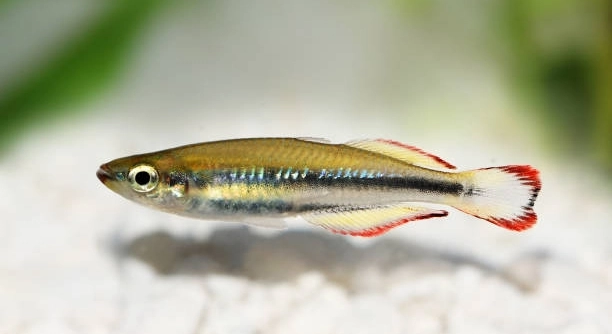
Many fish species naturally form groups as a defense mechanism and to improve their chances of finding food. Observing schooling behavior can be fascinating, yet encouraging this instinct in captivity requires understanding their natural tendencies and environment.
Providing the right environment, consistent feeding schedules, and visual or chemical cues can significantly promote schooling behavior. Maintaining appropriate tank size, water quality, and compatible species also supports cohesion, encouraging fish to swim together more naturally and consistently over time.
Applying these simple strategies can improve your aquarium’s harmony and create a visually engaging, healthy environment for your fish to thrive.
Create a Comfortable Environment
Fish are more likely to form schools when their environment feels safe and stable. Start by providing plenty of hiding spaces, such as plants, rocks, or decorations, to reduce stress. Avoid overcrowding the tank, as too many fish can cause tension and disrupt schooling patterns. Proper lighting is also important, as it influences their activity levels and overall comfort. Consistent water temperature and filtration help maintain a stable environment, which encourages natural behavior. Observing the fish closely allows you to identify areas that may need adjustments, such as adding cover or rearranging decorations to reduce open, exposed spaces. Slowly introducing new fish of similar size and temperament can help maintain harmony and prevent bullying. Over time, fish adapt to the setting, and their movements become more synchronized. Patience is key, as sudden changes can cause disruption, making schooling less consistent.
Maintaining a stress-free tank with proper hiding spots helps fish feel secure, which naturally encourages them to school together.
A comfortable environment not only reduces stress but also strengthens social cohesion. When fish have space to explore safely and consistently stable conditions, they are more likely to exhibit natural schooling patterns. Observing their interactions can help determine if adjustments are needed to improve group behavior.
Consistent Feeding Schedule
Providing food at the same time each day trains fish to gather and swim together predictably.
Feeding at regular intervals encourages routine behavior, which reinforces schooling.
A consistent feeding schedule signals to fish when it is time to eat, prompting them to move as a group. Over time, this predictability helps them form tighter schools, as they anticipate feeding and respond collectively. Using the same feeding spots or distributing food evenly encourages all fish to participate, reducing competition and promoting synchronization. Observing the group during feeding can also reveal social dynamics, allowing adjustments to maintain balance. Fish that are well-fed and healthy are more likely to display natural behaviors, including schooling, and less likely to become aggressive or isolated. By keeping feeding consistent, the tank becomes a more structured environment, supporting cohesion and cooperation among all the fish present.
Use Visual Cues
Bright colors or reflective surfaces can help fish recognize each other and maintain group formation.
Visual cues are important for schooling because fish rely on sight to coordinate movements. Placing decorations strategically and avoiding overly dark or cluttered areas ensures that each fish can see its companions clearly. Fish that can easily spot each other tend to swim in sync and maintain tighter formations. Observing their responses to changes in the tank can help determine whether visual adjustments are needed to improve cohesion.
Introducing mirrors or gentle water flow can enhance visual signals, prompting fish to follow each other naturally. Adjusting lighting to highlight movement without stressing the fish also supports synchronized swimming. Fish are more likely to respond to subtle cues when they feel safe and can see the group clearly, strengthening schooling behavior over time.
Encourage Group Interaction
Fish naturally follow peers, so keeping species together supports social behavior and coordination.
Grouping compatible species encourages interaction and strengthens cohesion. Ensuring similar size and temperament reduces conflict and promotes synchronized swimming. Fish that feel comfortable with companions are more likely to form schools consistently. Observing their behavior can guide adjustments in group composition or tank layout to enhance interaction.
Providing open swimming areas and avoiding sudden disturbances helps maintain group stability. Fish that are free to move together without stress or obstruction display stronger social bonds. Encouraging interaction through careful arrangement and consistent routines reinforces schooling behavior naturally. Over time, the group becomes more coordinated, moving as a unit and responding collectively to environmental changes, feeding, or gentle stimuli in the tank.
Maintain Proper Tank Size
A spacious tank allows fish to swim freely and form natural schools. Crowded conditions cause stress and disrupt group behavior.
Providing enough space for movement reduces aggression and encourages synchronization. Fish in larger tanks can follow each other easily and maintain cohesive patterns.
Monitor Water Quality
Stable water conditions are essential for healthy schooling behavior. Regular testing prevents sudden changes that may stress fish. Temperature, pH, and ammonia levels should remain consistent to support natural activity.
Introduce Compatible Species
Selecting fish with similar size and temperament reduces conflicts. Compatibility ensures the group can school without interruptions or bullying, maintaining a harmonious tank environment.
Minimize Sudden Disturbances
Avoid rapid changes in lighting, noise, or tank placement. Sudden disturbances can cause panic and break up established schools, making fish feel unsafe and scattered.
FAQ
How long does it take for fish to start schooling?
The time it takes for fish to form schools varies depending on species, tank conditions, and group size. Some fish may begin swimming together within a few days if the environment is stable and stress-free. Others may take weeks to develop synchronized movement. Consistency in water conditions, feeding routines, and minimal disturbances helps fish feel secure and more likely to school naturally. Observing them regularly allows adjustments to tank layout or group composition to encourage cohesion. Patience is key, as forcing interaction can lead to stress and disrupt social bonds.
Can any fish species be trained to school?
Not all fish are naturally inclined to school. Species such as tetras, danios, and rasboras are more likely to display schooling behavior. Fish that are territorial or solitary may never form tight groups, even in ideal conditions. Selecting species known for social cohesion increases the likelihood of successful schooling. Tank size, compatible companions, and environmental enrichment also influence their behavior. It’s important to respect natural tendencies, as forcing schooling can cause stress and aggression. Observing each species’ behavior and adjusting the environment to encourage natural movement is a practical way to promote schooling without causing harm.
What are the signs that fish are stressed?
Stress in fish can manifest through erratic swimming, hiding excessively, loss of appetite, or fading colors. Crowding, poor water quality, incompatible tank mates, or sudden changes in lighting and temperature are common stress factors. Stressed fish may avoid the group or isolate themselves, which interrupts schooling behavior. Monitoring behavior regularly helps detect early signs of stress. Adjusting the tank environment, ensuring proper nutrition, and maintaining stable water conditions are effective ways to reduce stress and support natural schooling. Healthy, comfortable fish are more likely to move together consistently and display coordinated patterns.
How often should I feed fish to encourage schooling?
Feeding on a consistent schedule encourages predictable behavior, which supports schooling. Most fish thrive on one or two feedings per day, depending on species and tank population. Providing food at the same time and location trains them to gather as a group. Overfeeding can lead to water quality issues, while underfeeding may cause competition and disrupt group cohesion. Observing their response to feeding helps determine the right frequency and amount. Consistency builds routine, allowing fish to anticipate feeding and swim together, strengthening the natural schooling instinct.
Does tank decoration affect schooling behavior?
Yes, tank layout significantly influences how fish move and interact. Open swimming areas allow fish to follow each other and maintain group cohesion. Hiding spots reduce stress and give shy fish security, making them more likely to join the school. Avoid overly cluttered or dark areas that prevent visibility, as fish rely on sight to coordinate movement. Mirrors, gentle water flow, or strategically placed decorations can enhance visual cues, encouraging synchronized swimming. Observing how fish respond to changes in the tank helps identify adjustments to optimize schooling behavior. Proper decoration balances security and visibility.
Can new fish disrupt an established school?
Introducing new fish can temporarily break up schooling behavior, especially if the newcomers differ in size or temperament. Gradual acclimation, quarantine, and careful selection of compatible species reduce disruption. Introducing fish slowly allows the group to adjust and re-establish cohesion. Observing interactions ensures no aggression or bullying occurs, maintaining a peaceful environment. New additions should match existing fish in activity level, size, and temperament to preserve the school’s natural formation. Over time, fish adapt to each other and schooling behavior resumes naturally. Patience and careful monitoring are essential during this adjustment period.
What role does water temperature play in schooling?
Water temperature affects metabolism, activity level, and swimming patterns. Fish are more likely to school when the temperature is within their optimal range. Sudden fluctuations can stress fish, causing erratic movement or isolation. Consistent heating and monitoring ensure that all fish are comfortable, supporting synchronized swimming. Temperature should be stable, with gradual adjustments if needed. Maintaining a suitable range for the species promotes natural behavior, encourages cohesion, and reduces stress that might prevent schooling. Temperature stability is as important as water quality and feeding routines in maintaining healthy social dynamics.
Are there signs that schooling is not happening correctly?
If fish are scattered, swimming alone, or showing aggression, schooling may be disrupted. Poor water quality, incompatible species, overcrowding, or stress can prevent coordinated movement. Observing patterns helps identify issues, such as hesitant fish or frequent separation. Adjusting environmental factors, group composition, and feeding routines can restore natural schooling. A healthy school moves together smoothly, responds to cues, and maintains group cohesion. Detecting and addressing problems early ensures fish remain comfortable, stress-free, and display the synchronized behavior typical of their species.
Final Thoughts
Encouraging schooling behavior in fish requires understanding their natural instincts and providing an environment that supports their social needs. Fish are instinctively drawn to form groups for protection, navigation, and feeding efficiency. By replicating conditions similar to their natural habitat, such as stable water quality, adequate space, and compatible companions, it becomes easier for fish to feel secure and display natural schooling patterns. Small details, like consistent lighting, hiding spots, and gentle water flow, contribute to their sense of safety, which in turn promotes group cohesion. Observing fish regularly helps identify behaviors that indicate comfort or stress, allowing adjustments that improve schooling over time. The process may require patience, as fish need time to adapt to new tanks, companions, or environmental changes.
Maintaining proper feeding schedules and tank conditions is crucial for fostering synchronized swimming. Feeding at predictable times encourages fish to move together and anticipate group activity, reinforcing schooling instincts. A well-planned feeding routine combined with clean, stable water conditions reduces stress and promotes regular interaction among the fish. Tank size also plays a significant role in schooling behavior. Crowded tanks limit movement, while spacious tanks allow fish to swim freely and coordinate their movements. Using compatible species of similar size and temperament prevents aggression, ensuring that all fish participate in the school without conflict. Visual cues, such as bright colors or reflective surfaces, help fish recognize each other and maintain group coordination. Gradual introductions of new fish, careful observation, and minor environmental adjustments further support healthy schooling behavior.
Creating a harmonious tank environment benefits both the fish and the overall appearance of the aquarium. When fish school naturally, it not only indicates that they are comfortable and stress-free but also enhances the visual appeal of the tank. Healthy, synchronized movement is a sign that the social and environmental needs of the fish are being met. Paying attention to small factors, like water temperature, filtration, and consistent routines, can make a noticeable difference in how well fish interact as a group. Encouraging schooling behavior takes patience, observation, and thoughtful care, but the results are rewarding. A well-maintained, stress-free environment allows fish to thrive, swim together naturally, and display behaviors that reflect their instincts in a healthy and balanced way.

Hello,
If you enjoy the content that we create, please consider saying a "Thank You!" by leaving a tip.
Every little bit helps us continue crafting quality advice that supports the health, happiness, and well-being of pets around the world, for pets of all shapes, sizes, and species.
We really appreciate the kindness and support that you show us!