
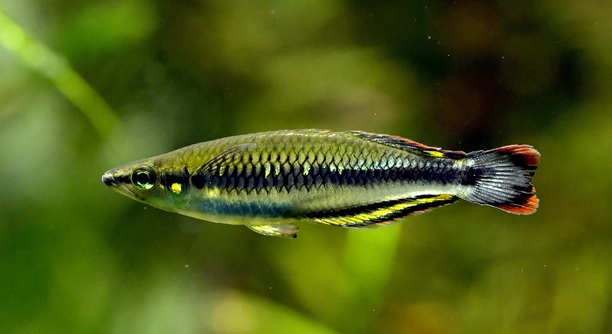
Rainbowfish are popular for their bright colors and active behavior, but they are sensitive to changes in their environment. Stress can affect their health and behavior, sometimes showing subtle signs that are easy to miss.
Early stress symptoms in rainbowfish include changes in swimming patterns, loss of appetite, faded coloration, rapid gill movement, hiding more frequently, frayed fins, and unusual aggression. Recognizing these signs early allows for timely intervention and improved overall well-being.
Monitoring these signals is crucial for maintaining a healthy aquarium. Identifying stress early helps ensure your rainbowfish remain vibrant and active in their habitat.
Changes in Swimming Patterns
When rainbowfish are stressed, one of the first signs you may notice is a change in their swimming behavior. They may swim erratically, dart quickly across the tank, or remain near the bottom or surface for long periods. Some fish may cling to decorations or corners more than usual. Observing their usual swimming patterns helps you detect these subtle changes. Stress can be caused by sudden changes in water temperature, aggressive tank mates, or overcrowding. Even small disturbances, like moving objects near the tank, can trigger anxiety in these sensitive fish. Keeping a consistent environment and monitoring their behavior daily can prevent prolonged stress, which may lead to illness or weakened immunity. Being aware of how your rainbowfish normally move allows you to spot unusual activity early and take the necessary steps to restore calm and stability in the tank. Adjustments to water quality and tank setup often resolve minor stress behaviors quickly.
Erratic swimming, hiding, or lingering at the surface are clear indicators of stress in rainbowfish. Observation is key.
Addressing these behaviors requires careful attention to tank conditions. Ensuring clean water, balanced temperature, and compatible tank mates can reduce stress significantly. Regular observation helps catch problems before they escalate, supporting a healthier environment for your rainbowfish. Consistent feeding schedules and gentle handling also improve their sense of security, reducing erratic movements. Small changes in the tank setup, like adding plants or hiding spots, provide comfort and reduce anxiety. Avoid sudden loud noises or tapping on the glass, as these can exacerbate stress.
Loss of Appetite
A stressed rainbowfish often eats less or refuses food entirely.
Reduced feeding can be caused by environmental stressors, illness, or conflict within the tank. When fish stop eating, they lose energy and are more vulnerable to disease. Maintaining water quality, observing tank dynamics, and offering favorite foods can encourage feeding.
Monitoring appetite is crucial for health. Over time, consistent refusal to eat indicates chronic stress, which may require interventions such as adjusting tank conditions, reducing overcrowding, or temporarily separating aggressive fish. Even minor improvements in environment can restore normal feeding behavior, keeping rainbowfish vibrant and active. Regular feeding schedules help reinforce comfort, and introducing a variety of food options may stimulate interest in eating. Observing how quickly fish respond to feeding times also offers insight into their overall stress levels. Ensuring proper nutrition supports immune function, color retention, and natural behavior, allowing rainbowfish to thrive in their habitat. Paying attention to these subtle cues allows for timely action before stress impacts long-term health.
Faded Coloration
Stress often causes rainbowfish to lose their vibrant colors. Their bright scales may appear dull or washed out, signaling discomfort or poor health.
Color loss is usually linked to environmental stressors, such as poor water quality, sudden temperature changes, or inappropriate lighting. Fish rely on stable conditions to maintain their natural hues, and even minor fluctuations can trigger fading. Nutritional deficiencies also contribute to dull coloration, as rainbowfish require a balanced diet rich in vitamins and carotenoids. Addressing these issues promptly can restore vibrancy, while neglecting them may result in prolonged stress and weakened immunity. Observing color changes alongside other behaviors helps identify the underlying cause.
To support color restoration, ensure consistent water parameters, provide a varied diet, and avoid overcrowding. Adding plants or shaded areas can reduce stress and create a comfortable environment, encouraging natural pigmentation. Regular monitoring of the tank prevents long-term fading and keeps rainbowfish healthy and visually striking.
Rapid Gill Movement
Rapid gill movement indicates that a rainbowfish is experiencing stress or difficulty breathing. This can occur when oxygen levels are low or water quality is poor.
Frequent or fast gill movements may be caused by high ammonia or nitrite levels, insufficient aeration, or sudden changes in temperature. Observing gill motion can help detect issues before they become serious. Stress from aggressive tank mates or overcrowding can also increase respiration rates. Ensuring proper filtration and aeration is essential for maintaining healthy oxygen levels. Sudden noises, vibrations, or strong water currents may exacerbate rapid gill movement, so keeping the tank environment calm is important for overall well-being.
Monitoring gill activity regularly allows early detection of stress-related problems. Providing a well-maintained tank with stable parameters, gentle water flow, and adequate hiding spots reduces anxiety and promotes normal breathing. Consistent feeding and a balanced diet further support overall health, helping rainbowfish maintain steady gill movement and optimal energy levels.
Hiding More Frequently
When rainbowfish spend more time hiding, it is often a sign of stress. They may retreat behind decorations, plants, or corners of the tank to feel secure and avoid perceived threats.
Hiding behavior can result from aggressive tank mates, sudden environmental changes, or insufficient space. Providing shelters and maintaining a calm environment helps them feel safe.
Frayed Fins
Frayed or torn fins indicate that stress or aggression is affecting your rainbowfish. Fin damage may occur from fighting, rough surfaces, or poor water conditions.
Maintaining clean water, monitoring interactions between fish, and offering ample hiding spaces can prevent further damage. Early attention allows fins to heal and reduces ongoing stress.
Unusual Aggression
Stress can make rainbowfish act aggressively toward other fish in the tank. This behavior is often out of character and sudden.
Aggression may stem from overcrowding, competition for food, or territorial disputes. Observing interactions and separating aggressive individuals when necessary helps restore balance and reduce stress in the aquarium.
How can I prevent stress in my rainbowfish?
Maintaining stable water conditions is the most effective way to prevent stress. Regular testing for pH, ammonia, nitrite, and nitrate levels ensures the tank remains healthy. Temperature fluctuations should be minimized, keeping the water within the species’ preferred range. Providing enough space, hiding spots, and decorations reduces anxiety. Avoid overcrowding and carefully select tank mates to prevent aggressive behavior. Consistent feeding schedules with a balanced diet help rainbowfish feel secure and supported. Gentle handling and avoiding sudden disturbances, such as loud noises or tapping on the glass, further reduce stress.
Why do rainbowfish suddenly hide more often?
Hiding is a natural response to stress or discomfort. Rainbowfish may retreat when they feel threatened by aggressive tank mates or sudden environmental changes. Poor water quality, inadequate space, or lack of shelters can also increase hiding behavior. Offering plants, rocks, and other safe areas provides comfort. Observing patterns of hiding can help identify the source of stress. Temporary separation of aggressive fish may also be necessary. Ensuring consistent tank maintenance, including clean water and proper temperature, supports a stable environment where rainbowfish feel safe and are less likely to hide excessively.
What should I do if my rainbowfish loses color?
Color loss usually signals stress or poor health. Check water parameters for imbalances and maintain consistent conditions. Poor diet can also affect pigmentation, so provide a variety of nutrient-rich foods. Reducing environmental stress, such as aggressive tank mates or overcrowding, helps rainbowfish regain their natural colors. Providing proper lighting and hiding spots also encourages comfort and restores vibrancy. Observing other behaviors alongside color changes, like swimming patterns and appetite, helps determine the underlying cause. Prompt attention to these factors ensures your fish return to their bright, healthy appearance.
How can I tell if rapid gill movement is serious?
Rapid gill movement can indicate stress or insufficient oxygen. Check water quality, including ammonia, nitrite, and oxygen levels, as poor conditions often trigger heavy breathing. Strong currents, temperature fluctuations, or overcrowding can worsen the problem. If rapid gill movement persists, consider improving aeration or separating affected fish. Observing overall behavior, including feeding and swimming, helps determine if this is temporary stress or a more serious issue. Maintaining consistent tank parameters, gentle water flow, and proper filtration reduces strain on rainbowfish and supports normal respiration.
Why does my rainbowfish show aggression suddenly?
Sudden aggression is often stress-related. Overcrowding, competition for food, or territorial disputes may trigger hostile behavior. Aggressive interactions can harm other fish and worsen stress levels. Monitoring the tank carefully and providing hiding spots or additional space reduces conflict. Separating aggressive individuals may be necessary until tensions settle. Stable water conditions and a calm environment support natural behavior and prevent repeated aggression. Observing feeding patterns and interactions daily helps identify triggers and maintain a balanced tank where rainbowfish can coexist peacefully.
When should I be concerned about stress symptoms?
Persistent or multiple signs of stress, such as faded color, hiding, frayed fins, or loss of appetite, indicate serious concern. Prolonged stress weakens the immune system, making fish more susceptible to disease. Immediate attention to water quality, tank setup, and social dynamics is crucial. Early intervention, including adjusting environmental factors and providing supportive care, helps rainbowfish recover. Consistent observation ensures that symptoms are not overlooked. Recognizing and addressing stress promptly preserves health, promotes vibrant behavior, and prevents long-term damage to your fish.
Can diet help reduce stress in rainbowfish?
Yes, a balanced diet supports health and reduces stress. Rainbowfish need a mix of high-quality flakes, pellets, and occasional live or frozen foods. Nutrient-rich foods enhance coloration, energy levels, and immune function. Consistent feeding schedules prevent competition and reduce anxiety. Introducing variety keeps them interested in eating and helps maintain overall well-being. Supplementing with vitamins or carotenoids may further support natural color and resilience. Proper nutrition complements environmental adjustments, providing a complete approach to preventing stress and maintaining a thriving, active aquarium.
How long does it take for rainbowfish to recover from stress?
Recovery depends on the severity of stress and the actions taken. Minor stress may resolve within a few days with proper water conditions and minimal disturbance. Severe or prolonged stress can take weeks to recover fully. Improving tank conditions, reducing aggression, providing hiding spots, and ensuring proper diet all contribute to faster recovery. Observing behavior daily helps track progress, and small, consistent adjustments are more effective than drastic changes. Patience is essential, as rainbowfish need time to regain natural color, appetite, and normal activity levels.
Are there signs that indicate chronic stress?
Chronic stress shows as persistent changes in behavior and health. Signs include constant hiding, loss of appetite, faded color, frayed fins, and repeated aggressive behavior. Continuous rapid gill movement or lethargy also signals long-term stress. Chronic stress weakens immunity and increases vulnerability to disease. Identifying patterns and addressing environmental or social causes is essential for recovery. Maintaining stable conditions, providing proper nutrition, and ensuring sufficient space and hiding areas help prevent chronic stress. Regular observation allows for early intervention before long-term effects damage overall health.
Rainbowfish are beautiful and active fish, but they are sensitive to changes in their environment. Stress can affect their behavior, health, and coloration, making it important to pay attention to early warning signs. Observing daily behavior, such as swimming patterns, appetite, and interactions with other fish, helps detect problems before they escalate. Even small changes in water quality, temperature, or tank setup can trigger stress, so consistent monitoring and maintenance are essential. Providing hiding spots, maintaining proper water conditions, and selecting compatible tank mates create a supportive environment for rainbowfish.
Addressing stress promptly ensures that rainbowfish remain healthy and vibrant. Faded colors, rapid gill movement, frayed fins, or unusual aggression are clear indicators that adjustments are needed. By maintaining a balanced diet, stable water conditions, and a calm environment, you can prevent many of these issues. Regular cleaning, testing water parameters, and avoiding sudden disturbances reduce the risk of prolonged stress. Observing subtle changes in behavior allows you to identify the source of stress quickly and make necessary corrections. Over time, these small actions help rainbowfish thrive and display their natural energy and coloration.
Understanding and responding to stress is a key part of responsible fishkeeping. Early recognition and proper intervention support both the physical and mental well-being of rainbowfish. Each fish may react differently, so patience and careful observation are important. By focusing on stable tank conditions, a nutritious diet, and a safe environment, you help rainbowfish maintain their natural behavior and beauty. Prioritizing these steps ensures a healthier, more comfortable life for your fish while reducing the chances of illness or chronic stress. Regular attention and proactive care create a balanced aquarium where rainbowfish can flourish for years.

Hello,
If you enjoy the content that we create, please consider saying a "Thank You!" by leaving a tip.
Every little bit helps us continue crafting quality advice that supports the health, happiness, and well-being of pets around the world, for pets of all shapes, sizes, and species.
We really appreciate the kindness and support that you show us!