
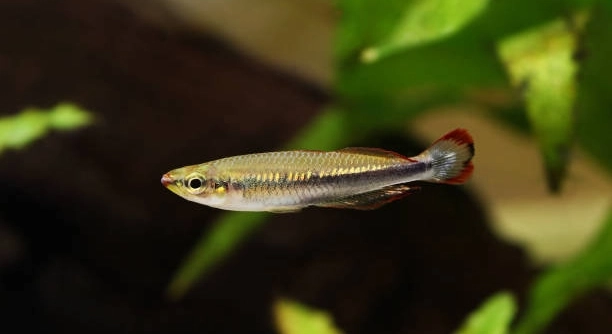
Do your rainbowfish seem less vibrant than usual, or do they hide in the corners of the tank more than you expect? Small changes in their environment can make a noticeable difference in their daily behavior.
Rainbowfish thrive when their tank environment meets specific conditions, including proper water temperature, balanced diet, suitable tank mates, sufficient hiding spaces, and regular maintenance. Implementing these adjustments can significantly enhance their well-being and overall happiness.
Improving the habitat of your rainbowfish is easier than it seems, and even minor changes can create a more active and colorful tank.
Maintain Proper Water Conditions
Rainbowfish are sensitive to changes in water quality. Regularly testing for pH, ammonia, nitrite, and nitrate levels ensures a stable environment. Ideal pH for most rainbowfish ranges from 6.5 to 7.5. Temperature should stay between 24–28°C (75–82°F), as fluctuations can stress the fish and reduce activity. Clean water is essential, so partial water changes of 20–25% weekly help remove toxins and maintain clarity. Using a reliable filter supports circulation and biological balance. Avoid overcrowding, as too many fish increase waste and strain the ecosystem. Adding live plants can further stabilize water chemistry while providing hiding spaces. Monitoring water parameters consistently prevents sudden shifts that can lead to illness or color fading. Even small adjustments, like topping off evaporated water with dechlorinated water, contribute to overall health. Observing your rainbowfish daily helps detect early signs of stress, such as clamped fins or reduced appetite. Maintaining proper water conditions is the foundation for their long-term happiness.
Regular water maintenance keeps rainbowfish healthy, active, and vibrant. Minor issues can be prevented before they escalate.
A stable water environment reduces stress and encourages natural behavior, including swimming patterns, social interaction, and feeding response. Healthier water also supports brighter colors, which are a sign of well-being. Consistent care allows your rainbowfish to live longer, more energetic lives, and makes the tank easier to manage overall. A tank with balanced conditions promotes growth and resilience against diseases, helping fish recover more quickly if problems arise. Additionally, stable water supports a healthy microbiome, which is crucial for digestion and immune function. By paying attention to water parameters and cleanliness, you ensure that your rainbowfish are comfortable and confident in their habitat. This creates a visually appealing, lively aquarium where each fish can thrive and display its natural charm.
Provide a Balanced Diet
Feeding rainbowfish a varied diet is essential for their health. Include high-quality flakes, frozen or live foods, and occasional vegetables.
A diverse diet ensures proper growth, vibrant coloration, and a strong immune system.
Rainbowfish benefit from both plant-based and protein-rich foods. Flake foods provide essential vitamins, while frozen or live options like brine shrimp or daphnia supply protein and encourage natural hunting behavior. Occasionally offering blanched spinach, zucchini, or peas adds fiber and nutrients, promoting digestion. Avoid overfeeding, as leftover food can pollute the water and cause stress. Feeding small amounts two to three times a day allows fish to consume everything without excess. Rotating food types prevents nutritional deficiencies and keeps the fish interested in feeding. Observing your rainbowfish during meals helps identify preferences and detect early signs of illness. Proper nutrition not only improves overall health but also enhances coloration, making the tank more visually appealing. By consistently providing a balanced diet, you support energy levels, growth, and a long, healthy life for each rainbowfish in the aquarium.
Provide Hiding Spots
Hiding places reduce stress and make rainbowfish feel secure. Include plants, rocks, or ornaments that allow them to retreat when needed.
Creating a variety of hiding spots is essential for rainbowfish comfort. Live plants, driftwood, and small caves offer safe spaces for resting or escaping aggressive tank mates. Dense vegetation helps shy individuals feel confident, while open areas allow more active fish to swim freely. Arranging décor to provide multiple layers and cover supports natural behavior, encouraging exploration and reducing conflicts. Regularly inspecting hiding areas ensures they remain safe, with no sharp edges or unstable structures that could harm the fish.
Hiding spots also support breeding behavior, as rainbowfish use secluded areas for laying eggs. They reduce stress-related behaviors like fin clamping or aggressive chasing, promoting peaceful tank dynamics. By observing which areas are preferred, you can adjust the layout to balance safety and open swimming space, creating a harmonious environment. A well-planned tank encourages natural coloration to emerge, as less stressed fish display more vibrant hues. Incorporating plants and decorations thoughtfully ensures each rainbowfish has a comfortable, secure, and stimulating habitat.
Maintain Compatible Tank Mates
Choosing compatible species prevents stress and aggression in rainbowfish. Avoid aggressive or fin-nipping fish that disrupt harmony.
Selecting peaceful tank mates ensures rainbowfish remain active and healthy. Avoid overcrowding, as it can increase competition for food and territory. Opt for species of similar size and temperament to reduce bullying or stress. Fast-moving or overly aggressive fish can intimidate rainbowfish, causing them to hide excessively. Schools of rainbowfish thrive best with companions that complement their social structure. Compatibility also minimizes injuries and disease transmission, supporting a stable environment. Monitoring interactions daily helps address issues early and maintain balance.
Balanced tank dynamics improve overall health and behavior. Compatible species encourage natural schooling, reducing anxiety and promoting active swimming. They also create visually appealing movement patterns, enhancing the aquarium’s aesthetic. By carefully selecting tank mates, you prevent dominance disputes and stress-induced color fading. This approach allows rainbowfish to thrive in a cooperative community, where each fish can display its natural personality. Long-term, compatibility promotes better growth, stronger immune systems, and a peaceful tank atmosphere that benefits all inhabitants.
Keep the Tank Clean
Regular cleaning prevents harmful buildup of waste and debris. Remove uneaten food and vacuum the substrate weekly.
Changing 20–25% of the water weekly maintains water quality and reduces stress. Filters should be cleaned carefully to avoid disrupting beneficial bacteria.
Maintain Proper Lighting
Consistent lighting supports natural behavior and coloration. Use a timer to provide 10–12 hours of light daily.
Rainbowfish respond to a stable light cycle, which helps regulate feeding and activity patterns. Too much light can cause algae growth, while too little can dull colors. Adjusting light gradually prevents sudden stress and mimics natural day-night rhythms.
Monitor Fish Health
Observe rainbowfish daily for changes in appetite, swimming, or coloration. Early detection of illness improves recovery.
Regular health checks help catch issues like fin rot, parasites, or unusual behavior before they worsen. Keeping a log of observations ensures trends are noticed over time, supporting timely interventions.
FAQ
How often should I feed my rainbowfish?
Rainbowfish should be fed two to three times daily in small amounts they can finish within a few minutes. Overfeeding leads to leftover food, which pollutes the water and can cause stress or illness. Rotating flake, frozen, and live foods ensures proper nutrition and maintains interest during feeding.
What is the ideal tank size for rainbowfish?
A minimum of 30 gallons is recommended for a small school of rainbowfish. Larger tanks allow for more swimming space and reduce aggression. Schools of six or more fish thrive better in tanks with ample room, decorations, and open swimming areas to support social behavior.
Can rainbowfish live with other species?
Yes, but only with peaceful, similarly sized fish. Avoid fin-nipping or aggressive species. Suitable tank mates include tetras, rasboras, and peaceful gouramis. Monitoring interactions helps prevent stress or injury, maintaining a healthy community tank.
How do I maintain water quality?
Test water regularly for pH, ammonia, nitrite, and nitrate levels. Maintain pH around 6.5–7.5 and temperature between 24–28°C. Perform weekly water changes of 20–25% and clean filters carefully to preserve beneficial bacteria. Live plants help stabilize water chemistry naturally.
Why are my rainbowfish hiding?
Hiding behavior often indicates stress or insecurity. Ensure the tank has sufficient plants, rocks, and caves for retreat. Overcrowding or aggressive tank mates can also cause hiding. Observing patterns helps determine if changes in environment or social dynamics are needed.
How do I encourage breeding?
Provide dense vegetation or spawning mops, maintain optimal water conditions, and feed a varied diet rich in live foods. Breeding pairs benefit from slightly cooler water changes to stimulate spawning. Remove adults after eggs are laid to prevent them from eating the fry.
What causes faded coloration?
Stress, poor diet, or inadequate lighting can dull colors. Ensure a balanced diet, stable water parameters, proper tank mates, and a consistent light cycle. Healthy, unstressed fish display brighter, more vibrant colors.
How long do rainbowfish live?
With proper care, rainbowfish typically live 5–8 years. Maintaining water quality, a balanced diet, and a stress-free environment supports longevity. Regular observation and prompt attention to health issues extend their lifespan.
How do I prevent disease?
Quarantine new fish before adding them to the main tank. Maintain stable water conditions and provide a varied diet. Regularly inspect fish for unusual behavior, discoloration, or spots, and treat promptly if issues arise. Good hygiene reduces the risk of outbreaks.
Can I keep rainbowfish alone?
Rainbowfish are schooling fish and do best in groups of six or more. Alone, they may become stressed, hide, or show dull coloration. A school encourages natural behavior, social interaction, and overall well-being.
How do I clean the tank without harming fish?
Use a gravel vacuum to remove debris from the substrate and perform partial water changes weekly. Avoid harsh chemicals or cleaning agents. Clean filters gently with tank water to preserve beneficial bacteria while removing buildup.
Why are my rainbowfish not eating?
Loss of appetite may indicate stress, illness, or improper water conditions. Check water parameters, tank mates, and diet variety. Observe fish for signs of disease or injury and address issues promptly to restore normal feeding behavior.
Is live or frozen food better than flakes?
Both are beneficial when balanced. Flakes provide essential vitamins, while frozen or live foods offer protein and encourage natural hunting behavior. Rotating types prevents nutritional gaps and keeps fish engaged during feeding.
How can I reduce aggression in the tank?
Provide hiding spots, maintain a proper school size, and avoid aggressive tank mates. Balanced nutrition and sufficient swimming space also minimize competition and stress-related behavior.
Do rainbowfish need a heater?
Yes, to maintain water between 24–28°C. Consistent temperature supports metabolism, activity, and immune function. Sudden fluctuations can stress fish, dull colors, and increase susceptibility to disease.
What is the best way to acclimate new rainbowfish?
Float the bag in the tank for 15–20 minutes to equalize temperature, then slowly mix tank water into the bag over 30–60 minutes. Finally, release the fish gently to reduce stress and shock.
How often should I test water?
Test at least weekly for ammonia, nitrites, nitrates, and pH. Frequent checks allow early detection of imbalances and prevent stress or illness. Recording results helps track trends over time.
Can rainbowfish tolerate a community tank with bottom dwellers?
Yes, peaceful bottom dwellers like Corydoras or small loaches usually coexist well. Ensure the bottom species does not disturb plants or substrate excessively, maintaining a stable environment for all inhabitants.
Why do rainbowfish jump?
Jumping often results from stress, poor water quality, or insufficient tank cover. Ensure a tight-fitting lid and stable environment. Observing triggers helps prevent injuries and maintains fish safety.
How do I know if my rainbowfish are stressed?
Signs include clamped fins, hiding, loss of appetite, faded colors, and erratic swimming. Identifying the cause, such as water issues or aggressive tank mates, allows timely adjustments to reduce stress.
What is the recommended schooling number?
A minimum of six rainbowfish is ideal. Larger groups promote social behavior, reduce aggression, and encourage active swimming. Smaller groups may become shy or stressed, limiting natural interactions.
How do I introduce new fish to an established tank?
Quarantine new fish first, then gradually acclimate them to temperature and water parameters. Introduce during calm periods to minimize territorial aggression. Observe interactions closely and provide additional hiding spaces if needed.
Can rainbowfish live in planted tanks?
Yes, live plants enhance water quality, provide hiding spots, and encourage natural behavior. Select species that tolerate similar water conditions and do not outcompete rainbowfish for space.
Do rainbowfish require special lighting?
Moderate, consistent lighting of 10–12 hours daily supports coloration, feeding, and activity. Use timers for stability and avoid sudden changes that can stress the fish. Proper lighting also helps plants thrive in a planted tank.
How often should I clean decorations and substrate?
Vacuum the substrate weekly and gently rinse decorations in tank water as needed. Avoid harsh chemicals. Regular cleaning prevents buildup of waste and algae, supporting healthy water conditions and fish well-being.
Is it necessary to trim plants in the tank?
Yes, regular trimming prevents overcrowding, improves water circulation, and maintains hiding spaces. Overgrown plants can limit swimming areas and contribute to debris buildup, affecting water quality.
How can I improve rainbowfish coloration naturally?
A varied diet, proper lighting, clean water, and low-stress environment enhance natural colors. Live foods and high-quality flakes provide nutrients for vibrant hues without artificial additives.
What signs indicate rainbowfish are comfortable?
Active swimming, bright colors, normal appetite, and occasional schooling indicate comfort. Fish exploring their environment and interacting socially are generally healthy and stress-free.
Can rainbowfish tolerate brackish water?
Rainbowfish are primarily freshwater species. Some species tolerate slight salinity, but most thrive best in clean, stable freshwater. Sudden salinity changes can cause stress and health issues.
How do I prevent algae growth?
Control lighting duration, avoid overfeeding, and maintain regular water changes. Introducing live plants competes with algae for nutrients, reducing overgrowth naturally. Moderate algae growth is normal and not harmful.
Should I feed fry differently than adult fish?
Yes, fry need smaller, frequent feedings with finely crushed flakes or specialized fry foods. Live foods like infusoria or baby brine shrimp support growth and development in young rainbowfish.
Is it necessary to rearrange the tank occasionally?
Occasional rearrangement can reduce territorial disputes and encourage exploration, but avoid frequent drastic changes. Small adjustments to decorations and plants help maintain stimulation without causing stress.
How do I identify male and female rainbowfish?
Males are usually more colorful and slightly larger, with pointed dorsal fins. Females are generally smaller, with duller coloration and rounded fins. Observing behavior during schooling and breeding can also indicate sex differences.
Can I keep different rainbowfish species together?
Yes, but choose species with similar size, temperament, and water requirements. Avoid combining highly aggressive or large species with smaller, peaceful ones to prevent stress and injury.
How do I prevent overpopulation?
Separate males and females if not breeding intentionally. Remove eggs or fry regularly and monitor breeding pairs to control population growth in the tank.
What is the best substrate for rainbowfish?
Fine gravel or sand is ideal. Smooth substrates prevent injury and support planting. Avoid sharp or coarse materials that can damage fins or encourage debris buildup.
How do I maintain oxygen levels in the tank?
Use a properly sized filter or air stone to ensure circulation and oxygenation. Avoid overcrowding and monitor surface agitation to maintain adequate dissolved oxygen.
Can rainbowfish tolerate cooler temperatures?
Temperatures below 22°C can stress most rainbowfish species. Maintaining 24–28°C supports metabolism, immune function, and activity. Sudden drops can cause illness or color fading.
How long should I quarantine new fish?
A minimum of two weeks is recommended. Observing behavior and health before introducing new fish prevents disease spread and allows early treatment if needed.
How do I prevent fin damage?
Avoid aggressive tank mates, sharp decorations, and overcrowding. Regular water maintenance and stress reduction also help maintain fin health.
Can rainbowfish coexist with shrimp or snails?
Yes, peaceful invertebrates like Amano shrimp, cherry shrimp, and snails usually coexist well. Ensure they have hiding spaces to avoid accidental predation.
What are common signs of illness?
Signs include lethargy, clamped fins, faded color, spots, unusual swimming, or loss of appetite. Early detection allows timely treatment and recovery.
How do I acclimate rainbowfish from a pet store?
Float the bag to equalize temperature, slowly mix tank water, and release gently. Observe closely for stress or illness after introduction.
Do rainbowfish need water softeners?
Not necessarily. Most rainbowfish prefer slightly soft to moderately hard water. Maintaining stable pH and hardness is more important than using chemical softeners.
How do I prevent jumping?
Provide a secure lid and stable water conditions. Avoid sudden disturbances and ensure tank mates are compatible to reduce stress-related jumping.
Can rainbowfish eat frozen vegetables?
Yes, blanched and frozen vegetables like peas or zucchini offer fiber and nutrients. They should be small enough for easy consumption and part of a balanced diet.
How often should I check filter media?
Inspect weekly and rinse in tank water when needed. Avoid replacing all media at once to preserve beneficial bacteria essential for biological filtration.
What is the best way to acclimate fry?
Gradually adjust water conditions, provide fine foods, and maintain stable water parameters. Frequent small feedings support growth and health in young rainbowfish.
How do I handle a sick fish?
Isolate the fish in a quarantine tank, identify the condition, and treat with appropriate medication. Maintain clean water and monitor closely until recovery.
Can rainbowfish tolerate varying light cycles?
They need consistent lighting of 10–12 hours daily. Sudden changes can stress fish, affect feeding, and reduce coloration. Gradual adjustments are safer if changes are needed.
How do I encourage schooling behavior?
Keep at least six rainbowfish together and provide open swimming space. Adequate tank size and peaceful tank mates support coordinated movement and social interaction.
Are there specific decorations rainbowfish prefer?
They thrive with plants, driftwood, rocks, and caves. Provide a mix of open swimming areas and hiding spots to encourage natural behavior and reduce stress.
How can I tell if water parameters are off?
Observe fish for stress signs like clamped fins, hiding, or erratic swimming. Test ammonia, nitrites, nitrates, pH, and temperature to identify issues early.
Do rainbowfish need supplemental vitamins?
A varied diet of flakes, live, and frozen foods generally provides necessary nutrients. Occasional supplementation can support coloration or recovery from illness if recommended.
How do I prevent aggression in mixed species tanks?
Select peaceful, similarly sized species, maintain hiding spots, and avoid overcrowding. Proper diet and tank size reduce competition and stress-related aggression.
Can rainbowfish tolerate tap water?
Yes, if treated to remove chlorine or chloramine and adjusted for pH. Testing water quality before adding fish ensures a safe environment.
Is it necessary to use a heater in tropical aquariums?
Yes, heaters maintain consistent temperatures required by rainbowfish for metabolism, immune function, and vibrant coloration. Sudden fluctuations can stress fish and lead to illness.
How do I choose the right filter?
Select a filter appropriate for tank size that provides mechanical, chemical, and biological filtration. Ensure flow is not too strong for rainbowfish comfort.
What is the best way to introduce new decorations?
Rinse thoroughly in tank water, avoid sharp edges, and place gradually to prevent stress or injury. Monitor fish behavior after changes.
How do I prevent overcrowding?
Calculate space based on fish size and school requirements. Avoid exceeding recommended tank capacity to reduce stress, aggression, and water quality issues.
Can rainbowfish tolerate low light conditions?
They can survive but may become less active and display duller colors. Moderate, consistent lighting is preferred for health and coloration.
How do I maintain tank temperature during seasonal changes?
Use a reliable heater and monitor daily. Avoid drafts, direct sunlight, or sudden temperature shifts to prevent stress. Stable water conditions support overall fish health.
Can rainbowfish live in unplanted tanks?
Yes, but adding plants provides hiding spaces, improves water quality, and encourages natural behavior. Open areas should still allow free swimming.
How do I know if the tank is too small?
Signs include stressed fish, aggression, faded colors, or limited swimming space. Adequate tank size supports social behavior, reduces stress, and promotes vibrant coloration.
Should I remove uneaten food immediately?
Yes, leftover food decomposes and affects water quality. Removing it promptly prevents ammonia spikes and supports a healthier environment for rainbowfish.
Can rainbowfish live in cold water?
No, temperatures below 22°C stress most species. Maintain 24–28°C for optimal activity, color, and immune function. Sudden drops can cause illness.
How do I prevent disease from new fish?
Quarantine for at least two weeks, observe behavior, and monitor health before introducing to the main tank. This reduces the risk of spreading infections.
Can rainbowfish tolerate brackish conditions?
Most prefer freshwater. Slight salinity is tolerated by some species, but consistent freshwater conditions are safest for long-term health.
How often should I prune plants?
Trim regularly to prevent overcrowding, improve circulation, and maintain open swimming spaces. Healthy plants contribute to water quality and fish comfort.
Do rainbowfish need a varied diet?
Yes, a mix of flakes, frozen, live foods, and occasional vegetables ensures proper nutrition, supports growth, and enhances coloration.
Can I mix different rainbowfish species?
Yes, if they have similar size, temperament, and water requirements. Avoid pairing aggressive or large species with smaller, peaceful ones.
How do I prevent jumping out of the tank?
Use a secure lid, maintain stable water conditions, and reduce stress by providing compatible tank mates and hiding spots.
How often should I monitor water parameters?
At least weekly. Regular testing for ammonia, nitrite, nitrate, pH, and temperature helps maintain a stable environment and prevent stress or illness.
Can rainbowfish coexist with goldfish?
No, goldfish produce high waste and prefer cooler water, making them incompatible with tropical rainbowfish requirements.
How do I encourage natural behavior?
Provide hiding spots, open swimming areas, compatible tank mates, proper diet, and stable water conditions to support schooling, foraging, and exploration.
Is it safe to use chemical water treatments?
Use only recommended doses and ensure compatibility with fish and plants. Overuse can disrupt water chemistry and harm beneficial bacteria.
How do I acclimate rainbowfish to a new tank?
Float the bag to equalize temperature, slowly mix tank water, and release gently. Observe closely for stress or illness afterward.
Can rainbowfish tolerate varying pH?
They prefer stable pH around 6.5–7.5. Sudden changes can cause stress, illness, or reduced coloration.
How do I maintain stable water hardness?
Monitor general and carbonate hardness regularly. Use additives only when necessary, and maintain consistency to prevent stress or health issues.
Are rainbowfish social animals?
Yes, they thrive in groups, display schooling behavior, and interact with tank mates. Social interaction supports activity, color vibrancy, and overall well-being.
How often should I check for algae?
Weekly inspection helps control growth. Remove excess algae manually and adjust lighting or nutrient levels to maintain balance.
Can rainbowfish tolerate tap water without treatment?
No, treat to remove chlorine or chloramine. Testing ensures safe water parameters before adding fish.
How do I handle aggressive behavior?
Separate overly aggressive individuals, provide hiding spots, and adjust tank mates or layout to reduce stress and territorial disputes.
Is it necessary to feed live food regularly?
Not daily, but occasional live food enriches diet, encourages natural hunting, and provides protein for growth and coloration.
How do I maintain a healthy substrate?
Vacuum regularly, avoid overcrowding, and ensure it supports plants and hiding spots. Clean substrate prevents waste buildup and promotes water quality.
Can rainbowfish tolerate changes in tank décor?
Gradual changes are acceptable. Sudden rearrangement can stress fish, so adjust decorations carefully and monitor behavior.
Do rainbowfish need a specific type of filter?
Filters providing mechanical, biological, and gentle water flow are ideal. Ensure it is appropriately sized for the tank to maintain water quality.
How do I prevent fin rot?
Maintain clean water, avoid aggressive tank mates, and monitor for injuries or infection. Prompt treatment at early signs prevents serious damage.
Can rainbowfish live with bettas?
Usually not recommended. Bettas can be aggressive and territorial, leading to stress or injury in rainbowfish.
How do I support fry survival?
Provide dense plants or spawning mops, feed appropriate small foods, and maintain stable water conditions to reduce predation and stress.
Is partial water change necessary?
Yes, changing 20–25% weekly removes toxins, maintains water clarity, and supports healthy biological balance without stressing fish.
Can rainbowfish live in aquaponics systems?
Yes, if water parameters are stable and nutrients
Maintaining a happy and healthy rainbowfish tank is simpler than it might first appear. Small adjustments to their environment, diet, and social setting can make a big difference in their overall well-being. Ensuring stable water parameters, providing proper hiding spaces, and offering a balanced diet supports their natural behavior and vibrant coloration. These steps also reduce stress, which is essential for keeping rainbowfish active and healthy. Consistency in care is more important than frequent, drastic changes, as stability allows fish to adapt comfortably to their surroundings. Observing them daily helps catch early signs of stress or illness, making interventions easier and more effective.
Rainbowfish thrive in community settings when tank mates are compatible and the tank is properly sized. Overcrowding, aggressive species, or insufficient swimming space can create tension and reduce the fish’s overall quality of life. Arranging the tank with plants, rocks, and caves gives each fish areas to retreat, while open spaces allow for active schooling and interaction. Lighting should remain consistent to encourage natural patterns of feeding and swimming, and a varied diet keeps the fish healthy and colorful. Regular cleaning, careful filtration, and scheduled water changes prevent harmful buildups that can compromise their environment. Even minor lapses in maintenance can quickly affect behavior, so creating a routine is beneficial for both the fish and the aquarist.
Supporting rainbowfish health also involves careful attention to their diet, supplementation, and potential breeding needs. A mix of flakes, frozen foods, live foods, and occasional vegetables ensures proper nutrition while encouraging natural behaviors like hunting and foraging. Monitoring interactions between males and females, especially during spawning, helps manage population and reduces stress for all fish in the tank. Paying attention to individual fish, including fry, ensures that each receives appropriate care. Overall, thoughtful and consistent attention to environmental conditions, diet, social structure, and routine maintenance creates a thriving habitat where rainbowfish can display their full range of colors, behavior, and vitality. By keeping these elements in balance, aquarists can enjoy a vibrant, peaceful, and long-lasting rainbowfish community that reflects the health and happiness of every individual fish.

Hello,
If you enjoy the content that we create, please consider saying a "Thank You!" by leaving a tip.
Every little bit helps us continue crafting quality advice that supports the health, happiness, and well-being of pets around the world, for pets of all shapes, sizes, and species.
We really appreciate the kindness and support that you show us!