
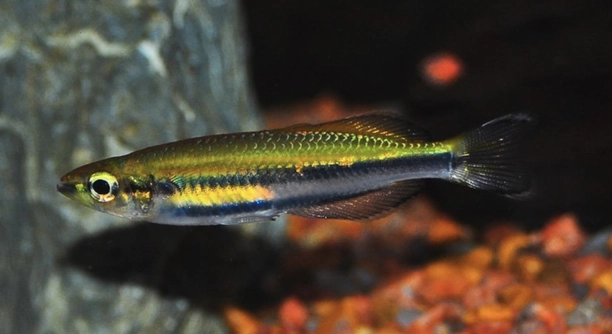
Rainbowfish are vibrant, small freshwater fish that brighten up any aquarium. Observing their behavior can be both relaxing and rewarding, especially when you notice how active they are throughout the day. Their movement adds life to any tank.
Rainbowfish are most active during daylight hours, particularly in the morning and late afternoon. Their activity peaks when light levels are moderate, supporting feeding, swimming, and social interactions while avoiding stress caused by intense midday light.
Knowing their preferred activity times helps maintain a healthy environment and enriches your experience as an aquarist. This insight can improve both care routines and enjoyment.
Understanding Rainbowfish Behavior
Rainbowfish are naturally social and active swimmers. They tend to move in schools, which helps them feel secure while exploring their environment. Observing their patterns, I noticed they often swim near the middle to top of the tank, especially during feeding times. Light plays an important role in regulating their activity. Early morning and late afternoon are ideal periods for movement, while bright midday light can make them retreat to shaded areas. They respond well to gentle water flow, which stimulates swimming and keeps them engaged. Temperature also affects behavior; rainbowfish prefer stable, moderate water temperatures. Sudden changes can make them sluggish or hide, so maintaining consistent conditions is key. Providing hiding spots encourages exploration and reduces stress. Watching them interact with each other, I realized their energy levels and activity are closely linked to environmental comfort.
Their behavior reflects a balance between curiosity, social interaction, and environmental comfort. Understanding this helps in creating a stable tank.
Rainbowfish also display territorial tendencies, especially males during breeding periods. They establish small zones within the tank, often showing bright colors to assert dominance or attract mates. Observing these patterns helps me anticipate when they may need more space or additional hiding spots. Feeding routines influence activity as well, with fish becoming more animated just before meals. Proper tank size, stable water quality, and varied diets all contribute to maintaining their natural rhythm. Over time, I found that introducing gentle variations in lighting and flow mimics their natural environment, encouraging consistent swimming and interaction. Paying attention to their cues, such as changes in color or movement speed, provides insight into their comfort levels and overall health. Creating a responsive and balanced environment allows them to thrive and show their full range of behaviors.
Feeding and Daily Activity
Rainbowfish are most active when they anticipate feeding. Even minor changes in schedule can affect movement and alertness.
Consistent feeding supports their energy patterns. Offering small, frequent meals during peak activity times keeps them lively and encourages schooling behavior. A mix of high-quality flakes, pellets, and occasional live foods provides proper nutrition. Observing them eat also allows me to notice any signs of illness early. They often swim more actively before and after meals, making these periods ideal for monitoring health and behavior. Maintaining a routine that aligns with natural daylight patterns enhances overall well-being, helping them remain energetic and interactive. Careful observation of feeding responses ensures each fish receives enough food without overfeeding, which could affect water quality. Adjusting portions and timing based on activity levels helps maintain both health and a stable tank environment.
Light and Environment
Rainbowfish respond strongly to lighting. Bright, direct light can make them hide, while moderate light encourages swimming and interaction. Positioning plants and decorations creates shaded areas that allow them to feel secure and active throughout the day.
Providing a balance of light and shade mimics natural conditions. I noticed that when the tank has both brighter zones and darker corners, rainbowfish explore more freely. They often gather in moderate light areas, avoiding extremes that stress them. Adjusting light duration to follow natural daylight patterns enhances activity. Artificial lights set on timers help maintain consistency, which supports feeding schedules, social behavior, and general well-being. Adding floating plants can diffuse light and create dynamic spaces that encourage exploration. Observing their movement in different lighting conditions revealed that subtle changes in environment significantly influence energy levels, mood, and interactions.
Plants, rocks, and other decorations also impact movement patterns. Rainbowfish often use these features as landmarks while swimming, creating routines within the tank. Incorporating varied textures and hiding spots provides stimulation, encourages natural schooling behavior, and reduces stress. Over time, I found that rearranging the environment occasionally keeps their activity consistent and prevents boredom, while still maintaining comfort and security.
Temperature and Water Flow
Stable water temperature keeps rainbowfish active. Sudden drops or rises can make them sluggish or hide, while moderate warmth supports normal swimming and feeding.
Water flow encourages movement and engagement. I observed that gentle currents stimulate swimming without causing fatigue, while stagnant areas make them less lively. Maintaining a consistent flow pattern ensures fish are evenly active and prevents territorial conflicts. Temperature and flow together create an environment where rainbowfish can display natural behavior patterns. Using heaters with thermostats and adjustable filters helps maintain ideal conditions. Monitoring these factors daily allows for quick corrections and supports overall health. Fish respond well to slight variations in flow, mimicking rivers or streams, which keeps them energetic. Observing their reaction to different currents helped me fine-tune placement of decorations, plants, and aeration devices. Proper management of water movement combined with temperature stability ensures that rainbowfish remain active, healthy, and visually vibrant.
Social Interaction
Rainbowfish are social and thrive in groups. They often swim together, which reduces stress and encourages natural behavior. Watching their interactions provides insight into hierarchy and comfort levels.
Males display colors and movements to communicate with others. I noticed that subtle changes in schooling patterns often signal mood or health, making observation essential for proper care.
Breeding Activity
During breeding periods, rainbowfish become more active and territorial. Males display brighter colors and engage in chasing behaviors to attract females. Spawning often occurs in shaded areas or near plants, which provide safety for eggs. Maintaining optimal water conditions and space encourages successful breeding.
Nighttime Behavior
Rainbowfish slow down and hide as light fades. They often rest near plants or decorations, conserving energy until morning. Observation during these periods shows the importance of shaded areas and stable conditions for overnight comfort.
How do I know when my rainbowfish are most active?
Rainbowfish are usually most active during the morning and late afternoon. I’ve noticed they swim in groups, explore the tank, and interact with decorations during these times. Watching their movement patterns over several days helps me predict peak activity and adjust feeding schedules accordingly.
What factors influence their activity levels?
Light, temperature, water flow, and social interaction all affect activity. Bright midday light can make them hide, while moderate lighting encourages movement. Stable temperatures keep them energetic, and gentle water currents stimulate swimming. Socially, they are more active in schools, and males may display colors or chase each other during breeding periods.
Can feeding times change their activity?
Yes, rainbowfish often become more alert before meals. I noticed that feeding them small portions multiple times a day keeps them lively. A mix of flakes, pellets, and occasional live foods supports energy levels. Timing feedings with peak daylight hours encourages natural swimming and interaction patterns.
Do rainbowfish rest at night?
Rainbowfish slow down as light fades, often resting near plants or hiding spots. I’ve observed that they conserve energy overnight and tend to stay close to shaded areas. Maintaining consistent lighting schedules helps ensure they follow a natural day-night rhythm and stay healthy.
How does tank decoration affect activity?
Plants, rocks, and other features provide hiding spots and landmarks for swimming. I found that rearranging decorations occasionally stimulates exploration and prevents boredom. Floating plants diffuse light, creating dynamic areas for movement, while shaded corners give them security. Varied textures and structures encourage natural behavior.
Does water flow really matter for their energy?
Gentle water currents mimic natural streams and keep rainbowfish active. I’ve noticed stagnant areas lead to less movement, while moderate flow encourages swimming without fatigue. Filters and aeration devices help maintain consistent currents, supporting energy, schooling, and overall well-being.
Are there signs of stress or low activity?
Sluggish swimming, hiding constantly, or faded colors often indicate stress. I observed that sudden temperature changes, poor water quality, or overcrowding can cause these behaviors. Adjusting the environment, maintaining clean water, and ensuring enough space helps rainbowfish regain energy and normal activity patterns.
Do males and females behave differently in activity levels?
Males often show higher activity, especially during breeding. They display bright colors, chase other males, and interact more with females. Females tend to be less aggressive but move consistently within the school. Observing both helps me understand social dynamics and maintain balance in the tank.
How important is temperature consistency?
Maintaining stable water temperature is crucial. Sudden fluctuations can make them hide or become sluggish. I use heaters with thermostats to keep the water within the ideal range. Consistent temperature, combined with proper lighting and flow, ensures that rainbowfish remain active and healthy.
Can activity levels predict health issues?
Yes, changes in behavior often indicate problems. I noticed that fish becoming unusually inactive, isolating themselves, or losing color may have illness or stress. Monitoring activity alongside feeding, coloration, and social interactions helps me catch health issues early and respond promptly.
How can I encourage more movement?
Adjusting lighting, adding gentle water flow, and rearranging decorations encourages activity. I also feed during peak daylight hours and maintain stable water conditions. These small changes stimulate swimming, interaction, and schooling, keeping rainbowfish energetic and healthy throughout the day.
Do rainbowfish need companions for activity?
Yes, they thrive in groups. I found that solitary fish often hide or swim less. Keeping them in small schools reduces stress, encourages natural movement, and enhances social behavior. Observing their interactions ensures the group remains balanced and active.
How long do peak activity periods last?
Peak activity typically lasts a few hours in the morning and late afternoon. I’ve noticed that during these periods, fish explore more, feed actively, and interact with each other. Proper tank setup and stable conditions help extend these active phases.
Is it normal for activity to vary daily?
Yes, minor variations are natural. Changes in light, feeding times, or water conditions can influence movement. I monitor patterns over weeks to identify typical behavior. Consistent routines and environmental stability help minimize fluctuations and maintain healthy activity levels.
Can lighting adjustments change their schedule?
Yes, using timers to mimic natural daylight encourages consistent activity. I noticed that gradual transitions from light to dark prevent sudden hiding and support natural rhythms. Balanced lighting enhances swimming, feeding, and social behavior while reducing stress.
Does tank size affect activity?
Larger tanks allow more movement and exploration. I observed that rainbowfish in cramped spaces tend to hide and show less schooling behavior. Adequate space combined with plants and decorations promotes natural activity, reduces aggression, and supports overall health.
Are there specific signs that indicate they are happy and active?
Bright colors, smooth schooling, and consistent swimming indicate health and comfort. I watch for playful interactions, feeding responsiveness, and exploration of decorations. These signs reflect well-maintained water quality, proper nutrition, and a balanced social environment.
How can I maintain activity as they age?
Older rainbowfish may slow down naturally. I keep them active by maintaining stable conditions, providing enrichment, and feeding appropriately. Adjusting tank layout and ensuring social groups remain balanced helps sustain energy levels and encourages continued interaction.
Do sudden changes in environment reduce activity?
Yes, sudden alterations like new decorations, temperature shifts, or water changes can stress fish. I introduce changes gradually, monitor reactions, and provide hiding spots to minimize disruption. Slow adaptation keeps activity levels consistent and supports health.
How do I balance feeding and activity?
Feeding small amounts during peak active periods encourages swimming and schooling. I vary diet with flakes, pellets, and live foods to support energy. Aligning feeding with natural daylight patterns maintains consistent activity while preventing overfeeding and water quality issues.
Can observing activity improve care?
Absolutely. Tracking swimming, schooling, and interactions helps me detect stress, illness, or environmental issues early. Activity patterns inform adjustments in lighting, flow, temperature, and feeding routines. Paying attention to these details ensures rainbowfish remain energetic, healthy, and comfortable.
Rainbowfish are lively and engaging fish that bring color and movement to any tank. Observing their behavior throughout the day gives a clear sense of their natural rhythms. They are most active during the morning and late afternoon, when light is moderate and water conditions are stable. I have noticed that providing a mix of shaded areas and open swimming spaces encourages them to move freely and interact with one another. Schools of rainbowfish display coordinated swimming patterns that are both interesting and comforting to watch. Over time, it becomes easier to predict when they will be more energetic, which helps in planning feeding times and monitoring their health. By paying attention to their activity patterns, I can quickly notice if a fish is hiding more than usual or moving sluggishly, which often signals stress or a potential health issue.
Maintaining stable water conditions is essential for keeping rainbowfish active and healthy. Temperature, water flow, and lighting all play critical roles in regulating their behavior. Sudden changes in these factors can lead to hiding, reduced movement, or even aggression among males during breeding periods. I have found that using heaters with thermostats, adjustable filters, and timers for lighting helps create an environment that closely mimics natural conditions. Decorations and plants also contribute by providing landmarks and shaded areas, which reduce stress and encourage exploration. Observing how rainbowfish respond to different setups allows for adjustments that maintain their energy levels and overall well-being. Even minor changes, such as adding floating plants or rearranging rocks, can create new swimming routes and prevent boredom, ensuring that the fish remain active and engaged throughout the day.
Feeding routines also influence the activity of rainbowfish. Offering small, frequent meals during peak activity hours encourages movement and schooling behavior. I make sure to provide a balanced diet of high-quality flakes, pellets, and occasional live foods to support energy and vitality. Watching them respond to feeding times is not only satisfying but also provides an opportunity to monitor health and behavior. Social interaction plays an equally important role, as rainbowfish are most comfortable and active in groups. Maintaining a balanced school reduces stress, supports natural behaviors, and makes their activity more predictable. By observing their daily patterns, adjusting tank conditions, and providing appropriate nutrition, it is possible to create a healthy, stimulating environment that promotes consistent activity and enjoyment for both the fish and the caretaker.

Hello,
If you enjoy the content that we create, please consider saying a "Thank You!" by leaving a tip.
Every little bit helps us continue crafting quality advice that supports the health, happiness, and well-being of pets around the world, for pets of all shapes, sizes, and species.
We really appreciate the kindness and support that you show us!