
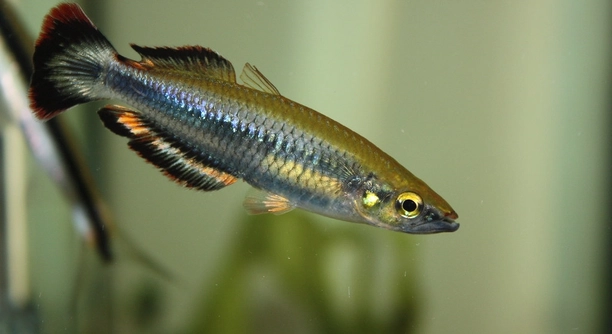
Do you ever notice your fish acting differently, swimming slower, or hiding more than usual? Changes in their behavior can be subtle, but they often point to water issues that directly affect their mood and health.
Fish are highly sensitive to their environment, and even minor changes in water quality can quickly alter their behavior. Factors such as temperature, pH levels, oxygen content, and contamination can create stress, impacting feeding, activity, and social interactions.
Understanding these key water issues will help you create a healthier tank and a happier environment for your fish to thrive.
Temperature Fluctuations
Sudden changes in water temperature can stress fish quickly. Even a shift of a few degrees can make them lethargic, hide more, or stop eating. Tropical fish are especially sensitive, requiring a stable temperature to maintain normal behavior and metabolism. Heating or cooling too fast can shock their system, making them more prone to disease. Consistently monitoring water temperature with a reliable thermometer helps maintain a steady environment. Avoid placing tanks near windows or vents where outside temperature can cause swings. Small adjustments over time are safer than rapid changes. A stable environment not only improves mood but also supports long-term health. Fish can recover from minor fluctuations if addressed promptly, but chronic instability may have lasting effects on growth and immune function.
Maintaining steady temperatures allows fish to swim and feed normally, reducing stress and promoting overall well-being in the tank environment.
Even slight inconsistencies in water temperature impact oxygen levels and metabolism. Cooler water holds more oxygen, while warmer water decreases oxygen availability. Fish may gasp at the surface or show signs of fatigue. Temperature also affects their digestion, immune system, and activity level. Sudden heat or cold can trigger rapid breathing, increased hiding, or erratic swimming. Tropical species often need heaters to maintain consistent warmth, while temperate fish prefer gradual seasonal shifts. Monitoring daily and adjusting slowly prevents stress and supports natural behavior. Using insulated tanks or placing them away from drafts helps minimize unexpected changes. Observing fish for signs of discomfort allows for timely corrections, keeping them calm and active. Over time, a stable temperature encourages healthy growth, proper feeding habits, and a more harmonious aquarium environment, benefiting all species in the tank.
Poor Water Quality
Dirty water quickly affects fish mood, making them restless or lethargic. Regular cleaning and water changes are essential to keep ammonia, nitrite, and nitrate at safe levels.
Fish are highly sensitive to chemical imbalances. Accumulated waste, leftover food, and decaying plants produce toxins that stress fish. Poor water quality can lead to fin damage, weakened immunity, and abnormal behavior. Testing water regularly helps detect harmful levels early, allowing immediate corrective action. Filtration systems remove debris, but partial water changes are necessary to maintain clarity and chemical balance. Overfeeding worsens water quality, so feeding only what fish can consume in minutes prevents excess waste.
Keeping water clean involves daily observation, regular partial changes, and careful feeding habits. A well-maintained tank supports active swimming, proper coloration, and normal feeding. Fish respond positively to clean water, showing reduced stress and better social interactions. Understanding how each factor—from waste accumulation to chemical spikes—affects mood allows precise adjustments. Even small improvements in filtration, aeration, and routine maintenance produce noticeable benefits in behavior. By prioritizing water quality, you ensure fish stay healthy, active, and display natural behavior patterns, making the tank environment both visually appealing and emotionally stable for its inhabitants.
Low Oxygen Levels
Fish may appear sluggish or gasp at the surface when oxygen is low. Proper aeration and water movement are crucial to maintain healthy oxygen levels.
Low oxygen can happen in crowded tanks, warm water, or stagnant areas. Fish rely on dissolved oxygen for respiration, and without it, they become stressed quickly. Air stones, filters, and gentle water circulation help increase oxygen availability. Plants can also contribute by producing oxygen during the day, but they consume it at night, so balance is key. Monitoring fish behavior and water conditions regularly helps prevent sudden oxygen drops.
Even short periods of low oxygen can impact feeding, growth, and social interactions. Fish may hide or fight more due to stress, and long-term oxygen deprivation weakens their immune system. Adjusting water flow, avoiding overstocking, and controlling temperature all support stable oxygen levels. Observing fish activity gives clues to underlying issues before they become serious. Maintaining proper oxygen ensures fish stay active, healthy, and less prone to disease or unusual behavior.
High Ammonia Levels
High ammonia makes fish irritable, causing rapid gill movement and loss of appetite. Regular water testing is essential to detect spikes early.
Ammonia comes from fish waste, uneaten food, and decaying plants. Even small amounts are toxic and stress fish, damaging gills and organs over time. Filtration and frequent partial water changes help keep ammonia in check. Overfeeding and overcrowding worsen the problem, so careful monitoring is necessary. Biological filters convert ammonia to less harmful compounds, but they need time to establish properly. Immediate attention to ammonia spikes prevents long-term health problems and keeps fish behavior normal.
Chronic ammonia exposure leads to discoloration, fin damage, and unusual swimming patterns. Fish may become lethargic or aggressive when levels remain high. A balanced feeding routine, proper tank maintenance, and monitoring the nitrogen cycle help maintain safe conditions. Understanding ammonia’s impact allows early intervention, preventing stress-related illness. Maintaining stability in water chemistry encourages normal activity, proper feeding, and better overall mood. Fish respond quickly to improvements, regaining natural behavior when ammonia levels are controlled, making the tank healthier and calmer for all inhabitants.
pH Imbalance
Fish can become stressed if the water pH is too high or too low. Consistently testing and adjusting pH helps maintain a stable environment.
Sudden pH swings can affect respiration and digestion. Different species have specific pH preferences, so matching water conditions to their needs reduces stress and promotes normal behavior.
Excessive Nitrate Levels
High nitrates develop from accumulated waste, overfeeding, or insufficient water changes. Nitrate buildup may not kill fish immediately but gradually weakens them, affecting mood and activity. Chronic exposure can lead to lethargy, poor appetite, and faded colors. Regular water changes and monitoring keep levels safe.
Contaminants and Chemicals
Cleaning products, soaps, or residues in tap water can harm fish. Even small amounts may trigger erratic swimming, hiding, or reduced feeding. Always use dechlorinated water and avoid chemical exposure to maintain a safe, stable tank environment.
FAQ
How do I know if my fish is stressed due to water issues?
Stressed fish often change their normal behavior. They may swim less, hide frequently, or lose interest in food. Gasping at the surface, rapid gill movement, and unusual aggression are also signs. Monitoring behavior alongside water tests helps identify stress from environmental factors quickly.
What is the safest way to adjust water temperature?
Gradual changes are key. Adjust heaters or coolers slowly, a degree at a time, over several hours. Avoid sudden spikes or drops, especially for tropical species. Consistent monitoring with a thermometer ensures a stable environment and prevents stress or shock.
How often should I check water quality?
Testing water at least once a week is recommended. Parameters like pH, ammonia, nitrite, nitrate, and temperature should be monitored regularly. Frequent checks help detect problems early and allow corrective actions before fish behavior is affected.
What is the best method to increase oxygen levels in my tank?
Aeration devices, such as air stones or sponge filters, improve oxygen circulation. Water movement from filters or gentle currents also helps. Avoid overstocking the tank and maintain proper temperature, as warmer water holds less oxygen. Observing fish activity can indicate low oxygen.
Can overfeeding impact fish mood?
Yes, overfeeding produces excess waste, which raises ammonia and nitrate levels. This stresses fish and can reduce appetite, activity, and social interactions. Feed only what fish can eat in a few minutes and remove leftovers promptly to maintain clean, balanced water.
How do I safely lower ammonia or nitrate levels?
Partial water changes are the simplest solution. Using biological filtration helps convert ammonia to less harmful compounds. Avoid overstocking and overfeeding, as these worsen chemical buildup. Regular monitoring ensures that chemical levels remain within safe limits for all species in the tank.
What is the ideal pH for my fish?
Different species require different pH ranges. Research your fish’s natural habitat to determine the appropriate level. Sudden pH swings can cause stress, so make changes gradually. Buffering agents or substrates may help maintain stability if needed. Consistent testing ensures a safe and comfortable environment.
How can I prevent chemical contamination in my tank?
Always use dechlorinated tap water or bottled water suitable for fish. Avoid cleaning the tank with soaps or detergents. Keep household chemicals away from the aquarium and rinse equipment thoroughly before contact. Safe handling ensures fish remain healthy and active.
What plants or decorations help improve water quality?
Live plants absorb nitrates and provide oxygen during daylight. They also offer hiding spaces, reducing stress. Decorations should be aquarium-safe and easy to clean. Avoid materials that leach chemicals or disrupt water balance. Proper plant and decoration choices support both water quality and fish mood.
How do I address sudden behavior changes in fish?
Immediate water testing is the first step. Look for temperature shifts, chemical spikes, or oxygen depletion. Correct issues gradually and observe fish closely. Isolated stress events may be temporary, but repeated problems indicate underlying water quality issues that require consistent monitoring and maintenance.
Is it necessary to use a filter in every tank?
Filters maintain water clarity, remove waste, and support biological processes. Even small tanks benefit from some filtration. Choosing the right size and type for your tank ensures proper water flow and reduces stress on fish, promoting healthy, natural behavior.
Can multiple water issues occur simultaneously?
Yes, temperature swings, chemical imbalances, and low oxygen often occur together. Addressing one issue without considering others may not fully restore fish mood. Comprehensive testing and gradual corrections help create a stable environment, reducing stress and supporting overall health.
How do I safely introduce new fish to my tank?
Quarantine new fish for at least two weeks to prevent disease and stress to existing fish. Gradually acclimate them to the tank’s temperature and water parameters. Proper introduction reduces sudden environmental changes that could affect mood and behavior.
What routine maintenance helps prevent water-related stress?
Weekly water testing, partial water changes, filter cleaning, and careful feeding habits are essential. Observing fish for early signs of stress ensures timely intervention. Routine maintenance maintains stable temperature, oxygen, and chemical levels, keeping fish healthy, active, and less prone to mood changes.
How long does it take for fish to recover from water stress?
Recovery depends on severity and species. Minor stress may resolve in a few hours once conditions stabilize. Chronic exposure to poor water quality can take days or weeks for full recovery. Continuous monitoring and maintaining ideal conditions accelerate the process and support long-term health.
Can water issues affect fish social behavior?
Yes, stressed fish may hide, avoid interaction, or become aggressive. Stable water conditions encourage normal social behavior, including schooling, mating, or territorial interactions. Maintaining clean, balanced, and oxygen-rich water helps fish feel secure and maintain their usual routines.
How do I know if my filter is working effectively?
Check water clarity and test chemical levels regularly. Reduced debris, stable ammonia and nitrate readings, and healthy fish behavior indicate effective filtration. Clean or replace filter media as recommended by the manufacturer to maintain optimal performance and water quality.
Are there natural ways to improve water conditions?
Live plants, proper stocking levels, and slow feeding contribute to balanced water naturally. Avoid chemicals unless necessary, and rely on regular partial water changes, aeration, and natural filtration processes. Supporting biological stability promotes healthier, calmer fish with more consistent behavior.
What should I do if water problems persist despite maintenance?
Investigate hidden issues like substrate buildup, inadequate filtration, or tap water contaminants. Seek guidance from aquarium professionals or test water with more precise kits. Persistent problems indicate that more comprehensive adjustments are needed to restore a safe, stable environment for fish.
Can stress from water issues shorten fish lifespan?
Chronic stress weakens immunity and increases susceptibility to disease. Fish exposed to poor water quality over time may have shorter lifespans, slower growth, and reduced reproductive success. Maintaining stable, clean water significantly improves longevity, mood, and overall health of aquarium fish.
Maintaining a healthy aquarium is not just about making it look nice; it directly affects the well-being of the fish. Water quality, temperature, oxygen levels, and chemical balance all influence fish behavior and mood. Even small changes in these factors can stress fish, causing them to hide, become lethargic, or lose interest in food. Regular monitoring and simple adjustments can prevent most issues. Observing fish daily allows you to notice early signs of stress, such as unusual swimming patterns, rapid gill movement, or aggression. Taking action quickly helps keep fish calm and healthy before problems escalate. Understanding the connection between water conditions and fish mood makes it easier to maintain a stable environment that supports their natural behavior.
Creating a balanced and stable tank requires consistent care and attention. Weekly water testing, partial water changes, and proper feeding habits are essential to keep ammonia, nitrate, and pH levels within safe ranges. Temperature control is equally important, especially for tropical fish, which are sensitive to sudden changes. Filters and aeration systems support clean water and adequate oxygen levels, while live plants can help absorb excess nitrates and contribute to a more natural environment. Avoiding overstocking and overfeeding prevents unnecessary waste buildup, which is one of the most common causes of water issues. By combining these practices, you create a safer, healthier habitat that encourages active, happy fish. Even minor improvements, like adjusting water flow or checking chemical levels more frequently, can make a noticeable difference in fish behavior.
Fish mood is a reflection of the quality of their environment. Stress caused by poor water conditions can lead to illness, reduced appetite, and weakened immune systems. On the other hand, clean, stable water encourages normal behavior, proper feeding, and social interactions among fish. Maintaining a healthy tank is not difficult, but it requires consistency and awareness. By regularly observing fish and testing water, you can identify and address potential issues early. Simple changes, such as adding an air stone, adjusting temperature gradually, or performing routine water changes, can have a big impact. A well-maintained tank creates a peaceful environment where fish can thrive, swim actively, and display their natural colors and behaviors. Prioritizing water quality and stability ensures fish remain healthy, happy, and resilient over time, making aquarium care both rewarding and manageable.

Hello,
If you enjoy the content that we create, please consider saying a "Thank You!" by leaving a tip.
Every little bit helps us continue crafting quality advice that supports the health, happiness, and well-being of pets around the world, for pets of all shapes, sizes, and species.
We really appreciate the kindness and support that you show us!