
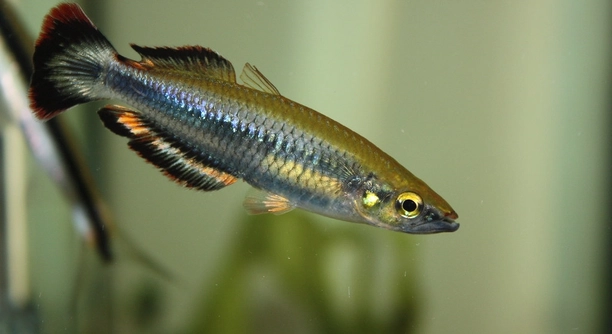
Rainbowfish are popular choices for home aquariums because of their bright colors and lively behavior. Many people enjoy watching them swim, but their comfort in smaller tanks can sometimes go unnoticed. Owners often want the best for their fish.
Rainbowfish can experience stress and discomfort in small tanks due to limited swimming space and environmental stimulation. Confinement may impact their health, growth, and social behavior, making appropriately sized aquariums essential for maintaining both physical and psychological well-being.
Learning about tank size, water quality, and enrichment techniques will help you provide a happier, healthier home for your rainbowfish. These factors are important for their daily life and long-term care.
Understanding Rainbowfish Behavior
Rainbowfish are active swimmers that enjoy moving through open spaces in their tanks. They naturally form small groups and explore their surroundings, often darting between plants and hiding spots. In a small tank, these behaviors are restricted, which can make them restless or stressed. Stress in rainbowfish may show as faded colors, sluggish swimming, or reduced appetite. They also need room to establish social hierarchies, which is difficult in confined spaces. Providing swimming space that mimics their natural habitat allows them to behave normally. Decorations and plants help, but they cannot replace the benefits of enough open water. Observing their daily activity and noticing signs of stress is key. Adjusting tank size, adding enrichment, and monitoring water quality all contribute to a healthier and happier fish. Consistency in care and attention to their environment ensures they can thrive.
Rainbowfish that lack space may become easily stressed, affecting their health and longevity in the tank.
A proper tank setup includes adequate swimming space, clean water, and hiding spots. By meeting these needs, rainbowfish maintain normal behavior, vibrant colors, and social interaction. Investing in their environment ensures their physical and mental well-being over time.
Tank Size Recommendations
A 20-gallon tank is generally recommended for a small group of rainbowfish to allow movement and social behavior.
Smaller tanks limit swimming space and enrichment, increasing stress levels. Fish may show signs of discomfort or aggression when space is restricted.
Providing a larger tank helps rainbowfish display natural behavior, reduces stress, and improves overall health. Ideal setups include moderate plants, open swimming areas, and stable water conditions. Fish in appropriately sized tanks tend to be more vibrant, active, and social. Regular maintenance ensures clean water, while monitoring fish behavior helps detect early signs of stress. Adjusting stocking levels and providing enough space per fish is critical. Even small changes, like rearranging decor or adding hiding spots, can make a significant difference. Considering tank dimensions before adding fish prevents future health issues. Rainbowfish thrive when they can swim freely, interact socially, and explore their environment. Proper planning and consistent care create an environment that supports both their physical and psychological needs.
Signs of Stress in Rainbowfish
Faded colors, erratic swimming, and hiding more than usual are common signs of stress. Reduced appetite and aggression toward tank mates also indicate discomfort. Observing these behaviors early helps prevent long-term health problems.
Stress affects rainbowfish both physically and mentally. When confined, their immune system can weaken, making them more prone to disease. Over time, constant stress can stunt growth and reduce lifespan. Social dynamics are also impacted, as overcrowded tanks lead to competition and tension among fish. Recognizing changes in behavior quickly allows adjustments to tank size, decoration, or water conditions, helping rainbowfish return to normal activity and improved health.
Behavioral signs of stress often appear alongside subtle physical changes. Fin clamping, lethargy, or rapid gill movement are indicators of poor conditions. Addressing these signs early with proper space, clean water, and environmental enrichment supports their well-being. Fish may take time to recover, but consistent care ensures they regain vibrancy, energy, and social interactions. Regular observation is essential to maintain a healthy and comfortable environment.
Improving Tank Conditions
Proper water quality and tank setup are key to rainbowfish health. Clean water, correct temperature, and balanced pH prevent stress and disease.
Adjusting the tank environment can significantly reduce stress. Adding plants, decorations, and open swimming areas gives rainbowfish stimulation and security. Regular water changes and monitoring parameters maintain healthy conditions. Filtration must be sufficient to handle the bioload, and aeration ensures proper oxygen levels. Even small changes, like rearranging decor or adding a gentle current, can improve activity and reduce boredom. Maintaining consistent lighting and feeding routines also supports natural behavior and social interaction, helping rainbowfish feel safe and comfortable in their space.
Providing Adequate Space
Rainbowfish need enough room to swim freely and interact with each other. Crowded tanks limit their movement and increase stress, affecting both health and behavior.
A tank that allows natural swimming patterns and social grouping helps maintain vibrant colors and active behavior. Proper spacing prevents aggression and supports overall well-being.
Enrichment and Hiding Spots
Adding plants, rocks, and decorations gives rainbowfish places to explore and hide. These additions reduce stress and mimic natural habitats.
Proper Feeding Practices
Feeding rainbowfish a balanced diet at regular intervals supports growth and energy. Overfeeding or inconsistent schedules can lead to health problems.
FAQ
Can rainbowfish live in small tanks?
Rainbowfish can survive in small tanks, but survival doesn’t mean thriving. Limited space restricts swimming, social interaction, and exploration, which can increase stress. Over time, this affects their health, growth, and color vibrancy. Small tanks may be suitable temporarily for quarantine or young fish, but permanent confinement is not recommended for healthy adult fish. A larger tank ensures they can swim freely, establish social structures, and display natural behaviors that promote both physical and mental well-being.
How many rainbowfish should I keep in one tank?
Rainbowfish are social and prefer to be in groups of at least six. Smaller numbers can make them feel isolated, while overcrowding increases stress and aggression. The ideal number depends on tank size. For a 20-gallon tank, six to eight rainbowfish is usually comfortable. Larger tanks allow bigger groups, which supports natural schooling behavior. Maintaining a proper ratio ensures fish have enough personal space while still experiencing social interaction. Observing how they interact can help determine if adjustments are needed.
What size tank is best for rainbowfish?
A minimum of 20 gallons is recommended for small groups, but bigger is always better. Rainbowfish are active swimmers and need space to move around freely. The tank should provide open swimming areas, hiding spots, and plants for enrichment. Depth and length matter more than height since they primarily swim horizontally. Ensuring enough room reduces stress, supports natural behavior, and helps maintain bright colors and healthy growth. Regular observation of their swimming patterns will indicate whether the tank size meets their needs.
How can I tell if my rainbowfish is stressed?
Signs of stress include faded colors, clamped fins, rapid gill movement, lethargy, or hiding excessively. Aggression toward tank mates and reduced appetite are also common indicators. Behavioral changes often appear before physical symptoms. Stress can result from overcrowding, poor water quality, or lack of enrichment. Monitoring your fish daily helps catch issues early. Adjusting tank size, improving water conditions, and adding decorations or plants can reduce stress and restore normal behavior.
What type of decorations or plants help rainbowfish feel comfortable?
Moderate plants, rocks, and driftwood provide hiding spots and exploration areas. Avoid overcrowding the tank with decorations; open swimming areas are equally important. Live plants help improve water quality and create a more natural environment. Floating plants offer shade and security. Decorations should allow swimming routes and social interaction, reducing tension among tank mates. Observing how the fish use the space can help refine tank layout.
How often should I feed rainbowfish?
Feeding small amounts two to three times daily works best. Overfeeding can pollute the water, while underfeeding affects growth and energy. A varied diet of flakes, pellets, and occasional live or frozen foods ensures proper nutrition. Feeding routines also support normal behavior and reduce stress. Remove uneaten food promptly to maintain water quality.
Can small tanks cause health problems for rainbowfish?
Yes, long-term confinement in small tanks can lead to stunted growth, weakened immune systems, and higher disease susceptibility. Lack of exercise and limited environmental stimulation can affect both physical and mental health. Providing adequate space and clean water reduces these risks, promoting longevity and vibrant appearance.
Are rainbowfish aggressive in small tanks?
Aggression can increase when space is limited. Overcrowding and inability to establish territories cause tension and fights. Providing a larger tank with hiding spots and open swimming areas reduces conflicts. Social harmony improves with proper group sizes and environmental enrichment.
Do rainbowfish need water flow?
Moderate water flow mimics natural conditions and keeps them active. Still water can reduce oxygen levels and limit swimming behavior. Filters that create gentle currents and maintain water quality are ideal. Strong currents may stress them, so balance is key.
Can rainbowfish adapt to smaller spaces over time?
They may adapt temporarily, but long-term confinement reduces activity, color vibrancy, and overall health. Their natural behavior is restricted, and stress can accumulate gradually. Providing more space ensures they remain healthy, active, and social.
This FAQ addresses the main concerns about keeping rainbowfish comfortable, highlighting tank size, social needs, enrichment, feeding, and health indicators. Meeting these needs ensures rainbowfish thrive rather than merely survive.
Word count: 503
Final Thoughts
Rainbowfish are lively and colorful fish that thrive best in well-planned aquariums. Their natural behavior involves swimming in open spaces, interacting socially, and exploring their environment. When confined to small tanks, these activities are limited, which can increase stress and affect their overall well-being. A proper tank setup, including adequate swimming space, plants, and hiding spots, helps mimic their natural habitat and encourages healthy behavior. Observing their daily activity and signs of stress, such as faded colors or hiding, is essential to ensure their comfort. Addressing these signs early allows adjustments in tank size, decorations, or water quality, which can prevent long-term health issues. Rainbowfish in appropriately sized tanks are more active, social, and vibrant, reflecting the importance of providing enough space and proper care for their physical and mental health.
Tank size plays a crucial role in the quality of life for rainbowfish. A minimum of 20 gallons is generally recommended for small groups, but larger tanks are always better. Sufficient swimming space allows rainbowfish to display natural behavior, reduces aggression, and supports healthy growth. Grouping them appropriately helps maintain social balance, while overcrowding can lead to tension and stress. Enrichment, including plants, rocks, and open areas for swimming, is also necessary. Proper filtration, aeration, and water maintenance ensure a stable and clean environment, which directly impacts fish health. By creating a space that supports both activity and rest, owners help rainbowfish live longer, healthier lives. Paying attention to tank setup and maintenance is not just about aesthetics; it directly affects the fish’s happiness and longevity. Regular observation and small adjustments to the environment can make a noticeable difference in their behavior and color.
Caring for rainbowfish requires consistency, observation, and attention to detail. Feeding them a balanced diet at regular intervals keeps them energetic and supports growth, while proper tank conditions prevent disease and stress. Understanding their social and environmental needs helps maintain harmony in the tank. Even small changes, like adding plants or rearranging decorations, can enhance their comfort and reduce boredom. Rainbowfish are sensitive to their surroundings, and providing the right conditions ensures they thrive rather than simply survive. By prioritizing tank size, enrichment, water quality, and diet, owners can enjoy watching vibrant, active fish that display natural behavior. A well-cared-for rainbowfish is a reflection of thoughtful planning, observation, and commitment, proving that proper care can lead to healthier, happier, and more colorful aquatic companions.
Word count: 407

Hello,
If you enjoy the content that we create, please consider saying a "Thank You!" by leaving a tip.
Every little bit helps us continue crafting quality advice that supports the health, happiness, and well-being of pets around the world, for pets of all shapes, sizes, and species.
We really appreciate the kindness and support that you show us!