
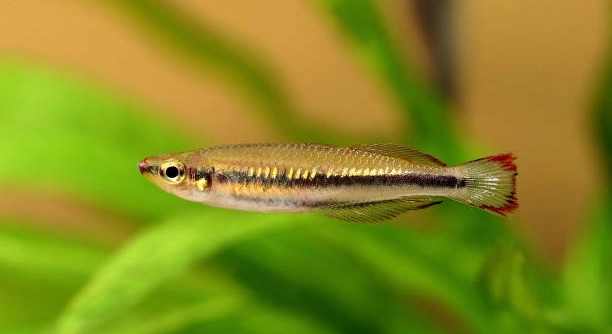
Rainbowfish are bright and lively, often swimming together in groups. Sometimes, though, they avoid certain areas of their tank or natural habitat without any obvious reason, leaving owners and observers puzzled. Their behavior can seem unpredictable.
Rainbowfish may avoid a particular spot due to factors like water quality, temperature differences, or the presence of strong currents. Stress from nearby aggressive fish or insufficient hiding spaces can also lead them to seek safer, more comfortable areas.
Learning why these fish behave this way can help create a healthier and calmer environment, making their tanks more enjoyable for both fish and owners alike.
Water Quality and Comfort
Water quality is one of the main reasons rainbowfish might avoid a certain area in their tank. Parameters like pH, ammonia, nitrite, and nitrate levels can vary even within small sections of a tank. A spot with higher toxins or lower oxygen can feel uncomfortable to the fish, prompting them to swim elsewhere. Temperature fluctuations also play a role. Rainbowfish prefer stable, moderate temperatures, and areas near heaters or filters may be warmer or cooler than the rest of the tank. Strong currents can also discourage them from lingering in one place. Even subtle differences in water flow can make some areas less attractive. Observing which spots your rainbowfish avoid can give clues about water conditions. Regular testing and gentle adjustments help create a more uniform environment, encouraging the fish to explore all corners of the tank. Comfort, not just safety, guides where they choose to spend their time.
Water testing and proper filtration can make avoided spots more appealing to rainbowfish.
Consistently monitoring and adjusting the water conditions improves the fish’s behavior. Using air stones or gentle circulation can help maintain oxygen levels evenly throughout the tank. Avoid sudden changes in temperature and perform partial water changes to reduce toxins. By paying attention to the areas rainbowfish avoid, owners can identify stress points. Adding decorations or plants strategically can create both hiding places and comfortable open areas, helping balance the tank. Over time, rainbowfish may return to previously avoided spots once conditions stabilize. Maintaining steady water quality supports not only their health but also their natural activity patterns and social interactions within the tank.
Stress and Tank Environment
Stressful conditions can cause rainbowfish to avoid certain areas of their tank.
Aggressive tankmates or lack of cover can make specific spots intimidating, pushing the fish to seek calmer zones.
Rainbowfish are naturally active and social, but excessive stress changes how they behave. A crowded tank, sharp decorations, or dominant fish can make them feel unsafe in some areas. They tend to avoid spots where movement is restricted or where they cannot easily hide. Adding plants, rocks, or other forms of cover gives them security while still allowing swimming space. Even the placement of the tank itself can influence their comfort; areas with sudden noise, vibrations, or frequent disturbances may be skipped entirely. Observing their interactions with other fish is important. Providing enough space and calm zones helps reduce tension, encouraging balanced activity. Over time, creating a stress-free environment allows rainbowfish to feel confident exploring more areas of the tank, leading to healthier behavior, better color, and more consistent activity levels throughout the day.
Feeding Areas and Food
Rainbowfish often avoid spots where food is scarce or competition is high. Areas near the filter outflow or corners with less access can remain empty while other spots see more activity during feeding times.
Placement of food affects where rainbowfish swim. If flakes or pellets tend to accumulate in one area, the fish will spend more time there and ignore other spots. They learn where food regularly appears, creating preferred zones. Uneven feeding patterns may make some areas seem unwelcoming. Overfeeding in one corner can also increase waste, lowering water quality and reinforcing avoidance. Changing feeding routines or distributing food evenly encourages the fish to explore different parts of the tank. Watching which areas remain empty during feeding helps identify patterns and adjust practices for a balanced environment.
Some rainbowfish may hesitate near decorations that trap food or create shadows. This can make certain corners less attractive, even if the water quality is fine. Adjusting feeding locations gradually helps them feel more comfortable moving around the tank and reduces tension among tankmates during meals.
Lighting and Visibility
Bright or uneven lighting can influence rainbowfish behavior, causing them to avoid certain spots.
Rainbowfish are sensitive to light levels. Areas exposed to direct sunlight or strong artificial lighting can make them feel exposed, while darker sections provide comfort and security.
The placement of lights can create glare or shadows, which fish may interpret as unsafe or threatening. Sudden changes in light, like turning on a bright overhead lamp, can make them scatter to shaded areas. Dimly lit corners often become preferred resting or hiding spots, as the fish feel less exposed to perceived dangers. Using adjustable lighting or diffusers can help create a more even distribution of light throughout the tank. Providing both open swimming spaces and shaded areas encourages natural movement and social behavior. Over time, balanced lighting helps rainbowfish feel secure, improving overall activity and reducing stress-related avoidance patterns.
Tank Decorations and Hiding Spots
Rainbowfish often avoid areas with sharp or rough decorations that could injure them. Smooth surfaces and rounded edges are preferred, allowing them to swim safely without fear of scraping or damage.
Overcrowded decorations can also make certain spots unappealing. Fish need open spaces to move freely, and tight clusters of rocks or artificial plants can feel confining, prompting avoidance.
Territorial Behavior
Rainbowfish sometimes avoid areas dominated by more aggressive or territorial tankmates. Dominant fish establish zones, and submissive rainbowfish prefer calmer spaces to reduce stress.
Territorial disputes can be subtle. A dominant rainbowfish may chase or block others from a favored area, even without direct aggression. Observing these interactions is key to understanding their spatial choices. Providing multiple hiding spots and open swimming areas helps reduce conflict, allowing less dominant fish to explore the tank safely. Over time, creating a balanced environment minimizes avoidance behavior and encourages a more harmonious community.
Water Flow Preferences
Rainbowfish may avoid strong currents in parts of the tank.
They favor gentle, steady water movement that allows easy swimming without excessive effort.
FAQ
Why do my rainbowfish avoid one corner of the tank?
Rainbowfish often avoid corners with poor water quality, strong currents, or low oxygen levels. They are sensitive to subtle changes in their environment. Observing where they spend most of their time can help identify problem areas. Adding gentle water flow and regular water changes often encourages exploration of previously avoided spots.
Could tankmates cause my rainbowfish to avoid certain areas?
Yes. Aggressive or territorial fish can dominate specific zones, making rainbowfish retreat to calmer areas. Even mild chasing or blocking behavior can influence their choices. Providing multiple hiding places, open swimming areas, and separating overly aggressive fish helps rainbowfish feel more secure and distribute evenly in the tank.
Does lighting affect where rainbowfish swim?
Rainbowfish prefer moderate, evenly distributed lighting. Bright lights or glare can make some areas uncomfortable, while shaded regions provide a sense of security. Adjustable lighting or diffusers help balance illumination and reduce stress, encouraging the fish to explore more parts of the tank.
Can decorations make rainbowfish avoid certain spots?
Yes. Sharp edges, overcrowded rocks, or artificial plants can create tight spaces that feel unsafe. Rainbowfish favor open swimming areas with smooth decorations. Arranging decorations thoughtfully allows for hiding spaces while keeping swimming zones accessible. Gradual changes help them adjust without stress.
Does feeding influence where rainbowfish spend their time?
Feeding patterns strongly influence their movement. Fish gather where food is consistently available and avoid areas where food rarely reaches. Uneven feeding can also create waste buildup in corners, further discouraging visits. Distributing food evenly encourages balanced exploration.
Can water temperature affect their preferences?
Rainbowfish are sensitive to temperature fluctuations. Warm spots near heaters or cooler areas near filters may be avoided. Maintaining a stable temperature within the species’ preferred range promotes comfort and encourages them to swim throughout the tank. Sudden temperature changes can increase stress and avoidance behavior.
Do rainbowfish avoid areas with low oxygen?
Yes. Areas with poor circulation or low oxygen are less appealing. Adding gentle aeration, air stones, or adjusting filter output helps distribute oxygen evenly. Fish may gradually return to previously avoided zones once oxygen levels improve.
Can stress make rainbowfish avoid certain areas?
Stress from overcrowding, aggressive tankmates, sudden movements, or loud noises can cause rainbowfish to seek calm areas. Providing hiding spots, open swimming zones, and a stable routine reduces stress and promotes more balanced activity throughout the tank.
How can I encourage rainbowfish to explore all areas?
Even water quality, balanced lighting, gentle currents, regular feeding distribution, and thoughtful decoration placement are key. Creating secure hiding spots alongside open swimming areas helps rainbowfish feel confident. Monitoring their behavior and adjusting conditions gradually allows them to explore previously avoided zones.
Is it normal for rainbowfish to have favorite spots?
Yes, it is natural. Even in ideal conditions, rainbowfish may develop preferred zones for resting, feeding, or hiding. Observing patterns helps you understand their needs and adjust the tank to ensure comfort, safety, and stimulation across all areas.
Can seasonal changes affect their behavior?
Seasonal shifts in light or room temperature may influence where rainbowfish swim. Consistent water conditions and gradual adjustments prevent sudden changes from causing avoidance. Maintaining stable parameters ensures they continue exploring the entire tank.
What are signs that a spot is truly uncomfortable for rainbowfish?
Signs include avoidance, frantic swimming to escape, staying near the surface or corners, or clustering in safer areas. These behaviors often indicate poor water quality, strong currents, lack of cover, or stress factors. Observing patterns helps identify and correct environmental issues.
Should I move decorations or rearrange the tank?
Rearranging can help, but changes should be gradual. Sudden shifts may stress the fish. Start with small adjustments, observe reactions, and continue only if the fish adapt well. This encourages exploration without creating new stress zones.
How often should I check water quality to prevent avoidance behavior?
Regular monitoring of pH, ammonia, nitrites, nitrates, and temperature is essential. Weekly testing is generally sufficient, but more frequent checks are recommended if issues appear. Consistent water quality prevents discomfort and reduces avoidance behavior.
Can diet changes influence tank exploration?
Yes. Offering varied foods and distributing them evenly encourages movement across the tank. Fish will explore more areas when they anticipate food in multiple zones, improving overall activity and reducing stagnant habits.
Are rainbowfish more active in groups?
Rainbowfish are social and feel safer in groups. Solitary fish may become stressed and avoid certain areas. Keeping them in small shoals promotes natural behavior and helps them feel confident exploring all tank regions.
Rainbowfish are fascinating little creatures, full of energy and color. Observing their behavior can be both rewarding and puzzling. One common behavior many owners notice is their tendency to avoid certain spots in the tank. While this might seem like a problem at first, it is often a natural response to their environment. Rainbowfish are sensitive to changes in water quality, temperature, lighting, and tank layout. Even small differences in these factors can make some areas less appealing. Understanding their preferences helps create a tank that feels safe and comfortable, encouraging the fish to explore more freely. By paying attention to the areas they avoid, owners can identify what might be causing discomfort and make small, thoughtful adjustments to improve the overall environment.
Creating the right environment for rainbowfish involves more than just filling a tank with water and decorations. Water quality is one of the most important aspects. Parameters like pH, ammonia, nitrites, nitrates, and temperature need to be stable and suitable for the species. Strong currents, uneven oxygen levels, or areas with more waste can make rainbowfish avoid certain zones. Lighting also plays a role; areas with glare or overly bright spots may feel exposed, while shaded or dimly lit regions provide comfort and security. Decorations and hiding spots must be chosen carefully. Sharp edges or crowded corners can make the fish feel trapped, while smooth surfaces and open swimming spaces encourage movement. Tankmates and social interactions are also important. Aggressive or territorial fish can push rainbowfish into calmer areas, so understanding behavior and providing enough space helps reduce stress.
Feeding patterns and routine maintenance also affect where rainbowfish spend their time. Fish tend to gather in areas where food is consistently available and may avoid zones that are less inviting. Uneven feeding can lead to accumulation of waste in certain areas, lowering water quality and reinforcing avoidance. Regular water testing, partial water changes, and gentle aeration help maintain a balanced environment. Providing a mix of open spaces and hiding spots, along with even lighting and stable temperatures, encourages natural exploration. Over time, rainbowfish will feel comfortable moving throughout the tank, displaying healthy, active behavior. Observing their preferences and adjusting the environment gradually allows owners to support both the physical health and emotional well-being of their rainbowfish, creating a harmonious, thriving aquarium.

Hello,
If you enjoy the content that we create, please consider saying a "Thank You!" by leaving a tip.
Every little bit helps us continue crafting quality advice that supports the health, happiness, and well-being of pets around the world, for pets of all shapes, sizes, and species.
We really appreciate the kindness and support that you show us!