
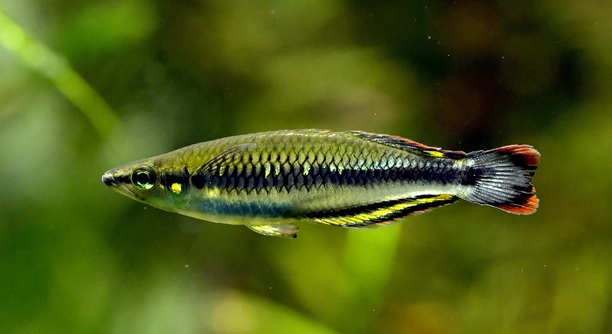
Do you ever notice your rainbowfish hanging near the water’s surface, appearing to struggle for air? Many fish owners see this behavior and wonder if it signals a problem in their aquarium environment.
Rainbowfish gasp at the top mainly due to low oxygen levels in the water. Inadequate aeration, poor circulation, or overcrowding can reduce dissolved oxygen, causing fish to seek air near the surface where oxygen is more available.
Knowing why rainbowfish behave this way helps maintain a healthier tank. Proper care and observation can prevent serious health issues for your aquatic pets.
Common Reasons for Gasping
Rainbowfish may gasp at the top due to several common issues in the aquarium. Poor water quality is often the main factor. When ammonia, nitrite, or nitrate levels rise, fish become stressed and seek oxygen-rich areas. Overcrowding also reduces available oxygen, forcing fish to the surface. Temperature plays a role too; warmer water holds less oxygen, which can lead to gasping. In my experience, even minor changes in tank conditions, like adding new decorations or plants, can affect water circulation and oxygen levels. Sometimes, it’s as simple as insufficient filtration or lack of movement in the water. Observing your rainbowfish closely and testing water parameters regularly helps identify these problems early. By addressing these factors promptly, you can reduce stress and support healthier behavior in your fish. Regular monitoring and small adjustments often prevent gasping before it becomes serious.
Maintaining clean water and proper aeration usually resolves most gasping issues quickly.
Even with good care, rainbowfish may gasp if their environment suddenly changes. Adding too many fish at once or altering the temperature too quickly can shock them. Proper acclimation and steady water conditions are key. Gentle aeration, good filtration, and monitoring oxygen levels help fish stay comfortable. Small daily checks can prevent long-term stress and improve overall health. Over time, consistent care makes your rainbowfish more resilient and reduces the chance of gasping at the surface, allowing them to swim and display their natural colors without struggle.
Improving Oxygen Levels
Adding an air pump or increasing water flow can help oxygenate the tank and reduce gasping.
Proper aeration, temperature control, and plant management all contribute to better oxygen levels. Live plants release oxygen during the day, but they also consume it at night, so balance is important. Avoid overcrowding and ensure the filtration system moves water efficiently without creating strong currents that stress fish. Monitoring temperature helps maintain dissolved oxygen, especially in warmer tanks. Sometimes small changes, like adjusting the tank lid or moving decorations, improve circulation. Regular water changes prevent harmful buildup and maintain a stable environment. Combining these steps supports your rainbowfish’s health, reduces gasping behavior, and creates a more balanced, thriving aquarium. Consistency is essential for long-term success.
Tank Maintenance Tips
Regular water changes help keep rainbowfish healthy and reduce gasping. Removing 20–30% of the water weekly prevents harmful buildup of waste and toxins. Testing water parameters frequently ensures ammonia, nitrite, and nitrate remain at safe levels.
Keeping the tank clean goes beyond water changes. Scrubbing algae, vacuuming substrate, and cleaning filters are essential. Filters remove debris and support water circulation, which helps oxygen reach all areas of the tank. I usually clean the filter media gently to avoid killing beneficial bacteria. Over time, consistent maintenance prevents stress and keeps rainbowfish swimming actively. Even small lapses in cleaning can lead to gasping, so staying on schedule matters.
Aeration devices complement maintenance by improving oxygen distribution. Air stones, pumps, or surface agitation increase dissolved oxygen, particularly in warmer tanks or heavily stocked aquariums. Combining good cleaning habits with proper aeration creates a healthier environment. Observing fish behavior during maintenance also helps spot early signs of stress or illness. Adjusting care based on what you notice ensures rainbowfish remain active, vibrant, and comfortable in their habitat, reducing gasping incidents effectively.
Feeding and Nutrition
Balanced nutrition strengthens rainbowfish and reduces stress-related gasping. Feeding small portions several times a day prevents overfeeding and water contamination.
High-quality flake, pellet, and occasional live foods provide essential nutrients. I rotate food types to offer variety and support growth, color, and energy. Overfeeding leads to leftover food decomposing, which lowers oxygen levels and contributes to gasping. Providing an appropriate portion for the number of fish helps maintain water quality and keeps rainbowfish healthy. Observation is key; fish that eagerly eat and swim actively are likely receiving proper nutrition.
Some rainbowfish benefit from supplemental vitamins or frozen foods. Shrimp, daphnia, and bloodworms supply protein and encourage natural foraging behavior. Feeding too much at once can stress the fish and reduce oxygen in the tank, making them gasp more frequently. I monitor feeding habits closely and adjust based on activity levels. By combining a balanced diet with careful portioning, I keep the fish energetic and colors vivid. Proper nutrition works hand-in-hand with tank care to support long-term health and reduce surface gasping effectively.
Water Temperature
Maintaining a stable water temperature is crucial for rainbowfish. Sudden changes can stress them, causing gasping. Most species thrive between 75–82°F, and using a reliable heater helps prevent fluctuations.
Extreme heat lowers dissolved oxygen, which forces fish to the surface. Cooler water holds more oxygen, but abrupt drops also create stress. Monitoring temperature daily ensures a stable environment.
Signs of Stress
Rainbowfish show stress through erratic swimming, faded colors, and gasping at the top. Consistently observing behavior helps catch issues early.
Stress often stems from poor water quality, overcrowding, or sudden environmental changes. Fish under stress may also hide more, lose appetite, or become lethargic. Recognizing these signs promptly allows for quick adjustments to their environment, reducing risk of illness and improving overall wellbeing.
Choosing the Right Tankmates
Selecting compatible tankmates prevents competition for oxygen and reduces aggression. Avoid overly aggressive or large species that may stress rainbowfish.
Peaceful community fish that occupy different water levels allow rainbowfish space to swim and breathe comfortably. Overcrowding or introducing incompatible fish can increase stress and lead to more surface gasping.
FAQ
Why is my rainbowfish constantly at the surface?
Rainbowfish often stay at the surface when oxygen levels are low. Warm water, overcrowding, or poor filtration can reduce oxygen. Observing tank conditions, testing water, and ensuring good aeration usually resolves this issue. Maintaining steady temperature and proper water movement helps them stay comfortable throughout the day.
Can poor water quality make rainbowfish gasp?
Yes, high ammonia, nitrite, or nitrate levels stress rainbowfish and reduce their ability to absorb oxygen. Even small water changes can make a difference. Testing regularly and keeping the tank clean prevents gasping and long-term health problems. I often notice improvement within a few days after correcting water parameters.
Does tank size affect gasping?
Smaller tanks can cause oxygen depletion faster, especially when overcrowded. Rainbowfish need space to swim freely and access oxygen near the surface. Ensuring adequate tank size and limiting the number of fish per gallon reduces stress and supports healthy behavior.
Can temperature changes cause gasping?
Yes, sudden changes in temperature can shock rainbowfish. Warmer water holds less oxygen, while abrupt drops cause stress. A consistent temperature within the ideal range, usually 75–82°F, keeps rainbowfish active and reduces gasping. Using a reliable heater and thermometer helps maintain stability.
Will adding plants help oxygen levels?
Live plants produce oxygen during the day but consume it at night. They improve overall water quality and provide hiding spots. Balance is key—too many plants in a small tank can limit swimming space. Observing fish behavior helps determine the right plant density for oxygen support.
Can overfeeding cause gasping?
Overfeeding leads to leftover food decomposing, which reduces oxygen in the water. Feeding small portions multiple times a day ensures proper nutrition without harming water quality. I usually feed just enough that fish consume all food within a few minutes, avoiding oxygen depletion.
Is an air pump necessary for rainbowfish?
An air pump or surface agitation helps improve oxygen levels, especially in tanks with warm water or many fish. While not always required, using one can prevent gasping and keep the fish comfortable. Adjust placement to avoid strong currents that might stress the fish.
Do stress and illness affect gasping?
Yes, stressed or sick rainbowfish often gasp more frequently. Stress can come from aggressive tankmates, poor water quality, or sudden environmental changes. Illness can also reduce oxygen uptake. Observing signs like faded colors, lethargy, or reduced appetite helps identify problems early.
Can water circulation make a difference?
Proper water movement ensures oxygen is evenly distributed. Dead spots in the tank can cause gasping in certain areas. Adjusting filter output or adding a small powerhead can improve circulation without creating strong currents that upset rainbowfish.
How quickly can I fix gasping behavior?
Once the source is identified, improvements in oxygenation, water quality, or temperature often show results within a few days. Consistency is key—maintaining regular tank care and monitoring behavior ensures the rainbowfish recover fully and remain active.
Are there any signs that indicate permanent damage?
Prolonged stress or low oxygen can weaken immune systems, making rainbowfish more prone to disease. Persistent lethargy, faded colors, or frequent gasping despite proper care may indicate long-term effects. Early intervention is essential to prevent permanent health issues.
Can I prevent gasping altogether?
Maintaining clean water, stable temperature, proper aeration, and balanced feeding significantly reduces gasping risks. Choosing compatible tankmates and avoiding overcrowding creates a comfortable environment. Regular observation allows you to catch early signs of stress and adjust care before problems develop.
Does tank decoration affect oxygen levels?
Decorations and plants can influence water circulation. Crowded or poorly arranged setups may create low-oxygen spots, causing gasping. Arranging decorations to allow free swimming and water flow ensures rainbowfish can access oxygen easily and reduces surface gasping behavior.
How often should I test water?
Testing weekly or after any major change is best. Monitoring ammonia, nitrite, nitrate, and pH levels helps catch problems early. I keep a simple log of readings to track trends and adjust care before gasping or stress appears.
Can rainbowfish recover fully after gasping episodes?
Yes, with proper care, rainbowfish can recover fully. Correcting oxygen levels, water quality, temperature, and nutrition allows them to regain strength and reduce surface gasping. Observing behavior daily ensures the tank stays optimal and prevents repeated stress episodes.
Are some rainbowfish species more prone to gasping?
Some species that prefer cooler, oxygen-rich waters may show gasping more quickly in warmer tanks. Researching species-specific needs and adjusting tank conditions accordingly helps prevent oxygen stress and supports healthy, active fish.
Do filters alone prevent gasping?
Filters improve circulation and remove debris but may not fully prevent gasping. Adequate aeration, water changes, and tank size are also important. I use a combination of filter maintenance, air pumps, and water monitoring to ensure rainbowfish remain comfortable.
Can nighttime oxygen dips be an issue?
Yes, plants and fish consume oxygen at night, which can cause brief gasping episodes. Adding gentle aeration or reducing plant density helps maintain oxygen levels and ensures rainbowfish are not stressed during dark periods.
Is surface agitation enough for oxygen?
Surface agitation helps oxygen exchange but may not fully solve gasping if water quality or temperature is poor. Combining proper filtration, aeration, and regular water changes ensures rainbowfish stay healthy and reduces stress-related behaviors.
Do tankmates influence gasping behavior?
Aggressive or large tankmates can stress rainbowfish, leading to more gasping. Choosing peaceful, compatible species and monitoring interactions helps create a calm environment where fish can swim freely and breathe easily.
How do I know if my rainbowfish is comfortable?
Active swimming, bright colors, regular feeding, and minimal surface gasping indicate comfort. Observing daily allows you to detect small changes early. I often adjust care slightly when I notice subtle stress signs, keeping rainbowfish vibrant and healthy.
Final Thoughts
Rainbowfish are active, colorful fish that bring life to any aquarium, but they require careful attention to stay healthy. One of the most noticeable signs of stress or poor conditions is gasping at the surface. This behavior usually indicates low oxygen levels or environmental problems that need to be addressed promptly. Consistent tank maintenance, proper aeration, and monitoring water quality are essential steps to prevent gasping. I have found that small, regular adjustments often work better than sudden changes. For example, performing partial water changes weekly, rather than a full tank swap, helps maintain stability while improving overall water quality. Similarly, testing temperature, ammonia, nitrite, and nitrate levels regularly allows you to catch small issues before they become major problems.
Providing a stable, comfortable environment is only part of keeping rainbowfish healthy. Nutrition plays a significant role in supporting their energy levels and overall wellbeing. Feeding a balanced diet of high-quality flakes, pellets, and occasional live or frozen foods helps rainbowfish grow and display their natural colors. Overfeeding can lead to water contamination, which reduces oxygen and contributes to gasping, so portion control is important. In my experience, observing fish while feeding provides insight into their health. Active, alert rainbowfish that eat enthusiastically are usually well-nourished and comfortable in their tank. Combining good nutrition with proper tank conditions creates an environment where rainbowfish can thrive and minimizes stress behaviors like surface gasping.
Finally, paying attention to behavior and tank dynamics makes a significant difference. Gasping may also be influenced by overcrowding, aggressive tankmates, or sudden changes in water temperature. Choosing compatible fish, maintaining proper stocking levels, and monitoring behavior closely can prevent unnecessary stress. Small additions, like an air pump or surface agitation, often improve oxygen levels and overall comfort. I have noticed that rainbowfish respond quickly when their environment is adjusted thoughtfully, and they return to active swimming rather than lingering at the surface. Taking a patient, consistent approach ensures that rainbowfish remain healthy, vibrant, and stress-free. By combining regular maintenance, balanced nutrition, and careful observation, you can create an aquarium where gasping becomes a rare occurrence, allowing rainbowfish to display their natural beauty fully.

Hello,
If you enjoy the content that we create, please consider saying a "Thank You!" by leaving a tip.
Every little bit helps us continue crafting quality advice that supports the health, happiness, and well-being of pets around the world, for pets of all shapes, sizes, and species.
We really appreciate the kindness and support that you show us!