
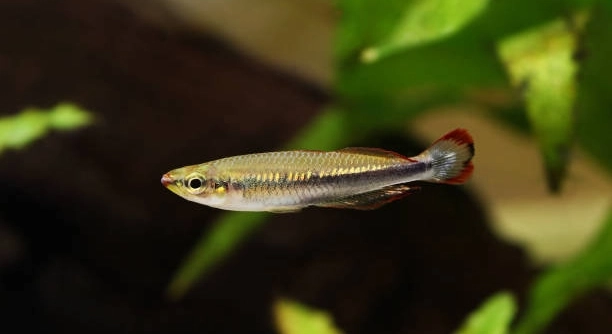
Rainbowfish are small, colorful freshwater fish often kept in home aquariums. They are active swimmers and social creatures, moving in groups and interacting with each other. Observing their behavior can be surprisingly engaging for hobbyists and researchers alike.
Rainbowfish are capable of recognizing familiar faces among their own species. Studies show they respond differently to known individuals compared to strangers, demonstrating memory and social recognition abilities that play a role in group dynamics and territorial interactions.
These social skills make rainbowfish more interesting than just their colors. Understanding how they recognize each other reveals a lot about their natural behaviors.
How Rainbowfish Recognize Faces
Rainbowfish use visual cues to distinguish familiar individuals. Their eyes are adapted to notice subtle differences in shape, color, and pattern, which helps them remember who they have interacted with before. In an aquarium, you may notice certain fish swimming closer to some tank mates while avoiding others. This behavior suggests memory and recognition skills. Researchers have observed that rainbowfish can retain these memories for several weeks, allowing them to maintain social bonds and reduce aggression. Social recognition is particularly important in groups, as it helps maintain harmony and reduces unnecessary conflict. Fish that are familiar with each other often swim together and share territory more peacefully. Recognition also aids in breeding, as rainbowfish tend to prefer mating with familiar or dominant individuals. The ability to identify others is not just instinctive; it reflects learning from experience and adapting behavior over time. This makes rainbowfish more complex than they appear at first glance.
Their recognition skills improve as they spend more time with specific tank mates, showing memory development over weeks.
Understanding these interactions provides insight into social structures, aggression management, and even stress levels in aquariums. Watching how rainbowfish respond to newcomers or familiar faces can teach a lot about their needs and preferences. Regular observation allows caretakers to see who dominates, who prefers solitude, and how groups shift over time. These patterns help in setting up tanks that reduce conflict and ensure all fish are healthy and active. Simple changes, like adjusting the number of hiding spots or rearranging decorations, can influence social interactions and recognition behaviors. Over time, rainbowfish show clear preferences, demonstrating learning, memory, and social awareness.
Factors Affecting Recognition
Water clarity impacts how well rainbowfish recognize each other. Murky or heavily tinted water can interfere with their visual cues and make interactions less accurate.
Other factors, such as stress, tank size, and overcrowding, influence how effectively rainbowfish can identify familiar faces. Stress can reduce attention and memory function, making recognition harder. In small or crowded tanks, individuals may not have enough space to observe and interact with each other properly. Lighting also plays a role, as colors and patterns are more distinguishable under adequate illumination. Seasonal changes, diet, and age can further affect visual acuity and social behavior. For example, younger fish may take longer to learn and remember individuals, while older fish rely more on established memories. Environmental enrichment, like plants or hiding spots, allows for more natural social interactions and reinforces recognition skills. By understanding these factors, caretakers can create conditions that encourage healthy social behavior, minimize aggression, and promote long-term wellbeing in rainbowfish populations. Observing these subtle cues can reveal surprising intelligence and complexity in these vibrant fish.
Training and Memory
Rainbowfish can learn to recognize individuals over time. Repeated interactions strengthen their memory, allowing them to respond differently to familiar tank mates versus strangers.
This recognition is built through consistent exposure and observation. Fish notice behavior, movement patterns, and subtle color differences. Over days or weeks, they associate certain individuals with safety, companionship, or competition. This learning process helps them navigate social hierarchies and reduce unnecessary conflicts. Caretakers may notice that some fish are calm around certain peers but tense or defensive around others, showing that memory plays a key role in their daily interactions.
Memory in rainbowfish is flexible. If a familiar fish is removed and later reintroduced, the remaining fish often react as if seeing an old acquaintance. This indicates not only short-term learning but also long-term recognition. Environmental changes or stress can temporarily impair memory, yet rainbowfish typically regain their recognition abilities once conditions stabilize. Their social memory supports group stability and helps maintain balance in the tank, showing a level of cognitive complexity not always expected in small fish.
Observation and Behavior
Observing rainbowfish closely reveals how recognition affects swimming patterns, proximity, and interactions. Fish often form subgroups based on familiarity.
Familiarity guides movement and interaction in groups. Fish may swim closer to known individuals, follow them during feeding, or avoid confrontation by keeping distance from less familiar tank mates. Aggression is often lower among fish that recognize each other, reducing stress and potential injuries. Patterns of recognition can be subtle, like synchronized swimming or gentle nudges, but they indicate memory and social awareness. Over time, these behaviors create a more stable and predictable tank environment, where social bonds influence hierarchy, territory, and even mating preferences.
Social Hierarchy
Rainbowfish establish social hierarchies that rely on recognition. Dominant fish often approach familiar peers confidently, while subordinates keep their distance.
Hierarchy helps reduce conflicts and maintain group stability. Fish remember who holds dominance, which influences feeding order, swimming positions, and interactions. Familiarity strengthens these social structures.
Visual Cues
Rainbowfish rely on color patterns, size, and movement to identify others. These visual cues are essential for social recognition and safe interactions.
Recognizing visual differences allows them to distinguish between familiar and unfamiliar individuals. Changes in lighting, water clarity, or environment can affect how effectively they see and respond to these cues.
Environmental Influence
Tank setup, decorations, and hiding spots impact recognition. Fish need clear lines of sight to learn and remember their tank mates.
Adjusting the environment can improve social interactions. Crowded or overly complex setups may hinder recognition, causing stress or aggression in rainbowfish.
FAQ
How long can rainbowfish remember familiar faces?
Rainbowfish can remember familiar individuals for several weeks. The memory appears strongest when interactions are consistent, such as swimming together daily or sharing feeding times. Even after a short separation, they often react to known tank mates as if no time has passed.
Do all rainbowfish recognize each other equally?
Not all fish have the same recognition ability. Age, health, and personality influence how well a fish identifies others. Younger or more timid fish may take longer to remember peers, while dominant or more active fish learn quickly and respond confidently to familiar individuals.
Can rainbowfish recognize humans?
Rainbowfish primarily rely on visual cues from their species. While they can learn to respond to repeated human presence, they do not truly “recognize” humans like they do other fish. Over time, they may associate feeding or gentle interaction with specific people.
Does tank size affect recognition?
Yes, tank size plays a significant role. In smaller tanks, fish have constant exposure to each other, which may strengthen recognition. In larger or overcrowded tanks, fish may not interact as often, making it harder to remember and identify specific individuals accurately.
What environmental factors impact recognition?
Water clarity, lighting, and decorations all affect recognition. Murky water or dim lighting reduces the ability to see subtle patterns and colors. Dense decorations or cluttered tanks limit line of sight, making interactions less frequent and weakening social bonds.
Do rainbowfish remember fish that were removed from the tank?
Often, yes. If a familiar fish is reintroduced after some time away, the remaining fish may respond as if seeing an old acquaintance. The reaction can include approaching, swimming in sync, or reduced aggression compared to new, unfamiliar individuals.
How does recognition affect aggression?
Recognizing familiar faces helps reduce aggression. Fish are less likely to fight known peers and often establish stable hierarchies. Unfamiliar fish may face increased chasing or defensive behavior until recognition develops or dominance is established.
Does recognition influence breeding behavior?
Yes. Rainbowfish often show mating preferences toward familiar or dominant individuals. Memory and recognition guide who they swim with and who they allow close during courtship. This helps maintain social harmony and improves breeding success in both home aquariums and natural habitats.
Can rainbowfish learn over time?
Rainbowfish show learning through repeated exposure and observation. They notice behavior patterns, colors, and interactions, allowing them to remember who is safe or dominant. Memory strengthens with consistent, low-stress environments where fish can freely interact and observe one another.
Are there differences between species in recognition ability?
Different species of rainbowfish may vary in recognition skills. Some species are more social and rely heavily on memory for group interactions, while others are more independent and may respond less to familiar individuals. Environmental conditions and natural behavior patterns influence these differences.
What happens if recognition is impaired?
If fish cannot recognize each other, stress and aggression increase. Fish may fight more often, compete for territory unnecessarily, or experience anxiety-like behaviors. Providing a stable environment with clear visual access and proper group sizes helps support recognition and reduces tension in the tank.
Can recognition change over time?
Yes, recognition can improve or decline depending on health, stress, and social exposure. Fish that consistently interact with the same peers maintain strong recognition, while prolonged stress or illness can temporarily impair memory and social response.
Do rainbowfish show preferences for specific individuals?
Rainbowfish often favor certain tank mates over others. Preferences are based on familiarity, personality, and social hierarchy. Some fish swim closer to peers they trust or feel safer with, forming subgroups that reflect memory and social awareness.
How can caretakers support recognition?
Keeping a stable group, maintaining water clarity, and providing ample space and hiding spots support recognition. Regular observation allows caretakers to notice social patterns, reduce stress, and intervene if aggression rises. Consistent feeding and interaction routines also help fish remember each other more effectively.
Are there signs that a fish does not recognize others?
Signs include frequent chasing, heightened aggression, and avoidance of previously familiar fish. Fish may treat all tank mates as strangers, indicating that memory or recognition is impaired, often due to stress, overcrowding, or poor environmental conditions.
Do rainbowfish form long-term bonds?
Rainbowfish can form stable associations with familiar individuals. While not “friendships” in a human sense, these bonds influence swimming patterns, territory sharing, and reduced aggression. Bonds strengthen over repeated interaction, showing memory and social awareness play a key role in their behavior.
Is recognition affected by age?
Younger fish take time to learn and remember peers, while older fish rely more on established social memory. Age affects both visual acuity and social experience, influencing how quickly fish recognize and respond to familiar individuals.
Can diet influence recognition?
A balanced diet supports brain function and overall health, indirectly affecting memory. Malnutrition or inconsistent feeding may reduce cognitive abilities, making it harder for rainbowfish to remember familiar individuals and respond appropriately in social interactions.
Are there experiments showing rainbowfish recognition?
Yes, studies have tested fish by introducing familiar and unfamiliar individuals and observing behavior. Consistently, rainbowfish show measurable differences in approach, swimming patterns, and aggression, demonstrating memory and recognition abilities that are reliable across controlled experiments.
How reliable is recognition in captivity versus the wild?
Recognition is generally reliable in both settings. However, stress, crowding, and environmental complexity in captivity can influence how well fish remember others. In the wild, consistent group structures and natural interactions may strengthen recognition over time, while captivity requires careful management to maintain these skills.
Can rainbowfish forget familiar individuals?
Memory is not permanent. Extended separation, stress, or illness can weaken recognition. Upon reintroduction, fish may react cautiously or treat familiar peers as strangers, though repeated interaction often restores memory and social bonds.
Rainbowfish are much more than colorful aquarium fish. Their ability to recognize familiar faces shows that they have memory and social awareness, which is not always expected in small fish. Observing them carefully reveals patterns in swimming, feeding, and interactions that are guided by recognition. Fish that know each other often stay close, follow one another, and avoid unnecessary conflicts, which helps maintain peace within the group. Even small changes in their environment can influence these behaviors, showing how sensitive they are to their surroundings. Understanding this aspect of rainbowfish behavior can make caring for them more rewarding and can improve the overall health of the aquarium.
Recognition is a skill that develops over time. Fish learn through repeated interactions, noticing subtle differences in color, size, and movement. Younger or less experienced fish may take longer to remember their tank mates, while older or more dominant fish respond quickly to familiar individuals. Memory plays a central role in social hierarchy and aggression management, allowing rainbowfish to navigate group dynamics effectively. If a fish is removed and later returned, the others often recognize it, demonstrating both short-term and long-term memory. Proper tank setup, clear water, and enough space for swimming and observation all support this learning process. By providing a stable environment, caretakers can help rainbowfish maintain strong recognition abilities and reduce stress or conflicts in the group.
Rainbowfish recognition is also connected to health and wellbeing. Stress, poor water quality, overcrowding, and lack of hiding spots can impair memory and social behavior. On the other hand, a thoughtfully arranged tank with clear sightlines and proper lighting encourages natural interactions and strengthens memory. Recognition influences more than just social interactions; it affects feeding patterns, territory sharing, and even mating preferences. Fish that remember each other tend to have calmer, more stable relationships, which contributes to a healthier and more peaceful aquarium. Paying attention to these behaviors can help caretakers make informed decisions about tank arrangements, group sizes, and care routines. In the end, understanding how rainbowfish recognize familiar faces provides insight into their intelligence, social complexity, and emotional responses, making it easier to create a supportive environment where they can thrive.

Hello,
If you enjoy the content that we create, please consider saying a "Thank You!" by leaving a tip.
Every little bit helps us continue crafting quality advice that supports the health, happiness, and well-being of pets around the world, for pets of all shapes, sizes, and species.
We really appreciate the kindness and support that you show us!