
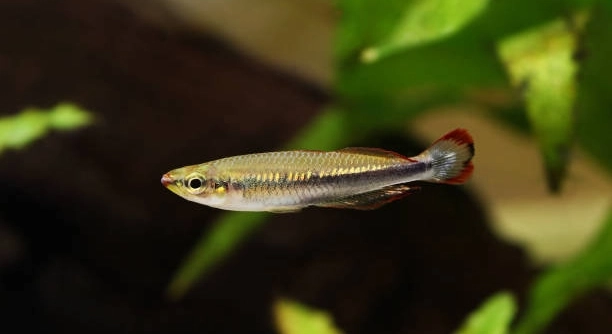
Have you ever noticed your rainbowfish swimming the same patterns every day, appearing restless or bored in their aquarium? Maintaining their mental well-being is essential for their overall health and vibrant behavior. Small changes can make a big difference.
Rainbowfish require environmental enrichment to remain mentally stimulated. Providing varied decorations, plants, and interactive elements encourages natural behaviors, prevents stress, and promotes cognitive engagement. Regularly rotating these elements ensures continuous mental activity and supports their overall well-being.
These simple approaches can transform your aquarium into a more engaging space. The right strategies will keep your rainbowfish active and thriving consistently.
Create a Varied Environment
Rainbowfish thrive when their surroundings change often. Adding plants, rocks, and hiding spots keeps them curious and encourages natural behavior. Open swimming areas combined with structured zones give them a sense of security while allowing exploration. Moving ornaments occasionally prevents monotony. Using floating plants or moss can create interesting shadows and textures for them to investigate. Small caves or tunnels give fish safe places to rest, reducing stress and improving activity. Varying decorations in size and color can make the tank visually stimulating, helping your fish differentiate spaces. Natural-looking substrates like sand or gravel also add tactile interest. Avoid overcrowding the tank; spacing decorations thoughtfully ensures free swimming paths and reduces territorial disputes. Introducing subtle currents with filters or air stones can mimic natural movement and challenge the fish slightly. Consistently changing parts of the environment fosters mental engagement while supporting overall health.
A varied environment helps rainbowfish stay active, curious, and healthy. Small changes can have a lasting impact.
Even minor adjustments in placement or type of decoration encourage exploration. Rainbowfish notice differences in textures, colors, and hiding spots, which keeps them attentive. Rotating plants, introducing small ornaments, or adding floating objects gives them new areas to investigate. This stimulation reduces boredom, prevents repetitive swimming, and promotes natural behavior patterns. By adjusting lighting or water flow slightly, fish can experience changes similar to their natural habitat. Mental enrichment also strengthens their problem-solving skills, such as navigating tunnels or interacting with objects. Maintaining a balance between open swimming space and hiding spots ensures they do not feel confined or stressed. Over time, these changes help your rainbowfish remain lively, responsive, and display more natural behaviors, creating a healthier and more dynamic aquarium environment.
Introduce Interactive Feeding
Interactive feeding encourages rainbowfish to think and engage. Using feeding tools or hiding food makes mealtimes stimulating.
Hiding food in plants, behind rocks, or in floating feeders prompts natural foraging behavior. This type of feeding prevents boredom and supports mental activity.
Interactive feeding transforms routine meals into a cognitive activity. By scattering food or using tools like pipettes and feeding rings, you encourage rainbowfish to explore and search actively. This mimics natural foraging in rivers or streams, keeping them alert and reducing stress-related behaviors. You can occasionally vary the types of food, combining flakes, pellets, and live options like brine shrimp, which adds new textures and challenges. Even placing small amounts in different areas each day keeps fish engaged and reduces competition. Over time, rainbowfish learn to investigate different corners of the tank, becoming more confident and active. Interactive feeding also provides insight into their preferences and behavior patterns, allowing you to adjust enrichment strategies. Consistency in this approach, paired with environmental variation, ensures your fish remain mentally stimulated while maintaining their health and vitality.
Add Hiding Spots
Hiding spots reduce stress and encourage exploration. Small caves, tunnels, or dense plant clusters give rainbowfish safe places to retreat while promoting natural curiosity.
Hiding spots allow rainbowfish to feel secure, which is important for their mental health. When fish have options to retreat, they are less likely to show signs of stress or aggression. By providing various shelters of different sizes, you give them opportunities to choose where to rest or explore. Rock formations, ceramic decorations, or dense plant groupings create diverse environments, allowing fish to navigate, investigate, and interact with their surroundings. This variation keeps their minds active and encourages natural behaviors like exploring and seeking shelter. Hiding areas also give shy fish a chance to acclimate to the tank environment safely, helping them gain confidence over time. Rotating or changing these spots occasionally increases interest and reduces boredom, keeping the aquarium mentally stimulating.
Shaded areas created by hiding spots help rainbowfish observe their environment from a secure position. Small caves encourage interaction while maintaining comfort and safety.
Use Floating Objects
Floating objects stimulate natural instincts and curiosity. They create shade, movement, and exploration opportunities that rainbowfish respond to actively.
Floating objects like plants, driftwood, or small ornaments provide changing light patterns and shadowing, making the tank more engaging. Rainbowfish are naturally curious and investigate floating items, swimming around them and sometimes using them as temporary shelters. Adding gentle movement with water flow makes objects shift slowly, encouraging observation and problem-solving. Over time, the fish learn to associate floating items with new areas to explore, keeping their minds active. Varying the placement or type of floating objects prevents monotony and promotes ongoing interaction. Even simple items like floating moss or leaf clusters give visual stimulation, enrich the habitat, and reduce stress. This approach creates an environment that continuously challenges the fish, fostering mental engagement and physical activity while maintaining a natural feel.
Floating objects also help break light and shadow in the tank. Fish explore and interact, maintaining curiosity and mental alertness throughout the day.
Rotate Decorations
Changing decorations regularly keeps rainbowfish engaged. New objects or rearranged plants encourage exploration and curiosity, preventing boredom.
Even small adjustments, like moving rocks or swapping plants, provide fresh areas to investigate. This rotation stimulates natural behaviors and helps maintain mental activity.
Provide Companions
Rainbowfish are social creatures that benefit from having other fish around. Small groups reduce stress, promote interaction, and encourage playful swimming patterns.
Vary Water Flow
Altering water flow with filters or air stones stimulates movement and exploration. Fish navigate currents, which encourages activity and helps maintain alertness.
Introduce Light Variations
Adjusting light intensity or timing gently mimics natural day-night cycles. Rainbowfish respond to these changes, staying attentive and mentally engaged.
FAQ
How often should I change decorations in my rainbowfish tank?
Changing decorations every few weeks is usually enough to maintain interest. Even slight shifts in plant placement or adding small objects can stimulate exploration. Frequent changes are not necessary, but occasional rearrangement helps prevent boredom and keeps fish mentally active.
Can I use any type of plant or ornament for mental stimulation?
It’s best to choose safe, non-toxic plants and decorations. Live or silk plants work well, and smooth rocks or ceramic ornaments are ideal. Avoid sharp or rough surfaces that could injure your rainbowfish. Decorations should be sized appropriately to allow swimming space and hiding opportunities.
Will adding more fish improve mental stimulation?
Rainbowfish are social, so adding a few compatible companions can enhance interaction. A small group encourages natural schooling behavior, reduces stress, and provides opportunities for playful movement. Overcrowding should be avoided, as it can lead to stress and aggression, defeating the purpose of enrichment.
How can I make feeding more stimulating?
Using floating feeders, scatter feeding, or hiding food behind plants encourages natural foraging behavior. Varying food types, like flakes, pellets, or live foods such as brine shrimp, also keeps feeding engaging. This method helps develop problem-solving skills while promoting mental alertness and physical activity.
Are floating objects really necessary for stimulation?
Floating objects add variety by creating shadows and movement in the tank. They provide visual interest, mild obstacles to navigate, and resting points under shaded areas. While not essential, they contribute significantly to mental engagement and mimic elements of a natural habitat.
How does water flow affect rainbowfish behavior?
Altering water flow with filters or air stones simulates currents found in their natural environment. Fish navigate these currents, which promotes swimming activity, coordination, and attentiveness. Gradual changes in flow encourage exploration without causing stress, keeping fish physically and mentally stimulated.
Can light changes benefit my rainbowfish?
Yes, gently adjusting light intensity or duration mimics natural day-night cycles, which rainbowfish respond to naturally. Gradual light variation enhances alertness, encourages exploration, and supports their biological rhythms. Avoid sudden, intense changes, which can stress the fish and reduce their willingness to interact with their environment.
How do hiding spots improve mental health?
Hiding spots provide security and reduce stress, allowing rainbowfish to retreat when needed. Small caves, tunnels, and dense plant clusters encourage investigation, decision-making, and movement. Rotating or slightly changing these shelters periodically keeps fish curious and promotes natural behaviors consistently.
What is the role of group interaction in mental stimulation?
Rainbowfish are schooling fish, and interaction with others promotes social behavior. Swimming in groups encourages coordination, reduces fear, and stimulates curiosity. Observing companions also inspires activity, exploration, and engagement with the tank’s environment, reinforcing overall mental well-being.
How can I tell if my rainbowfish are mentally stimulated?
Active swimming, exploration of decorations, interaction with companions, and responsive behavior during feeding are good indicators. Fish that engage with new objects, investigate different areas, or follow natural swimming patterns are showing healthy mental activity. Inactive or repetitive behavior may signal boredom or stress, indicating a need for enrichment adjustments.
Is there a risk of overstimulation?
Yes, excessive changes or too many objects can stress rainbowfish. Gradual adjustments and balanced enrichment are key. Providing enough open space for swimming alongside mental challenges ensures stimulation without overwhelming the fish, maintaining both physical and mental health.
Can I combine multiple methods for better results?
Combining environmental changes, interactive feeding, companions, hiding spots, and gentle light or water flow variations produces the best outcomes. Using a mix of techniques engages multiple senses and encourages natural behaviors, keeping rainbowfish active, curious, and mentally healthy consistently.
Keeping rainbowfish mentally stimulated is an essential part of their care. Providing a variety of decorations, hiding spots, and floating objects gives them places to explore and interact with their environment. These changes do not have to be large or complicated. Even small adjustments, like moving a rock or switching the position of a plant, can make the tank more interesting for them. Mental stimulation helps reduce stress, encourages natural behaviors, and keeps fish active throughout the day. A tank that provides opportunities for exploration and problem-solving creates a healthier, more vibrant environment for rainbowfish. Observing their reactions to these changes can also help you understand their preferences and needs better.
Interactive feeding is another important way to support mental engagement. Scattering food, using floating feeders, or hiding treats among plants encourages rainbowfish to forage naturally. Varying food types, such as flakes, pellets, or occasional live foods, provides new textures and challenges for them. Feeding in this way not only keeps them physically active but also encourages problem-solving and attention. Over time, fish learn to navigate their environment with more confidence, exploring new areas and interacting with decorations more consistently. Combining interactive feeding with environmental enrichment enhances both mental and physical activity, ensuring that your rainbowfish remain lively and healthy.
Social interaction also contributes significantly to mental stimulation. Rainbowfish are schooling fish and benefit from the presence of compatible companions. Swimming together encourages natural movement patterns, reduces stress, and promotes curiosity. Providing adequate space for all fish to explore, while offering hiding spots and shaded areas, helps maintain balance and prevents aggression. Additional changes, like adjusting light levels or creating gentle currents with filters or air stones, further enrich their environment. These combined efforts support mental engagement, reduce boredom, and contribute to overall well-being. By taking a consistent, thoughtful approach to enrichment, you create a dynamic and stimulating aquarium that helps rainbowfish thrive, both mentally and physically.

Hello,
If you enjoy the content that we create, please consider saying a "Thank You!" by leaving a tip.
Every little bit helps us continue crafting quality advice that supports the health, happiness, and well-being of pets around the world, for pets of all shapes, sizes, and species.
We really appreciate the kindness and support that you show us!