
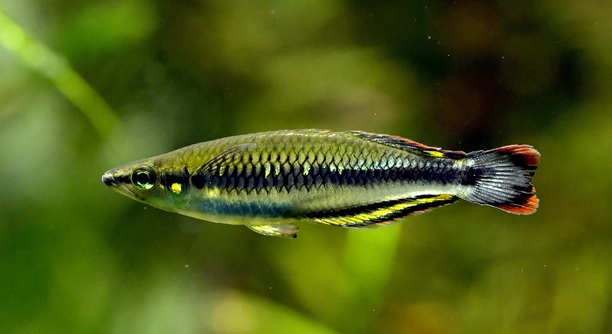
Rainbowfish are small, colorful freshwater fish that many people keep in home aquariums. Their shimmering scales and active swimming patterns make them popular pets for hobbyists of all ages, creating a lively atmosphere in any tank.
Research indicates that rainbowfish may display basic emotional awareness through behavioral responses to environmental changes and social interactions. While they lack complex cognition, studies suggest they can experience stress, comfort, and social bonding in measurable ways.
Understanding how these fish react to their surroundings can help owners create better care routines and improve the overall wellbeing of their aquatic pets.
How Rainbowfish Show Emotions
Rainbowfish often communicate their feelings through behavior rather than sound. You may notice changes in swimming patterns, such as sudden bursts of speed or hiding when stressed. Color intensity can also shift slightly, signaling mood changes or reactions to their environment. In social settings, rainbowfish establish small hierarchies where dominant fish may chase others or display brighter colors to assert position. Observing these behaviors over time can give insight into their comfort and stress levels. Feeding routines also reveal emotional states, as stressed fish may eat less or avoid certain areas of the tank. Maintaining stable water temperature, proper tank size, and hiding spaces reduces stress, helping them express natural behaviors. Tankmates influence emotional balance as well; compatible species promote calmness, while aggressive companions increase tension. Even small adjustments, like gentle lighting changes or rearranged decorations, can affect mood. Paying attention to subtle cues allows caretakers to respond effectively to rainbowfish needs.
Proper observation can help you understand which environmental changes improve their overall wellbeing.
By noting how rainbowfish react to different situations, owners can better interpret their moods. This understanding is essential for creating a stable environment. Stress can lead to disease or reduced lifespan, so recognizing early signs is key. Watching interactions between fish also shows their social preferences and compatibility. Some fish enjoy group swimming, while others prefer isolation at times. Regular monitoring of water quality, tank decorations, and lighting routines supports emotional stability. Providing varied stimuli, like occasional movement of plants or objects, can keep them engaged. While rainbowfish cannot express emotions verbally, their behavior communicates a lot when carefully observed. Consistency in care builds trust and reduces anxiety. Over time, patterns emerge that reveal preferences for space, light, and social interactions. This approach ensures healthier, more active, and visually vibrant fish in your aquarium.
Factors That Affect Emotional Awareness
Stressful environments can trigger noticeable behavioral changes in rainbowfish.
Water quality, temperature, and overcrowding significantly impact emotional stability. Sudden changes or loud vibrations cause heightened alertness or hiding. Proper diet, lighting, and compatible tankmates reduce stress, allowing fish to display normal behaviors, swim actively, and interact socially without fear.
Maintaining consistent environmental conditions is crucial for emotional awareness. Rainbowfish are sensitive to sudden water fluctuations, pH shifts, and temperature changes. Overcrowding can lead to aggression or excessive hiding, affecting their ability to interact. Lighting plays a role in mood expression, as too bright or dim conditions may cause stress. Diet variety ensures energy for normal activity, while deficient nutrition can result in lethargy or irritability. Tank decoration matters, as plants and hiding spots provide security, reducing tension and allowing natural behavior to emerge. Observing interactions with tankmates helps identify compatibility and prevent dominance disputes. Gradual adjustments in environment, such as slowly introducing new fish or decorations, minimize shock and stress. Recognizing these factors enables caretakers to support emotional stability, encouraging behaviors that indicate comfort and contentment, ultimately contributing to a healthier, more harmonious aquarium.
Recognizing Stress Signals
Rainbowfish show stress through rapid swimming, hiding, or loss of appetite. Color fading and erratic movement are common signs that something in the tank is off. Noticing these signals early can prevent health problems and improve their overall wellbeing.
Stress in rainbowfish often stems from changes in water conditions, overcrowding, or aggressive tankmates. Even minor disturbances, like sudden lighting shifts or loud vibrations, can trigger heightened alertness or hiding behaviors. Over time, prolonged stress can affect their immune system, making them more prone to illness. Observing daily routines, such as feeding patterns and swimming behavior, helps detect early signs. Ensuring proper water quality, temperature, and tank setup reduces stress and allows rainbowfish to display natural, relaxed behaviors.
Consistent monitoring is key. Fish that experience frequent stress may show long-term effects, including slower growth, reduced coloration, and diminished social interactions. Small adjustments, like adding plants for hiding or arranging swimming space, can improve comfort. Identifying specific stressors, whether environmental or social, allows you to respond effectively. Over time, these measures create a stable, healthy environment where rainbowfish can thrive and interact normally with other tankmates.
Social Behavior and Emotional Expression
Rainbowfish interact frequently with tankmates, showing preference for compatible companions. Social behavior often reflects comfort, stress, or dominance, helping to gauge emotional states. Observing patterns reveals how individual fish adapt to their environment and others around them.
Social dynamics influence rainbowfish wellbeing significantly. Fish that form small groups or pairings display calmer, more balanced behavior, while those isolated or with incompatible tankmates may hide, chase, or show aggression. Color changes often accompany these interactions, signaling dominance or stress. Understanding these relationships helps owners arrange tanks for optimal social harmony. Feeding routines also highlight social behavior, as confident fish may approach food first, while timid ones wait. Group size, tank space, and environmental complexity contribute to emotional stability and interaction patterns. Recognizing these factors allows caretakers to foster a positive, engaging atmosphere, encouraging natural behaviors.
Monitoring social behavior can also indicate subtle emotional changes. Fish that suddenly stop interacting or become overly aggressive may be experiencing stress, illness, or environmental discomfort. Maintaining consistent conditions, proper tank density, and compatible companions minimizes conflicts. Providing plants, hiding spots, and swimming areas encourages healthy interaction and reduces tension. Observing who leads or follows during swimming or feeding gives insight into hierarchy and personality differences. Adjustments based on these observations enhance both emotional and physical health. Careful attention ensures rainbowfish thrive socially and respond positively to their environment, leading to a more balanced, visually active aquarium.
Environmental Triggers
Sudden changes in water temperature or pH can cause rainbowfish to become stressed or withdrawn. Even minor disturbances, like moving tank decorations, may affect their comfort and prompt unusual behaviors.
Overcrowding or adding incompatible tankmates often leads to tension. Ensuring proper spacing and compatible species helps maintain calm interactions and reduces aggressive behavior.
Feeding and Emotional Response
Rainbowfish often react emotionally to feeding routines. Fish that feel secure and comfortable will actively swim toward food, displaying bright colors and confident behavior. Stressed fish may hesitate or hide, showing reluctance to feed. Feeding at consistent times creates stability and reduces anxiety, helping fish thrive emotionally. Observing feeding responses provides insight into their mood and comfort levels, allowing owners to adjust care accordingly. Proper nutrition also supports energy, immune function, and natural activity, ensuring rainbowfish maintain physical and emotional health while reinforcing trust and security within their tank environment.
Color Changes
Shifts in color intensity often indicate emotional states. Faded colors can signal stress, while brighter hues suggest comfort and contentment.
FAQ
How can I tell if my rainbowfish is stressed?
Stress in rainbowfish can be recognized through several behaviors. Hiding frequently, swimming erratically, or refusing food are common signs. Color fading or dullness also indicates stress. Monitoring daily routines, like feeding patterns and swimming habits, helps identify early signs, allowing you to adjust environmental conditions and tank setup.
Do rainbowfish show emotions like happiness or comfort?
Yes, rainbowfish display basic emotional responses. When comfortable, they swim actively, display vibrant colors, and interact calmly with tankmates. They may explore their environment or respond positively during feeding. Bright coloration and relaxed swimming are reliable indicators that the fish feels secure and content in its habitat.
Can tankmates affect a rainbowfish’s emotional state?
Absolutely. Aggressive or incompatible species can trigger stress, causing hiding, color fading, or erratic behavior. Compatible tankmates promote calmness, social interaction, and natural behavior patterns. Observing social dynamics helps ensure harmony, as dominant or timid fish respond differently depending on companions. Proper tank composition supports emotional stability.
Do changes in the environment impact rainbowfish emotions?
Environmental changes, including water temperature, pH, lighting, or rearranged decorations, influence rainbowfish behavior. Sudden changes may cause stress or withdrawal. Maintaining consistent conditions with gradual adjustments helps fish adapt and express natural behaviors without heightened anxiety. Plants and hiding spots also provide security.
Is feeding behavior linked to emotional awareness?
Yes. Confident and comfortable rainbowfish approach food quickly and display vibrant colors. Hesitation, hiding, or refusal to eat often indicates stress or discomfort. Regular feeding schedules create stability, reducing anxiety. Observing feeding reactions can guide owners to adjust care, tank setup, or social arrangements to support wellbeing.
Can color changes reveal emotional states?
Rainbowfish often show emotional responses through subtle color shifts. Bright, vibrant colors suggest comfort and contentment, while fading or dullness may indicate stress, illness, or environmental discomfort. Monitoring these changes over time helps track mood and overall health, offering insight into the fish’s emotional state.
Do rainbowfish respond to human interaction?
Some rainbowfish react to movement or presence outside the tank. They may swim closer, approach food, or display curiosity if they associate humans with feeding or safety. While not complex, these responses reflect recognition and basic comfort, showing that consistent, gentle interaction can influence their emotional state.
Can stress affect a rainbowfish’s health?
Chronic stress can weaken the immune system, slow growth, and reduce coloration. Fish under prolonged tension may become more prone to disease or abnormal behavior. Recognizing stress signals and addressing environmental, social, or dietary issues early is essential for maintaining physical and emotional health.
How can I improve emotional wellbeing in rainbowfish?
Stable water conditions, proper tank size, compatible tankmates, consistent feeding schedules, and environmental enrichment all support emotional health. Providing plants, hiding spots, and varied swimming areas helps reduce tension. Observing behavior and adjusting care based on responses ensures a healthy, comfortable environment that allows rainbowfish to display natural behaviors.
Are all rainbowfish equally emotionally aware?
Individual differences exist. Some may show more expressive behavior, while others are naturally shy or cautious. Age, size, social experience, and past stressors influence responsiveness. Careful observation over time reveals personality traits and helps owners tailor care strategies to support each fish’s emotional needs.
Final Thoughts
Rainbowfish are small but remarkable creatures that display more than just beauty in their colors and swimming patterns. They respond to changes in their environment, interactions with tankmates, and feeding routines in ways that indicate basic emotional awareness. While they do not experience emotions the same way humans do, their behaviors show clear responses to comfort, stress, and social dynamics. Observing these behaviors can help owners understand how rainbowfish are feeling and provide care that supports both their physical and emotional wellbeing. Consistency in water conditions, temperature, and lighting, along with appropriate tankmates and feeding schedules, plays a key role in keeping them healthy and calm.
The emotional responses of rainbowfish are often subtle but significant. Color changes, hiding behaviors, or sudden bursts of movement are ways they communicate discomfort or stress. Conversely, active swimming, bright colors, and calm social interactions indicate contentment and security. By paying attention to these cues, owners can make informed adjustments to tank conditions or social groupings to improve overall comfort. Small measures, such as providing hiding spaces, maintaining a consistent routine, and ensuring a stable environment, can make a noticeable difference in the behavior and wellbeing of rainbowfish. Understanding these signals also helps prevent potential health issues, as stress can weaken the immune system and affect growth.
Taking care of rainbowfish involves more than simply feeding and cleaning the tank. It requires observing behavior, interpreting emotional signals, and creating an environment that allows them to express natural tendencies. By supporting their emotional and social needs, owners can encourage positive interactions among tankmates and more vibrant, healthy fish. Regular observation, attention to subtle cues, and thoughtful care adjustments can lead to a more harmonious aquarium. In the end, recognizing the emotional awareness of rainbowfish deepens appreciation for their complexity and encourages more responsible, attentive fishkeeping practices.

Hello,
If you enjoy the content that we create, please consider saying a "Thank You!" by leaving a tip.
Every little bit helps us continue crafting quality advice that supports the health, happiness, and well-being of pets around the world, for pets of all shapes, sizes, and species.
We really appreciate the kindness and support that you show us!