
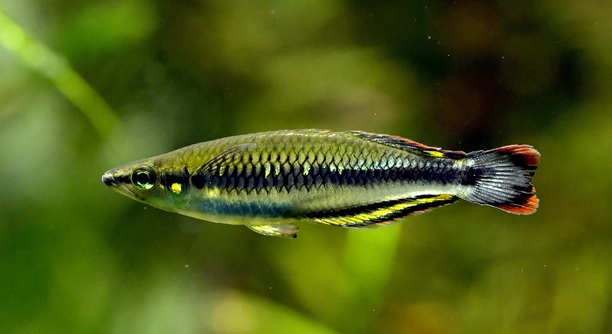
Rainbowfish are known for their bright colors and active behavior, but sometimes they may appear less lively or seem unusual. Observing these changes can help you better understand their needs and overall health in your tank.
Rainbowfish may seem “off” due to changes in water quality, diet, stress, illness, or environmental factors. Monitoring these aspects closely and addressing issues promptly is essential to maintain their health, behavior, and vibrant appearance in captivity.
Recognizing these signs early can help ensure your rainbowfish remain healthy and active. Learning what affects their behavior can make caring for them easier and more rewarding.
Water Quality Changes
Water quality is one of the most important factors in keeping rainbowfish healthy. Even small changes in pH, ammonia, nitrite, or nitrate levels can make them behave strangely or appear stressed. Rainbowfish are sensitive to their environment, and poor water conditions can lead to lethargy, loss of appetite, or faded colors. Regular testing and water changes are essential to maintain a stable environment. Temperature fluctuations also play a role, as rainbowfish prefer consistent temperatures between 74-78°F (23-26°C). Filtration must be adequate to remove waste and toxins, and overcrowding should be avoided to reduce stress. Observing your rainbowfish daily helps detect early signs of water-related problems. Keeping plants, hiding spots, and gentle water flow can also improve comfort and mimic their natural habitat. Proper care and monitoring prevent minor water issues from becoming serious health problems.
Maintaining stable water quality prevents stress and illness in rainbowfish. Regular testing, water changes, and temperature control are crucial to keeping them active and healthy.
Consistent water care not only supports physical health but also encourages natural behavior. Rainbowfish are more likely to display vibrant colors, swim actively, and interact with tank mates when conditions are optimal. Neglecting water quality can lead to long-term stress, making them more vulnerable to disease. Adding aquatic plants and decorations provides hiding spots and reduces aggressive interactions, further improving their well-being. Simple steps like partial water changes, testing kits, and monitoring temperature keep the aquarium safe. Observing your fish daily allows you to notice subtle changes in appearance or movement, helping prevent issues before they escalate. Healthy water promotes feeding, reproduction, and overall vitality.
Diet and Feeding Habits
Rainbowfish need a varied diet to stay healthy and colorful. Offering a mix of flakes, pellets, frozen, or live foods ensures they get proper nutrients.
Improper feeding can lead to weight loss, poor coloration, or unusual behavior. Overfeeding causes water problems, while underfeeding leaves them weak.
Feeding at consistent times and providing high-quality food supports growth and energy. Rainbowfish enjoy small portions several times a day. Fresh foods like brine shrimp, daphnia, or bloodworms can enhance color and vitality. Avoiding excessive fillers in processed food ensures they receive essential vitamins and minerals. Observing which foods your rainbowfish prefer helps adjust diet plans for optimal health. Skipping food or sudden diet changes can stress them and trigger odd behavior. A balanced diet strengthens immunity and supports long-term wellbeing, ensuring your rainbowfish remain active and vibrant in their aquarium environment.
Stress and Tank Environment
Stress can make rainbowfish behave unusually or hide more often. Overcrowding, aggressive tank mates, or sudden changes in lighting and decoration can all contribute.
A stable and calm environment is essential. Rainbowfish are sensitive to their surroundings, and frequent disturbances can trigger stress responses such as erratic swimming, color fading, or loss of appetite. Providing plenty of hiding spots, plants, and gentle water flow reduces tension. Avoid rearranging the tank too often, and keep noise and vibration to a minimum. Observing their behavior helps identify stressful conditions early. Adjusting tank conditions gradually allows them to adapt without prolonged discomfort. Grouping rainbowfish in small, compatible schools can improve their sense of security. Maintaining a predictable routine also helps reduce anxiety.
Stress can weaken the immune system, making fish more prone to illness. Stress-related behaviors may appear subtle at first, like minor lethargy or hesitation in swimming. Over time, prolonged stress can impact growth, reproduction, and color vibrancy. Maintaining a balanced tank with compatible species, gentle filtration, and stable lighting encourages natural behavior. Consistent feeding routines and limiting sudden changes in environment or water parameters help rainbowfish feel secure. Paying attention to their reactions after modifications ensures adjustments are effective. A calm, structured habitat allows rainbowfish to thrive, swim confidently, and display their full range of colors. Observing interactions among tank mates also provides insight into social stress, allowing timely intervention to restore harmony.
Illness and Parasites
Rainbowfish can show unusual behavior when affected by illness or parasites. Symptoms like clamped fins, slow swimming, or lack of appetite often indicate health issues.
Monitoring for visible signs is crucial. Parasites, bacterial infections, or fungal growth can appear quickly and spread in a tank. Prompt identification and treatment help prevent serious damage.
Maintaining clean water, quarantining new fish, and observing daily behavior reduces the risk of illness. If disease is suspected, isolating affected fish and using appropriate medications helps recovery. Balanced nutrition also strengthens immunity, supporting resistance to infections. Regular inspection of fins, scales, and gills allows early detection. Behavioral changes such as floating near the surface, hiding, or unusual swimming patterns often precede physical symptoms. Consistency in water quality and careful observation are key to keeping rainbowfish healthy.
Temperature Fluctuations
Rainbowfish are sensitive to sudden changes in water temperature. Even small shifts can make them sluggish or less active. Consistent temperatures between 74-78°F (23-26°C) help maintain normal behavior and prevent stress-related health issues.
Using a reliable heater and thermometer ensures stability. Avoid placing the tank near windows, vents, or drafts, as these can create fluctuations that disrupt their comfort and well-being.
Lighting Conditions
Improper lighting can affect rainbowfish activity and coloration. Too much light may stress them, while too little can make colors fade. A balanced day-night cycle with moderate intensity supports natural behavior, feeding patterns, and overall health.
Social Dynamics
Rainbowfish thrive in small, compatible groups. Aggressive or incompatible tank mates can cause hiding, chasing, or stress. Observing interactions and arranging compatible schooling groups reduces tension and encourages natural, confident swimming behaviors throughout the tank.
Breeding Behavior
During breeding periods, rainbowfish may act differently. Males often display brighter colors, chase females, or become territorial. These temporary changes are normal and typically resolve once breeding activity ends.
FAQ
Why is my rainbowfish hiding more than usual?
Hiding often indicates stress or discomfort. Changes in tank mates, lighting, water quality, or sudden disturbances can make rainbowfish seek shelter. Ensuring a calm environment with adequate plants and hiding spots helps them feel secure and return to normal activity.
Why are my rainbowfish losing color?
Faded colors are usually linked to stress, poor diet, or illness. Low-quality food lacking essential nutrients, fluctuating water parameters, or prolonged stress can reduce vibrancy. Feeding a balanced diet and maintaining clean, stable water restores natural coloration over time.
Why is my rainbowfish swimming erratically?
Erratic swimming can be caused by stress, water issues, or illness. Rapid changes in temperature, high ammonia, nitrite, or nitrate levels, or parasites can disrupt normal movement. Monitoring water quality and isolating sick fish can help correct the behavior.
Why is my rainbowfish not eating?
Loss of appetite may result from stress, illness, or sudden changes in diet. Illnesses, water quality issues, or bullying from tank mates can also contribute. Offering varied, high-quality foods and observing for other symptoms ensures early detection of underlying problems.
Can water temperature affect rainbowfish behavior?
Yes, rainbowfish are sensitive to temperature fluctuations. Temperatures outside their preferred 74-78°F (23-26°C) range can make them lethargic or overly active. A reliable heater and consistent monitoring help maintain a stable environment.
Why are my rainbowfish schooling less?
Changes in social dynamics or stress can affect schooling behavior. Aggressive tank mates, overcrowding, or illness may lead to isolation. Maintaining compatible groups and observing interactions encourages natural schooling patterns.
What signs indicate illness in rainbowfish?
Common signs include clamped fins, slow swimming, faded colors, spots, swelling, or unusual swimming patterns. Early detection allows prompt treatment. Regular observation and water monitoring prevent minor issues from becoming serious health problems.
How often should I check water quality?
Water parameters should be tested weekly, including ammonia, nitrites, nitrates, and pH. Regular testing ensures conditions remain stable and reduces the risk of stress or illness. Partial water changes maintain a clean and safe environment.
Can diet improve rainbowfish health and color?
Yes, a varied diet with flakes, pellets, and live or frozen foods provides essential nutrients. Fresh foods like brine shrimp or daphnia enhance color and energy. Consistent feeding supports immune function, growth, and overall vitality.
What should I do if my rainbowfish is stressed?
Identify the source, such as water quality, tank mates, or lighting, and make gradual adjustments. Provide hiding spaces, maintain consistent routines, and avoid sudden changes. Reducing stress allows rainbowfish to regain normal behavior, appetite, and coloration over time.
How can I prevent common rainbowfish problems?
Maintaining stable water conditions, a balanced diet, compatible tank mates, and observing daily behavior prevents most issues. Quarantining new fish, avoiding overcrowding, and providing hiding spots and plants reduce stress. Proactive care ensures rainbowfish remain healthy and active.
Is it normal for rainbowfish to behave differently during breeding?
Yes, males may become more colorful, chase females, or display territorial behavior. These changes are temporary and usually end after spawning. Monitoring behavior and providing adequate space prevents stress-related conflicts during this period.
How do I know if my tank setup is suitable for rainbowfish?
A suitable tank provides stable water conditions, proper temperature, compatible species, and enough swimming space. Including plants, decorations, and hiding spots mimics a natural environment. Observing behavior and coloration regularly confirms their comfort and well-being.
Can rainbowfish recover from illness or stress?
With timely intervention, yes. Correcting water quality, providing proper nutrition, reducing stressors, and treating diseases promptly increases recovery chances. Early observation of changes in behavior or appearance is critical for effective care and long-term health.
What is the best way to maintain a healthy rainbowfish community?
Ensure compatible group sizes, stable water conditions, balanced nutrition, and adequate space. Minimize stress from sudden changes or aggressive tank mates. Regular monitoring, routine maintenance, and attention to behavior help rainbowfish thrive together in a harmonious environment.
How do I handle sudden behavior changes in rainbowfish?
Observe water parameters, tank mates, and diet first. Look for signs of illness or stress. Addressing environmental factors, providing hiding spots, and maintaining routine feeding often restores normal behavior. Consistent care and attention reduce the risk of recurring issues.
Why do rainbowfish sometimes stay at the bottom of the tank?
Remaining near the bottom may indicate stress, illness, or unsuitable water conditions. It can also happen during rest periods or while searching for food. Monitoring other behaviors and water quality ensures this is not a sign of a serious problem.
How long does it take for rainbowfish to adjust to a new tank?
Rainbowfish usually acclimate within a few days to a week. Gradual introduction, stable water parameters, and minimal disturbances help reduce stress and promote natural behavior as they settle into their new environment.
What role does tank size play in rainbowfish health?
Adequate swimming space reduces stress and aggression. Crowded tanks increase competition for food and hiding spots, which can affect behavior and overall health. Following recommended tank sizes and maintaining proper group numbers supports natural schooling and activity levels.
Can environmental enrichment affect rainbowfish behavior?
Yes, plants, decorations, and hiding spots encourage exploration and reduce stress. Varied environments mimic natural habitats, promote activity, and support mental stimulation, helping rainbowfish remain active, confident, and healthy over time.
How do I safely introduce new fish to my rainbowfish tank?
Quarantine new fish for at least two weeks to prevent disease introduction. Gradually acclimate them to tank temperature and water parameters. Monitor interactions closely during the first days to ensure compatibility and reduce stress for all fish.
What should I do if my rainbowfish shows signs of aggression?
Identify triggers such as overcrowding, breeding, or incompatible tank mates. Rearranging decorations, increasing hiding spots, and separating aggressive fish if needed can reduce tension. Maintaining a balanced social environment helps rainbowfish interact naturally without conflict.
How can I tell if my rainbowfish is stressed from water changes?
Sudden, large water changes can shock rainbowfish, causing hiding or erratic swimming. Performing smaller, gradual changes and matching water temperature and parameters closely minimizes stress. Observing behavior during and after changes ensures they adjust comfortably.
Why is consistent observation important for rainbowfish care?
Daily monitoring allows early detection of stress, illness, or environmental issues. Noticing subtle changes in behavior, color, or swimming patterns helps prevent minor problems from escalating, ensuring rainbowfish remain healthy, active, and vibrant.
How can I improve rainbowfish lifespan in captivity?
Providing stable water conditions, a varied diet, compatible tank mates, and proper care reduces stress and illness risk. Regular observation, prompt intervention, and maintaining a balanced environment support long-term health and longevity in rainbowfish.
Rainbowfish are beautiful, active, and engaging fish that can bring life to any aquarium. However, they are also sensitive and can show signs of stress or illness if their needs are not fully met. Observing their behavior daily is essential to ensure they remain healthy and vibrant. Changes in water quality, temperature, diet, or social environment can all affect how they act and appear. Even minor shifts can make rainbowfish seem “off,” so staying attentive to these details helps prevent problems before they become serious. Simple routines, like regular water testing, partial water changes, and consistent feeding schedules, create a stable environment that supports their well-being. This stability is key for maintaining natural behavior, bright coloration, and overall energy.
Providing a balanced diet is equally important. Rainbowfish require a variety of foods to get the proper nutrients they need for growth, coloration, and energy. Flakes or pellets can serve as a base, while frozen or live foods like brine shrimp, daphnia, and bloodworms add essential proteins and vitamins. Feeding small amounts multiple times a day prevents overfeeding and reduces waste in the tank, which helps maintain water quality. Paying attention to their preferences and behavior during feeding can also indicate if they are healthy or if adjustments are needed. A good diet not only supports their physical health but also boosts immunity, making rainbowfish more resilient to stress and disease. Balanced nutrition combined with clean, stable water ensures that rainbowfish can thrive and display their full range of colors.
Creating a calm and compatible tank environment is another crucial aspect of care. Rainbowfish are schooling fish, and they feel most secure when they have companions of the same species. Aggressive or incompatible tank mates, overcrowding, or lack of hiding spots can cause stress and unusual behavior. Providing plants, decorations, and places to hide reduces tension and encourages natural swimming and social patterns. Monitoring interactions among fish allows you to make adjustments if aggression or stress appears. Lighting and temperature also play a role in their comfort. Consistency in these environmental factors helps rainbowfish feel safe, reducing erratic behavior and supporting overall health. By keeping an eye on water conditions, diet, social dynamics, and environmental factors, you can create a stable and enriching habitat where rainbowfish can live a long, healthy, and vibrant life. Regular attention and care not only address problems early but also allow you to enjoy the full beauty and activity of your rainbowfish every day.

Hello,
If you enjoy the content that we create, please consider saying a "Thank You!" by leaving a tip.
Every little bit helps us continue crafting quality advice that supports the health, happiness, and well-being of pets around the world, for pets of all shapes, sizes, and species.
We really appreciate the kindness and support that you show us!