
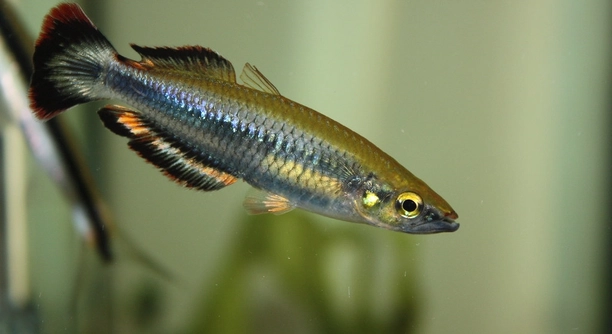
Slow swimming in rainbowfish is a behavior often noticed by aquarium enthusiasts. Observing your fish move gently through the water can indicate various aspects of their daily life and environment. It is a subtle but important sign to note.
Slow swimming in rainbowfish typically indicates a combination of environmental adaptation and health status. Factors such as water quality, temperature, oxygen levels, and stress can influence swimming speed, while natural behavioral patterns and energy conservation also contribute.
Recognizing slow swimming can help maintain a healthy aquarium. Paying attention to these cues ensures your rainbowfish thrive in their environment.
Understanding Slow Swimming Patterns
Observing slow swimming in rainbowfish can reveal a lot about their current state. Often, this behavior is linked to their natural rhythm and energy conservation. Rainbowfish may move slowly when exploring new areas or when they feel comfortable and safe. Environmental factors like water temperature and oxygen levels can influence movement as well. Cooler water or lower oxygen can cause a fish to reduce activity, conserving energy until conditions improve. Stressful situations, such as sudden changes in lighting or the presence of aggressive tank mates, can also lead to slower movement. Nutrition plays a role too; a fish that has eaten recently or is digesting food might swim less energetically. While it may appear concerning at first, slow swimming is not always a sign of illness. Observing their behavior alongside other indicators like appetite and coloration helps determine if everything is normal or if adjustments are needed.
Slow swimming is often normal if the fish appears healthy, eats well, and shows bright colors.
Regular observation and small adjustments to water quality, temperature, and feeding schedules help rainbowfish maintain natural swimming patterns. These practices ensure they remain active, healthy, and visually vibrant in the tank, preventing stress-related behavior changes over time.
Health Implications of Reduced Speed
Slow swimming can sometimes indicate potential health issues in rainbowfish. A lethargic fish may be experiencing stress, disease, or poor water conditions that need immediate attention.
Low oxygen levels, bacterial infections, or parasites can lead to sluggish movement. If a fish shows clamped fins, faded colors, or loss of appetite, these are warning signs that intervention is necessary. Maintaining stable water parameters, including pH, temperature, and ammonia levels, is crucial. Regular tank maintenance, such as water changes and filtration checks, prevents conditions that may harm your fish. Diet also influences activity; providing high-quality food supports energy levels and overall vitality. Observing the fish’s social interactions can reveal if stress from tank mates contributes to reduced swimming. Prompt attention to these factors ensures rainbowfish recover quickly and remain healthy. By staying proactive, you can maintain an aquarium where fish display natural, energetic swimming patterns and continue thriving in their environment.
Environmental Factors Affecting Swimming
Water temperature and oxygen levels directly influence rainbowfish activity. Sudden changes can cause slower movement, while stable conditions encourage natural, energetic swimming patterns in the tank.
Maintaining proper water conditions is essential for rainbowfish health. Temperature should remain consistent, ideally within the species’ preferred range. Oxygen levels must be sufficient to support normal metabolism and activity. Poor water quality, high ammonia, or unbalanced pH can stress fish, leading to slow swimming. Tank size and décor also affect movement, as crowded or poorly structured spaces can restrict natural behavior. Ensuring consistent lighting and minimal disturbances helps rainbowfish maintain regular activity patterns.
Filtration and aeration systems are key to preventing sluggish behavior. Regular water monitoring, combined with careful adjustments, allows rainbowfish to swim freely and display natural behaviors. Observing their environment ensures they remain comfortable and active.
Nutrition and Its Role
A balanced diet impacts rainbowfish energy and swimming habits. Overfeeding or poor-quality food can lead to sluggish behavior and health issues.
Providing a variety of high-quality flakes, pellets, and occasional live or frozen foods supports vitality. Feeding schedules should be consistent, and portions controlled to avoid digestive problems. Inadequate nutrition weakens the fish, reducing swimming activity and immune function. Vitamins and minerals help maintain coloration and overall health. Observing eating habits reveals whether diet adjustments are needed, especially if slow swimming coincides with reduced appetite.
Supplements, when necessary, can improve energy levels and swimming performance. Regular monitoring of food intake, combined with proper portioning, ensures rainbowfish remain energetic, healthy, and display their natural behavior within the tank environment.
Stress and Tank Dynamics
Stress from aggressive tank mates or sudden changes can cause rainbowfish to swim slowly. Minimizing disturbances helps maintain natural behavior.
Proper social grouping is important. Overcrowded tanks or incompatible species increase stress, leading to reduced activity and hiding behavior.
Observing Behavioral Changes
Noticing changes in swimming speed, feeding, or interactions can signal health or environmental issues. Consistent observation allows timely adjustments to water conditions, diet, and tank setup. Identifying patterns early helps prevent prolonged stress or illness, keeping rainbowfish active and thriving.
Lighting and Activity Levels
Inconsistent or harsh lighting can make rainbowfish hesitant to swim actively. Adjusting brightness and photoperiod supports normal daily activity patterns.
FAQ
Why is my rainbowfish swimming slowly even though the water looks fine?
Even if water appears clean, subtle changes in temperature, oxygen, or pH can affect movement. Rainbowfish are sensitive to small fluctuations, and maintaining stable, ideal water conditions is crucial for consistent swimming activity.
Can slow swimming indicate illness in rainbowfish?
Yes. Lethargy can signal infections, parasites, or digestive issues. Look for other symptoms like faded colors, clamped fins, or lack of appetite. Early detection allows treatment before conditions worsen.
Does diet affect swimming speed?
Absolutely. Poor nutrition or overfeeding can reduce energy levels. Providing high-quality flakes, pellets, and occasional live or frozen foods helps maintain vitality, bright coloration, and natural swimming patterns.
Is it normal for rainbowfish to swim slowly sometimes?
Yes, slow swimming can be natural. Fish often move gently when exploring, digesting food, or conserving energy. Observing them alongside other behaviors helps determine whether the slowdown is normal.
How does tank size influence swimming behavior?
Crowded or small tanks restrict movement and increase stress, causing slower swimming. Larger, well-structured tanks give rainbowfish space to swim freely and display natural behavior.
Can lighting affect swimming activity?
Inconsistent or overly bright lighting can make rainbowfish hesitant. Adjusting brightness and providing a stable day-night cycle encourages normal swimming patterns.
Do tank mates affect movement?
Yes. Aggressive or territorial fish can stress rainbowfish, causing slow swimming or hiding. Compatible species and proper social grouping reduce stress and encourage active behavior.
How often should I monitor my rainbowfish’s behavior?
Daily observation is best. Watching for changes in swimming, appetite, or interactions helps identify potential issues early and ensures water and tank conditions remain ideal.
Will water filtration impact activity?
Proper filtration and aeration maintain oxygen levels and water quality, supporting normal swimming. Poor filtration can lead to sluggish behavior due to stress or low oxygen.
Can temperature changes make rainbowfish slow down?
Yes, sudden temperature fluctuations or consistently low temperatures can reduce activity. Maintaining a stable, species-appropriate temperature range is important for health and swimming behavior.
What signs indicate that slow swimming is serious?
Persistent lethargy, loss of appetite, faded colors, or abnormal fin positioning can indicate illness or stress. Immediate action, such as checking water quality and diet or consulting treatment options, is necessary.
How can I help my rainbowfish regain normal swimming?
Check water parameters, ensure proper diet, reduce stressors, and monitor tank mates. Small adjustments often restore energy levels and encourage natural activity. Regular observation is key to maintaining long-term health.
Does age affect swimming speed?
Yes. Young rainbowfish are generally more active, while older fish may naturally slow down. Observing individual behavior patterns helps distinguish between aging and health issues.
Can overcrowding affect long-term health and activity?
Overcrowding increases stress, reduces movement, and can lead to disease outbreaks. Ensuring appropriate tank size and population density helps rainbowfish remain active and healthy.
Are there behavioral signs that indicate a happy, healthy rainbowfish?
Active swimming, bright colors, normal feeding, and interaction with tank mates are signs of well-being. Consistency in these behaviors indicates good water conditions, proper nutrition, and minimal stress.
How often should water be changed to prevent slow swimming?
Regular partial water changes, typically 20-30% weekly, help maintain water quality, supporting natural activity and reducing stress. Observing fish behavior can guide adjustments in maintenance schedules.
Can slow swimming be seasonal or natural?
Occasionally, rainbowfish may slow down due to seasonal cycles or natural energy conservation. Monitoring overall health and environment ensures that this behavior is not linked to underlying issues.
Does stress from handling affect swimming?
Handling or sudden disturbances can cause temporary slow swimming. Minimizing contact and providing a stable environment helps rainbowfish return to normal activity quickly.
How do I know if slow swimming is due to environmental factors or health issues?
Compare water parameters, diet, tank dynamics, and behavior. If conditions are stable but lethargy persists, health issues are more likely. Observing multiple indicators allows accurate assessment.
Can supplements improve swimming activity?
Vitamins and minerals can enhance energy levels and overall vitality. Providing a balanced diet and appropriate supplements supports natural behavior and helps prevent slow swimming caused by nutritional deficiencies.
What daily practices help maintain normal swimming behavior?
Monitoring water quality, feeding properly, observing interactions, and ensuring a stress-free environment help rainbowfish stay active. Consistency in care encourages healthy, energetic swimming patterns over time.
Slow swimming in rainbowfish can mean many things, from natural behavior to environmental or health concerns. Observing your fish regularly helps you understand what is normal for them. Rainbowfish may slow down when digesting food, exploring new areas, or conserving energy. In these cases, slow movement is not a sign of a problem. By watching their general activity, coloration, and interactions with tank mates, you can tell whether their behavior is typical. This attention allows you to respond appropriately when something changes, maintaining a healthy and stable environment in the aquarium.
Environmental factors play a significant role in how rainbowfish move. Water temperature, oxygen levels, and pH all influence their activity. Even small fluctuations can cause slower swimming. Providing consistent conditions is essential for their well-being. Tank structure and space also affect movement. A crowded tank or poorly arranged decorations can restrict natural swimming patterns. Proper lighting and minimal disturbances help fish feel secure and comfortable, encouraging normal activity. Regular filtration and aeration maintain water quality and oxygenation, supporting energy levels and natural behavior. By keeping the environment stable, you reduce stress and support healthy swimming patterns.
Nutrition and social dynamics further impact rainbowfish behavior. A balanced diet with quality flakes, pellets, and occasional live or frozen foods provides energy and supports vitality. Overfeeding or poor-quality food can slow activity and affect overall health. Social stress from aggressive or incompatible tank mates can also cause slower swimming. Observing interactions and arranging compatible groupings encourages natural behavior. Monitoring eating habits, tank conditions, and behavior consistently allows you to detect early signs of stress or illness. Addressing small issues promptly ensures rainbowfish remain active, healthy, and vibrant in the tank. By focusing on water quality, diet, and social harmony, you create an environment where rainbowfish can swim naturally and thrive.

Hello,
If you enjoy the content that we create, please consider saying a "Thank You!" by leaving a tip.
Every little bit helps us continue crafting quality advice that supports the health, happiness, and well-being of pets around the world, for pets of all shapes, sizes, and species.
We really appreciate the kindness and support that you show us!