
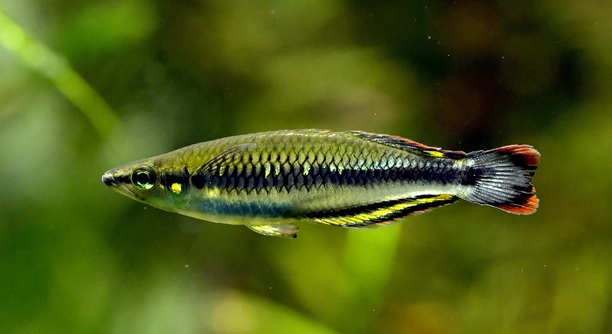
Have you ever noticed your rainbowfish swimming nervously when the tank feels crowded? These lively fish often react to movement and noise, showing signs of stress. Observing their behavior can help you understand their comfort levels.
Rainbowfish can feel stressed in busy tanks due to overcrowding, strong currents, or aggressive tankmates. Ensuring adequate space, hiding spots, and calm companions significantly increases their sense of safety and overall well-being in an aquarium environment.
Learning how to create a peaceful tank setup can make a big difference. Small adjustments often improve the fish’s comfort and daily behavior noticeably.
How Tank Size Affects Rainbowfish Comfort
Rainbowfish are active swimmers that need space to move freely. Smaller tanks can make them feel confined, increasing stress levels. Overcrowding often leads to skittish behavior, reduced appetite, and hiding. Providing a tank with at least 30 gallons for a small group helps maintain balance. Decorations, plants, and open swimming areas allow fish to establish territories and feel secure. Proper filtration ensures water quality, which also influences their comfort. I’ve seen rainbowfish in larger tanks appear more confident and display brighter colors, while crowded setups often result in duller, nervous fish. Even lighting matters—too bright can increase stress, while soft, natural tones help them feel at ease. Observing daily behavior gives clues about their comfort. Changes in schooling, activity levels, or frequent hiding are signs adjustments are needed. Thoughtful tank planning improves not only their safety but overall health and longevity.
Tank size alone isn’t enough; space must be paired with proper layout. Plants and hiding spots are essential.
Adjusting decorations and plants strategically can reduce stress further. Floating plants, caves, and rock formations break sightlines, giving rainbowfish choices to retreat. These additions mimic their natural environment, helping them feel safer. Consistent routines, such as feeding at the same time, also provide stability. Over time, fish adapt to a comfortable space, showing calmer movements and more interaction with tankmates. I’ve noticed that adding gentle water flow and areas for rest allows rainbowfish to explore without fear. Monitoring water parameters is equally important, as poor water quality can exacerbate stress, even in a spacious tank. Observing interactions between fish helps identify which individuals may be dominating or causing tension, allowing for rearrangements or separation if necessary. In a well-planned setup, rainbowfish display vibrant colors, school naturally, and exhibit behaviors closer to their wild instincts. These adjustments create an environment where their needs are met, supporting long-term health and reducing stress-related illnesses.
Tankmates and Social Environment
Peaceful companions help rainbowfish feel secure. Aggressive or larger fish can cause anxiety, while similar-sized, calm species promote comfort.
Choosing tankmates carefully ensures harmonious behavior. Rainbowfish thrive in groups of five or more with compatible species.
Social dynamics are critical for rainbowfish safety. Schooling provides confidence, reducing nervous behavior and hiding tendencies. Introducing new fish gradually prevents sudden stress. I’ve learned that observing interactions for several days helps spot tension early. Adding too many different species at once can overwhelm them, even if the tank is large. It’s also important to avoid fin-nipping species, as repeated harassment reduces comfort and can lead to illness. Providing visual barriers and enough space for each group minimizes conflicts. The goal is a stable environment where rainbowfish can display natural swimming patterns, feed without fear, and rest properly. A balanced social environment combined with appropriate tank size and layout ensures they feel secure, supporting growth, color development, and overall well-being. Monitoring daily behavior allows timely adjustments, creating a peaceful and thriving tank for all inhabitants.
Water Conditions and Safety
Stable water conditions are essential for rainbowfish comfort. Sudden changes in temperature, pH, or ammonia levels can stress them, making them more prone to hiding or aggressive behavior. Regular testing keeps conditions safe.
I’ve noticed that rainbowfish respond quickly to small fluctuations in water quality. Even a slight rise in ammonia can cause them to become skittish and less active. Maintaining consistent temperature, pH, and hardness levels helps them feel secure and supports healthy growth. Frequent partial water changes and proper filtration reduce harmful chemicals, keeping the environment clean. Adding live plants can stabilize pH and provide shelter, enhancing their sense of safety. Over time, rainbowfish in well-maintained water are calmer, swim more freely, and show brighter colors. Paying attention to their behavior alongside water testing helps identify problems early, preventing stress-related illnesses.
Water flow also impacts their sense of safety. Gentle currents are ideal, as strong currents can exhaust them. Adjusting filter output and creating calmer areas in the tank lets them rest while still enjoying movement. Placement of plants and decorations can help reduce direct exposure to strong flow, allowing them to retreat when needed. I’ve arranged filters and rocks to create pockets of slower water, and rainbowfish respond by swimming confidently and schooling naturally. They often use these calmer zones for feeding and resting, which improves overall health. Observing how they interact with these areas provides insight into their comfort and safety, letting me make small adjustments for a more balanced environment.
Feeding and Daily Routines
Consistent feeding schedules help rainbowfish feel secure. Irregular feeding or sudden changes in diet can cause stress and disrupt their normal behavior.
Rainbowfish thrive on a varied diet, including flakes, pellets, and occasional live or frozen foods. I rotate different options to provide nutrition and stimulate natural foraging behavior. Sudden changes in food type or quantity can make them hesitant to eat or increase competition, so I introduce new items gradually. Watching their daily feeding helps me spot less active or shy individuals, ensuring all get proper nutrition. A predictable routine allows them to anticipate meals, reducing stress and promoting calm swimming. Over time, consistent feeding contributes to their vibrant colors, healthier growth, and more stable interactions within the tank. It also makes observing their natural behavior easier, as they become more confident and responsive to the environment.
Lighting and Shelter
Proper lighting affects rainbowfish comfort. Too bright or constant light can stress them, while soft lighting helps them feel secure. Providing shaded areas reduces anxiety.
Hiding spots like plants, caves, or driftwood give rainbowfish safe retreats. They use these areas to rest, escape sudden movements, or reduce stress from tankmates.
Observation and Behavior
Regular observation is key to understanding rainbowfish comfort. Changes in swimming patterns, schooling behavior, or color intensity indicate stress or discomfort. Noticing these early allows timely adjustments in tank conditions or social dynamics.
Temperature Stability
Rainbowfish are sensitive to temperature fluctuations. Keeping a stable, appropriate temperature supports their metabolism, reduces stress, and helps them maintain natural behavior.
FAQ
How many rainbowfish should I keep together?
Rainbowfish are schooling fish and feel safest in groups. I’ve found that keeping at least five together helps them display natural behaviors. Smaller numbers often make them shy or stressed, while larger groups need a properly sized tank to avoid overcrowding.
What tank size is best for rainbowfish?
A tank of 30 gallons or more works well for a small group. I usually recommend adding 10 gallons for every additional fish. Larger tanks allow for swimming space, hiding spots, and stable water conditions, all of which improve their comfort and reduce stress.
Can rainbowfish live with other fish?
Yes, but tankmates must be peaceful and similar in size. Aggressive or fin-nipping fish cause anxiety and can harm rainbowfish. I’ve had success with small tetras, danios, or peaceful catfish. Avoid overcrowding and monitor interactions, separating fish if tension arises.
How important is water quality for rainbowfish?
Extremely important. They are sensitive to ammonia, nitrites, and sudden pH changes. Regular water testing, filtration, and partial water changes keep conditions stable. I’ve noticed even small fluctuations make rainbowfish skittish or hide frequently. Clean water supports their color, growth, and natural behavior.
Do rainbowfish need hiding spots?
Yes. Plants, rocks, and caves allow them to feel safe. They use these areas to rest or escape sudden movements. I’ve seen rainbowfish become more confident when these shelters are available, swimming freely while still having places to retreat when stressed.
How should I feed rainbowfish?
Offer a varied diet of flakes, pellets, and occasional live or frozen food. Feeding at consistent times reduces stress and encourages natural foraging. I rotate foods gradually to prevent hesitation or competition, ensuring all fish get proper nutrition. A steady routine helps maintain their health and colors.
Does lighting affect rainbowfish behavior?
Yes. Too bright or constant light can cause stress. I use soft lighting and include shaded areas or floating plants. This helps them feel secure and reduces hiding or nervous swimming, allowing them to interact comfortably with the tank environment.
What water temperature is ideal?
Rainbowfish do best in stable temperatures between 74–78°F (23–26°C). Sudden changes can stress them, leading to hiding or illness. I use a reliable heater and thermometer to maintain consistency. Consistent temperature helps them stay active and healthy while keeping colors vibrant.
How can I tell if my rainbowfish is stressed?
Signs include hiding, erratic swimming, loss of color, or reduced appetite. I watch their daily behavior closely, adjusting tank conditions or social arrangements when needed. Quick action prevents long-term health problems and improves their sense of safety.
How do I introduce new rainbowfish safely?
Acclimate them slowly to the tank environment by floating their bag and gradually mixing water. I also monitor interactions with existing fish for several days to ensure harmony. Careful introductions prevent stress and aggression, allowing all rainbowfish to feel secure.
Is tank decoration important for safety?
Yes. I arrange plants, rocks, and driftwood to create hiding spots and visual barriers. These provide security, reduce aggression, and allow rainbowfish to explore safely. Proper layout supports natural behavior and reduces stress in a busy tank.
Can rainbowfish tolerate strong water currents?
They prefer gentle currents. Strong flows exhaust them and increase stress. I adjust filter output and create calm areas for resting. Rainbowfish swim confidently in slower zones, using them to feed or relax without fear, which helps maintain their health and comfort.
How often should I check water parameters?
I test water at least weekly for ammonia, nitrites, nitrates, pH, and hardness. Frequent monitoring catches issues early and prevents stress. Even small changes affect rainbowfish behavior, so keeping conditions stable is essential for their well-being.
Do rainbowfish need a varied diet?
Yes. A mix of flakes, pellets, and live or frozen foods supports growth, color, and overall health. I introduce new foods slowly to prevent hesitation and ensure all fish are eating properly. Balanced nutrition helps them stay active and confident in the tank.
How can I reduce stress in a busy tank?
Provide ample space, hiding spots, gentle water flow, stable water conditions, and compatible tankmates. I’ve found that observing daily behavior and making small adjustments early prevents anxiety. Comfortable rainbowfish are calmer, swim naturally, and interact peacefully with other fish.
How important is observation for rainbowfish safety?
Observation is critical. Watching for changes in behavior, schooling, or color allows early intervention. I track daily activity and feeding patterns to ensure comfort. Timely adjustments to tank size, water conditions, or social dynamics prevent stress-related health issues and improve long-term well-being.
Final Thoughts
Rainbowfish are active, colorful, and social fish that thrive in safe and comfortable environments. Their well-being depends on several factors working together, including tank size, water conditions, temperature, lighting, and social dynamics. I’ve observed that when any one of these factors is neglected, rainbowfish tend to become shy, hide frequently, or show duller colors. Ensuring a balanced tank environment allows them to swim confidently, school naturally, and interact peacefully with other fish. Even small changes in the tank setup, such as adding plants or rearranging decorations, can make a noticeable difference in their behavior. Providing hiding spots, shaded areas, and gentle water flow helps rainbowfish feel secure while still allowing them space to explore.
Maintaining stable water parameters is another key aspect of their comfort. Rainbowfish are sensitive to sudden fluctuations in pH, ammonia, nitrites, or temperature. I make a point to test water regularly and perform partial water changes when needed. A consistent routine keeps stress low and supports healthy growth and vibrant coloration. Temperature control is especially important; they thrive best between 74–78°F (23–26°C). Using a reliable heater and thermometer ensures that their environment stays steady. Even when the tank is large and well-decorated, inconsistent water quality can cause nervous behavior or illness. Observing their reactions to daily feeding and social interactions also provides insight into whether conditions are optimal.
Finally, social structure and routine play a large role in rainbowfish comfort. These fish feel safest in groups, ideally five or more of similar size and temperament. Choosing peaceful tankmates prevents unnecessary aggression or anxiety. I’ve noticed that introducing new fish gradually and observing interactions closely reduces stress and helps the group settle quickly. Consistent feeding schedules and varied diets also support their confidence and health. Over time, rainbowfish in a stable, well-planned tank display natural behaviors, bright colors, and healthy activity levels. Paying attention to these details creates an environment where rainbowfish feel safe, secure, and able to thrive, even in busier tanks.

Hello,
If you enjoy the content that we create, please consider saying a "Thank You!" by leaving a tip.
Every little bit helps us continue crafting quality advice that supports the health, happiness, and well-being of pets around the world, for pets of all shapes, sizes, and species.
We really appreciate the kindness and support that you show us!