
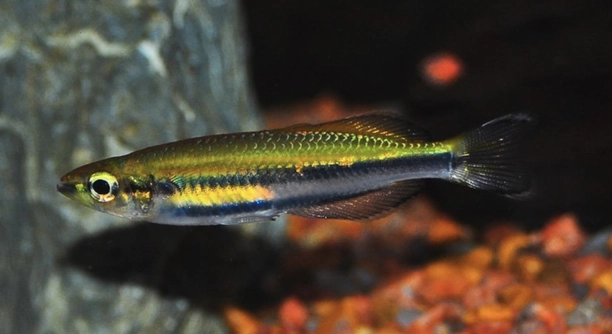
Have you ever noticed your rainbowfish swimming confidently to the same corner of the tank at feeding time? Many fish owners observe this behavior and wonder if these colorful pets can actually remember where food is placed.
Rainbowfish do demonstrate the ability to remember feeding spots. Studies show they can learn and recall locations associated with food, responding consistently to familiar areas in their tank over time. This indicates a level of spatial memory in their behavior.
Observing how they navigate the tank provides insight into their learning patterns and daily routines, offering a better understanding of rainbowfish behavior and care.
How Rainbowfish Learn Feeding Spots
Rainbowfish learn feeding spots through repetition and routine. Over time, they associate certain areas of the tank with food, creating a mental map of their environment. Observing their swimming patterns, it becomes clear they anticipate feeding times and move purposefully to the expected location. This behavior is more noticeable when feeding occurs at the same time and place each day. Their memory is not complex but effective enough for them to recognize patterns. Environmental cues, like decorations or plants near the feeding area, help reinforce this recognition. Consistent feeding routines strengthen this habit, making it easier for them to remember the spot. For new tank owners, noticing these behaviors can be both entertaining and informative. The way rainbowfish respond to feeding routines demonstrates their ability to learn simple spatial tasks. Over time, they may even show signs of impatience or excitement when approaching the familiar feeding area.
This learning ability highlights how intelligent rainbowfish can be for such small creatures.
Keeping feeding times and locations consistent ensures your fish remain confident and comfortable in their tank, reducing stress and promoting natural behavior patterns.
Tips for Supporting Their Memory
Feeding at consistent times helps rainbowfish remember specific spots more effectively.
Providing clear visual markers near feeding areas improves recognition. Decorations, rocks, or plants act as reference points, guiding them to the right location. Avoid frequently moving their feeding site, as this can confuse them and weaken their spatial memory. Small amounts of food at predictable intervals encourage active participation in feeding routines. Observing their responses can indicate if they are learning effectively. Some rainbowfish may explore new areas before settling, which shows curiosity but also reinforces memory as they return to the familiar spot. Over time, they develop a routine that feels safe and predictable, reflecting both learning and comfort. Understanding these simple habits allows tank owners to create a more stable environment. By supporting their memory through routine and environmental cues, rainbowfish can thrive, remain active, and display behaviors that reflect natural intelligence in a home aquarium.
Recognizing Their Favorite Spots
Rainbowfish often show excitement when approaching familiar feeding areas. They may swim faster or gather near the spot in anticipation, clearly indicating memory of previous meals.
Over time, rainbowfish develop clear preferences for certain locations in the tank. This can be observed when they consistently choose the same corner or area where food is typically placed. Their behavior may include circling, pausing, or lingering near the feeding site before food appears. These actions are not random but reflect learned associations, showing that even small fish can form habits based on repeated experiences. Visual cues like plants or decorations nearby can strengthen these habits and make it easier for them to locate food consistently. Their ability to recognize these spots demonstrates a form of spatial learning that is simple but effective.
In addition to location, rainbowfish can remember the timing of feedings. They may become more active when the usual feeding time approaches. This shows that their memory is not only linked to physical spaces but also to routines, helping them anticipate and prepare for meals in a predictable way. These patterns reveal how observation and consistency can support their natural behaviors.
Encouraging Stronger Memory
Consistency in feeding times and locations improves rainbowfish memory. Small amounts of food given at regular intervals reinforce learning.
Supporting memory also involves minimizing changes in the tank. Frequent rearrangements or moving the feeding site can confuse rainbowfish, making it harder for them to remember specific areas. Adding visual markers such as stones, plants, or ornaments helps them associate the feeding spot with familiar cues. Observing their responses to these cues can indicate how well they are learning. Some fish may hesitate or explore before settling near the expected feeding area, which is part of reinforcing memory. Maintaining stability in the tank environment not only supports learning but also reduces stress. These simple adjustments can make feeding times smoother and more predictable, benefiting both the fish and the owner.
Signs They Remember
Rainbowfish return to familiar feeding spots even without seeing food first. Their movements show anticipation and recognition of the location.
They may hover or swim in small circles near their favorite areas before feeding. This behavior reflects learned habits and spatial memory, showing they connect the spot with meals consistently.
Impact of Routine on Memory
Regular feeding schedules strengthen rainbowfish memory. When meals occur at consistent times and locations, fish quickly learn where and when to expect food. Repetition helps them form strong associations, making it easier for them to navigate the tank and locate feeding spots. Environmental cues, such as plants or decorations near the feeding area, further reinforce these patterns. Fish respond more confidently when their routine is predictable, reducing stress and encouraging natural behavior. Sudden changes in feeding time or location can disrupt this memory, so maintaining consistency supports both learning and overall well-being.
Observing Their Behavior
Watching their swimming patterns provides insight into how well rainbowfish remember feeding spots.
FAQ
Can rainbowfish remember feeding spots if I change their tank decorations?
Rainbowfish can remember feeding spots even if small changes occur in their tank. However, major rearrangements can confuse them temporarily. They rely on visual cues like plants or rocks to identify locations, so keeping at least some familiar markers helps maintain their memory.
How long does it take for rainbowfish to learn a feeding spot?
Most rainbowfish begin to remember feeding spots after a few days of consistent feeding. Repetition and routine are key. Feeding at the same time and place daily reinforces their memory, and by the end of the first week, many fish will swim directly to the spot when food is expected.
Do all rainbowfish learn at the same pace?
No, individual fish may learn at different rates. Factors like age, health, and temperament affect how quickly they form associations. Younger fish tend to be more curious and adapt faster, while older fish may take longer to recognize feeding locations reliably.
Will rainbowfish forget their feeding spots if I go on vacation?
Short breaks typically do not erase memory, especially if the routine has been established for weeks. Extended periods without feeding may cause some confusion, but they often regain their learned patterns quickly once regular feeding resumes. Maintaining consistent environmental cues helps minimize disruption.
Can I use multiple feeding spots in one tank?
Yes, rainbowfish can adapt to multiple feeding areas, but it may take longer for them to learn each location. Introducing one spot at a time and maintaining consistency allows them to form strong associations, reducing stress and ensuring they find food efficiently.
Do rainbowfish remember the timing of feedings as well as the location?
Yes, rainbowfish can associate specific times with feeding. They often become more active when their usual feeding time approaches. This shows they are not only recognizing the spot but also anticipating meals, reflecting both spatial and temporal memory in their behavior.
Does the type of food affect their memory?
Different foods can influence how eagerly rainbowfish approach feeding spots. Preferred foods may reinforce memory faster, while less appealing options might slow learning. Using familiar and consistent food types during training can help strengthen their association with specific locations.
Can stress affect their ability to remember feeding spots?
Stress can impact memory and behavior. Overcrowding, sudden changes in water quality, or frequent disturbances can reduce their confidence in approaching feeding areas. Maintaining a calm, stable environment supports learning and ensures they continue to recognize and return to familiar spots reliably.
How can I tell if my rainbowfish has fully learned a feeding spot?
You’ll notice consistent behavior, such as swimming directly to the feeding area, lingering in anticipation, and responding quickly when food is presented. If these behaviors occur regularly, it indicates the fish have successfully formed a memory of the location.
Is there a way to train rainbowfish faster?
Yes, consistent timing, small amounts of food, and clear visual cues can accelerate learning. Patience is key, as forcing changes too quickly can cause confusion. Observing their responses and reinforcing positive behavior helps rainbowfish remember feeding spots more effectively.
Do rainbowfish communicate feeding spots to each other?
Rainbowfish don’t communicate feeding spots directly, but observing one fish going to a location can influence others to follow. This social learning helps the group recognize safe and familiar feeding areas, even if individual memory plays a larger role.
Will forgetting feeding spots affect their health?
Temporary confusion is generally not harmful if it is resolved quickly. Prolonged disruption or inconsistent feeding, however, can cause stress and reduce appetite. Keeping a stable environment ensures both memory retention and overall well-being, helping rainbowfish stay healthy and active.
Can feeding spot memory change as rainbowfish age?
Memory can remain strong throughout life, but older fish may become slower or less precise in recalling locations. Maintaining consistent routines and stable tank environments supports memory and allows older rainbowfish to continue recognizing feeding areas with confidence.
Do rainbowfish use smell or sight more for remembering feeding spots?
Rainbowfish rely mostly on visual cues to recognize feeding areas. They notice shapes, colors, and placement of objects in the tank. Smell may play a minor role, but consistent visual markers are more important for forming reliable memory of food locations.
Can I teach rainbowfish multiple behaviors using feeding spots?
Yes, feeding spots can serve as training tools for simple behaviors, like approaching a certain area on cue. Using positive reinforcement and consistency allows rainbowfish to learn more than just the location of food, supporting mental stimulation and engagement within the tank.
How does tank size affect their memory of feeding spots?
Larger tanks may require more time for rainbowfish to learn feeding locations because there is more space to explore. Visual cues placed strategically and consistent feeding routines help them remember spots effectively, even in a more spacious environment.
Are some rainbowfish species better at remembering feeding spots?
Different species show slight variations in learning ability. Some are naturally more curious and responsive, while others may be slower to form habits. Regardless, most rainbowfish can learn and remember feeding spots when provided with consistent routines and supportive tank conditions.
Can feeding spot memory reduce aggression in community tanks?
Yes, when fish know where to find food, competition decreases. Predictable feeding locations minimize chasing and stress, allowing multiple fish to eat without constant conflict. This helps maintain harmony and reduces the risk of injury in shared tanks.
Does light or time of day influence feeding memory?
Rainbowfish respond better to feeding at consistent times with stable lighting. Sudden changes in light or erratic feeding schedules can confuse them, but maintaining routine conditions reinforces memory and helps them anticipate meals with confidence.
How long can rainbowfish remember feeding spots without reinforcement?
Rainbowfish retain memory for days to weeks, depending on routine consistency and environmental stability. Regular feeding strengthens these memories, while long gaps without food may weaken recognition. Reestablishing consistent feeding quickly restores their learned habits.
Can memory training improve overall behavior?
Yes, consistent routines and clear feeding spots help rainbowfish feel secure, reducing stress and promoting natural activity. Training their memory supports mental stimulation, making them more responsive and confident in their environment.
Do rainbowfish show excitement when remembering feeding spots?
They often display increased activity or anticipation when approaching familiar feeding areas. These behaviors indicate recognition and positive reinforcement, showing that memory shapes both their daily patterns and responses to food.
Is it possible for rainbowfish to forget feeding spots permanently?
Permanent forgetting is unlikely if routines are consistent and environmental cues remain stable. Memory may weaken temporarily with disruption or stress, but regular reinforcement generally restores recognition, ensuring they continue to locate familiar feeding spots reliably.
Can I use feeding spot memory for observation experiments?
Yes, rainbowfish can be observed learning and responding to feeding locations, providing insight into spatial memory and behavior. Tracking responses to consistent cues offers practical examples of learning patterns and how fish adapt to predictable routines in captivity.
Does social interaction affect memory of feeding spots?
Watching others feed can influence learning. Fish may follow peers to familiar spots, reinforcing their own memory through observation. Social dynamics help establish feeding routines more quickly, particularly in community tanks where multiple rainbowfish are present.
Are there signs that a rainbowfish is struggling to remember?
Hesitation, repeated searching, or failure to go to the usual feeding spot may indicate confusion. This often occurs after sudden changes in environment or inconsistent feeding. Observing these behaviors can help identify when adjustments are needed to support memory retention.
Can memory decline be prevented?
Maintaining consistency in feeding times, locations, and tank environment helps prevent memory decline. Providing visual cues and minimizing stress supports learning, ensuring rainbowfish continue to recognize and return to familiar feeding spots effectively.
Do rainbowfish remember multiple feeding routines?
They can learn more than one routine, but gradual introduction is necessary. Starting with a single feeding spot and time, then adding additional routines, allows rainbowfish to form multiple associations without confusion, supporting both learning and adaptability.
Is it normal for rainbowfish to occasionally forget feeding spots?
Yes, occasional lapses happen, especially after changes in tank conditions. These moments are temporary and usually resolved with consistent routines and environmental cues. Normal memory fluctuations do not indicate serious issues if feeding behavior resumes quickly.
Does tank complexity influence their learning speed?
More complex tanks may require extra time for rainbowfish to locate feeding spots. Familiar objects, clear markers, and predictable placement help fish navigate and form strong memory associations, even in tanks with plants, decorations, or multiple hiding areas.
Can feeding spot memory improve overall tank harmony?
Yes, predictable feeding reduces stress, competition, and aggression. When rainbowfish reliably remember where and when food appears, they interact more calmly with each other, creating a more balanced and peaceful tank environment that benefits all inhabitants.
How can I reinforce memory without overfeeding?
Use small, frequent meals at consistent locations. Visual cues and short sessions help fish learn without increasing food intake. Observing their behavior during feeding also reinforces memory, as they associate specific areas and times with the reward of food.
Do rainbowfish communicate memory cues to other fish indirectly?
While they do not communicate directly, observing one fish approach a feeding spot often signals others to follow. This indirect learning helps the group adapt more quickly, strengthening both individual and social memory patterns within the tank.
Is it necessary to change feeding spots occasionally?
Changing spots is not required for memory maintenance. Consistency reinforces learning and reduces stress. Only minor adjustments for cleaning or maintenance are needed, and visual cues should remain to help rainbowfish continue recognizing familiar locations efficiently.
Can memory exercises improve cognitive abilities?
Yes, using consistent feeding spots and small variations in cues can provide mental stimulation. Rainbowfish benefit from predictable yet engaging environments, which encourages learning, confidence, and problem-solving within their tank.
Are there differences in memory between male and female rainbowfish?
There may be slight differences, with individual temperament affecting learning more than sex. Both males and females can remember feeding spots effectively if routines and cues are consistent, demonstrating similar capacity for spatial memory.
Do rainbowfish remember feeding spots after relocation to a new tank?
They may take time to adjust to a new tank, as visual and spatial cues change. Consistent feeding locations and clear markers in the new environment help them relearn spots quickly, restoring confidence and routine.
How do feeding spot habits affect daily behavior?
Established habits make rainbowfish more predictable and less stressed. They spend less energy searching for food and focus on natural behaviors, enhancing overall activity and engagement in the tank.
Can memory of feeding spots improve survival instincts?
Yes, remembering safe, consistent feeding areas reduces stress and promotes cautious exploration. Fish are better able to anticipate food while avoiding unfamiliar or risky areas, supporting natural instincts in a controlled environment.
Are there signs of advanced memory in rainbowfish?
Signs include anticipating feeding times, remembering multiple spots, and responding to subtle cues. Fish may adapt quickly to minor changes while maintaining core feeding routines, demonstrating both flexibility and learned behavior.
Do rainbowfish learn faster in pairs or groups?
Social observation can accelerate learning. Fish watching peers approach feeding spots may adopt the same behaviors more quickly, reinforcing memory through both individual and group learning patterns.
Can memory training reduce food waste?
Yes, predictable feeding spots encourage fish to focus on the offered food, minimizing scattering or uneaten portions. This ensures more efficient feeding and cleaner tank conditions, supporting both fish health and maintenance.
Is reinforcement more effective with visual or auditory cues?
Visual cues are most effective for rainbowfish. Shapes, colors, and placement of objects near feeding spots help them remember locations, while auditory cues have minimal impact on memory. Consistency remains key for strong associations.
Can rainbowfish teach younger fish about feeding spots indirectly?
Observing older, experienced fish can help younger fish locate feeding spots faster. This indirect learning allows social dynamics to support memory development, even though the younger fish rely on observation rather than direct instruction.
Do rainbowfish prefer certain areas for feeding due to safety?
Yes, areas near plants or decorations often feel safer. Fish naturally associate feeding spots with security, reducing stress while eating. This preference reinforces memory and encourages consistent use of familiar locations.
How does water quality impact memory?
Poor water quality can stress rainbowfish, disrupting routines and memory. Stable water conditions support normal behavior and learning, allowing fish to remember feeding spots without confusion or hesitation.
Can memory retention decline in captivity over time?
Memory may weaken if routines are inconsistent or environmental cues are removed. Maintaining stability, visual markers, and predictable feeding schedules ensures rainbowfish retain learned behaviors throughout their time in captivity.
Do rainbowfish respond differently to live versus dry food at feeding spots?
Preferred foods, whether live or prepared, reinforce memory more quickly. Consistency in type and location helps rainbowfish form strong associations, while unfamiliar foods may require extra time for learning and recognition.
Can memory exercises reduce boredom?
Yes, predictable feeding spots combined with small variations in environment or routine stimulate learning. Engaging their memory provides mental enrichment, keeping rainbowfish active and interested in their surroundings.
Do rainbowfish show signs of anticipation if a feeding spot is missing?
They may search the expected area or linger near familiar cues, showing that memory influences behavior even when food is temporarily absent. This highlights the strength of their learned associations.
Can visual cues alone maintain memory without food reinforcement?
Yes, fish can recall feeding locations with only visual markers, but occasional reinforcement with food ensures memory remains strong and reliable. Visual consistency is crucial for maintaining learned behaviors over time.
Do rainbowfish remember feeding spots across multiple tanks?
Memory does not transfer perfectly between tanks. New environments require relearning, but consistent placement and visual cues in each tank help fish adapt quickly, restoring recognition of feeding spots efficiently.
Can memory training reduce stress during tank maintenance?
Yes, predictable feeding locations and routines provide stability. Fish approach familiar spots confidently, minimizing stress during cleaning or changes, and reinforcing learned behaviors that promote comfort in their environment.
Is there a limit to how many feeding spots rainbowfish can remember?
Rainbowfish can remember multiple spots, but too many may cause confusion. Gradually introducing additional locations ensures they form reliable associations without overwhelming their capacity for spatial memory.
How do rainbowfish adapt if a feeding spot becomes blocked?
They explore nearby areas and eventually identify alternative locations. Consistency in routine helps them adjust, while visual cues guide them toward safe and familiar spots, demonstrating flexible memory.
Can memory decline be reversed in older fish?
Yes, consistent routines, clear visual markers, and gentle reinforcement help older rainbowfish regain recognition of feeding spots, supporting cognitive function even as they age.
Do rainbowfish show signs of recognition without food present?
Yes, hovering, circling, or waiting near familiar areas indicates memory and anticipation. They do not rely solely on food cues but also on spatial recognition and learned patterns of behavior.
Are memory patterns influenced by social hierarchy in the tank?
Dominant fish may reach feeding spots first, but others still observe and learn. Social structure influences access but does not prevent fish from forming memories of feeding locations over time.
Can memory training improve feeding efficiency?
Yes, predictable spots and routines help rainbowfish locate food quickly, reducing wasted energy and enhancing overall feeding success. Efficient learning improves both behavior and tank management.
Do rainbowfish recognize feeding spots after relocation within the same tank?
Minor moves may confuse them initially, but familiar visual cues help them adjust quickly. Maintaining consistency in surroundings ensures memory retention and smooth adaptation.
Does environmental enrichment affect feeding spot memory?
Yes, enriching the tank with stable objects and cues supports learning. Fish navigate more confidently and form stronger associations when their environment is engaging yet predictable.
How long can rainbowfish anticipate feeding before it occurs?
They often become more active a few minutes before regular feeding times. This anticipatory behavior reflects temporal memory and shows how routines influence daily activity and readiness for food.
Can memory exercises enhance natural instincts?
Yes, consistent routines and recognition of feeding spots support alertness, spatial awareness, and adaptive behavior, enhancing overall cognitive function and responsiveness in the tank.
Do rainbowfish show preferences for certain feeding spots over others?
Yes, safer or more familiar areas are preferred. Fish consistently return to these spots, showing memory, comfort, and learned behavior that supports both feeding and overall well-being.
Can memory patterns vary with tank size and complexity?
Larger, more complex tanks require stronger visual cues and consistent routines. Rainbowfish may take longer to learn feeding spots but adapt successfully with stable markers and repetition, demonstrating spatial memory flexibility.
Does training feeding spot memory impact growth or health?
Indirectly, yes. Reduced stress and predictable access to food encourage regular feeding, promoting growth and overall health. A stable environment combined with learned routines supports both physical and mental well-being.
Are there techniques to refresh memory if fish forget a feeding spot?
Reinforcement with small, consistent meals at the familiar location, combined with visual markers, helps rainbowfish regain recognition quickly. Patience and repetition restore confidence and reinforce learned patterns.
Can memory training affect breeding behavior?
Indirectly, yes. Predictable feeding and low stress create a healthier environment, which may encourage natural behaviors, including breeding, as fish feel secure and confident in their habitat.
Does memory retention differ between captive-bred and wild-caught rainbowfish?
Captive-bred fish often adapt faster to routines, while wild-caught fish may take longer to learn feeding spots due to previous experiences. Both, however, are capable of forming reliable spatial memory when provided with consistency.
Can visual enrichment accelerate memory formation?
Yes, clear and consistent visual cues, such as plants, rocks, or ornaments, provide reference points. These cues support spatial learning and reinforce feeding spot recognition, helping rainbowfish remember locations more efficiently.
Do rainbowfish show signs of frustration if a feeding spot is removed?
They may search the expected area or hover nearby, indicating anticipation and recognition. This behavior highlights the strength of their memory and attachment to familiar feeding locations.
Can memory exercises improve interaction with other tank inhabitants?
Yes, predictable routines reduce stress and competition, allowing smoother interactions. Rainbowfish approach feeding areas confidently, promoting calm behavior and reducing conflicts in a community tank setting.
Are there differences in memory ability among rainbowfish species?
Some species may learn faster or prefer certain cues, but most can remember feeding spots effectively. Individual differences, rather than species alone, usually influence learning speed and retention.
Can memory retention be monitored through observation?
Yes, watching swimming patterns, hovering, circling, and anticipatory behaviors provides insight into how well rainbowfish remember feeding spots. Consistent responses indicate strong memory and successful learning.
Do rainbowfish remember feeding spots after seasonal changes in tank lighting?
They may require a short adjustment period, but consistent cues and routines help restore recognition. Visual markers and predictable feeding times support memory despite lighting variations.
Can memory exercises support mental stimulation?
Yes, learning and remembering feeding spots challenges spatial memory, offering enrichment. This mental engagement reduces boredom and encourages active, confident behavior in rainbowfish.
Do rainbowfish share memory indirectly through observation of peers?
Yes, observing others locating food helps fish
Rainbowfish are small but intelligent fish that can remember feeding spots surprisingly well. Observing their behavior in the tank makes it clear that they learn where food is placed and return to those spots consistently. This ability is shaped by routine and repetition, showing that even small aquatic creatures can form memories. Watching them anticipate feeding times and hover near familiar areas demonstrates a combination of spatial and temporal memory. They respond not just to food itself but also to the visual cues around the feeding area, such as plants, rocks, or decorations. These cues help guide them to the spot they associate with meals, making their feeding behavior more predictable and easier to understand. It also highlights how a stable and consistent tank environment contributes to their ability to remember and navigate the space confidently.
Providing rainbowfish with predictable feeding times and clear visual markers encourages learning and reinforces their memory. They respond better when the environment is stable, showing less stress and more natural behavior. When feeding occurs at the same time and in the same place daily, they quickly develop habits and routines that support both their physical and mental well-being. Fish may swim purposefully to the familiar feeding area, circle around in anticipation, or even linger in a particular corner, showing that they have formed a reliable association between location and food. For tank owners, understanding this behavior is useful not just for feeding but also for monitoring fish health and activity levels. Consistent routines help rainbowfish feel secure and confident, which reduces stress and creates a calmer environment in the aquarium. Over time, this sense of predictability can improve both the overall mood of the fish and their interactions with each other.
Memory in rainbowfish also interacts with social behavior. In community tanks, observing one fish go to a feeding spot often encourages others to follow. While rainbowfish do not directly communicate feeding locations, this indirect learning allows the group to adapt more quickly. Multiple feeding areas can be introduced carefully, but consistency and clear cues remain key to preventing confusion. Even older fish or those relocated to a new tank can relearn feeding spots with time and patience. Supporting memory through routine and environmental cues provides mental stimulation and enriches their daily experience. Overall, the ability of rainbowfish to remember feeding spots reflects both their intelligence and adaptability. A thoughtful approach to feeding and tank management not only reinforces this behavior but also creates a healthier and more engaging environment for these colorful, lively fish.

Hello,
If you enjoy the content that we create, please consider saying a "Thank You!" by leaving a tip.
Every little bit helps us continue crafting quality advice that supports the health, happiness, and well-being of pets around the world, for pets of all shapes, sizes, and species.
We really appreciate the kindness and support that you show us!