
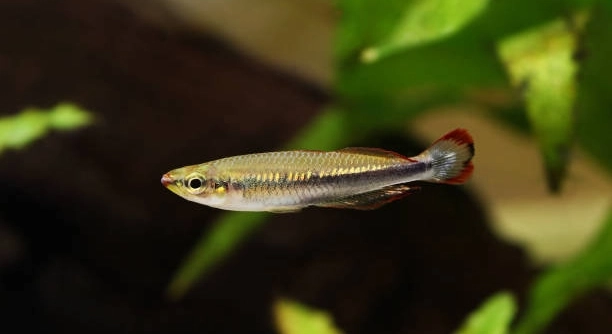
Have you ever noticed how your rainbowfish swim differently when something in the tank is moved? These small, colorful fish respond to their surroundings in ways that can seem surprisingly intentional and observant.
Rainbowfish do recognize changes in tank layout. They adjust their swimming patterns, hiding spots, and social interactions based on rearranged decorations, plants, and hiding areas. Such behavioral responses indicate a level of spatial awareness and adaptability in their environment.
Observing these responses can reveal important insights about your fish’s comfort and stress levels in the aquarium. Understanding these behaviors helps maintain a harmonious and healthy tank environment.
How Rainbowfish Notice Their Surroundings
Rainbowfish are very aware of their tank environment. They use visual cues to navigate, and even small changes can affect how they move and interact. When plants, rocks, or ornaments are rearranged, rainbowfish often explore cautiously, checking familiar spots to see what has changed. Some may stay near the tank bottom or behind hiding places until they feel safe again. This behavior shows that they rely on memory and observation to feel secure. The fish also adjust how they school together, often sticking closer to each other when something new appears in their space. Over time, they can become comfortable with the changes, learning the new layout and resuming normal swimming patterns. Observing their reactions gives insight into their intelligence and adaptability. Each fish may respond differently, and even subtle adjustments in their environment can lead to noticeable changes in behavior, making careful observation important for anyone maintaining a tank.
Their responses are consistent, showing they remember previous tank layouts and can adapt over time with repeated exposure.
Rainbowfish behavior reflects their natural instincts. In the wild, they often face changing environments, which trains them to respond to differences quickly. In a tank, these instincts remain, allowing them to explore safely while avoiding potential danger. Rearranging their space simulates a mild environmental change, which can stimulate their mental activity and keep them engaged. Watching how they react to new hiding spots or moved plants can help identify stress signs. Some fish may freeze or retreat, while others boldly investigate. Understanding these reactions helps in designing a tank that balances enrichment with safety. Providing familiar landmarks alongside new elements encourages confident exploration and reduces anxiety. A well-planned layout supports natural behaviors like schooling, hiding, and foraging. Adjusting the tank thoughtfully can strengthen the fish’s sense of security, making the aquarium a stable yet stimulating habitat for your rainbowfish.
Signs of Stress from Layout Changes
Stress in rainbowfish shows quickly through behavior. They may hide, swim erratically, or avoid areas they once liked.
Watching for prolonged hiding, loss of appetite, or disrupted schooling patterns can indicate that the tank changes are too sudden. Consistent observation allows owners to make small adjustments rather than large disruptions. Gradual rearrangement, keeping some familiar spots, helps rainbowfish regain confidence and reduces stress. Providing plenty of hiding places ensures they can cope with new layouts at their own pace. Over time, most rainbowfish will explore and adapt, but sudden, drastic changes can lead to long-term anxiety. Tank lighting, water flow, and plant density all contribute to their comfort. Monitoring these factors alongside layout changes creates a supportive environment. Fish that feel secure are more active, show vibrant colors, and interact normally, reflecting overall well-being. Understanding stress signs also guides future tank adjustments, ensuring that each change enhances the habitat rather than causing discomfort. Careful planning and attention to behavior make a significant difference in maintaining a healthy, balanced aquarium.
Adapting to New Tank Layouts
Rainbowfish may pause or explore slowly when their tank changes. They often test new hiding spots and swim cautiously around unfamiliar objects.
Over time, they start to recognize the new layout. They memorize the locations of plants, rocks, and other decorations, which helps them feel secure. Some fish are quicker to adapt, swimming confidently through the tank within a few days. Others take longer, retreating to corners or behind decorations until they feel safe. This behavior shows their memory and ability to adjust. Repeated exposure to small changes can reduce stress and encourage more active exploration. Tank owners can observe these patterns to support a smooth transition after rearrangements.
Keeping some familiar areas while adding new elements helps rainbowfish adapt faster. Gradual adjustments allow them to explore without anxiety, maintaining healthy swimming patterns and social interactions.
Encouraging Comfortable Exploration
Adding new plants or rearranging decorations can stimulate rainbowfish curiosity. They often investigate each element carefully, moving between hiding spots.
Providing consistent hiding areas along with new features creates balance. Fish that feel safe are more willing to explore, interact with tank mates, and display natural behaviors. Observing their exploration helps identify which areas cause hesitation. Some decorations may need to be repositioned if fish avoid them, while others enhance comfort and activity. Gradual changes prevent stress and encourage confident swimming. Over time, a thoughtfully arranged tank fosters healthy behaviors, mental stimulation, and vibrant interactions among rainbowfish. Owners can adjust lighting, plant density, and decoration placement to support exploration while maintaining familiar safe zones.
Observing Initial Reactions
Rainbowfish often react immediately to tank changes. Some may freeze near familiar spots, while others swim cautiously around new objects.
They rely on memory and visual cues to feel safe. Even small changes in decoration or plant placement can trigger noticeable adjustments in swimming and hiding behaviors.
Memory and Spatial Awareness
Rainbowfish demonstrate a strong sense of spatial awareness. They remember the location of hiding spots, feeding areas, and preferred swimming routes. When objects are moved, they gradually explore the altered layout, assessing risks before fully returning to normal activity. Their ability to adapt depends on prior experience and the complexity of the changes. Fish that are regularly exposed to minor adjustments tend to adjust faster, while sudden large changes may increase stress. Observing how each fish responds can help in planning rearrangements and designing a tank that balances stimulation with familiarity.
Maintaining Comfort Zones
Keeping familiar areas intact during changes helps rainbowfish feel secure and reduces stress while they explore.
FAQ
Do rainbowfish get stressed when the tank layout changes?
Yes, rainbowfish can show stress when their environment is altered. They may hide, swim erratically, or avoid areas that were once familiar. Stress levels usually depend on how drastic the change is and how often the fish experience new layouts. Small, gradual changes tend to reduce stress, while sudden rearrangements may cause longer hiding periods or reluctance to explore. Observing their behavior during changes is important to ensure they remain comfortable. Providing some consistent hiding spots allows them to feel secure while they investigate new objects or decorations.
How long does it take rainbowfish to adapt to a new tank layout?
Adaptation time varies by individual fish and the extent of the changes. Some rainbowfish adjust within a few hours, while others may take several days to explore fully and return to normal swimming patterns. Gradual introduction of new elements helps shorten this period. Fish that are regularly exposed to minor changes tend to adapt faster, as their memory and spatial awareness allow them to understand the new layout more quickly. Tracking their swimming routes, hiding habits, and interaction with other fish can give insight into how well they are adjusting.
Do rainbowfish remember old layouts?
Rainbowfish have a strong sense of memory and spatial awareness. They often remember where plants, rocks, and hiding spots were located. When the tank layout changes, they may return to previous familiar areas out of habit or to test whether the space is safe. Over time, they learn the new arrangement and resume normal behaviors. This memory helps them feel secure and navigate their environment efficiently. Fish that are regularly exposed to minor changes show quicker adaptation because they rely on prior experience to understand and evaluate their surroundings.
Can frequent layout changes harm rainbowfish?
Frequent or sudden changes can increase stress and may temporarily affect feeding or social behavior. While some stimulation is beneficial, constantly moving decorations can make fish hesitant to explore and may reduce overall activity. Gradual changes, keeping some familiar zones intact, allow rainbowfish to adjust without disrupting their routine. Monitoring reactions and ensuring they have safe areas to retreat to helps maintain their health and comfort in a changing environment. Balance is key—enough change to keep them engaged but not so much that it overwhelms them.
How can I encourage rainbowfish to explore a new layout?
Introducing changes gradually encourages confident exploration. Move one decoration or plant at a time and allow the fish to investigate before making further changes. Keeping some familiar spots accessible helps them feel secure. You can also provide extra hiding places or visual markers to guide their movement. Observing their behavior helps identify areas that may cause hesitation, so adjustments can be made to promote comfort. Over time, small, thoughtful changes keep rainbowfish active, mentally stimulated, and confident in their environment.
Do all rainbowfish respond the same way to tank changes?
No, individual fish respond differently. Some may investigate quickly, while others hide or move cautiously. Age, personality, and prior experience with changes influence their reactions. Schooling behavior may also shift, with fish sticking closer together until they feel safe. Understanding each fish’s tendencies helps in arranging the tank in a way that supports both bold and timid individuals. Observing these patterns allows for more effective adjustments that balance stimulation and comfort for the entire group.
What signs indicate that a layout change is too stressful?
Prolonged hiding, loss of appetite, erratic swimming, or reduced interaction with tank mates can indicate stress. Continuous avoidance of certain areas or refusal to explore new decorations also signals discomfort. If multiple fish display these behaviors, it’s a sign that changes may be too sudden or extensive. Returning some elements to their original positions or slowing the pace of further rearrangements can help rainbowfish regain comfort and confidence. Regular observation is essential to prevent stress from affecting their health or social behavior.
Are there benefits to changing the tank layout?
Yes, occasional changes provide mental stimulation and encourage natural behaviors such as exploring and schooling. New hiding spots or rearranged decorations create a dynamic environment that reduces boredom. When done gradually, these changes can strengthen memory and spatial awareness. Fish become more confident and active, which improves overall health and color vibrancy. Thoughtful adjustments also allow owners to test how fish interact with new environments while maintaining safety and comfort. This balance enhances both their physical and mental well-being.
How often should I change my rainbowfish tank layout?
There is no strict rule, but minor changes every few weeks are usually enough to stimulate curiosity without causing stress. Larger or more complex rearrangements should be done more slowly, with observation between each change. Maintaining familiar areas ensures comfort, while occasional adjustments keep the environment engaging. Each fish responds differently, so observing their reactions is key to determining the right frequency. Consistent monitoring ensures a safe, comfortable, and stimulating habitat.
Can tank mates affect how rainbowfish react to changes?
Yes, the presence of other fish influences behavior. Rainbowfish in a group may feel more confident exploring together, while timid individuals may hide longer when alone or with dominant tank mates. Schooling behavior provides safety, so observing how fish interact with each other helps in planning rearrangements. Ensuring enough hiding spots for all members reduces stress and allows each fish to adapt at its own pace. Careful consideration of social dynamics helps maintain harmony during and after layout changes.
Final Thoughts
Rainbowfish are sensitive to changes in their environment, and observing their behavior can tell you a lot about how they feel. They notice new decorations, moved plants, and shifted hiding spots almost immediately. Some fish may freeze or hide for a while, while others swim slowly and explore cautiously. These reactions are natural and show that rainbowfish rely on memory and spatial awareness to feel safe. Watching how each fish responds can help you understand their comfort levels and how quickly they adapt. Even small adjustments in the tank can make a noticeable difference in their behavior, so it’s important to pay attention to how they react before making further changes.
Adapting a tank layout should be done carefully to support both the mental stimulation and the well-being of your rainbowfish. Gradual changes allow them to investigate new spaces without feeling overwhelmed. Providing familiar spots alongside new elements helps them feel secure while exploring. Over time, fish learn the new arrangement and resume normal swimming and social patterns. Different individuals may take different amounts of time to adjust, so patience is essential. Observing their swimming paths, hiding habits, and interactions with other fish can give insight into how well they are adapting and whether additional changes are needed. Maintaining a balance between novelty and familiarity keeps rainbowfish confident and healthy.
Thoughtful planning and observation are key to a harmonious aquarium. Occasional adjustments in layout can enrich the environment, encouraging natural behaviors like exploring, schooling, and hiding. At the same time, sudden or drastic changes can cause stress and disrupt daily routines. By paying attention to each fish’s personality and responses, you can create a tank that supports both active and timid individuals. Consistency in feeding, lighting, and water conditions, combined with careful layout changes, ensures that rainbowfish remain comfortable and engaged. A well-organized tank not only improves the visual appeal but also promotes the overall health and happiness of your fish, creating a space where they can thrive.

Hello,
If you enjoy the content that we create, please consider saying a "Thank You!" by leaving a tip.
Every little bit helps us continue crafting quality advice that supports the health, happiness, and well-being of pets around the world, for pets of all shapes, sizes, and species.
We really appreciate the kindness and support that you show us!