
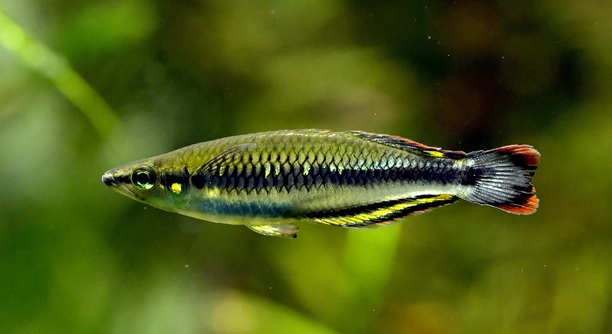
Rainbowfish are popular aquarium pets because of their bright colors and active nature. Feeding them seems simple, but giving too much food can quickly create problems in your tank and affect the well-being of your fish.
Overfeeding rainbowfish can lead to digestive issues, water quality deterioration, and increased risk of disease. Excess food decomposes, raising ammonia levels, which harms fish health. Consistent overfeeding disrupts natural behavior, causes obesity, and reduces overall lifespan in captive environments.
Managing feeding routines carefully is essential for healthy, vibrant rainbowfish and maintaining a balanced aquarium environment. Proper care ensures their long-term well-being and enjoyment.
Signs Your Rainbowfish Are Overfed
When rainbowfish are overfed, the effects are often visible in their behavior and appearance. They may become lethargic, swimming less actively than usual. Excess food that sinks to the bottom can foul the tank, creating cloudy water and an unpleasant odor. Overfed fish may develop bloated bodies, and their scales can appear stretched. Uneaten food attracts harmful bacteria, increasing the risk of infections and parasites. Overfeeding also leads to rapid algae growth, as the excess nutrients promote its proliferation. Monitoring your fish’s eating habits closely helps prevent these issues. Feeding small amounts at regular intervals is more effective than large, infrequent feedings. Observe how quickly your rainbowfish finish their food; leftovers are a clear indicator that portions need adjustment. Maintaining clean water through regular tank maintenance is essential to mitigate problems caused by overfeeding, ensuring your rainbowfish remain active and healthy.
Even minor overfeeding can affect water quality, reducing oxygen levels and stressing your fish. Early action prevents serious health complications.
Proper portion control and a consistent feeding schedule allow rainbowfish to thrive. Regularly removing uneaten food keeps the tank clean and supports their natural activity levels. Adjusting the diet to match fish size and age helps maintain ideal weight. Rotating food types, such as flakes, pellets, and occasional live or frozen options, ensures balanced nutrition. Avoid over-relying on one type of food, which can contribute to digestive issues. Observing fish daily helps identify changes in behavior or appetite. A balanced environment with controlled feeding prevents bloating, reduces waste buildup, and promotes vibrant colors. Overfeeding may seem harmless, but the long-term effects can shorten the fish’s lifespan. By creating a disciplined feeding routine and keeping the tank clean, rainbowfish can remain energetic, healthy, and visually striking in any aquarium setup.
How to Correct Overfeeding
Adjusting feeding amounts immediately helps restore balance in the tank. Offer smaller, controlled portions at consistent times to reduce leftover food.
Reducing feeding gradually, paired with more frequent water changes, allows rainbowfish to recover. Monitor their health closely, observing energy levels, swimming patterns, and body shape. Ensuring proper nutrition with high-quality, easily digestible foods prevents digestive stress and helps maintain a healthy gut. Overfeeding correction may involve temporarily switching to lighter meals or increasing live plant presence to absorb excess nutrients. Consistent observation is essential, as fish will slowly adjust to new feeding routines, and water parameters must remain stable to avoid further stress. Incorporating natural feeding behaviors, like scattering small amounts of food or using feeding rings, encourages activity and reduces overeating. Over time, a careful feeding schedule combined with attentive tank management restores water quality and fish vitality. This approach not only reverses immediate effects of overfeeding but also establishes long-term habits that safeguard rainbowfish health, ensuring they remain lively and colorful.
Preventing Overfeeding in Rainbowfish
Portion control is key to preventing overfeeding. Measure food before each feeding and avoid adding extra until fish finish their current portions. Consistency keeps the tank clean and fish healthy.
Using small amounts several times a day is better than one large feeding. Observe how quickly your rainbowfish eat and adjust portions accordingly. Removing uneaten food promptly prevents water contamination and reduces stress on your fish. High-quality foods that are easy to digest also support healthy growth and prevent bloating. Avoid sudden diet changes, which can confuse their digestive system. Monitoring behavior and tank cleanliness regularly ensures that overfeeding does not become a recurring issue.
Maintaining a feeding schedule helps rainbowfish develop predictable eating habits. Combining portion control with regular water changes preserves tank quality. Introducing a variety of foods, such as flakes, pellets, and occasional live or frozen treats, keeps their diet balanced. Avoid feeding until the fish appear full, as this encourages overeating. Instead, focus on providing only what they can consume in a few minutes. Over time, careful observation and moderation allow rainbowfish to stay active, healthy, and colorful, reducing risks associated with overfeeding.
Tank Maintenance and Water Quality
Regular water changes are essential for preventing overfeeding consequences. Removing debris and excess nutrients keeps fish safe and the tank clear.
Cleaning filters, vacuuming gravel, and monitoring water parameters help maintain a healthy environment. Overfeeding increases waste, which raises ammonia and nitrite levels. High ammonia levels stress rainbowfish, affecting their appetite, color, and immunity. Even with proper feeding, neglecting tank maintenance can lead to similar health issues. Regular testing for pH, nitrate, and nitrite levels ensures conditions remain stable. Proper filtration combined with careful feeding practices reduces the frequency of harmful water spikes. Observing fish behavior after maintenance helps identify any ongoing issues early. Maintaining tank hygiene creates a safe, stress-free environment for rainbowfish.
Common Health Issues from Overfeeding
Bloating and constipation are frequent problems in overfed rainbowfish. Their digestive systems become stressed, causing discomfort and reduced activity levels.
Swollen bodies and difficulty swimming often indicate more serious internal issues. Persistent overfeeding can lead to fatty liver disease and weakened immunity, making them prone to infections.
Adjusting Diet for Recovery
Switching to smaller, easily digestible meals helps rainbowfish recover from overfeeding. Flake or pellet foods designed for sensitive digestion reduce strain on their system. Gradually reintroducing live or frozen foods maintains nutritional balance. Avoid sudden increases in portion size, which can reverse progress. Monitor body shape, swimming patterns, and appetite to ensure recovery. Consistent feeding times and proper portions encourage normal behavior. Incorporating plant-based foods can aid digestion and support gut health. Over a few weeks, these adjustments restore energy, color, and overall vitality, helping rainbowfish return to optimal health without further complications.
Feeding Schedule Tips
Providing two to three small feedings daily prevents overeating. Consistent timing reinforces healthy eating habits.
FAQ
What happens if rainbowfish are fed too much?
Overfeeding rainbowfish can cause bloating, constipation, and digestive distress. Uneaten food decomposes in the tank, raising ammonia and nitrate levels, which harms water quality and stresses fish. Chronic overfeeding may lead to obesity, fatty liver disease, and a shorter lifespan. Maintaining proper portions is essential for their health.
How can I tell if my rainbowfish are overfed?
Signs include bloated bodies, lethargy, and swimming near the surface or bottom unusually. Uneaten food lingering in the tank and cloudy water are indicators. Changes in appetite, pale or faded colors, and slow responses are also warning signs. Regular observation helps prevent long-term issues.
How much should I feed my rainbowfish?
Feed only what your fish can consume within two to three minutes. Typically, this means small pinches of flakes or pellets several times a day rather than one large feeding. Portion control ensures food is digested properly and reduces tank waste buildup.
Can overfeeding affect water quality?
Yes. Excess food breaks down, producing ammonia, nitrites, and nitrates that pollute water. This can stress fish, weaken immunity, and encourage algae growth. Frequent water testing and regular partial water changes help maintain stable conditions, especially in tanks with many fish.
What is the best feeding schedule for rainbowfish?
Two to three small feedings per day are ideal. Feeding at consistent times establishes predictable behavior and reduces overeating. Avoid leaving food in the tank for extended periods. Combining different food types supports balanced nutrition while keeping portions manageable.
Are certain foods better to prevent overfeeding problems?
Easily digestible flakes and pellets designed for small tropical fish are preferable. Occasionally offering frozen or live foods adds variety but should be limited. Avoid foods that expand in the stomach or are high in fat, as they can worsen bloating and digestive issues.
How quickly do rainbowfish recover from overfeeding?
Recovery depends on the severity of the overfeeding. Mild cases improve within a few days with proper feeding adjustments and water changes. Severe cases may take weeks and require careful monitoring of health, behavior, and tank conditions to restore normal digestion and activity levels.
Can overfeeding lead to disease in rainbowfish?
Yes. Stressed fish with weakened immunity are more prone to bacterial and parasitic infections. Excess nutrients also encourage algae and harmful bacterial growth. Maintaining proper feeding habits, clean water, and observation reduces the risk of disease related to overfeeding.
What role does tank maintenance play in preventing overfeeding effects?
Regular cleaning, filter maintenance, and partial water changes remove uneaten food and excess waste. A well-maintained tank reduces ammonia spikes, stabilizes water parameters, and helps rainbowfish remain active and healthy. Even small changes in feeding habits are less harmful when the tank is clean.
Can overfeeding cause behavioral changes in rainbowfish?
Yes. Overfed rainbowfish may become less active, hide more, or display aggression due to stress and discomfort. They might swim near the surface to breathe more easily if oxygen levels drop. Proper feeding schedules help maintain normal behavior and promote social interactions.
How can I balance diet variety without overfeeding?
Provide a mix of flakes, pellets, and occasional frozen or live foods, ensuring total portions remain small. Rotate foods to supply different nutrients without exceeding their appetite. Measure each portion carefully and remove uneaten food to prevent water issues and digestive strain.
Is it safe to fast rainbowfish occasionally?
Yes. Skipping one feeding every few days can aid digestion and prevent bloating, especially after periods of heavier feeding. Occasional fasting mimics natural feeding patterns and supports gut health without harming fish, as long as nutrition is otherwise adequate.
How often should I monitor my rainbowfish for signs of overfeeding?
Daily observation is recommended. Watch swimming behavior, appetite, and body shape. Quick detection allows adjustments in feeding portions or frequency, preventing long-term health problems. Regular water testing complements observation to ensure tank conditions remain stable.
Can overfeeding affect the coloration of rainbowfish?
Yes. Overfed fish may show faded or dull colors due to stress, poor digestion, or fatty liver development. Proper portion control, a balanced diet, and clean water help maintain vibrant colors and overall vitality.
What is the easiest way to prevent overfeeding mistakes?
Use pre-measured portions and feed at consistent times. Observe how much your rainbowfish actually eat and remove leftovers immediately. Maintaining a strict schedule and keeping the tank clean prevents most overfeeding-related issues and supports healthy growth.
How long can rainbowfish tolerate small overfeeding before health declines?
Short-term minor overfeeding may not cause immediate harm, but repeated incidents can quickly lead to bloating, weakened immunity, and water quality deterioration. Consistency in portion control is key to preventing gradual health decline and maintaining a stable tank environment.
Do younger rainbowfish require different feeding amounts than adults?
Yes. Juvenile rainbowfish have higher metabolic rates and need smaller, more frequent meals to support growth. Adult fish require controlled portions to prevent obesity and digestive problems. Adjusting feeding according to size and age ensures healthy development and longevity.
How can I safely introduce new fish to prevent overfeeding issues?
Feed all fish in measured portions and avoid overcompensating for newcomers. New fish may eat more quickly, so separate monitoring and gradual adjustments prevent leftovers and stress. Maintaining a clean tank during introductions ensures water quality remains stable for all fish.
Can overfeeding affect other fish in a community tank?
Yes. Excess food can alter water chemistry, stressing all inhabitants. Some fish may compete aggressively for food, leading to uneven nutrition and potential injury. Controlling portions and removing leftovers protects the health of every fish in the tank.
What long-term habits prevent overfeeding problems?
Consistent portion control, regular observation, clean water, and varied diet choices form the foundation. Sticking to a routine and responding to early warning signs keeps rainbowfish active, healthy, and colorful, reducing the likelihood of digestive, behavioral, or water-quality issues.
How do I know if adjustments are working?
Monitor body shape, energy levels, swimming patterns, and appetite. Water clarity and chemical levels also indicate improvement. Gradual recovery, stable behavior, and consistent color show that feeding adjustments and tank maintenance are effective.
Final Thoughts
Overfeeding rainbowfish is a common mistake that can easily harm their health and the overall condition of the aquarium. Many fish owners do not realize how quickly excess food can lead to problems such as bloating, digestive distress, and lethargy. Leftover food not only affects the fish physically but also negatively impacts water quality. When food decomposes, it produces ammonia and nitrates that stress rainbowfish and encourage harmful bacteria and algae growth. These changes in the tank environment can make it harder for fish to thrive, even if their diet is otherwise balanced. Observing your rainbowfish regularly and noting any changes in behavior or appearance is a simple but effective way to prevent overfeeding from becoming a serious issue.
Implementing a structured feeding routine is one of the most important steps in maintaining healthy rainbowfish. Providing small portions multiple times a day allows the fish to consume all the food without leaving waste behind. Using pre-measured amounts helps ensure consistency, while removing any uneaten food promptly keeps the water clean. Choosing foods that are easy to digest, such as high-quality flakes or pellets, further reduces the risk of bloating and other digestive issues. Occasionally supplementing with live or frozen foods adds variety but should be done in moderation to prevent overfeeding. Alongside portion control, regular tank maintenance is essential. Water changes, gravel cleaning, and filter upkeep help maintain a stable environment and reduce the negative effects of accidental overfeeding. By combining careful feeding practices with attentive tank care, rainbowfish can remain active, healthy, and colorful.
Long-term health and vitality of rainbowfish rely on balance, consistency, and observation. Overfeeding may seem harmless at first, but repeated incidents can lead to obesity, liver problems, weakened immunity, and even shortened lifespan. Adopting disciplined feeding habits ensures that rainbowfish receive proper nutrition without overwhelming their digestive system. Regularly checking their body condition, swimming behavior, and appetite helps detect early signs of overfeeding or health issues, allowing corrective actions before serious problems develop. Maintaining a clean tank with stable water parameters supports this effort, creating an environment in which rainbowfish can flourish. By paying attention to their needs and adjusting feeding routines accordingly, it is possible to prevent overfeeding complications and support the long-term well-being of rainbowfish, ensuring they remain lively and vibrant in the aquarium.

Hello,
If you enjoy the content that we create, please consider saying a "Thank You!" by leaving a tip.
Every little bit helps us continue crafting quality advice that supports the health, happiness, and well-being of pets around the world, for pets of all shapes, sizes, and species.
We really appreciate the kindness and support that you show us!