
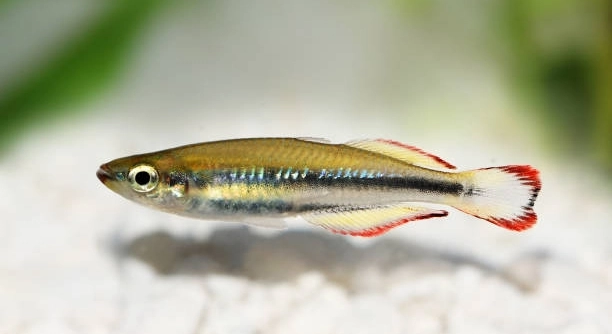
Rainbowfish are small, colorful freshwater fish that brighten any aquarium. Observing their behavior can reveal much about their well-being. Happy rainbowfish often display noticeable changes in movement, color, and social interactions that owners can identify.
When rainbowfish are happy, they swim actively, interact with other fish, and display vibrant colors. They may also explore their environment, feed readily, and show signs of comfort, such as resting near familiar spots or engaging in playful swimming patterns.
Noticing these behaviors can help owners maintain a healthy, stimulating environment. Paying attention to these signs ensures rainbowfish thrive and remain visually striking in their habitats.
Swimming Actively
Happy rainbowfish move with purpose and energy. They glide through the water, often exploring different areas of the tank. Their movements are smooth and deliberate rather than erratic. Observing their swimming patterns can help you recognize their mood. Active swimming usually signals good health and contentment. These fish may dart quickly when feeding or chase each other playfully. Slow, lethargic swimming can indicate stress or illness. Maintaining a clean tank with stable water conditions encourages lively activity. Proper lighting and hiding spots can also enhance their swimming habits. Social interactions influence activity, as rainbowfish often swim in groups, maintaining cohesion while exploring. You may notice them adjusting their position based on the movements of other tank mates. Overall, consistent active swimming is one of the clearest signs that rainbowfish are happy and comfortable in their environment.
Active swimming not only shows happiness but also reflects their overall physical health and environmental comfort in the tank.
Watching their movements can help you improve tank conditions, ensure proper diet, and maintain a stable environment that supports long-term well-being.
Vibrant Colors
Rainbowfish display brighter and more vivid colors when they are happy. Their scales reflect light, making them visually striking. This color intensity can change with mood, health, and breeding readiness. Proper diet, including protein-rich and natural foods, enhances these colors. Stress, illness, or poor water quality often dull their appearance, so vibrant hues are a positive indicator of satisfaction. Lighting also plays a role, as well-placed aquarium lights highlight their natural beauty. Social interactions within the group can stimulate color display, especially during playful or mating behaviors. Maintaining stable water temperature and chemistry ensures these colors remain consistent over time. Observing these changes provides insight into the emotional and physical state of your rainbowfish, helping you adjust care routines when necessary. Their visual display is not just attractive but serves as a communication tool with other fish, signaling confidence and well-being.
Color intensity is one of the clearest signs of happiness and good care in rainbowfish.
Monitoring these changes encourages attentive tank management and supports behaviors that enhance their health, social interaction, and visual appeal over time.
Social Interaction
Rainbowfish often swim in groups when they are happy. They interact with tank mates through synchronized movements, playful chasing, and gentle nudging.
These fish are naturally social and feel safer in groups. When happy, they maintain close proximity with each other while exploring the tank. You may notice them following one another or circling around plants. Social interaction strengthens bonds within the group and reduces stress. Lack of engagement can indicate discomfort or illness. Providing enough space and hiding spots supports positive interactions, allowing each fish to express natural behaviors. Group cohesion is a reliable indicator that rainbowfish are thriving and enjoying their environment. Observing these patterns helps owners identify happiness and maintain a harmonious tank.
Social behavior also influences feeding and swimming habits. Happy rainbowfish are more likely to share space, move confidently, and display consistent energy, reinforcing their overall well-being.
Feeding Enthusiasm
Rainbowfish show happiness through eagerness during feeding times. They swim quickly toward food and compete lightly without aggression.
A healthy, happy rainbowfish actively searches for food and eats consistently. They demonstrate curiosity and approach the surface or feeding area promptly. Balanced nutrition, including flakes, pellets, and occasional live foods, keeps them energetic and colorful. Feeding behavior reflects their comfort with the tank environment and the reliability of daily care. Lack of interest in food may indicate stress, illness, or poor water quality. Observing their response during feeding can guide adjustments to diet and environment. Proper feeding encourages growth, vitality, and natural behaviors.
Feeding enthusiasm also promotes stronger social dynamics. Happy rainbowfish coordinate during meals, interact without tension, and maintain energy levels that support active swimming, vibrant colors, and group cohesion.
Exploring the Tank
Happy rainbowfish often explore every corner of their tank. They investigate plants, decorations, and substrate without hesitation.
This behavior shows confidence and comfort in their environment. Fish that swim cautiously or hide constantly may be stressed or uncomfortable. Providing varied spaces and gentle currents encourages exploration and keeps them mentally stimulated.
Playful Behavior
Rainbowfish exhibit playful behavior through chasing, jumping, or quick turns. These movements are more frequent when they feel secure and content. Play helps strengthen social bonds, encourages exercise, and reduces stress. Observing these behaviors provides clear insight into their emotional and physical well-being. Maintaining a clean, spacious tank enhances opportunities for such activity.
Resting Comfortably
Rainbowfish will rest near familiar spots when happy. They stay calm, hover gently, and show no signs of stress, reflecting a secure and well-maintained habitat.
FAQ
What do happy rainbowfish look like?
Happy rainbowfish display vibrant colors, swim actively, and interact well with other tank mates. Their fins are fully extended, movements are smooth, and they explore the tank without hesitation. Bright, consistent coloration and confident swimming are the clearest visual indicators of contentment.
How can I tell if my rainbowfish is stressed?
Signs of stress include hiding constantly, clamped fins, dull coloration, and sluggish swimming. A lack of appetite and erratic movements are also indicators. Stress can result from poor water quality, overcrowding, or sudden changes in temperature or lighting.
How often should I feed rainbowfish?
Rainbowfish should be fed once or twice daily with a balanced diet of flakes, pellets, and occasional live or frozen foods. Overfeeding can lead to water quality issues, while underfeeding affects energy levels and color intensity. Small, controlled portions work best.
Do rainbowfish prefer company?
Yes, rainbowfish are social creatures. They thrive in groups of at least six or more. Group living encourages natural swimming patterns, reduces stress, and stimulates playful interactions. Observing a cohesive group is a good sign of happiness.
Can tank size affect rainbowfish happiness?
Absolutely. Rainbowfish need space to swim freely and establish territories. A small or overcrowded tank can cause stress, aggression, and reduced activity. A minimum of 30 gallons is recommended for a small group, with additional space for larger schools.
Why do rainbowfish change color?
Color changes often reflect mood, health, or breeding readiness. Bright, vivid colors indicate happiness and proper care, while dull colors suggest stress, poor diet, or illness. Lighting and tank conditions also affect how their colors appear.
How important is water quality for happiness?
Water quality is crucial. Rainbowfish are sensitive to ammonia, nitrites, and sudden pH changes. Regular testing, partial water changes, and proper filtration maintain a stable environment. Clean, balanced water supports active swimming, vibrant colors, and overall well-being.
Do rainbowfish sleep, and how can I tell?
Rainbowfish rest during dim light or nighttime, often near plants or decorations. Resting fish hover gently, reduce movement, and remain calm. Unlike some species, they rarely lie on the substrate. Observing their resting habits can indicate a stress-free, secure environment.
Can rainbowfish recognize their owners?
While they do not recognize humans like mammals, rainbowfish learn feeding routines and may respond to familiar movements. They may swim toward the tank when someone approaches, showing comfort and anticipation. Consistent care builds trust and encourages positive behaviors.
What activities keep rainbowfish happy?
Swimming freely, interacting with other fish, exploring the tank, and having a balanced diet all contribute to happiness. Providing hiding spots, plants, and varying tank structures encourages natural behavior and reduces boredom. Playful chasing and coordinated group movement are also signs of contentment.
How do I encourage vibrant colors?
Balanced nutrition, clean water, and good lighting enhance color intensity. Protein-rich flakes, pellets, and occasional live foods support growth and pigmentation. Social interactions and a low-stress environment also encourage natural coloration, making happy rainbowfish more visually striking.
Are rainbowfish compatible with other species?
Yes, they are generally peaceful and can coexist with other non-aggressive fish of similar size. Compatibility supports social interaction and reduces stress. Avoid aggressive or fin-nipping species that can cause harm or disrupt group dynamics.
How often should I check on rainbowfish behavior?
Daily observation is recommended. Monitoring swimming, color, appetite, and social interactions helps detect early signs of stress, illness, or environmental issues. Prompt adjustments maintain happiness and overall health.
Can changes in the environment affect their mood?
Yes, sudden changes in temperature, lighting, or tank layout can stress rainbowfish. Gradual adjustments and a stable environment promote calm, consistent behavior and maintain positive interactions within the group.
What should I do if a rainbowfish appears unhappy?
Identify potential causes, such as water quality, diet, tank size, or social stress. Correcting these factors usually improves mood. Provide hiding spots, maintain stable conditions, and ensure compatible tank mates to encourage healthy, happy behavior.
This FAQ addresses the most common concerns about rainbowfish happiness and care, helping owners recognize behaviors that indicate contentment, reduce stress, and maintain a healthy, thriving aquarium environment.
Rainbowfish are small, colorful fish that bring life to any freshwater tank. Observing their behavior closely can reveal how happy and healthy they are. Active swimming, playful interactions, and bright colors are all good indicators that these fish are content in their environment. Each rainbowfish has its own personality, and taking the time to notice their habits can help you provide better care. Happy rainbowfish will explore their surroundings, swim in groups, and respond eagerly during feeding times. Watching these behaviors over time allows you to detect small changes in mood or health early, which can prevent stress or illness. Providing a stable and well-maintained tank supports their natural behavior and overall well-being.
Creating a comfortable environment for rainbowfish requires attention to several factors. Water quality is one of the most important, as poor water conditions can cause stress, illness, and dull coloration. Regular testing and maintenance, such as partial water changes and proper filtration, are essential to keep the tank clean and stable. Tank size also matters because rainbowfish need space to swim freely and form social groups. Overcrowding can lead to aggression, stress, and reduced activity. Including hiding spots and plants helps them feel secure while encouraging natural exploration. Proper lighting highlights their vibrant colors and supports healthy activity patterns. Providing a varied and balanced diet, with high-quality flakes, pellets, and occasional live or frozen foods, keeps them energetic and visually striking.
Observing rainbowfish closely can improve their care and strengthen the connection between you and your tank. Noticing small details, like playful chasing or resting comfortably in familiar areas, shows that your fish are happy and well-adjusted. Social interaction within the group is equally important, as these fish thrive when they can swim together and maintain cohesion. By monitoring feeding behavior, color intensity, and swimming patterns, you can detect early signs of stress or illness and make adjustments quickly. Consistency in care, attention to environmental factors, and providing opportunities for natural behaviors are key to keeping rainbowfish happy and healthy. In a well-maintained tank, rainbowfish display their full potential, with vibrant colors, lively movements, and engaging social interactions, making them a joy to observe and care for.

Hello,
If you enjoy the content that we create, please consider saying a "Thank You!" by leaving a tip.
Every little bit helps us continue crafting quality advice that supports the health, happiness, and well-being of pets around the world, for pets of all shapes, sizes, and species.
We really appreciate the kindness and support that you show us!