
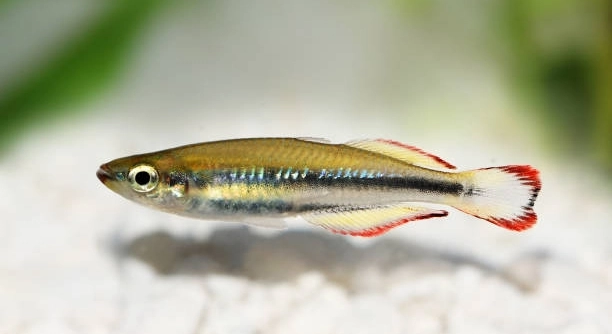
Are your rainbowfish spending time near the glass of their tank, seemingly captivated by their own reflection? These small, colorful fish often display behaviors that suggest they notice movements and colors in their mirrored image.
Rainbowfish demonstrate varying levels of awareness of their reflection, often responding with curiosity or social displays. While they may not possess full self-recognition, studies indicate they can perceive changes in their mirrored environment and adjust behavior accordingly.
Understanding how rainbowfish interact with reflections can shed light on their natural behaviors and improve their care in home aquariums. Observing these responses offers insights into their social and cognitive tendencies.
How Rainbowfish React to Their Reflection
Rainbowfish often show clear reactions when they see their reflection in the glass. Some swim closer, moving slowly to inspect the mirrored image, while others display more active behaviors like flaring fins or rapid movements. These responses can vary depending on the species, age, and personality of the fish. Juvenile rainbowfish may be more cautious, while adults often appear confident and curious. Observing these behaviors helps identify which fish are more responsive to environmental changes. In some cases, repeated exposure to reflections can reduce anxiety, as fish learn that the mirrored image does not pose a threat. Tank setup also influences reactions; a well-lit aquarium with clear glass encourages visibility and interaction, whereas murky water or dim lighting can limit engagement. Providing visual stimulation and space for movement supports both mental and physical well-being, allowing rainbowfish to explore and interact naturally. Overall, their reflection behaviors are small windows into their perception.
These reactions show that rainbowfish are aware of changes around them and can adapt their behavior accordingly.
Reflections in the tank can serve as enrichment for rainbowfish, helping them engage with their environment. The patterns of interaction, from cautious approaches to bold displays, indicate their ability to detect movement and respond. Observing their behavior over time allows owners to see personality differences and preferences, which can inform tank management and social groupings. By understanding these subtle cues, it’s possible to improve the care provided to rainbowfish. Ensuring a stimulating yet safe environment helps maintain both physical health and mental alertness, preventing boredom or stress. In addition, providing occasional mirrors or reflective surfaces temporarily can encourage exercise and exploration, mimicking natural behaviors in the wild. Consistent observation allows for adjustments in tank decor, lighting, and social dynamics, creating a more balanced and enriched setting. Rainbowfish that interact positively with reflections are often more active, confident, and resilient, demonstrating the benefits of thoughtful environmental enrichment.
Factors Affecting Reflection Awareness
Lighting, tank size, and decoration all influence how rainbowfish respond to reflections.
Rainbowfish perception of reflections depends heavily on their environment. Bright lighting enhances visibility, making mirrored images more noticeable and encouraging interaction, while dim lighting can reduce awareness and interest. Tank size also matters; smaller tanks may intensify stress if reflections are perceived as intruders, whereas larger tanks provide room for exploration and safe distance from perceived threats. Decorations like plants and rocks offer hiding spots and break up reflections, reducing overstimulation. Species differences play a role, with some rainbowfish naturally more curious and social, while others remain cautious. Regular observation helps owners adjust conditions, ensuring that reflections provide stimulation rather than stress. Understanding these factors allows for a better balance between enrichment and comfort. In addition, consistent water quality and appropriate social groupings complement environmental adjustments, supporting both cognitive engagement and overall health. Creating a well-thought-out tank environment improves rainbowfish welfare, encouraging natural behaviors and minimizing conflict related to reflections. Proper planning and observation ensure that reflections are a positive addition rather than a source of anxiety, allowing the fish to thrive in a more engaging and supportive space.
Common Behaviors Around Reflections
Rainbowfish may follow their reflection, flare fins, or briefly retreat. These reactions are usually short-lived and vary depending on the individual fish’s temperament and prior experience with reflections. Some fish show immediate curiosity, while others observe cautiously from a distance.
Behavior patterns often reveal social instincts. When a rainbowfish notices its reflection, it may display territorial postures, as if another fish entered its space. Schooling species sometimes respond by attempting to interact collectively, though this is limited since the reflection cannot reciprocate actual social signals. Repeated exposure can reduce fear responses, with fish eventually treating the reflection as part of their environment. Observation helps identify which fish are confident and which require more gradual acclimation to reflective surfaces, ensuring all fish remain comfortable.
These behaviors provide insight into cognitive processing and social tendencies. Tracking responses over time can guide tank adjustments, social groupings, and enrichment strategies. Consistent observation also highlights the importance of environmental design, lighting, and decor in shaping how rainbowfish interact with reflections. Understanding these responses supports healthier, more active fish and improves their overall well-being in captivity.
Benefits of Reflection Interaction
Exposure to reflections can encourage exercise, exploration, and mental stimulation in rainbowfish, especially in smaller or less dynamic tanks.
Reflection interactions promote activity and engagement. Fish that respond to their mirrored image often swim more, explore tank areas, and demonstrate a wider range of natural behaviors. This can reduce boredom and promote physical health, particularly in species that require frequent movement. Incorporating reflective surfaces temporarily can encourage interaction without overwhelming the fish. Observing these responses allows owners to adjust tank conditions, ensuring a balanced approach. Behavioral variation across individuals highlights differences in curiosity, caution, and social behavior, providing insight into personality traits.
Reflection-based stimulation can complement other enrichment methods, like varied décor or live plants, creating a richer environment. Monitoring the fish ensures interactions remain positive and stress-free. Over time, reflection awareness supports confidence, promotes social learning, and encourages natural movement patterns. Proper management prevents negative behaviors, such as aggression or repetitive swimming, that can arise from overstimulation. By using reflections thoughtfully, owners can foster healthier, more active, and mentally engaged rainbowfish, improving both daily care and long-term welfare.
Signs of Curiosity
Rainbowfish often inspect mirrors or glass surfaces carefully, swimming closer and moving slowly. These small movements indicate interest rather than aggression, showing they notice changes in their environment.
Some rainbowfish may circle their reflection repeatedly or pause to watch it. This behavior reflects natural curiosity and provides insight into their perception and awareness.
Managing Reflection Exposure
Limiting reflection exposure helps prevent stress, especially for shy or territorial rainbowfish. Mirrors or highly reflective surfaces should be introduced gradually and monitored. Providing hiding spots and varying tank layout reduces the risk of over-stimulation, allowing fish to interact comfortably with their environment.
Interaction Differences by Species
Different species of rainbowfish respond uniquely to reflections. Some are more active and curious, while others remain cautious and avoid mirrored surfaces. Recognizing these differences helps in planning tank placement, social groupings, and enrichment strategies that suit each species’ temperament.
Environmental Adjustments
Adjusting tank lighting, decorations, and layout can control reflection intensity. Subtle changes help fish interact safely without causing stress or aggressive behavior.
FAQ
Do rainbowfish recognize themselves in a mirror?
Rainbowfish do not appear to have full self-recognition like some mammals or birds, but they are aware of changes in their environment caused by reflections. They may follow their reflection, flare fins, or display territorial postures, suggesting they perceive it as another fish rather than themselves.
Can mirror exposure stress rainbowfish?
Yes, excessive exposure to reflections can cause stress, especially in shy or territorial individuals. Constant interaction with a mirror may be perceived as repeated intrusion by a rival. Limiting mirror access and providing hiding spots or varied décor can reduce stress and allow fish to engage safely.
How long should rainbowfish be exposed to reflective surfaces?
Short, monitored periods are ideal. Introducing reflections for a few minutes at a time can stimulate curiosity and exercise without causing anxiety. Observing how each fish reacts helps determine the appropriate exposure duration and frequency.
Do all rainbowfish species respond the same way?
No, species differences influence reactions. Some rainbowfish are naturally bold and curious, approaching reflections readily. Others are cautious, keeping distance or retreating when they notice mirrored movements. Knowing your species’ tendencies aids in designing a tank environment that meets their comfort levels.
Can reflection exposure improve fish behavior?
Yes, brief and controlled interactions can promote activity and mental stimulation. Fish may explore more, practice social behaviors, and display a wider range of natural movements. Reflections can complement other enrichment methods like plants, rocks, and varied lighting.
Should mirrors be left permanently in the tank?
No, leaving mirrors permanently can cause frustration or aggression. Rainbowfish may repeatedly attempt interaction or perceive the reflection as a persistent competitor. Temporary and controlled exposure ensures enrichment without long-term negative effects.
How do lighting and tank setup affect reflection awareness?
Bright, clear lighting enhances visibility, making reflections more noticeable and encouraging interaction. Dim lighting or murky water can reduce awareness and engagement. Decorations and hiding spots also influence responses, allowing fish to feel safe while observing their mirrored image.
What behaviors indicate stress from reflections?
Signs include rapid darting, hiding for long periods, fin clamping, or aggressive displays toward the glass. Consistently stressed fish may stop eating or avoid certain areas. Monitoring these behaviors helps adjust the tank environment to reduce anxiety.
Can reflection exposure benefit shy rainbowfish?
Yes, gradual exposure to reflections can encourage shy fish to explore more and increase confidence. Introducing mirrors in short sessions allows cautious individuals to become familiar with environmental changes safely.
How often should observation take place during reflection exposure?
Observation should occur each time a mirror or reflective surface is introduced. Watch for signs of curiosity or stress, adjusting duration, distance, and environment as needed. Consistent monitoring ensures fish remain healthy and engaged.
Is reflection interaction necessary for rainbowfish well-being?
Not necessary, but it can provide enrichment, mental stimulation, and exercise. Fish in smaller or less active tanks benefit most, while those in complex, well-decorated environments may not require mirrors. Controlled exposure ensures enrichment without unnecessary stress.
Can group dynamics affect reflection response?
Yes, fish in schools may respond differently than isolated individuals. Some may ignore reflections when in groups, while others attempt collective interaction. Understanding these dynamics allows for better tank design and social arrangements.
Are there alternatives to mirrors for enrichment?
Yes, providing live plants, rocks, tunnels, or varied décor can encourage natural behaviors and exploration. Reflection is just one form of mental stimulation and can be combined with environmental adjustments for optimal enrichment.
How long does it take for fish to get used to reflections?
It varies by individual and species. Bold rainbowfish may respond immediately, while cautious ones take several sessions to approach confidently. Gradual exposure helps prevent stress and encourages natural interaction patterns.
Can reflection awareness indicate intelligence?
Awareness of reflections shows perceptual and social abilities but does not necessarily equate to self-recognition. Rainbowfish can detect movement, adjust behavior, and respond to environmental changes, reflecting cognitive engagement rather than self-awareness.
How should tank owners handle aggressive reactions to reflections?
If aggression occurs, remove or cover the reflective surface temporarily. Adjusting lighting, decorations, and hiding spaces helps reduce perceived threats. Controlled exposure ensures interactions remain safe and non-stressful for all fish.
Does age affect reflection response?
Yes, younger rainbowfish may be more cautious and reactive, while adults often show confidence and curiosity. Age influences social behavior and interaction patterns, guiding observation and enrichment strategies.
Can reflections help with social learning?
To a degree, yes. Fish observing their own or others’ mirrored behavior may practice displays, fin movements, or swimming patterns. While not full social learning, it encourages activity and awareness of body movement within the environment.
Are there risks to too much reflection exposure?
Yes, prolonged exposure can lead to stress, aggression, or repetitive behaviors. Limiting interaction and monitoring reactions prevents negative outcomes, maintaining fish welfare and promoting healthy, natural behaviors.
What’s the best approach for reflection enrichment?
Introduce mirrors or reflective surfaces gradually, observe fish closely, and combine with other environmental enrichments. Adjust lighting, decorations, and hiding spots to ensure safe, stimulating, and engaging interactions tailored to individual fish needs.
How can observation improve overall fish care?
Careful monitoring of reflection responses provides insights into temperament, social tendencies, and environmental preferences. This information allows tank adjustments, enrichment planning, and better understanding of individual and species-specific behavior.
Final Thoughts
Rainbowfish are small, colorful fish that show a surprising level of awareness in their environment. Observing their reactions to reflections can reveal a lot about their behavior, social tendencies, and personality. Some fish approach their mirrored image with curiosity, moving slowly and inspecting it from different angles, while others may flare fins or swim rapidly as if defending their space. These behaviors do not indicate self-recognition but rather a response to movement and change in their surroundings. Each fish reacts differently depending on its species, age, and individual temperament. Younger rainbowfish may be cautious and hesitant around reflections, while adults often show confidence and curiosity. The way a fish responds provides insight into its natural instincts and cognitive abilities. Watching these interactions over time allows owners to learn more about their fish, adjusting tank setup and care practices to suit individual needs.
Reflections can also serve as a form of enrichment in a home aquarium. Brief, controlled exposure to mirrors or reflective surfaces encourages activity, exploration, and mental stimulation. Fish may swim more actively, interact with their surroundings, and practice social behaviors like displaying fins or swimming in patterns similar to schooling. These behaviors help prevent boredom and promote overall well-being, particularly in smaller tanks or less complex environments. However, it is important to manage exposure carefully, as too much reflection can cause stress or aggressive behaviors. Providing hiding spots, plants, and varied decorations allows rainbowfish to interact safely with reflections while giving them control over their environment. Adjusting lighting and tank layout can further influence how fish respond, ensuring that enrichment is positive rather than overwhelming. Over time, reflection awareness can support confidence and encourage natural movement patterns, contributing to healthier, more active fish.
Understanding rainbowfish behavior in relation to reflections emphasizes the importance of observation and environmental management. By paying attention to individual differences, owners can create conditions that meet each fish’s comfort level and stimulate natural behaviors. Reflection interactions are just one tool among many for promoting mental and physical health. They provide insight into social instincts, curiosity, and perception, which can guide decisions about tank layout, groupings, and enrichment strategies. Thoughtful management of reflections, combined with proper care, water quality, and nutrition, supports the overall welfare of rainbowfish. Observing responses carefully helps ensure that interactions remain safe and beneficial, preventing stress or frustration. In the end, understanding how rainbowfish react to their environment, including reflections, allows for a more engaging and fulfilling aquarium experience for both the fish and their caretakers. Creating a supportive environment where fish can explore, interact, and display natural behaviors improves long-term health, activity levels, and quality of life, showing that even small fish can provide meaningful insight into aquatic behavior and care.

Hello,
If you enjoy the content that we create, please consider saying a "Thank You!" by leaving a tip.
Every little bit helps us continue crafting quality advice that supports the health, happiness, and well-being of pets around the world, for pets of all shapes, sizes, and species.
We really appreciate the kindness and support that you show us!