
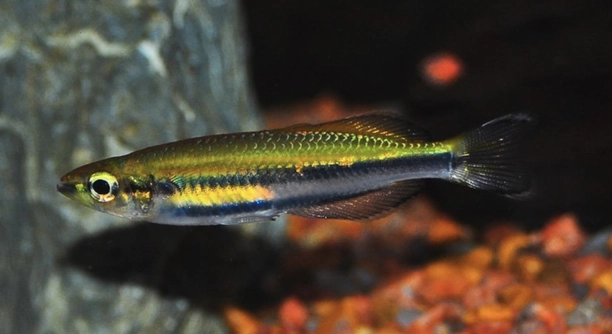
Do your rainbowfish seem to swim confidently around the tank, yet sometimes pause at the edges as if unsure? Many fish owners notice this behavior and wonder how much their pets understand the space they inhabit.
Rainbowfish display a basic recognition of tank boundaries through visual and tactile cues. They adapt their swimming patterns to avoid collisions, maintain orientation, and interact safely with tank mates, demonstrating a practical, though limited, awareness of their confined environment.
Observing these behaviors can reveal more about your fish’s habits and help create a comfortable, enriching tank setup.
How Rainbowfish Perceive Their Tank
Rainbowfish rely heavily on their senses to understand the limits of their environment. They notice changes in light, reflections, and nearby objects, which helps them navigate without frequent collisions. Many owners observe their fish swimming along the glass edges or turning sharply near decorations. This behavior is not random; it is an adaptation that keeps them safe. Over time, fish develop memory patterns that guide their swimming routes, often revisiting familiar areas in the tank. Movement of other tank inhabitants also influences their awareness, as they adjust their position to avoid conflicts. Water flow and current provide additional spatial cues, subtly guiding their movements and helping them judge boundaries. Even when startled, rainbowfish quickly recalibrate their position, showing that they are responsive to environmental changes. Observing these interactions can help owners arrange the tank more effectively and reduce stress for the fish. Understanding their spatial behavior allows for a more harmonious aquatic environment.
Recognizing how rainbowfish sense boundaries helps prevent injuries and ensures they remain comfortable in their confined habitat.
Creating a tank with open swimming space and well-placed hiding spots encourages natural behavior. By watching how rainbowfish interact with the edges and decorations, you can make small adjustments that reduce collisions. Maintaining proper water conditions and gentle currents supports their ability to navigate effectively. Even minor rearrangements can influence how confident they feel moving through the tank. Additionally, providing consistent lighting and avoiding sudden changes helps reinforce familiar boundaries. With attention to these details, rainbowfish display smoother swimming patterns, less stress, and healthier interactions. The observation of their behavior offers insight into their comfort level, guiding improvements in tank layout and care.
Signs Your Rainbowfish Understand Boundaries
Rainbowfish often swim along familiar paths near the tank walls, demonstrating their awareness of limits.
When rainbowfish are placed in a new tank or experience changes, they rely on visual landmarks to orient themselves. They may swim cautiously at first, gradually exploring the space while avoiding abrupt contact with glass or decorations. These fish are responsive to both static and moving objects, adjusting speed and trajectory to maintain balance and safety. Social interactions with other fish also influence their awareness, as they navigate shared spaces without frequent collisions. Providing adequate space and predictable environmental cues supports natural swimming patterns. Observing these behaviors can help owners detect stress or discomfort, ensuring adjustments are made promptly. Fish that repeatedly bump into objects or display erratic swimming may need changes in tank layout or current flow. Attentive observation not only enhances their comfort but also promotes healthier, more natural movement patterns, reinforcing their understanding of the tank’s boundaries.
Tank Layout and Fish Behavior
A well-planned tank layout helps rainbowfish navigate confidently. Proper spacing between decorations and open swimming areas reduces collisions and supports natural movement patterns.
Spacing decorations evenly allows rainbowfish to establish clear swimming routes. Open areas give them freedom to swim quickly without stress, while hiding spots provide security. Plants and rocks act as visual markers, helping fish gauge distances. Avoid overcrowding the tank, as this can confuse them and lead to erratic swimming or frequent bumping into boundaries. Consistent placement of objects over time helps rainbowfish remember their environment, promoting smoother movement and reduced stress. Observing their behavior after rearrangements reveals how sensitive they are to changes. Small adjustments can make a significant difference in their confidence and overall comfort in the tank.
Water flow and current also affect how rainbowfish perceive their space. Gentle currents guide swimming and reinforce boundaries, while strong or irregular flow may create confusion. Combining visual cues with stable water movement improves spatial awareness and reduces accidental collisions. Proper filtration and minimal turbulence allow rainbowfish to focus on navigating their territory without excessive stress, supporting healthy interactions with tank mates and their environment.
Recognizing Stress from Boundary Issues
Repeated collisions with glass or decorations indicate possible stress or confusion. Observing swimming patterns can reveal discomfort or fear.
Stress from unclear boundaries can affect rainbowfish behavior, appetite, and overall health. Fish that constantly bump into obstacles may become anxious or exhibit erratic swimming. Tank layout, water quality, and flow play crucial roles in their perception of space. Providing consistent environmental cues, open areas for movement, and safe hiding spots reduces stress. Monitoring fish closely after changes helps identify problem areas and prevent long-term health issues. Adjustments to decoration placement and water conditions often restore confidence and natural swimming behavior, improving overall well-being.
Adjusting to New Tanks
Rainbowfish often take time to adjust to new tanks. Providing familiar decorations and gradual changes helps them feel secure.
Maintaining consistent lighting and minimal disturbances during the first few days encourages confident swimming. Sudden rearrangements or strong currents can confuse them, so patience is essential.
Role of Visual Cues
Rainbowfish rely heavily on visual cues to navigate their environment. Decorations, plants, and tank walls provide landmarks that help them judge distances and maintain orientation. These cues reduce stress and support smoother swimming. A well-arranged tank allows rainbowfish to develop clear mental maps, enhancing comfort and natural behavior.
Importance of Open Swimming Space
Open areas in the tank let rainbowfish swim freely and maintain healthy activity levels. Avoid overcrowding decorations to support natural movement patterns and reduce collisions.
FAQ
Do rainbowfish really understand tank boundaries?
Rainbowfish do not have a conscious understanding of tank boundaries like humans do, but they recognize space through visual and tactile cues. They notice walls, decorations, and plants, adjusting their swimming patterns to avoid collisions. Over time, repeated exposure to the same layout helps them remember safe routes and familiar spots. This behavior is instinctive and reinforced by memory, allowing them to navigate their confined environment more confidently. Even in larger tanks, rainbowfish use these cues to orient themselves and avoid obstacles.
Why does my rainbowfish keep bumping into the glass?
Frequent collisions usually happen when fish are stressed, the tank layout is confusing, or the water flow is too strong. Overcrowding or sudden changes in decorations can disrupt their spatial awareness. Ensuring open swimming areas, stable decorations, and gentle currents reduces these incidents. Some fish may also take time to adjust to a new tank or changes in water conditions, so patience is important. Observing their swimming patterns daily helps identify problem areas and make small adjustments to improve comfort and reduce stress.
How can I help my rainbowfish navigate better?
Providing clear visual cues, such as plants, rocks, or decorations, helps fish judge distances. Keeping familiar landmarks in consistent locations allows them to form mental maps of the tank. Open swimming space encourages natural movement, while hiding spots provide security. Gentle water flow supports navigation without overwhelming them. Gradual changes in layout and minimal disturbances during adjustment periods also improve their confidence.
Do all rainbowfish react the same to boundaries?
No, individual fish may behave differently based on personality, size, and social interactions. Some are cautious and stay close to decorations or the tank walls, while others explore more freely. Group dynamics can also affect swimming patterns. Observing each fish helps tailor the environment to meet their needs, ensuring both active and shy fish can move comfortably without stress.
Can tank size affect boundary awareness?
Yes, smaller tanks limit swimming space and increase the likelihood of collisions, while larger tanks require more visual cues for orientation. Rainbowfish in bigger tanks may take longer to learn boundaries and establish familiar routes. Providing adequate swimming areas and clear landmarks in any tank size helps maintain confidence and natural behavior.
What role does water flow play in boundary recognition?
Water flow acts as a subtle guide for rainbowfish. Gentle currents help them gauge direction and speed, improving orientation. Strong or irregular flow can confuse them and lead to collisions. Maintaining stable, moderate water movement allows fish to navigate efficiently while supporting healthy exercise and minimizing stress.
How quickly do rainbowfish adapt to changes in the tank?
Adaptation depends on the magnitude of the change and the individual fish. Minor rearrangements may take a few days, while significant changes can take weeks. Gradual modifications and careful observation help them adjust without stress. Providing familiar landmarks and open swimming areas speeds up this process.
Do other fish affect how rainbowfish perceive boundaries?
Yes, interactions with tank mates influence swimming patterns. Crowded or aggressive neighbors may force rainbowfish to adjust routes frequently, while calm companions support consistent movement. Observing social dynamics and providing sufficient space helps all fish coexist comfortably, maintaining awareness of their environment.
Are decorations more helpful than bare tanks?
Decorations provide essential visual cues and hiding spots, enhancing boundary recognition. A bare tank can confuse rainbowfish, leading to erratic swimming and collisions. Plants, rocks, and ornaments serve as reference points, helping fish remember familiar areas and feel secure while exploring their environment.
Can stress impair boundary awareness?
Yes, stressed rainbowfish may swim erratically, collide with objects, or hide excessively. Stressors include sudden changes, overcrowding, poor water quality, and strong currents. Minimizing these factors, maintaining stable conditions, and offering clear visual cues allow rainbowfish to navigate confidently and remain healthy.
How often should I observe my fish for boundary issues?
Regular observation is key. Watching their swimming patterns daily helps identify potential stressors, collisions, or adjustments needed in tank layout. Early detection allows for small, timely changes, ensuring fish remain comfortable, active, and confident in their environment.
Do younger fish learn boundaries faster than older fish?
Younger rainbowfish tend to adapt quickly because they are actively exploring and developing memory patterns. Older fish may rely more on familiar routes but can still adjust over time. Providing consistent cues and safe swimming areas supports all ages in learning and navigating the tank effectively.
Can training or repetition improve their awareness?
While not training in a strict sense, consistent environmental cues and repeated exposure allow rainbowfish to remember safe routes. Gradually changing layouts while maintaining familiar landmarks reinforces spatial memory. Over time, they navigate more smoothly, showing improved confidence and reduced stress.
Is it normal for rainbowfish to explore boundaries even after years?
Yes, exploration is natural. Rainbowfish continue checking their surroundings and interacting with visual cues. Even after becoming familiar with the tank, they swim along edges, near decorations, or past hiding spots as part of instinctive behavior, maintaining awareness of their space.
What signs show my fish are confident in their tank?
Smooth swimming, minimal collisions, and balanced interaction with tank mates indicate confidence. Fish that explore freely but return to familiar areas, use hiding spots appropriately, and respond calmly to environmental changes show comfort and proper awareness of boundaries.
Can overcrowding make rainbowfish forget boundaries?
Overcrowding increases stress, forces frequent route changes, and may temporarily disrupt spatial awareness. Proper stocking levels, clear swimming areas, and strategic decoration placement help maintain their sense of boundaries and reduce stress-related collisions.
Do rainbowfish recognize their tank size compared to other tanks?
Rainbowfish adjust behavior based on available space. In small tanks, they may swim cautiously and stay near familiar areas. In larger tanks, they explore more but need visual landmarks to navigate safely. Their perception is influenced by experience, layout, and environmental cues, not conscious measurement of size.
How long does it take for rainbowfish to feel secure in a new tank?
Adjustment periods vary but typically take several days to a few weeks. Providing consistent landmarks, gentle water flow, open swimming areas, and minimal disturbances supports confidence. Observing their swimming patterns ensures they gradually explore without stress and navigate boundaries effectively.
Can poor lighting affect boundary awareness?
Yes, dim or inconsistent lighting reduces visual cues, making navigation harder. Proper lighting helps fish see walls, decorations, and plants, supporting orientation. Stable, moderate lighting encourages natural swimming patterns and reduces stress associated with disorientation.
Are certain decorations better for helping fish learn boundaries?
Smooth rocks, plants, and structured ornaments create clear visual cues without sharp edges. Avoid overcrowding or unstable items. Consistent placement allows fish to form mental maps, improving navigation, confidence, and overall comfort.
Does tank shape influence how rainbowfish perceive boundaries?
Long, rectangular tanks provide straightforward swimming paths, while irregular or circular tanks may require more visual cues for orientation. Proper decoration placement and open areas help fish adjust to any shape, supporting confident movement and reducing collisions.
Can boundary issues lead to health problems?
Yes, frequent collisions or stress from poor spatial awareness can cause injuries, bruising, or behavioral issues. Maintaining clear swimming areas, safe decorations, and gentle water flow reduces risks and promotes overall health.
How do I know if changes in swimming behavior are due to boundaries?
Erratic swimming, frequent collisions, or hesitation near decorations often indicate boundary confusion. Observing tank layout, water conditions, and social interactions helps pinpoint the cause, allowing adjustments to improve navigation and reduce stress.
Is it normal for rainbowfish to avoid certain areas?
Yes, avoidance is common if areas feel unsafe, crowded, or unfamiliar. Providing open swimming space, consistent landmarks, and minimal disturbances encourages exploration while respecting their natural caution around perceived boundaries.
Do rainbowfish use memory to navigate their tank?
Yes, repeated exposure to the same layout allows rainbowfish to remember safe routes and familiar areas. Visual cues, hiding spots, and tank walls act as reference points, supporting spatial memory and reducing collisions over time.
Can rearranging the tank improve their behavior?
Careful, gradual rearrangement with familiar landmarks can stimulate exploration and reinforce spatial memory. Sudden changes may cause stress, so small adjustments allow fish to adapt confidently while maintaining awareness of boundaries.
Does tank depth matter for boundary recognition?
Yes, deeper tanks require vertical awareness in addition to horizontal navigation. Providing plants, rocks, or layered decorations at different heights helps rainbowfish judge distances and maintain safe swimming patterns.
Are boundary behaviors different in groups versus solo fish?
Group dynamics influence swimming patterns. Crowded groups may increase collisions or require frequent adjustments, while solo fish rely solely on visual cues. Observing interactions ensures the tank layout supports safe navigation for all fish.
Can poor water quality impact their awareness?
Yes, stressed fish from poor water quality may swim erratically or fail to navigate safely. Maintaining proper temperature, filtration, and cleanliness supports natural swimming and reinforces boundary recognition.
Do rainbowfish react to reflections in the glass?
Reflections can confuse some rainbowfish, causing hesitation or bumping. Minimizing strong external light and positioning decorations to break reflections reduces stress and supports clear navigation.
Can older fish adapt to new tank boundaries?
Yes, older fish adjust with time and consistent cues. Gradual introduction of new objects, stable landmarks, and open swimming areas supports adaptation and reinforces confidence in navigating boundaries.
How does feeding time affect swimming near boundaries?
Fish may swim more actively along the edges or near decorations when anticipating food. This behavior is instinctive, and maintaining consistent feeding locations helps them navigate safely without stress or collisions.
Are some species of rainbowfish better at understanding boundaries?
Different species may vary in activity levels and caution. Active species explore more and use visual cues extensively, while cautious species stay near decorations or walls. Observing behavior guides tank arrangement for each type.
Can boundary awareness improve over generations?
Yes, fish exposed to consistent environments from a young age develop stronger spatial memory. Successive generations learn familiar routes faster, demonstrating the role of experience in navigating confined spaces.
Do rainbowfish need guidance from other fish to learn boundaries?
They can learn independently through visual and tactile cues. However, calm companions provide social reinforcement, helping younger or shy fish explore safely and build confidence in navigating boundaries.
Can stress from overcrowding cause long-term boundary issues?
Persistent stress may create erratic swimming habits or avoidance behaviors. Maintaining proper stocking, visual cues, and open swimming areas prevents long-term disruption to boundary recognition.
How can I tell if my tank layout is effective?
Fish swimming smoothly, minimal collisions, and confident exploration indicate a well-planned tank. Observing behavior over days or weeks shows whether adjustments are needed.
Does adding plants improve boundary recognition?
Yes, plants act as visual markers and provide hiding spots. They enhance spatial awareness, support natural behavior, and reduce stress while helping rainbowfish navigate confidently.
Can excessive decorations confuse rainbowfish?
Overcrowding can overwhelm them, causing hesitation or frequent collisions. Balanced decoration placement with open swimming space ensures clear visual cues and safe navigation.
Do rainbowfish react differently to natural versus artificial decorations?
They respond mainly to shape, size, and placement rather than material. Both natural and artificial decorations provide visual cues if arranged thoughtfully, supporting boundary awareness and natural behavior.
How often should I rearrange the tank?
Frequent changes can cause stress. Minimal, gradual adjustments allow fish to adapt, explore safely, and maintain awareness of boundaries without disruption.
Do rainbowfish have favorite swimming paths?
Yes, they often return to familiar routes along walls, decorations, or open spaces. Consistent landmarks support these patterns and reinforce spatial memory.
Can changes in light intensity affect movement near boundaries?
Sudden changes can cause hesitation or collisions. Consistent, moderate lighting supports visual cues, confident swimming, and reduces stress in their environment.
Are there signs that a fish has mastered its tank boundaries?
Smooth swimming, minimal collisions, confident exploration, and predictable interaction with decorations indicate comfort and effective spatial awareness. They can navigate freely and respond calmly to minor changes in the environment.
Can stress from aggressive tank mates affect boundary learning?
Yes, aggressive interactions may force frequent route adjustments, creating confusion and occasional collisions. Providing space and monitoring social dynamics supports safe navigation.
Do rainbowfish recognize vertical boundaries as well as horizontal?
Yes, vertical cues like plants, rocks, or tank height help them judge distances above and below, supporting complete spatial awareness in their environment.
Can I use this knowledge to improve breeding success?
Providing clear swimming areas, stable decorations, and minimal stress supports natural behavior, increasing comfort and overall health, which can positively influence breeding conditions.
Is boundary awareness instinctive or learned?
It is a combination. Instinct guides initial reactions to walls and objects, while repeated exposure and consistent cues help fish learn and remember safe routes over time.
Do rainbowfish explore more at certain times of day?
Activity levels often increase during feeding or daylight hours. Consistent routines allow them to navigate confidently, using landmarks and familiar areas without stress.
Can excessive movement near boundaries indicate health issues?
Erratic or constant collisions may signal illness, stress, or environmental problems. Monitoring behavior alongside water quality and tank conditions helps address underlying issues promptly.
Does tank temperature affect their ability to navigate?
Extreme or fluctuating temperatures can reduce activity and impair swimming. Stable conditions ensure rainbowfish can use visual cues effectively and move confidently throughout the tank.
Are some behaviors misinterpreted as boundary confusion?
Yes, playful chasing, schooling, or exploration may appear like confusion. Observing context and consistency helps distinguish natural behavior from stress or disorientation.
Can introducing new fish disrupt existing spatial awareness?
Yes, new tank mates may alter routes, create competition for space, or increase collisions. Gradual introduction and adequate space help all fish adjust without stress.
Do rainbowfish respond to tank reflections differently?
Some may mistake reflections for other fish, causing hesitation or temporary collisions. Adjusting lighting and decoration placement minimizes these reactions and supports navigation.
Can boundary awareness decline with age?
Older fish may move more cautiously, but spatial memory generally remains intact. Consistent cues and stable conditions support confident navigation throughout their lifespan.
How does feeding method affect swimming near boundaries?
Drifting food encourages mid-tank swimming, while surface feeding may increase edge activity. Balanced feeding locations help maintain spatial awareness and natural movement patterns.
Can temporary confinement affect long-term navigation?
Short-term confinement may cause hesitation when released, but fish typically readjust with exposure to familiar cues and open swimming areas.
Are certain tank shapes better for young fish learning boundaries?
Rectangular tanks with open swimming areas and clear landmarks support learning. Circular or irregular tanks may require additional cues to help them navigate confidently.
Do rainbowfish ever get “lost” in their tank?
Occasional disorientation happens during changes, strong currents, or poor lighting, but consistent visual cues and stable conditions help them quickly regain orientation.
How can I measure their comfort with boundaries?
Observe swimming patterns, frequency of collisions, exploration habits, and interactions with tank mates. Confident, smooth movements indicate comfort and effective awareness of boundaries.
Does the presence of hiding spots reduce stress near boundaries?
Yes, safe spaces give fish a sense of security, allowing exploration while reducing collisions and stress. Properly placed hiding spots enhance comfort and spatial awareness.
Can training with food improve spatial confidence?
Consistent feeding locations reinforce familiar routes, encouraging exploration along safe paths. Repetition helps fish navigate efficiently while associating areas with positive experiences.
Do rainbowfish ever “test” new boundaries?
Exploratory behavior is natural. They may swim near new decorations or edges cautiously, gradually learning distances and safe routes through repeated exposure.
Can tank decorations interfere with social interactions?
Overcrowded or poorly placed items may block sightlines, causing conflicts or confusion. Thoughtful layout maintains boundaries and supports harmonious interaction.
How long does it take for boundary learning to stabilize?
Typically several days to weeks, depending on tank size, layout, and individual fish. Consistent cues and stable conditions ensure confident navigation.
Are there signs that boundary awareness is impaired?
Frequent collisions, erratic swimming, excessive hiding, or avoidance of familiar areas indicate problems. Identifying the cause—layout, stress, or health issues—allows corrective measures.
Can gentle currents help reinforce boundaries?
Yes, moderate flow guides swimming patterns, encouraging consistent routes without overwhelming the fish, supporting spatial awareness and natural movement.
Do rainbowfish learn from observing other fish?
They can mimic movement patterns, especially in groups, which helps them navigate and adapt to shared space more confidently.
Are boundary issues more common in certain species of rainbowfish?
Species with higher activity levels or more cautious nature may show different patterns, requiring tailored tank arrangements to support confident navigation.
How does nighttime affect boundary awareness?
Reduced lighting slows movement and exploration. Providing gentle illumination or stable landmarks helps fish maintain orientation during low-light periods.
Can feeding frequency affect swimming along boundaries?
Regular feeding routines establish predictable routes, encouraging confident exploration and reducing erratic edge swimming.
Do rainbowfish prefer the same areas repeatedly?
Yes, familiarity provides comfort. They often revisit routes along walls, decorations, and open spaces, reinforcing spatial memory.
How important is water clarity for boundary perception?
Clear water enhances visual cues, supporting navigation. Murky or cloudy conditions reduce confidence, increasing collisions and stress.
Can overcrowding disrupt learned boundaries?
Yes, high stocking density forces frequent adjustments, causing temporary confusion and stress. Proper stocking ensures all fish can navigate safely.
Are certain feeding tools better for reinforcing boundaries?
Floating or slow-sinking foods encourage safe movement along established routes. Random or fast-moving food may cause erratic swimming or edge collisions.
Do rainbowfish ever ignore boundaries intentionally?
Exploration or playful behavior may appear as ignoring limits, but instinct and environmental cues usually guide them back safely.
How can I create a balanced tank layout for navigation?
Provide open swimming areas, consistent landmarks, gentle currents, and hiding spots. Avoid overcrowding and maintain stable lighting to support confidence and reduce collisions.
Can reflections from the glass confuse them?
Yes, strong reflections may temporarily mislead them. Adjusting lighting and decoration placement minimizes this effect and supports accurate navigation.
Do rainbowfish remember boundaries after moving to a new tank?
They need time to learn new layouts. Familiar landmarks, open spaces, and gentle currents help them establish mental maps in the new environment.
Can boundary awareness improve social harmony?
Clear spatial cues reduce collisions and conflicts. Confident navigation supports calmer interactions, benefiting both shy and active fish.
Are sudden tank rearrangements harmful?
Yes, abrupt changes can cause stress, collisions, and erratic swimming. Gradual adjustments with familiar landmarks maintain confidence and safety.
How do I know if my tank setup is optimal?
Smooth swimming, confident exploration, minimal collisions, and healthy interactions indicate effective layout and proper reinforcement of boundaries.
Does tank cleanliness affect spatial awareness?
Yes, debris or algae
Rainbowfish are fascinating creatures, and observing how they navigate their tank offers insight into their behavior and instincts. They rely on visual cues, tactile feedback, and memory to understand the boundaries of their environment. While they do not think about tank edges in the same way humans do, they adjust their swimming patterns based on what they see and feel around them. Repeated exposure to the same layout helps them recognize safe areas, familiar routes, and places to avoid. Decorations, plants, and even the tank walls themselves act as reference points, allowing rainbowfish to move with confidence and maintain balance. Over time, fish develop patterns and habits that make their movements smoother and less stressful, which benefits both their physical health and overall comfort in the tank.
A properly arranged tank supports these natural behaviors and reduces the likelihood of collisions or stress. Open swimming areas provide freedom to move, while strategically placed hiding spots offer security. Water flow, lighting, and tank size all contribute to how well rainbowfish perceive their boundaries. Gentle currents can guide swimming and reinforce spatial awareness, while abrupt changes or strong flows may create confusion. Consistent placement of decorations over time allows fish to form mental maps of their environment, making navigation easier. Observing rainbowfish as they swim along walls, explore open spaces, or interact with tank mates provides clues about how comfortable they are in their surroundings. Fish that move smoothly and confidently show they have adapted well, while those that appear hesitant or collide frequently may need adjustments in layout or environmental conditions.
Maintaining a healthy, well-thought-out tank is essential for supporting the rainbowfish’s ability to understand their environment. Clear water, stable lighting, and minimal disturbances encourage natural movement and allow fish to use visual and tactile cues effectively. Monitoring behavior regularly helps identify potential stressors and provides opportunities to make small improvements that enhance their comfort. Over time, rainbowfish demonstrate remarkable adaptability, adjusting to new decorations, different tank sizes, or changes in water flow while still maintaining awareness of their boundaries. By paying attention to these details, owners can create a tank that promotes confident swimming, reduces stress, and supports overall well-being. Observing and understanding these patterns not only improves the fish’s daily life but also strengthens the bond between owner and pet, ensuring a healthier, more harmonious aquatic environment for years to come.

Hello,
If you enjoy the content that we create, please consider saying a "Thank You!" by leaving a tip.
Every little bit helps us continue crafting quality advice that supports the health, happiness, and well-being of pets around the world, for pets of all shapes, sizes, and species.
We really appreciate the kindness and support that you show us!