
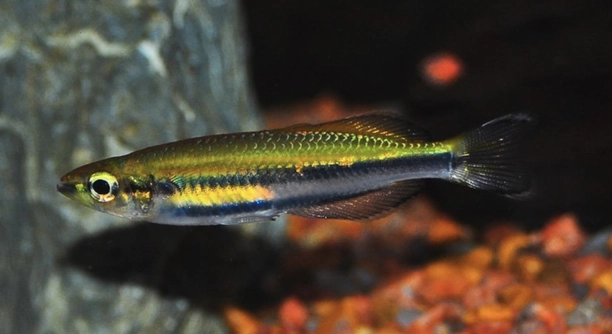
Have you ever noticed your rainbowfish sitting still for long periods, seeming unusually quiet in its tank? Watching them pause like this can feel unsettling, especially when they normally swim energetically across the water.
A rainbowfish may stop moving due to stress, illness, poor water quality, temperature fluctuations, or inadequate nutrition. Identifying the underlying cause quickly is essential for preventing further health decline and ensuring the fish’s well-being.
Knowing what triggers these behaviors can help maintain a healthier environment. Observing small changes can make a big difference in keeping your rainbowfish active and comfortable.
Stress Factors in Rainbowfish
Rainbowfish can become stressed for several reasons, and it often shows in their activity level. Changes in the tank, such as new decorations, other fish, or even sudden loud noises, can unsettle them. Stress may also appear when the water conditions are not stable, including fluctuations in temperature, pH, or hardness. Overcrowding the tank or placing aggressive tank mates with rainbowfish can make them feel unsafe, causing them to hide or stop swimming. Even routine maintenance, like cleaning or rearranging the tank, can temporarily stress them. Stress weakens their immune system, making them more prone to disease. Observing your rainbowfish’s behavior daily can help spot early signs of stress. Providing consistent care, maintaining water quality, and keeping a peaceful environment encourages natural swimming and activity. Reducing stress is one of the most effective ways to keep your rainbowfish healthy and vibrant over time.
Stress often leads to lethargy, hiding, and decreased appetite in rainbowfish.
Addressing stress involves maintaining stable water conditions, minimizing sudden changes, and ensuring compatible tank mates. A calm, predictable environment helps rainbowfish regain normal activity. Feeding a balanced diet and keeping a consistent schedule also supports their well-being. Regular observation allows for early intervention before stress leads to illness. Simple adjustments, such as gradual introductions of new fish or decorations, reduce anxiety. Providing hiding spots and open swimming areas balances security and freedom. Even small improvements in care routines can significantly impact a rainbowfish’s comfort. Stress management is an ongoing task, but it directly affects activity levels, overall health, and longevity. Monitoring behavior and responding promptly ensures your rainbowfish remain active, happy, and visually striking in the tank.
Water Quality and Temperature
Poor water quality can quickly affect rainbowfish movement. Dirty tanks, excess waste, and unbalanced pH levels make them sluggish.
Rainbowfish are sensitive to both temperature and chemical imbalances in their environment. Temperature swings, high ammonia, or nitrite levels can reduce energy and trigger illness. Maintaining a stable, clean tank with regular water testing and changes is crucial. Filtration and aeration improve oxygen levels, helping rainbowfish remain active. Even small adjustments, like adding dechlorinated water gradually, prevent shock and lethargy. Observing water clarity, checking equipment, and noting unusual odors can alert you to problems early. Proper feeding also prevents excess waste buildup. Overfeeding leads to decaying food, which contaminates water, stressing the fish. Maintaining an ideal temperature range and consistent water chemistry supports metabolism, swimming activity, and overall health. By monitoring conditions closely and responding to changes, you can prevent many common causes of rainbowfish inactivity and ensure a thriving tank environment.
Illness and Disease
Rainbowfish may stop moving when they are sick. Common illnesses include bacterial infections, parasites, or fungal growths, which affect their energy and swimming. Early detection is important for treatment.
Symptoms often include clamped fins, faded colors, or unusual spots. Infected fish may stay near the bottom or hide constantly. Quarantining the affected fish and checking water quality helps prevent the spread of disease. Using appropriate medication based on the specific illness can restore health. Observing feeding behavior is also key, as sick rainbowfish often lose interest in food. Prompt action increases recovery chances and prevents complications that could endanger the entire tank. Maintaining cleanliness and a balanced diet reduces the risk of illness over time.
A weakened immune system makes rainbowfish more vulnerable to disease. Stress, poor water, and improper diet all contribute. Even small infections can cause inactivity, so monitoring behavior closely is necessary.
Nutrition and Feeding Issues
Rainbowfish may become lethargic if their diet is insufficient. Lack of essential nutrients affects energy and growth.
Providing a varied diet that includes flakes, pellets, and occasional live or frozen food ensures they get proteins, vitamins, and minerals. Overfeeding can also be a problem, leading to digestive issues or poor water quality, which further reduces activity. Feeding small, consistent portions and observing how much your fish eat helps maintain health. High-quality food improves color, immunity, and swimming stamina. Avoiding spoiled or contaminated food prevents illness and lethargy. Feeding routines that match the species’ natural habits support normal movement and overall well-being. By balancing quantity and quality, rainbowfish remain active and healthy.
Tank Environment
Rainbowfish need enough space to swim freely. Overcrowding can make them stressed and inactive.
Decorations and plants should provide hiding spots but not block open swimming areas. Proper layout balances security with room to move, encouraging natural behavior and reducing lethargy.
Oxygen Levels
Low oxygen in the tank can cause rainbowfish to stop moving. Poor aeration or stagnant water reduces energy and affects breathing. Maintaining adequate water flow and adding air stones or filters improves oxygenation. Monitoring fish behavior helps detect oxygen issues early, keeping them active and healthy.
Aggressive Tank Mates
Rainbowfish may hide or stay still if other fish are aggressive. Bullying or nipping creates stress, reducing movement and appetite. Selecting peaceful, compatible species helps maintain a calm environment. Observing interactions regularly ensures rainbowfish feel safe and can swim freely without constant threat.
Lighting Conditions
Inadequate or harsh lighting affects rainbowfish activity. Too bright lights can stress them, while dim or inconsistent lighting reduces movement. Adjusting light levels to mimic natural conditions helps maintain regular swimming patterns and supports overall health.
FAQ
Why is my rainbowfish not moving even though the water looks fine?
Even if water appears clean, chemical imbalances like ammonia, nitrite, or nitrate spikes can stress fish. Temperature swings or low oxygen levels can also reduce activity. Checking water parameters regularly and maintaining consistent conditions keeps rainbowfish healthy and active.
Can stress alone make a rainbowfish stop swimming?
Yes, stress from overcrowding, aggressive tank mates, sudden movements, or constant noise can cause rainbowfish to hide or remain still. A calm, stable environment with enough hiding spots and open space encourages natural swimming.
Could illness be the reason my rainbowfish is inactive?
Absolutely. Bacterial, fungal, or parasitic infections often make rainbowfish lethargic. Look for signs like clamped fins, faded colors, white spots, or unusual swimming patterns. Prompt treatment and quarantine can prevent the spread and improve recovery chances.
Does diet affect rainbowfish movement?
Nutrition directly impacts energy levels. Rainbowfish need a balanced diet of flakes, pellets, and occasional live or frozen food. Overfeeding or underfeeding can reduce activity. Feeding small, consistent portions ensures proper digestion, supports metabolism, and prevents water contamination that can stress the fish.
Can water temperature changes cause rainbowfish to stop moving?
Yes, rainbowfish are sensitive to sudden temperature shifts. Cold water slows metabolism, reducing swimming, while overly warm water can stress them. Keeping the tank within the recommended temperature range and avoiding rapid changes maintains consistent activity and overall health.
Do aggressive tank mates affect rainbowfish behavior?
Definitely. Nipping, chasing, or general aggression causes stress and may force rainbowfish to hide or remain still. Choosing compatible, peaceful species and monitoring interactions helps create a safe environment, allowing rainbowfish to swim freely without constant anxiety.
Can lighting impact rainbowfish activity?
Yes, lighting affects their natural behavior. Bright lights can stress them, while too dim or inconsistent lighting may reduce swimming. Mimicking natural day-night cycles with moderate lighting supports normal movement patterns and overall well-being.
How can I tell if inactivity is temporary or serious?
Short periods of stillness may be normal, but prolonged inactivity, loss of appetite, color fading, or unusual swimming are signs of stress or illness. Observing behavior daily and checking water quality can help determine if intervention is needed.
Will adding plants or decorations help my rainbowfish move more?
Yes, well-placed plants and decorations provide hiding spots, reduce stress, and encourage exploration. Avoid overcrowding the tank, as this can limit swimming space and increase inactivity. A balanced layout helps rainbowfish feel safe while remaining active.
How often should I monitor my rainbowfish’s activity?
Daily observation is important. Noting changes in swimming patterns, feeding habits, or color can catch problems early. Consistent monitoring helps maintain water quality, detect illness, and adjust the tank environment for optimal activity.
Can water flow affect my rainbowfish’s movement?
Yes, inadequate water circulation can reduce oxygen and make rainbowfish lethargic. Gentle filtration and occasional water movement support healthy swimming and prevent areas of stagnant water that may stress fish.
Are certain rainbowfish species more prone to inactivity?
Some species are naturally more timid or slower-moving, especially in crowded or stressful tanks. Understanding species-specific behavior helps set realistic expectations for activity levels and proper tank setup.
Does overcrowding affect rainbowfish movement?
Yes, too many fish in one tank increases competition for space, food, and hiding spots. Overcrowding creates stress, which leads to hiding, sluggishness, and even illness. Keeping an appropriate population density ensures active and healthy rainbowfish.
Can I revive an inactive rainbowfish quickly?
Improving water quality, stabilizing temperature, reducing stressors, and providing proper nutrition often restores activity within days. Persistent inactivity despite these changes may indicate illness requiring targeted treatment. Prompt attention improves recovery chances.
Are there signs that inactivity is irreversible?
Severe disease, prolonged stress, or extremely poor water conditions may cause irreversible health decline. Signs include extreme lethargy, loss of color, fin rot, or severe emaciation. Early intervention is key to preventing permanent damage or death.
How can I prevent my rainbowfish from becoming inactive in the future?
Maintaining stable water parameters, a balanced diet, a safe environment, compatible tank mates, proper lighting, and regular observation prevents stress and illness. Consistent care ensures rainbowfish remain active, healthy, and display their natural colors.
Does tank size influence rainbowfish activity?
Yes, small tanks limit swimming space and increase stress. Larger tanks allow free movement, natural schooling behavior, and reduce aggression, supporting regular activity. Providing enough room for each fish prevents lethargy and promotes overall health.
Can seasonal changes affect rainbowfish activity?
Seasonal variations in room temperature or lighting can influence their energy levels. Sudden cold drafts or longer dark periods may slow movement. Keeping tank conditions consistent regardless of seasons helps maintain normal activity.
Is inactivity always a cause for concern?
Not always. Occasional resting or hiding is normal. However, consistent inactivity, changes in color, appetite, or interaction are warning signs that should not be ignored. Regular observation and care prevent small issues from escalating.
How long should I wait before taking action?
If inactivity persists for more than a day or two, or if other symptoms appear, take action immediately. Testing water, observing behavior, adjusting conditions, or treating illness promptly is essential to protect rainbowfish health and prevent further decline.
Final Thoughts
Rainbowfish are active and colorful fish that bring life to a tank, but they can sometimes stop moving for many reasons. Stress, poor water quality, illness, or diet issues can all make them lethargic. Observing your fish daily is essential to notice small changes early. Even minor adjustments, like checking water temperature, improving oxygen levels, or rearranging decorations, can have a significant impact on their activity. Maintaining a calm and consistent environment helps rainbowfish feel secure, which encourages swimming and normal behavior.
Taking care of rainbowfish involves more than just feeding them. Water quality is crucial, including proper pH, temperature, and cleanliness. Filtration and aeration help maintain oxygen levels, while regular water changes prevent the buildup of harmful substances. Nutrition also plays a key role. Feeding a varied diet with flakes, pellets, and occasional live or frozen foods provides essential vitamins and minerals. Overfeeding or poor-quality food can cause health issues and reduce activity. Watching how your rainbowfish respond to these changes gives important clues about their overall health.
Being proactive is the best way to prevent inactivity in rainbowfish. Ensuring the tank is appropriately sized, free from aggressive fish, and has hiding spots and open swimming areas supports natural behavior. Monitoring interactions between fish helps reduce stress, while consistent lighting and a regular feeding schedule reinforce stability. Inactivity is often a sign that something needs attention, but with careful observation and thoughtful care, many issues can be resolved quickly. Keeping your rainbowfish healthy requires patience and attention, but the reward is a tank full of lively, vibrant fish that swim confidently and display their natural beauty every day.

Hello,
If you enjoy the content that we create, please consider saying a "Thank You!" by leaving a tip.
Every little bit helps us continue crafting quality advice that supports the health, happiness, and well-being of pets around the world, for pets of all shapes, sizes, and species.
We really appreciate the kindness and support that you show us!