
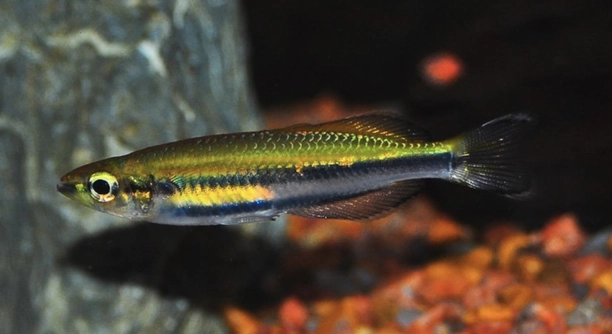
Rainbowfish are colorful, lively, and often kept in home aquariums for their bright appearance. Many fish owners wonder how to maintain a healthy environment for them, especially when considering temperature needs and equipment.
Rainbowfish can survive without a heater if the room temperature remains stable between 74°F and 78°F. Sudden temperature fluctuations or prolonged exposure to cooler water can cause stress, weaken immunity, and increase the risk of disease, compromising their overall health.
Maintaining proper care goes beyond just temperature, including diet, water quality, and tank setup to ensure rainbowfish thrive and display their best colors over time.
Understanding Rainbowfish Temperature Needs
Rainbowfish are tropical fish that thrive in warm, stable water. While they can tolerate a small range of temperatures, keeping them in colder water for long periods can cause stress. Their metabolism slows down when the water is too cool, which affects digestion and activity. Signs of stress include clamped fins, faded colors, and reduced swimming. A stable temperature between 74°F and 78°F is ideal for most species. Room temperature alone may be enough if your home stays consistently warm. However, in cooler climates or during winter months, a heater is often necessary to maintain consistency. Using a thermometer helps monitor conditions accurately. Besides temperature, proper filtration, regular water changes, and a balanced diet support rainbowfish health. Overfeeding or neglecting water quality can cause more harm than slight temperature variations. Observing your fish daily allows you to notice any changes in behavior or appearance quickly, preventing serious health problems before they escalate.
Heaters are not always mandatory, but they provide security for stable water conditions year-round.
Even without a heater, some species adapt to slightly cooler environments. The key is avoiding rapid shifts in temperature, which are far more stressful than a stable, slightly lower temperature. Smaller tanks are more vulnerable to fluctuations, so extra care is required. Plants and hiding spots help reduce stress by giving rainbowfish comfortable areas. Regular monitoring of water parameters, including pH and ammonia levels, is essential because temperature influences chemical balance. Feeding schedules should adjust to metabolism changes in cooler water, ensuring fish are neither overfed nor underfed. Proper care ensures rainbowfish remain active, colorful, and healthy, even if a heater is not used consistently. It is important to understand that each species has slightly different tolerances, so research specific needs. Observing behavior and making small adjustments can prevent long-term health issues. Maintaining a consistent environment, even without a heater, allows rainbowfish to flourish naturally while minimizing risk factors associated with unstable temperatures.
Signs Your Rainbowfish May Be Uncomfortable
Faded colors, clamped fins, and sluggish behavior are common indicators of temperature stress in rainbowfish.
Other signs include hiding more than usual, reduced appetite, and unusual swimming patterns. When rainbowfish experience cold stress, their immune system weakens, making them more susceptible to disease. Monitoring these behaviors helps prevent long-term problems.
Recognizing early signs of stress allows for timely adjustments. Sudden temperature changes, poor water quality, or overcrowding can all affect rainbowfish health. Even minor fluctuations in temperature can impact metabolism and energy levels. A heater can stabilize conditions during colder months, while proper aeration ensures adequate oxygen levels, which are affected by temperature. Tank size and placement also play a role; smaller tanks are more prone to temperature swings, while tanks near windows or air vents may experience inconsistent conditions. By paying attention to your fish’s behavior, you can make small, effective changes that improve comfort and reduce stress. Simple steps like adding floating plants, adjusting feeding schedules, or slightly repositioning the tank can make a significant difference. Keeping a thermometer in the tank provides constant feedback and ensures your rainbowfish live in a stable, healthy environment. Consistent care promotes vivid colors, active swimming, and overall well-being, even without relying heavily on a heater.
Choosing the Right Tank Environment
A stable tank environment helps rainbowfish stay healthy without a heater. Consistent temperature, clean water, and proper filtration are essential. Decorations and plants provide hiding spots, reducing stress.
Maintaining water quality requires regular testing and cleaning. Even small tanks need frequent partial water changes to remove toxins like ammonia and nitrites. Using a reliable filter ensures proper circulation and oxygenation. Adding live plants not only improves water quality but also creates a more natural habitat. Temperature stability is easier in larger tanks, as they resist rapid fluctuations. Avoid placing tanks near windows or vents, where drafts or sunlight can change water conditions suddenly. A balanced environment supports activity, color, and overall fish health.
Substrate choice also affects comfort. Soft gravel or sand prevents injury, while smooth decorations reduce the risk of fin damage. Floating plants can shade the water, keeping it cooler if needed. Lighting schedules influence behavior and feeding. Keeping the tank well-maintained prevents stress-related issues, even without a heater. Observing your rainbowfish regularly ensures any environmental problems are spotted early.
Feeding and Nutrition Tips
High-quality food promotes strong health and resilience in rainbowfish. Feed a mix of flakes, pellets, and occasional frozen or live foods for variety.
Feed small amounts multiple times daily rather than a single large portion. Overfeeding can pollute the tank, leading to ammonia spikes. Include protein-rich foods like brine shrimp or daphnia to support growth and vibrant colors. Fresh vegetables, such as blanched spinach, can supplement the diet. Rotate food types to prevent nutrient deficiencies. Observing fish during feeding helps ensure all individuals eat adequately, reducing competition stress. Proper nutrition strengthens immunity, helping rainbowfish tolerate minor temperature changes.
Water temperature affects digestion. In cooler water, rainbowfish may eat less and process food more slowly. Adjust feeding amounts accordingly to avoid uneaten food decomposing in the tank. A balanced diet combined with clean water and adequate swimming space keeps rainbowfish active, colorful, and less prone to stress-related illnesses. Using feeding tongs or scheduled feeding routines can also reduce aggression and ensure every fish receives its share. Even without a heater, proper nutrition helps fish maintain health and energy levels consistently.
Monitoring Water Conditions
Regularly testing water keeps rainbowfish safe and healthy. Check pH, ammonia, nitrites, and nitrates often. Maintaining stable levels prevents stress and illness.
Temperature should also be checked daily, even without a heater. Small changes can affect fish behavior and appetite, so consistent monitoring is key.
Tank Size and Stocking
A larger tank provides more stable conditions and reduces stress. Overcrowding can lead to aggression, disease, and poor water quality. Providing enough space allows rainbowfish to swim freely and display natural behavior. Appropriate stocking ensures healthier fish and a balanced tank ecosystem.
Seasonal Temperature Changes
During colder months, indoor temperatures may drop. Adjust tank placement to avoid drafts or areas near windows. Keep water stable with insulation or room heaters if necessary. Sudden drops can stress fish and compromise immunity.
Observation and Daily Care
Watch your rainbowfish daily for unusual behavior. Lethargy, faded colors, or hiding may indicate stress. Regular observation allows for quick adjustments in care or environment to maintain their health and comfort.
FAQ
Can rainbowfish live in room temperature water?
Yes, rainbowfish can survive in room temperature water if it remains relatively stable, ideally between 74°F and 78°F. Sudden changes or prolonged exposure to cooler water can stress the fish and affect their health. Larger tanks help maintain more consistent temperatures naturally.
What happens if my rainbowfish tank is too cold?
If the water is too cold, rainbowfish metabolism slows down, reducing activity and appetite. Fins may clamped, colors fade, and stress increases. Prolonged exposure to low temperatures can weaken immunity, making fish more susceptible to diseases like fin rot or fungal infections.
Do rainbowfish need a heater all year?
A heater is not always necessary if your home maintains a stable, warm temperature. However, during colder months or in areas with fluctuating temperatures, a heater ensures stability, preventing stress and potential health issues caused by sudden temperature drops.
How can I tell if my rainbowfish is stressed?
Signs include hiding, clamped fins, faded colors, sluggish movement, or reduced appetite. Stress often comes from unstable water conditions, overcrowding, poor water quality, or sudden temperature changes. Observing behavior daily helps identify problems early so adjustments can be made quickly.
Is it okay to feed rainbowfish the same food every day?
Feeding only one type of food can lead to nutrient deficiencies. A varied diet of high-quality flakes, pellets, frozen or live foods, and occasional vegetables ensures balanced nutrition. Adjust feeding amounts according to water temperature, as digestion slows in cooler water.
Can rainbowfish survive in small tanks without a heater?
Small tanks are more vulnerable to temperature fluctuations. While survival is possible, these tanks require more careful monitoring of temperature and water quality. Extra decorations and plants can provide shelter, helping reduce stress and creating a more comfortable environment.
How often should I check water parameters?
Test water at least once a week for pH, ammonia, nitrites, and nitrates. Temperature should be checked daily, especially without a heater. Keeping water conditions consistent helps prevent stress and supports healthy behavior and coloration in rainbowfish.
Will adding plants help rainbowfish in cooler water?
Yes, plants provide hiding spots and can slightly moderate water temperature by shading certain areas. Floating or tall plants reduce light intensity, creating a more stable and comfortable environment, which helps rainbowfish cope with minor temperature changes.
Are there rainbowfish species more tolerant of cooler water?
Some species, like hardi rainbowfish, can tolerate slightly lower temperatures better than tropical varieties. Research the specific species in your tank, as their natural habitat influences tolerance. Providing consistent care tailored to the species improves survival without a heater.
Can I keep rainbowfish with other fish if I don’t use a heater?
Yes, but choose tank mates with similar temperature requirements. Cold-tolerant species are better companions. Avoid tropical fish needing higher temperatures, as differences in water preference can cause stress and reduce overall health for all fish in the tank.
How do I gradually acclimate rainbowfish to a cooler room temperature?
Introduce small changes over several days or weeks, lowering the temperature gradually. Avoid sudden drops, as rapid changes cause stress. Monitor behavior closely, and adjust feeding if appetite decreases due to slower metabolism. Consistent care during this process helps rainbowfish adapt safely.
What other factors affect rainbowfish survival without a heater?
Water quality, diet, tank size, and stability all play major roles. Even with ideal temperatures, poor water conditions or improper nutrition can harm fish. Maintaining a balanced environment, monitoring behavior, and providing proper care ensures rainbowfish remain healthy and active.
Can stress from temperature changes affect breeding?
Yes, rainbowfish are sensitive to stress, which can delay or prevent spawning. Stable water conditions and consistent care are necessary for successful breeding. Cooler or fluctuating temperatures reduce reproductive activity and can affect egg viability.
Is it safe to leave rainbowfish without a heater overnight?
If room temperature remains stable within their tolerable range, leaving them overnight without a heater is generally safe. However, sudden drops during colder nights can cause stress, so monitoring seasonal conditions is important to prevent health problems.
How long can rainbowfish survive in water below their ideal temperature?
They can survive for short periods if water remains stable, but prolonged exposure increases stress, weakens immunity, and makes them more susceptible to disease. Quick action, such as increasing ambient room temperature or using a heater temporarily, helps reduce risk.
Do rainbowfish sleep differently in cooler water?
In cooler water, rainbowfish may be less active and rest more often. Their metabolism slows, so energy use decreases. While resting more is normal in these conditions, prolonged lethargy can indicate stress or health issues needing attention.
How do I prevent temperature-related diseases in rainbowfish?
Maintain stable water conditions, avoid sudden drops, feed a balanced diet, and keep water clean. Regular observation helps detect early signs of illness. Consistent care ensures rainbowfish remain healthy even without a heater.
Can I use a thermometer instead of a heater to monitor conditions?
Yes, a reliable thermometer helps track water temperature daily. It does not heat the water but provides essential information to prevent sudden drops or unsafe conditions, allowing timely adjustments like relocating the tank or adding temporary warmth.
Are juveniles more sensitive to cooler water than adults?
Yes, younger rainbowfish are more vulnerable to temperature changes. Their immune systems are weaker, and they are less able to tolerate stress. Extra care, consistent warmth, and proper feeding are critical for their growth and survival.
Does water movement affect temperature stability?
Yes, strong currents can increase heat loss slightly and cause uneven temperatures in the tank. Gentle circulation helps oxygenation without creating stress. Observing water movement ensures a stable, comfortable environment for rainbowfish.
How can I make a cooler tank more comfortable without a heater?
Provide hiding spots, floating plants, proper lighting, and stable room placement. Maintain excellent water quality and adjust feeding based on metabolism. These measures help rainbowfish stay healthy and active even when the water is cooler than ideal.
What are the most important daily checks for rainbowfish without a heater?
Observe behavior, appetite, and coloration. Check water temperature, clarity, and overall tank conditions. Regular attention allows early detection of stress or illness, preventing problems before they escalate and keeping rainbowfish healthy in cooler conditions.
Rainbowfish are beautiful, lively fish that can brighten any aquarium. They are generally hardy, but their health and comfort depend heavily on water conditions, especially temperature. While many people assume a heater is essential for keeping rainbowfish, this isn’t always the case. In stable, warm environments, rainbowfish can survive without one. However, even minor fluctuations in temperature can affect their metabolism, behavior, and immune system. For example, in cooler water, rainbowfish may become less active, eat less, and show faded colors. These subtle signs of stress are important to notice early because prolonged exposure to unsuitable conditions can lead to serious health issues. By observing your fish daily, monitoring the water, and making adjustments as needed, you can support their well-being even without a heater.
A stable tank environment is key to keeping rainbowfish healthy. Consistent temperature, clean water, adequate filtration, and proper tank size all contribute to a thriving aquarium. Decorations and live plants help create hiding spots and shaded areas, reducing stress for the fish. Smaller tanks are more vulnerable to rapid temperature changes, so extra care is required in those situations. Maintaining a balanced diet is equally important, as nutrition directly impacts energy levels, coloration, and immune function. Feeding small amounts multiple times a day with a mix of high-quality flakes, pellets, frozen, or live foods ensures they get all the nutrients they need. Monitoring feeding behavior also helps prevent overfeeding, which can pollute the water, and ensures every fish eats enough, particularly in community tanks. By combining good nutrition with stable water conditions, rainbowfish can remain healthy, active, and colorful even in a room without a heater.
Careful observation and small adjustments make a significant difference in rainbowfish survival without a heater. Watching for signs like clamped fins, hiding, or faded colors allows you to respond quickly if stress occurs. Simple changes, such as moving the tank away from drafts, adding floating plants, or adjusting feeding routines, can improve their comfort. Understanding the specific species’ temperature tolerance is also helpful, as some rainbowfish handle slightly cooler conditions better than others. Regular water testing for pH, ammonia, nitrites, and nitrates is critical, as poor water quality compounds the stress caused by temperature changes. Ultimately, even without a heater, rainbowfish can live healthy, vibrant lives if the environment is stable, nutrition is adequate, and daily observation ensures problems are caught early. With consistent care, they will remain lively and beautiful additions to your aquarium for many years.

Hello,
If you enjoy the content that we create, please consider saying a "Thank You!" by leaving a tip.
Every little bit helps us continue crafting quality advice that supports the health, happiness, and well-being of pets around the world, for pets of all shapes, sizes, and species.
We really appreciate the kindness and support that you show us!