
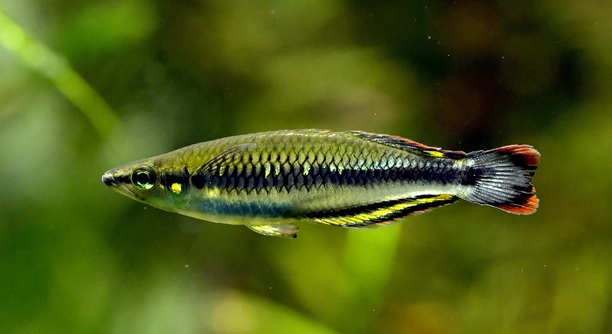
Rainbowfish are known for their bright colors and lively personalities, making them popular in home aquariums. Observing their behavior can be enjoyable, but sometimes these fish display habits that may concern owners or indicate stress.
Rainbowfish can show behavioral issues such as aggression, fin nipping, hiding, erratic swimming, loss of appetite, excessive jumping, and territorial disputes. Recognizing these patterns early allows for timely intervention, helping maintain a healthy, stable environment for both fish and their owners.
Knowing the common signs of behavioral problems will help you care for your rainbowfish more effectively and prevent minor issues from becoming serious concerns.
Aggression Among Rainbowfish
Aggression is one of the more common behavioral issues seen in rainbowfish. This can happen when fish compete for space, food, or attention within the tank. Males are often more territorial, especially during breeding periods. Aggressive behaviors include chasing, nipping fins, or blocking access to certain areas. Overcrowding the tank or introducing new fish without proper acclimation can trigger stress and fights. Observing the tank layout is important; hiding spots and plants help reduce tension by allowing submissive fish to retreat. Consistent feeding routines also minimize competition for food, which is a common source of aggression. Sometimes, aggressive behavior is temporary and settles once a pecking order is established, but chronic aggression can harm weaker fish. Owners should monitor interactions closely and be ready to separate particularly aggressive individuals to prevent injuries. Maintaining clean water conditions and avoiding sudden environmental changes also helps calm aggressive tendencies.
Aggression can be reduced through proper tank size, adequate hiding spaces, and monitoring male interactions. Balanced feeding schedules further decrease competition.
Understanding how aggression develops allows for proactive care, helping ensure all rainbowfish coexist peacefully. Observing subtle changes early prevents escalation and keeps the tank a safe environment for every fish, allowing their natural colors and behaviors to shine without stress.
Erratic Swimming
Erratic swimming is often noticeable when a rainbowfish darts suddenly, swims in circles, or bumps into tank walls. This behavior can indicate stress, illness, or poor water quality. Immediate observation is necessary to determine the cause and prevent worsening conditions.
Erratic swimming frequently results from poor water parameters, sudden temperature changes, or infections. Maintaining stable conditions is crucial.
Rainbowfish rely on clean, stable environments to swim naturally and stay healthy. Sudden water changes, high ammonia, or fluctuating pH levels can shock their systems, causing them to swim irregularly. Parasites or bacterial infections may also lead to unusual movement, which can signal an early stage of illness. Providing a properly sized tank with smooth surfaces and minimal sudden disturbances allows rainbowfish to swim confidently and maintain normal patterns. Monitoring for signs like clamped fins, loss of appetite, or color fading alongside erratic swimming helps identify problems quickly. Addressing water quality issues, reducing stressors, and treating infections early supports recovery and encourages healthy, steady swimming behaviors over time.
Hiding Behavior
Hiding is common when rainbowfish feel threatened or stressed. They may stay behind plants, decorations, or under rocks, avoiding interaction with other fish or people. Frequent hiding often signals discomfort or illness.
Rainbowfish hide when the tank environment feels unsafe. Overcrowding, aggressive tankmates, or sudden changes in lighting and water conditions can trigger this behavior. Even minor disturbances, like tapping on the glass, can make them retreat. Providing plenty of hiding spaces with plants, caves, and decorations helps them feel secure. Hiding is a natural coping mechanism, allowing rainbowfish to reduce stress and avoid conflicts. Observing when and how often they hide can give insights into their overall well-being.
Persistent hiding may indicate underlying health issues. Stress from poor water quality or parasites can push rainbowfish to remain hidden for long periods, affecting feeding and growth. Regular monitoring of water parameters and maintaining a calm environment encourages fish to emerge more often. Additionally, arranging the tank to provide safe zones while keeping open swimming areas ensures a balance between security and activity. Early intervention prevents minor stressors from becoming serious health problems, keeping rainbowfish active, healthy, and visually vibrant.
Loss of Appetite
Loss of appetite can appear suddenly or gradually and often signals stress or illness. Rainbowfish may ignore food or eat less than usual, affecting growth and energy levels.
Rainbowfish stop eating for many reasons, including poor water quality, infections, or temperature fluctuations. Nutritional deficiencies or sudden diet changes can also trigger this behavior. Observing other symptoms, such as color fading, lethargy, or unusual swimming patterns, helps identify the cause. Maintaining consistent feeding routines with balanced diets ensures they receive proper nutrition.
Addressing the reasons behind appetite loss is critical for recovery. Testing and stabilizing water parameters reduces stress-related feeding issues. Treating infections promptly and gradually adjusting diet can restore normal eating habits. Offering high-quality foods like live, frozen, or specially formulated flakes encourages rainbowfish to feed and regain strength. Monitoring feeding behavior over time helps identify persistent problems early. Creating a calm tank environment with minimal disturbances allows rainbowfish to focus on eating, recover energy, and maintain overall health. Preventing repeated appetite loss ensures long-term vitality and keeps the fish active and colorful.
Fin Nipping
Fin nipping is common in rainbowfish kept with other fish. It happens when fish bite fins of tankmates, often due to stress, overcrowding, or aggression.
Preventing fin nipping requires providing enough space and hiding spots. Separating aggressive fish may also be necessary to protect weaker individuals.
Excessive Jumping
Rainbowfish may jump out of the tank if startled or stressed. Sudden movements, loud noises, or lack of cover can trigger this behavior. Maintaining a secure tank lid and minimizing disturbances helps prevent injuries and keeps rainbowfish safe.
Territorial Disputes
Territorial disputes usually occur among males during breeding or when space is limited. They may chase, block, or corner other fish. Observing interactions and ensuring enough space and hiding areas reduces conflicts and promotes a more peaceful tank environment.
Stress Indicators
Signs of stress include clamped fins, rapid gill movement, and pale colors. Stress can arise from poor water quality, overcrowding, or frequent disturbances in the tank environment. Recognizing these indicators early allows timely intervention to improve rainbowfish health.
FAQ
What causes aggression in rainbowfish?
Aggression in rainbowfish usually comes from competition over space, food, or mates. Males tend to be more territorial, especially during breeding. Overcrowded tanks, lack of hiding spaces, or sudden introductions of new fish can increase aggressive behavior. Keeping a proper male-to-female ratio and providing plants or decorations to break lines of sight helps reduce fights.
Why do rainbowfish hide so much?
Hiding is a natural response to stress, illness, or environmental changes. Overcrowding, aggressive tankmates, sudden lighting changes, or poor water quality can trigger hiding. Providing safe spots like plants, caves, or decorations helps fish feel secure. Regular observation allows you to spot patterns and address issues quickly.
What leads to erratic swimming?
Erratic swimming often signals stress or health problems. Sudden water changes, fluctuating temperatures, high ammonia, or parasites can cause unusual movement. Maintaining stable water parameters, proper tank size, and minimal disturbances encourages natural swimming patterns and reduces risk of injury.
How can I stop fin nipping?
Fin nipping is common when rainbowfish are stressed, overcrowded, or kept with aggressive tankmates. Ensuring enough space, hiding spots, and a balanced environment reduces this behavior. Separating particularly aggressive fish may be necessary to protect weaker individuals. Regular feeding and calm conditions also help minimize nipping.
Why has my rainbowfish stopped eating?
Loss of appetite can indicate stress, illness, or poor water quality. Temperature fluctuations, infections, and sudden diet changes may also be factors. Offering high-quality foods and maintaining consistent feeding routines encourages recovery. Observing other symptoms like color fading or lethargy helps identify underlying issues.
How do I prevent jumping?
Rainbowfish jump when startled, stressed, or lacking cover. Sudden noises, rapid movements, or inadequate hiding spots can trigger this behavior. A secure tank lid and calm environment reduce accidents. Providing plants or decorations also gives fish places to feel safe, lowering the risk of jumping.
What are the signs of stress in rainbowfish?
Stress indicators include clamped fins, rapid gill movements, pale colors, and reduced activity. Causes often include poor water quality, overcrowding, or frequent disturbances. Recognizing these signs early allows you to intervene, improving tank conditions and supporting the fish’s overall health.
Can territorial disputes harm my fish?
Yes, territorial disputes can injure weaker fish. Males often chase, block, or corner others, especially in limited space. Providing a larger tank, hiding areas, and observing interactions carefully reduces conflicts. Separating aggressive individuals may be needed to protect the health and safety of all rainbowfish.
How often should I check water parameters?
Regular monitoring is essential. Ammonia, nitrite, nitrate, pH, and temperature should be checked weekly. Keeping water stable prevents stress and behavioral problems. Immediate adjustments in case of fluctuations help rainbowfish stay healthy and reduce the risk of aggression, hiding, or appetite loss.
What diet helps reduce behavioral problems?
A balanced diet with high-quality flakes, frozen, or live food supports overall health and reduces stress. Malnutrition can worsen aggression, hiding, and loss of appetite. Feeding small amounts consistently, rather than overfeeding, ensures proper nutrition and maintains a stable environment.
How do I introduce new rainbowfish safely?
Introduce new fish slowly and in stages. Quarantine newcomers first to prevent disease. Rearrange decorations before adding new fish to break established territories. Observe interactions closely, separating aggressive individuals if needed, to prevent fights and ensure peaceful cohabitation.
Is it normal for rainbowfish to change behavior suddenly?
Sudden behavioral changes are often a response to stress, illness, or environmental shifts. Rapid temperature changes, poor water quality, or new tankmates can cause aggression, hiding, or erratic swimming. Close observation and prompt action can restore normal behavior quickly.
Can stress affect rainbowfish lifespan?
Yes, prolonged stress weakens the immune system, slows growth, and increases susceptibility to disease. Maintaining stable water conditions, a proper tank setup, and a calm environment helps rainbowfish live longer, healthier lives while showing natural colors and behaviors.
How can I tell if aggression is temporary?
Temporary aggression often occurs when fish are establishing hierarchy or adapting to changes. Minor chasing or brief nipping may settle once territories are defined. Persistent aggression, injuries, or stress signs indicate a more serious problem requiring intervention to protect weaker fish.
What should I do if hiding persists?
If hiding continues, check water quality, tankmates, and potential illnesses. Stress from poor conditions or parasites may require treatment. Ensuring plenty of hiding spaces while maintaining clean water and stable temperature encourages rainbowfish to feel secure and return to normal activity.
Final Thoughts
Rainbowfish are colorful, active, and generally peaceful fish, but they do have behavioral needs that require attention. Observing their behavior closely is essential for keeping them healthy and happy. Issues such as aggression, fin nipping, hiding, loss of appetite, erratic swimming, jumping, and territorial disputes can appear at any time. These behaviors are often linked to stress, illness, or environmental problems in the tank. By understanding what triggers these behaviors, you can address issues early and prevent them from becoming serious problems. Paying attention to subtle changes in swimming patterns, appetite, or social interactions can provide important clues about a fish’s well-being.
Maintaining a proper tank environment is the most effective way to reduce behavioral problems. Clean water with stable temperature, pH, and ammonia levels is crucial. Overcrowding or introducing fish too quickly can cause stress, so spacing and acclimation are important. Providing hiding spots, plants, and decorations gives rainbowfish a sense of security and reduces conflicts. Balanced diets with high-quality food support overall health and reduce stress-related behaviors. Regular monitoring of water quality, feeding habits, and interactions between fish allows you to spot problems early. Simple measures like adjusting tank mates, separating aggressive fish, or creating calm areas can make a big difference in how comfortable rainbowfish feel in their environment.
Behavioral issues do not always indicate serious illness, but they should not be ignored. Patterns such as constant hiding, loss of appetite, or persistent aggression are signs that something may be wrong. Taking action quickly can restore stability in the tank and improve the health of your fish. Rainbowfish thrive in stable, well-maintained aquariums where stress is minimized and social interactions are balanced. Observing their behaviors, responding to changes, and maintaining a supportive environment ensures they live longer, remain colorful, and display their natural, lively personalities. Caring for rainbowfish requires attention, patience, and consistency, but the rewards of watching them swim confidently and interact peacefully make the effort worthwhile.

Hello,
If you enjoy the content that we create, please consider saying a "Thank You!" by leaving a tip.
Every little bit helps us continue crafting quality advice that supports the health, happiness, and well-being of pets around the world, for pets of all shapes, sizes, and species.
We really appreciate the kindness and support that you show us!