
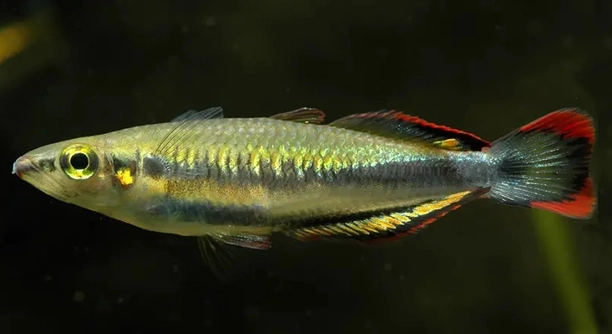
Rainbowfish are known for their vibrant colors and active behavior, making them a lively addition to any aquarium. Observing their interactions can be both fascinating and rewarding for those invested in their well-being. Their social patterns reveal important insights.
Bonding among rainbowfish is often displayed through synchronized swimming, mutual following, and gentle nipping at fins. Dominant males may show brighter coloration while females stay close, indicating trust and social cohesion within the group. These behaviors reflect strong social bonds.
Recognizing these signs can improve your aquarium management and ensure your rainbowfish remain healthy and harmonious in their environment.
Understanding Rainbowfish Social Behavior
Rainbowfish display a variety of social behaviors that signal bonding. They often swim together in small groups, mirroring each other’s movements. This synchronized swimming indicates comfort and trust. Males may display more vibrant colors to attract attention while remaining close to females, showing social cohesion. Fin nipping is usually gentle and non-aggressive, a way to communicate within the group. Observing how they interact with tank mates provides insight into their emotional and social well-being. Shy individuals may stay at the back, while bonded pairs often share space in the middle of the tank. These patterns can help determine if the group is healthy and connected. By paying attention to posture, speed, and proximity, you can identify which fish are forming stronger bonds. Tank decorations and open swimming areas also influence their social interactions. Adjusting these elements can enhance natural bonding behaviors.
Recognizing social cues early allows you to create a stable environment that supports their natural interactions and reduces stress.
Maintaining proper water quality, temperature, and lighting plays a key role in how rainbowfish bond. Stress from poor conditions can hinder their social behaviors. Feeding routines also impact interaction; consistent feeding times help establish trust. Providing hiding spaces and open swimming areas allows fish to choose their comfort levels. Observing these elements daily can help identify changes in behavior, indicating stronger or weaker social connections. Overcrowding can disrupt bonding, while a balanced group encourages natural social hierarchies. Regular monitoring ensures that aggressive tendencies do not disturb more passive fish. By understanding their social needs and environment, you promote healthier interactions, which supports vibrant coloration, active movement, and overall well-being.
Signs of Strong Bonds
Pairs or small groups often stay near each other, swim in harmony, and display consistent colors.
When rainbowfish form bonds, they show predictable behaviors. Males may display enhanced coloration, fins spread wide, and swim closely alongside females. Bonded fish often mirror each other’s movements and maintain close proximity without tension. Aggressive behavior decreases, and feeding becomes coordinated. Fish may explore tank areas together, returning to shared resting spots. These signs indicate trust and comfort, essential for social health. Observing these interactions over time helps determine compatibility and informs adjustments to tank setup. Maintaining a balanced environment encourages stronger bonds and reduces stress-related behaviors.
Proper observation of bonding behaviors not only enriches the tank experience but also ensures fish remain healthy. Environmental factors like space, hiding spots, and consistent feeding directly influence social interactions. Adjusting these elements supports harmonious group dynamics and reduces conflicts. Paying attention to individual behaviors, including color changes and swimming patterns, allows for early detection of stress or social imbalance. By prioritizing these aspects, you can cultivate a thriving, connected rainbowfish community. Consistency in care strengthens bonds and promotes overall vitality, enhancing both the appearance and behavior of your aquarium inhabitants.
Encouraging Bonding in Rainbowfish
Providing ample swimming space and hiding spots helps rainbowfish feel secure and encourages bonding. Open areas allow them to swim together, while plants or decorations give refuge for shy fish. A stable, calm environment reduces stress and promotes social interaction naturally.
Consistent feeding routines strengthen trust among rainbowfish. Feeding at the same time each day encourages them to gather and interact near the food source. Offering a varied diet, including flakes, frozen, and live foods, keeps them active and healthy. Observing their behavior during feeding provides insights into which fish are forming stronger bonds. Overcrowding can lead to tension, so maintaining the right number of fish in the tank is essential for harmony. Regular monitoring of water quality also supports natural social behaviors.
Lighting and tank arrangement influence bonding patterns. Bright light may enhance coloration and visibility, making it easier for fish to recognize each other. Rearranging decorations periodically encourages exploration and interaction, which strengthens social connections. Fish often swim through familiar areas together, reinforcing their bond. Avoiding sudden changes and maintaining a predictable environment helps them feel safe. Observing how they navigate these spaces can indicate which pairs or groups are forming stronger attachments. A thoughtful setup promotes both activity and security, essential for long-term bonding.
Observing Changes Over Time
Regular observation helps track the development of bonds among rainbowfish. Documenting patterns provides insight into group dynamics and individual behavior.
Rainbowfish may adjust their interactions as they grow more comfortable with each other. New fish might take time to integrate, showing signs of cautious behavior initially. Over weeks, shy individuals may join groups, swim in synchrony, and display brighter coloration when near bonded partners. Noting changes in swimming patterns, proximity, and fin displays can reveal shifts in social hierarchy. Consistent monitoring helps identify potential stress or aggression before it escalates, ensuring all fish remain healthy and connected. Environmental adjustments may be needed to support evolving relationships.
Behavioral changes can indicate health or environmental concerns. Sudden aggression, color dulling, or avoidance may signal illness or stress. Monitoring these signs alongside social interactions allows you to address issues early. Water quality, diet, and tank arrangement should be checked regularly to maintain a supportive environment. Recognizing gradual improvements in bonding, such as synchronized swimming and mutual following, confirms that care practices are effective. Keeping a log of observations helps identify trends, ensuring that fish continue to form healthy, lasting bonds over time.
Common Bonding Behaviors
Rainbowfish often swim in groups, following one another closely. Gentle fin nipping and hovering near each other are frequent signs of bonding.
Males may display brighter colors while swimming alongside females. Shared resting spots and synchronized movements indicate trust and comfort within the group.
Feeding Interaction
Bonded rainbowfish often eat together without competition. They may wait for others to start feeding and share space calmly. Observing feeding routines can reveal which fish are closely bonded and which prefer to remain more solitary.
Signs of Stress Affecting Bonds
Stress can disrupt bonding in rainbowfish. Rapid color changes, hiding, or erratic swimming may indicate environmental or social issues that need attention.
FAQ
How can I tell if my rainbowfish are bonding?
Bonding is usually shown through consistent group swimming, following each other, and shared resting spots. Fish that stay close together without aggression, mirror movements, and display bright coloration are likely bonded. Gentle fin nipping and synchronized activity are also strong indicators of social cohesion.
Do males and females bond differently?
Yes, males often display brighter colors and swim near females to signal trust and social connection. Females typically remain close to males or other females they trust. Observing which fish consistently swim together or share territory can reveal natural pairings or small bonded groups.
Can stress prevent bonding?
Stress can disrupt social interactions. Poor water quality, overcrowding, sudden changes in lighting, or aggressive tank mates may prevent bonding behaviors. Fish may hide, display dull colors, or swim erratically. Addressing environmental stressors helps restore natural social behaviors and encourages bonding.
How long does it take for rainbowfish to bond?
The bonding process varies. Some fish establish connections within days, while others may take weeks. New tank setups or introducing new individuals can slow bonding. Consistency in environment, feeding routines, and adequate space supports faster, healthier social interactions.
Does tank size influence bonding?
Yes, space is crucial. A tank that is too small can cause aggression, stress, and competition, preventing bonding. Larger tanks provide room for swimming, exploring, and resting, which encourages natural social behaviors. Decorations and plants also help create safe zones and strengthen bonds.
Can diet affect bonding?
Feeding routines and diet variety influence trust and group behavior. Consistent feeding times help fish gather calmly, while a balanced diet keeps them active and healthy. Observing which fish eat together can indicate established social bonds and highlight shy or solitary individuals.
Do rainbowfish show affection?
Bonding behaviors, like swimming together and mirroring movements, indicate trust and comfort rather than affection as humans understand it. Fish that maintain close proximity, share spaces, and display bright coloration around certain individuals demonstrate strong social connections.
Should I separate aggressive fish?
Yes, separating overly aggressive individuals prevents disruption of bonds. Aggression can intimidate more passive fish and hinder social cohesion. Observing interactions carefully helps identify problematic fish, and temporary separation or rearranging tank setup can restore harmony among bonded groups.
Can bonded rainbowfish live with other species?
Compatibility depends on temperament. Peaceful species that don’t compete for the same space or food are generally compatible. Aggressive or territorial species can disrupt bonds. Observing interactions and choosing compatible tank mates helps maintain established social groups.
How do I encourage new bonds when adding fish?
Introduce new fish gradually, with enough space and hiding spots. Monitor interactions and ensure water quality is stable. Gradual introductions reduce stress and allow natural bonding to occur over time. Keeping feeding consistent and providing open swimming areas encourages integration into existing groups.
Is coloration a reliable indicator of bonding?
Coloration is a helpful sign but should be considered with other behaviors. Bright, consistent colors alongside calm, synchronized swimming suggest comfort and bonding. Dull or inconsistent coloration may indicate stress, illness, or lack of social connection.
How can I monitor bonds without disturbing the fish?
Observe from outside the tank, noting group patterns, proximity, and synchronized behaviors. Avoid tapping on glass or sudden changes. Journaling observations over time helps track changes and identify which fish are forming or losing bonds.
What environmental factors support bonding?
Stable water conditions, appropriate temperature, consistent lighting, and minimal stressors are essential. Open swimming areas and hiding spots create a secure environment. A balanced population density and thoughtful tank arrangement encourage natural social behaviors and strengthen bonds.
Can bonded fish separate temporarily?
Yes, fish may split temporarily while exploring or feeding. Short separations are normal and do not necessarily indicate a bond has broken. They usually regroup after exploring or when environmental conditions are stable.
Do all rainbowfish bond the same way?
No, bonding varies by species and individual temperament. Some are more social and form tight groups, while others are more independent. Observing specific behaviors within the tank provides the most accurate understanding of each fish’s bonding patterns.
How can I tell if bonding is improving?
Improved bonding is seen through consistent group swimming, less aggression, shared resting spots, synchronized feeding, and vibrant coloration. Fish that stay close without tension and explore their environment together indicate stronger social cohesion.
What should I do if bonding isn’t happening?
Assess tank size, population, water quality, and environmental stability. Ensure adequate hiding spots, consistent feeding, and compatible tank mates. Temporary separation of aggressive individuals may help. Gradual, careful adjustments support natural social behaviors and encourage bonding over time.
Can bonded fish mate?
Yes, strong social bonds can lead to mating behaviors in compatible pairs. Males may display brighter colors, chase gently, and swim closely with females. Observing these behaviors alongside general bonding signs helps identify potential breeding pairs.
How important is observation for bonding?
Regular observation is key. Noting proximity, swimming patterns, and color changes reveals which fish are bonded. Early detection of stress or aggression allows adjustments to maintain social harmony, ensuring fish remain healthy, comfortable, and connected within their group.
Are there signs of weak bonds?
Weak bonds are indicated by frequent chasing, avoidance, color dulling, or solitary behavior. Fish may hide or separate from the group. Recognizing these signs early allows environmental adjustments or separation to restore stability and promote stronger connections.
Final Thoughts
Rainbowfish are social, active fish that show clear signs of bonding when their environment and care are managed properly. Observing their interactions provides valuable insight into their behavior and well-being. Bonding is displayed through synchronized swimming, gentle fin nipping, shared resting spots, and maintaining close proximity without aggression. These behaviors reflect comfort, trust, and social cohesion among individuals. Paying attention to these patterns helps determine which fish are forming stronger bonds and which may be more solitary or stressed. Proper observation allows for timely adjustments in tank management, ensuring that all fish maintain a healthy, balanced social life. Understanding rainbowfish behavior is not just interesting; it is essential for maintaining a thriving aquarium and ensuring the well-being of all its inhabitants.
Environmental factors play a major role in encouraging or hindering bonding. A tank with adequate swimming space, hiding spots, and open areas allows rainbowfish to establish natural social hierarchies and interactions. Overcrowding can lead to stress, aggression, and disrupted bonds, while thoughtful tank arrangement supports comfort and safety. Consistent feeding routines are also important, as they create predictable interactions and help fish learn to gather and eat calmly together. Diet variety contributes to overall health, which indirectly affects social behavior. Monitoring water quality, lighting, and temperature ensures that fish remain comfortable and active, which promotes bonding behaviors. Gradual introductions of new individuals, careful observation, and environmental adjustments can encourage social connections and reduce stress within the group.
Bonding among rainbowfish is a gradual process that requires patience and attention. Fish may take days or weeks to form stable bonds, depending on personality, species, and environmental conditions. Observing changes in swimming patterns, coloration, and proximity over time helps track the development of bonds and identify any potential issues. Signs of stress or aggression should be addressed promptly to maintain harmony in the tank. Recognizing the differences between strong and weak bonds allows for better management of group dynamics and promotes the overall health of the aquarium. By focusing on consistent care, appropriate environmental conditions, and careful observation, you can create a space where rainbowfish thrive, interact naturally, and maintain healthy, lasting social connections. This approach ensures both the physical and behavioral health of your fish, making the aquarium a more enjoyable and balanced environment.

Hello,
If you enjoy the content that we create, please consider saying a "Thank You!" by leaving a tip.
Every little bit helps us continue crafting quality advice that supports the health, happiness, and well-being of pets around the world, for pets of all shapes, sizes, and species.
We really appreciate the kindness and support that you show us!