
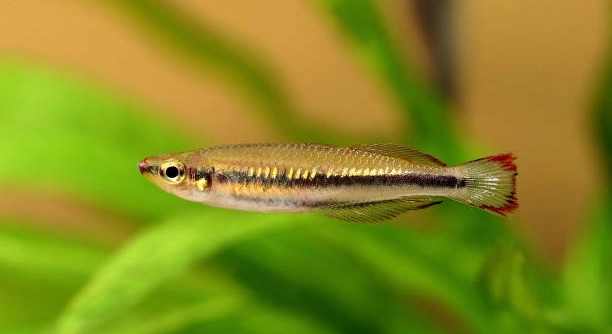
Rainbowfish are small, colorful freshwater fish that brighten many home aquariums. Their shimmering scales and lively movements make them appealing companions, but caring for them properly requires understanding their social and emotional needs in an aquatic environment.
Rainbowfish are social creatures, and isolation can negatively impact their behavior and well-being. When kept alone, they may display signs of stress, reduced activity, and diminished appetite, indicating that social interaction is important for their mental and physical health.
Learning about their social behaviors and environmental requirements can help ensure rainbowfish remain healthy and active in your aquarium. Proper care supports their natural tendencies and enhances their overall quality of life.
Understanding Rainbowfish Social Needs
Rainbowfish are naturally schooling fish, thriving in groups of six or more. Their social interactions help reduce stress and stimulate natural behaviors, such as swimming in coordinated patterns. When kept alone, they can become timid, hide frequently, and lose their vibrant coloration. I’ve noticed that even small changes, like adding a few companions, make a big difference in their activity levels and overall appearance. Proper tank setup also plays a role. Providing plants, hiding spots, and open swimming areas allows them to express their behaviors fully. Watching a group of rainbowfish interact is rewarding and helps maintain a healthier environment. Tank conditions, such as water quality and temperature, also influence their mood. Stressed rainbowfish may show slower movement or decreased appetite, which can lead to health issues. Observing their behavior daily helps identify if they are content or need adjustments to their social environment.
Grouping rainbowfish together encourages activity, reduces stress, and enhances their vibrant colors. Isolation should be avoided whenever possible.
A well-maintained aquarium provides a balanced habitat that mimics natural conditions. Social interaction, proper feeding, and environmental enrichment all contribute to healthier, happier fish. By paying attention to their behavior, changes can be made to improve their well-being. Providing companions, plants, and open swimming space supports natural instincts, reduces stress, and promotes longevity. Healthy rainbowfish are more active, colorful, and engaging, making the tank lively and enjoyable. Ensuring consistent water quality, proper filtration, and temperature stability also strengthens their resilience. Small adjustments, like introducing companions gradually, can prevent aggression or stress while helping isolated fish acclimate. Regular observation allows for early detection of behavioral or health issues. Over time, maintaining these conditions fosters a stable environment where rainbowfish can thrive socially and physically, showing the best of their natural characteristics.
Signs of Stress in Isolated Rainbowfish
Stress in isolated rainbowfish often appears as reduced activity, faded colors, or hiding for long periods.
Recognizing these signs early is essential for intervention. Providing social interaction or environmental enrichment can restore their behavior and prevent long-term health problems. Fish that remain isolated may develop weakened immune systems or abnormal behaviors. Adjusting tank mates, adding plants, and creating open swimming areas helps reduce stress effectively. Observation is key to ensuring rainbowfish return to normal activity levels. Regular water testing and feeding routines also support their recovery. Behavioral changes should never be ignored, as they indicate the fish’s well-being. Maintaining a proper social and physical environment ensures they remain vibrant and active. Consistent care prevents unnecessary stress and promotes longevity. In some cases, consultation with an experienced aquarist may help identify specific needs or compatibility issues. By addressing isolation promptly, rainbowfish can regain natural behaviors, vibrant coloration, and overall health.
Preventing Loneliness in Rainbowfish
Keeping at least six rainbowfish together helps maintain their social structure and reduces stress. Adding plants and hiding spots encourages natural behavior. Gradually introducing new fish ensures harmony. Observing interactions regularly prevents aggression and keeps the group balanced.
Providing companions is essential, but tank setup also matters. Open swimming areas allow coordination and exploration, while plants and decorations offer refuge and reduce anxiety. Gradual introductions prevent sudden stress and allow fish to adjust to each other. Monitoring behavior daily helps identify issues early. A stable environment with proper water conditions, temperature, and feeding routines supports social interaction. This combination of companions and environmental care ensures rainbowfish remain active, colorful, and healthy, displaying natural schooling behavior.
Feeding routines also influence social dynamics. Consistent schedules prevent competition, while distributing food evenly reduces stress. Observing how fish interact during feeding can reveal behavioral issues. Adjustments to the environment, such as rearranging decorations or adding visual barriers, may also help reduce tension among individuals. Ensuring proper tank maintenance supports both physical and social health, keeping the group cohesive. Attention to detail in companionship, environment, and daily routines fosters a positive, active habitat where rainbowfish thrive.
Monitoring Behavior for Early Signs
Changes in swimming patterns, appetite, or coloration often indicate stress or loneliness in rainbowfish. Early observation is crucial.
Tracking behavior helps identify subtle changes that may signal isolation or illness. Fading colors, erratic swimming, or prolonged hiding are key indicators. Adjusting social grouping or environmental conditions promptly can prevent deterioration. Observing interactions and feeding habits allows for timely intervention.
Regular monitoring reveals patterns that may otherwise go unnoticed. Stress responses often develop gradually, so noting small changes daily is beneficial. Adding companions, modifying tank layout, or enhancing enrichment can restore normal behavior. Consistency in water quality, temperature, and lighting further supports mental and physical health. By keeping detailed observations, I’ve been able to detect early signs of distress in rainbowfish and make adjustments before serious issues arise. Maintaining a routine of attentive care ensures the fish remain vibrant, active, and socially engaged.
Signs of Depression in Rainbowfish
Lethargy, loss of appetite, and dull colors are common indicators of depression in isolated rainbowfish. These signs often appear gradually, making daily observation important. Early detection allows timely intervention to improve their well-being.
Other behaviors include hiding frequently or swimming erratically. A once active fish may avoid interaction or remain in one corner of the tank. Noticing these subtle changes can prevent long-term health issues. Adjusting social conditions or environmental enrichment can help restore normal behavior and coloration.
Environmental Factors That Affect Mood
Water quality, temperature, and tank setup significantly impact rainbowfish mood. Poor conditions increase stress, reducing activity and social interaction. Clean water, stable temperature, and a well-structured environment help maintain mental and physical health. Regular monitoring ensures optimal living conditions.
The Role of Tank Companions
Adding suitable tank companions encourages natural schooling behavior. Social interaction reduces stress, increases activity, and enhances vibrant colors. Proper selection and gradual introduction prevent aggression and support harmonious group dynamics.
FAQ
Can rainbowfish really get depressed?
Yes, rainbowfish can show signs of depression, especially when kept alone or in poor conditions. They are social creatures, and lack of interaction can lead to lethargy, loss of appetite, and faded colors. Observing their behavior daily helps identify early signs of stress or sadness.
How many rainbowfish should I keep together?
A minimum of six rainbowfish is recommended to maintain social balance. Groups smaller than this can cause stress, reduce activity, and affect their natural schooling behavior. Larger groups are even better, as they promote coordinated swimming and overall well-being.
What are the most common signs of stress or depression?
Indicators include hiding for long periods, swimming slowly or erratically, loss of appetite, and dull coloration. Subtle changes like avoiding interactions or becoming withdrawn are also signs. Consistent monitoring allows early intervention to prevent long-term health issues.
Can tank setup affect their mood?
Absolutely. Open swimming space, hiding spots, and plants allow rainbowfish to express natural behaviors. Poor tank conditions, like overcrowding or insufficient enrichment, increase stress and can lead to behavioral problems. Gradual changes help fish adapt to new setups.
How can I introduce new companions safely?
Introduce new rainbowfish slowly, ideally after quarantining them for a few weeks. Add them during calm times of the day and rearrange decorations to reduce territorial disputes. Monitor interactions carefully to prevent aggression and ensure all fish adjust comfortably.
Does water quality impact their mental health?
Yes. Clean water, stable temperature, and proper filtration are critical. Polluted or inconsistent conditions cause stress, affect activity levels, and can worsen depressive behaviors. Regular testing and maintenance are essential for healthy, vibrant fish.
Can feeding routines influence behavior?
Consistent feeding schedules reduce competition and stress. Distribute food evenly to prevent dominant fish from taking all the nutrition. Watching feeding behavior helps detect problems early, such as reduced appetite or unusual aggression.
Are some rainbowfish more prone to stress than others?
Individual temperament can vary, but most rainbowfish benefit from social interaction and enriched environments. Shy or weaker fish may show signs of stress more quickly when isolated or when group dynamics are unbalanced. Careful observation ensures each fish thrives.
Can environmental enrichment improve their mood?
Yes. Plants, decorations, and hiding spots provide stimulation and security, allowing fish to explore and interact naturally. Enrichment reduces stress and encourages healthy activity patterns, which improves coloration, appetite, and overall behavior.
What should I do if my rainbowfish seems depressed?
First, assess tank conditions, water quality, and temperature. Add suitable companions gradually and ensure proper feeding routines. Observe daily and make adjustments as needed. If behavior does not improve, consult an experienced aquarist to identify underlying issues.
Is isolation ever recommended?
Isolation is only appropriate for temporary medical treatment or quarantine. Long-term isolation negatively affects mental and physical health. Social interaction is essential for rainbowfish, so reintroducing companions after treatment is important to restore normal behavior.
How long does it take for rainbowfish to recover from stress?
Recovery varies depending on the cause and severity. With improved social conditions, clean water, and environmental enrichment, most rainbowfish regain normal behavior and coloration within days to weeks. Consistent care accelerates recovery and maintains overall well-being.
Can stress lead to health problems?
Yes. Chronic stress or depression weakens the immune system, making fish more susceptible to disease. Behavioral changes often precede physical symptoms, so early intervention is key. Maintaining a stable, enriched environment minimizes risks and promotes long-term health.
How can I tell if the tank environment is suitable?
Healthy rainbowfish are active, brightly colored, and interact regularly. They explore the tank, swim in schools, and feed eagerly. Observing these behaviors indicates the environment supports their social and physical needs, while lack of activity signals adjustments are necessary.
Can one depressed fish affect the rest of the group?
Potentially. A stressed or withdrawn fish may alter group dynamics, causing other rainbowfish to become anxious or timid. Addressing the needs of the affected fish and ensuring proper group size and environmental enrichment helps maintain harmony.
What long-term steps ensure rainbowfish well-being?
Keep them in groups, provide adequate space, maintain water quality, and enrich the environment with plants and hiding spots. Regular observation and timely intervention for behavioral changes support healthy, active, and socially engaged rainbowfish over their lifespan.
How often should I check on their behavior?
Daily observation is ideal. Even brief checks reveal changes in activity, appetite, or coloration. Tracking patterns over time helps catch early signs of stress, allowing for prompt corrective measures before issues escalate.
Can rainbowfish thrive in small tanks?
Small tanks limit social interaction and swimming space, increasing stress. While they may survive, their behavior, coloration, and overall health benefit from larger, well-structured tanks that allow schooling and environmental enrichment.
Does light and temperature affect their mood?
Yes. Consistent lighting and appropriate temperature ranges support normal activity and reduce stress. Sudden changes in light or temperature can trigger hiding, lethargy, or erratic behavior, so stability is essential for their well-being.
Is it worth keeping rainbowfish alone for aesthetic reasons?
No. Loneliness leads to stress, dull colors, and behavioral issues. While it may seem visually appealing to keep a single fish, their health and happiness depend on proper social conditions and companionship.
How can I ensure harmony in mixed species tanks?
Choose compatible species with similar temperaments and swimming habits. Provide ample space, hiding spots, and gradual introductions. Monitor behavior closely to prevent aggression, stress, or social imbalance among rainbowfish and other fish.
Can rainbowfish recognize each other?
Yes. They display social recognition within their group, coordinating movements and responding to familiar companions. This social awareness is part of why isolation has a negative impact on their behavior and overall health.
Do rainbowfish remember stressful events?
They can exhibit lasting behavioral changes after stress, such as prolonged hiding or avoidance. Creating a stable, enriched environment helps them recover and reduces the long-term impact of past stressors.
Are there signs of happiness in rainbowfish?
Active swimming, coordinated schooling, vibrant coloration, and regular feeding are indicators. Fish that explore the tank, interact socially, and respond to stimuli generally display contentment and well-being.
Can adding plants improve both social and mental health?
Yes. Plants provide hiding spots, reduce stress, and encourage natural behaviors. They create a more comfortable environment, support schooling, and allow rainbowfish to express instincts, contributing to overall mental and physical health.
How do I balance tank maintenance with social needs?
Regular water changes, testing, and cleaning are essential. During maintenance, minimize disruption to the group, provide hiding spots, and ensure stable conditions. Balancing care with social interaction keeps rainbowfish healthy and stress-free.
Is it okay to separate aggressive individuals?
Yes, temporarily separating aggressive fish can prevent injury and reduce stress in the group. Introduce them gradually and monitor interactions to restore harmony while maintaining social cohesion.
How do I know if my rainbowfish are thriving?
Active swimming, bright colors, healthy appetite, and regular social interaction indicate thriving rainbowfish. Consistent observation and proper environmental care ensure they maintain these positive behaviors over time.
Can stress affect breeding behavior?
Yes. Stressed rainbowfish may stop spawning or exhibit reduced courtship. Maintaining a stable social group, enriched environment, and clean water encourages natural breeding behaviors and increases reproductive success.
What’s the best approach if multiple fish show signs of stress?
Assess tank size, water quality, social grouping, and enrichment. Address environmental issues and add companions as needed. Observing behavior closely allows for timely interventions that restore harmony and overall health in the group.
Are there long-term consequences of isolation?
Long-term isolation can cause chronic stress, weakened immune systems, and abnormal behaviors. Fish may remain withdrawn or lose coloration permanently. Ensuring social interaction and proper environmental conditions prevents these lasting negative effects.
How can I make my tank more stimulating?
Introduce plants, decorations, open swimming spaces, and varied feeding methods. Rotate enrichment periodically to keep the environment engaging. Stimulating surroundings support mental health, encourage natural behaviors, and reduce stress in rainbowfish.
Can observing behavior help prevent illness?
Yes. Behavioral changes often precede physical symptoms. Daily observation allows early detection of stress, depression, or disease, enabling timely intervention and maintaining long-term health and vitality.
What’s the most important factor for rainbowfish happiness?
Social interaction combined with proper environmental conditions is key. A well-maintained, enriched tank with companions allows rainbowfish to express natural behaviors, stay active, and maintain bright coloration consistently.
How do I handle a new fish that seems timid?
Give it time to acclimate, provide hiding spots, and ensure gentle integration with the group. Gradual exposure and observation reduce stress and help the new fish feel secure.
Are rainbowfish affected by changes in tankmates?
Yes. New introductions or removal of fish can cause stress or alter social dynamics. Gradual changes and careful monitoring help maintain stability and reduce negative impacts on behavior and mood.
Can stress influence lifespan?
Chronic stress shortens lifespan by weakening the immune system and increasing susceptibility to disease. Maintaining proper social conditions, environmental enrichment, and water quality supports longevity and overall well-being.
Is it necessary to provide a specific diet for emotional health?
Balanced nutrition supports overall health, energy levels, and activity, indirectly influencing mood. Feeding high-quality food consistently helps rainbowfish maintain vitality, coloration, and normal behavior.
How often should I rotate environmental enrichment?
Periodic changes in decorations, plants, or hiding spots stimulate curiosity and activity. Rotating enrichment every few weeks maintains engagement and reduces stress, enhancing mental and physical health.
Can isolated rainbowfish recover fully with companions?
Yes. Gradually adding compatible companions and maintaining proper tank conditions often restores natural behavior, coloration, and activity levels. Recovery may take days to weeks depending on the duration of isolation.
What small changes have the biggest impact on their well-being?
Adding companions, ensuring clean water, providing hiding spots, and maintaining a stable environment significantly improve activity, coloration, and social interaction in rainbowfish. Even minor adjustments can greatly enhance their happiness.
Is it better to have multiple smaller tanks or one larger one?
A single larger tank is preferable. It allows proper schooling, reduces stress, and provides enough space for environmental enrichment. Multiple small tanks can limit social interaction and hinder natural behaviors.
How do I know when it’s time to intervene?
Consistent changes in swimming patterns, appetite, hiding, or coloration indicate the need for intervention. Early action improves recovery, reduces stress, and maintains overall health in rainbowfish.
Are there any tools to track rainbowfish behavior?
Simple observation, notes, or photos help track activity, coloration, and social interaction over time. This record aids in detecting subtle changes and assessing the effectiveness of environmental adjustments.
Can rainbowfish communicate stress to others?
Yes. Behavioral cues like hiding or erratic swimming can influence the group. Addressing the stressed individual and maintaining a stable environment helps prevent negative effects on the rest of the fish.
Is it possible to over-enrich the tank?
Yes. Too many decorations or obstacles can restrict swimming space and increase stress. Balance is essential: enough enrichment to encourage exploration but ample open areas for schooling and movement.
How do seasonal changes affect rainbowfish behavior?
Sudden changes in light, temperature, or water conditions can stress rainbowfish. Maintaining consistent conditions reduces stress and prevents behavior changes caused by seasonal fluctuations.
Can rainbowfish experience boredom?
Yes. Lack of stimulation can lead to inactivity, reduced interaction, or hiding. Environmental enrichment and social companions keep them engaged and mentally active.
Does tank size influence stress levels?
Smaller tanks increase stress, limit social interaction, and restrict movement. Larger tanks with open swimming areas and hiding spots support normal behavior and reduce the risk of depression.
How long does it take for behavioral changes to appear?
Behavioral changes from isolation or poor conditions can appear within days to weeks. Early detection through daily observation helps address issues before they worsen.
Can temperature fluctuations worsen depressive behaviors?
Yes. Inconsistent temperature stresses rainbowfish, reduces activity, and can worsen signs of depression. Stable, appropriate temperatures are essential for mental and physical health.
Are there differences in stress tolerance among species?
Yes. Some rainbowfish species are more sensitive to social or environmental changes. Understanding species-specific needs helps provide suitable conditions and minimize stress.
Can rainbowfish recognize human caregivers?
They respond to routine feeding and movement but rely more on social interaction with tankmates for emotional well-being. Human interaction alone cannot replace companionship.
Is isolation ever beneficial for breeding purposes?
Temporary separation for spawning can be beneficial, but long-term isolation negatively affects mental health. Companions should be reintroduced after breeding to restore normal behavior.
How do I know if my interventions are working?
Improved swimming, feeding, coloration, and social interactions indicate successful adjustments. Monitoring progress ensures continued health and happiness.
Can lighting intensity affect mood?
Yes. Too bright or too dim lighting can cause stress. Balanced, consistent lighting supports natural behavior and reduces anxiety in rainbowfish.
Are there signs of long-term depression in rainbowfish?
Persistent lethargy, faded colors, and social withdrawal indicate long-term depression. Immediate environmental or social adjustments are necessary to prevent lasting damage.
How important is tank layout for mental health?
Critical. Proper layout with open swimming space, hiding spots, and visual barriers supports natural behavior, reduces stress, and encourages social interaction among rainbowfish.
Do rainbowfish need constant supervision?
Not constant, but daily observation is important. Checking behavior, appetite, and interaction ensures early detection of stress or illness and maintains overall health.
Can rainbowfish develop habits from isolation?
Yes. Extended isolation can create withdrawn or timid behaviors. Gradual reintroduction to companions and enriched environments helps reverse these patterns.
What’s the role of filtration in emotional health?
Efficient filtration keeps water clean, reducing stress. Poor filtration increases ammonia or toxins, leading to behavioral changes and potential health problems.
Can rainbowfish recover from chronic stress?
With proper social interaction, stable water conditions, and environmental enrichment, rainbowfish can recover from chronic stress. Recovery may take time, but positive changes are achievable.
How do I balance social interaction with territorial behavior?
Provide open swimming space, hiding spots, and gradual introductions. Monitoring behavior ensures minimal aggression while maintaining social interaction.
Are there specific decorations that improve mood?
Plants, rocks, and caves encourage exploration and hiding. These items reduce stress, support natural behaviors, and improve overall well-being.
Is a consistent routine important?
Yes. Consistency in feeding, maintenance, and lighting reduces stress and supports healthy social and physical behavior.
Do rainbowfish benefit from visual stimulation?
Yes. Plants, decorations, and observing companions provide mental engagement, reducing boredom and promoting natural activity.
Can stress be contagious among rainbowfish?
Yes. A stressed individual can influence others, causing fear or hiding. Addressing the source and maintaining stable conditions mitigates this effect.
Are there behavioral signs that precede illness?
Yes. Changes in swimming, hiding, or appetite often appear before physical symptoms, making observation essential for early intervention.
Can rainbowfish thrive in single-species tanks?
Yes, if they are kept in proper group sizes. Isolation or inadequate numbers reduce activity and increase stress, so social interaction is essential.
How do I prevent dominance issues in groups?
Provide sufficient space, hiding spots, and balanced feeding. Gradual introductions and monitoring interactions maintain harmony.
Is water hardness important for mental health?
Yes. Incorrect water hardness can stress rainbowfish, affecting behavior, appetite, and coloration. Maintaining species-appropriate conditions supports well-being.
Can rainbowfish form bonds with specific companions?
They show preference for certain individuals, often swimming together and coordinating movements. These social bonds reduce stress and encourage natural behavior.
How long should I quarantine new fish?
Two to four weeks is recommended to prevent disease introduction and allow acclimation before joining the main group.
Are there environmental factors that consistently improve mood?
Stable temperature, clean water, open swimming space, hiding spots, and visual stimulation consistently support mental and physical health in rainbowfish.
Can changes in tankmates trigger depression?
Yes. Removing or adding fish can disrupt social balance. Gradual changes and monitoring help maintain a stable environment.
How do I know if my rainbowfish are stressed from overcrowding?
Signs include chasing, hiding, erratic swimming, or faded colors. Adjusting population size and tank layout helps reduce stress and restore harmony.
Is it normal for rainbowfish to hide sometimes?
Yes. Temporary hiding is natural, but prolonged hiding or avoidance of interaction indicates stress or isolation.
Can feeding variety improve behavior?
Yes. Offering different foods encourages natural foraging behavior, supports health, and reduces boredom or stress.
How do I maintain social balance in a mixed-species tank?
Choose compatible species, provide space, hiding spots, and observe interactions. Adjust introductions gradually to minimize aggression and stress.
Are bright colors a sign of happiness?
Yes. Vibrant coloration generally indicates healthy, stress-free rainbowfish that are active and socially engaged.
Can inadequate lighting lead to stress?
Yes. Sudden or extreme changes in lighting can cause hiding, reduced activity, or erratic swimming. Stable lighting supports well-being.
How do I prevent loneliness in small tanks?
Maintain a minimum group size, enrich the environment, and ensure enough open space for schooling and natural interaction.
Is observation more important than frequent intervention?
Observation identifies issues early, allowing targeted interventions. Frequent unnecessary changes can increase stress. Balance observation with carefully planned adjustments.
Can rainbowfish recover from behavioral issues caused by poor past conditions?
Yes. With proper social grouping, enriched environment, and stable tank conditions, rainbowfish can regain normal behavior, coloration, and activity levels.
How do I create a supportive environment for timid fish?
Provide hiding spots, gentle companions, and gradual introductions. Stability and security reduce stress and encourage social interaction.
Do rainbowfish react differently to male and female companions?
Behavior may vary slightly based on temperament and size, but overall, both benefit from social interaction and proper group dynamics.
Can a single aggressive fish affect the whole group?
Yes. Aggression can stress others and disrupt schooling. Temporary separation, environmental adjustments, and careful introductions help restore harmony.
How do I know if interventions are too late?
Persistent lethargy, faded colors, or prolonged hiding may indicate severe stress. Immediate adjustments and expert advice can still improve outcomes.
Does the type of food influence behavior?
High-quality, balanced food supports energy, coloration, and activity, indirectly improving social behavior and reducing stress.
**Are visual barriers important in multi-spec
Rainbowfish are social creatures that thrive when they have companions and a well-maintained environment. Their natural schooling behavior keeps them active and helps them display their vibrant colors. When kept alone, they can become withdrawn, lethargic, or show signs of stress. Proper tank setup, including enough space for swimming, hiding spots, and plants, supports their mental and physical health. Observing their daily behavior helps identify subtle changes early. Even minor signs of inactivity, loss of appetite, or hiding for long periods can indicate that adjustments are needed. Taking the time to maintain clean water, stable temperature, and proper feeding routines contributes significantly to their overall well-being. By combining social interaction with environmental care, rainbowfish can live healthier, more active lives.
Maintaining a suitable group size is essential for rainbowfish happiness. Smaller numbers or isolation can lead to depression-like behaviors, while larger groups promote natural interaction and schooling patterns. Introducing new fish should be done gradually, with careful observation to prevent stress or aggression. Environmental enrichment, such as plants, decorations, and open swimming spaces, provides stimulation and reduces anxiety. Feeding routines also play a role in reducing stress, as consistent schedules and proper distribution of food prevent competition among individuals. When all these factors are considered together, rainbowfish display more vibrant colors, increased activity, and healthier social behavior. Their mental health is closely tied to the quality of their surroundings and the presence of companions, making it important to provide a balanced and stable environment at all times.
Observing rainbowfish regularly is a key part of ensuring their long-term health. Watching how they interact, swim, and feed allows early detection of behavioral changes. Addressing issues promptly, whether by adjusting tank conditions, adding companions, or improving enrichment, can restore normal behavior and prevent long-term problems. Even fish that have experienced stress or isolation can recover when their needs are met consistently. A well-maintained aquarium with appropriate social structure, environmental enrichment, and stable conditions supports both their physical and emotional well-being. Caring for rainbowfish is about more than maintaining water quality or feeding; it involves creating a stable, engaging environment where they can express natural behaviors, stay active, and maintain their vibrant colors. Consistent attention to their needs ensures they remain healthy, socially active, and visually striking over time.

Hello,
If you enjoy the content that we create, please consider saying a "Thank You!" by leaving a tip.
Every little bit helps us continue crafting quality advice that supports the health, happiness, and well-being of pets around the world, for pets of all shapes, sizes, and species.
We really appreciate the kindness and support that you show us!