
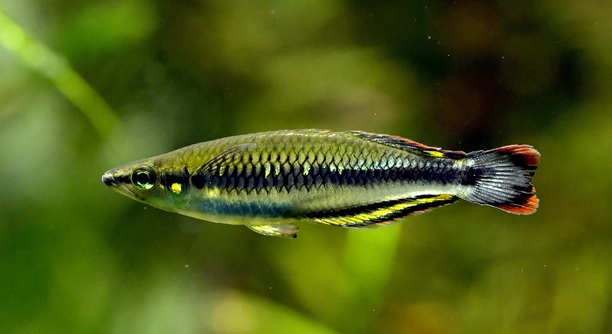
Rainbowfish are small, vibrant freshwater fish that often catch the eye with their shimmering scales. Observing their flashes of color can be fascinating, especially when they seem to change suddenly in their tank or natural habitat.
Rainbowfish flash colors primarily as a form of communication and social signaling. These color displays indicate mating readiness, territorial claims, or stress responses. Bright flashes are controlled by specialized pigment cells, allowing rapid changes in appearance depending on the situation.
These colorful displays are more than just visual beauty, offering insights into their behavior and interactions within their environment.
How Rainbowfish Use Color to Communicate
Rainbowfish use their colors to signal different things to each other. Males often flash brighter shades to show dominance or attract a mate. Females may respond with subtler flashes to indicate receptiveness. These displays are more than decoration; they serve as clear messages between fish.
Colors can also warn others of stress or danger. A sudden darkening or bright flash may alert tank mates that something is wrong.
Observing these patterns can help you understand your fish’s behavior. For example, if a male flashes excessively, it might be asserting territory. When a group of rainbowfish swims together, color flashes can coordinate movements and show social hierarchy. Tank environment, lighting, and diet also affect how vivid their colors appear. Keeping water conditions stable and providing enough space reduces stress-related flashes. Over time, you’ll notice that their color changes often correspond to feeding, interactions, or changes in surroundings, making them more predictable and easier to care for.
Environmental Factors That Affect Color Flashes
Water quality plays a key role in rainbowfish coloration. Even small changes can trigger color shifts.
Temperature, pH, and light exposure influence pigment cells. Poor conditions often lead to duller colors, while optimal settings enhance flashes. Consistent maintenance ensures fish remain healthy and visually vibrant.
Providing a balanced diet rich in carotenoids and other nutrients supports bright color displays. Fish in crowded or stressful tanks may suppress color flashes. Observing natural behavior in an adequately sized environment allows rainbowfish to display their full range of colors. Even subtle changes in tank decor or lighting can encourage more frequent and vivid flashes. Over time, these factors combine to influence overall health and appearance, showing that proper care directly impacts how rainbowfish communicate visually. By monitoring these conditions, you can create an environment where their natural behaviors and vibrant colors are expressed consistently.
Social Interactions and Mating Displays
Males flash bright colors to attract females and assert dominance over rivals. Females may respond subtly, indicating readiness to mate or acceptance of a male’s presence. Color changes are quick and intentional.
During mating season, these flashes become more frequent and pronounced. Males position themselves near females, showing off their brightest scales while performing small movements to draw attention. Dominant males often have the most vivid coloration, which signals fitness to potential mates. Subordinate males may flash less or retreat when challenged. Observing these behaviors helps you understand the social hierarchy within the tank, as color intensity often correlates with rank. The timing, frequency, and brightness of flashes provide clues about interactions, mood, and compatibility, creating a dynamic social environment.
Color flashes also help reduce conflict. Subtle changes communicate intentions before fights occur, preventing injury. When multiple males are present, these visual signals maintain order, allowing fish to coexist without constant physical confrontation. Over time, this communication becomes predictable, and observing it can feel rewarding as patterns emerge within the group.
Stress and Warning Signals
Sudden color flashes can indicate stress or discomfort. Fish may darken or display rapid flashes in response to changes in their environment, such as temperature shifts or tank disturbances.
Stress-induced color changes serve as warnings to other fish and signal a need for attention to water quality or tank conditions. Overcrowding, poor water parameters, or sudden movements can trigger these flashes. Fish may also respond to aggressive tank mates by altering their coloration to show submission or avoid conflict. Monitoring these visual cues allows you to identify issues early. Adjusting lighting, maintaining consistent water quality, and ensuring adequate space reduce stress-related flashes. Recognizing these signals can improve overall fish health and promote a stable, harmonious tank environment where rainbowfish display natural behavior more consistently.
Lighting and Tank Setup
Lighting affects how rainbowfish display their colors. Bright, natural-like light enhances flashes, while dim or uneven lighting can make colors appear dull.
Tank layout also plays a role. Open spaces allow fish to swim freely and show off colors, while dense decorations may limit visibility and movement.
Diet and Nutrition
A nutrient-rich diet supports vibrant coloration in rainbowfish. Foods high in carotenoids, such as certain flakes, pellets, or frozen foods, help maintain bright, healthy scales. Regular feeding with varied options ensures fish receive the vitamins and minerals necessary for color expression.
Age and Maturity
Younger rainbowfish may flash less often, as their pigment cells are still developing. Color intensity generally increases with age and sexual maturity, reaching full brilliance once they are fully grown.
FAQ
Why do rainbowfish flash colors more during mating season?
Rainbowfish increase color flashes during mating season to attract mates and signal fitness. Males display their brightest scales to show dominance and health, while females respond with subtler flashes to indicate receptiveness. This behavior ensures that the healthiest fish are more likely to reproduce, supporting strong offspring. Environmental factors like lighting, water quality, and tank space can enhance or suppress these displays, so maintaining stable conditions helps fish express natural behavior effectively.
Can stress cause rainbowfish to change colors?
Yes, stress can trigger rapid color changes. Fish may darken or flash unexpectedly in response to poor water quality, overcrowding, or sudden movements. These flashes act as warning signals to other fish or indicate discomfort. Stress-related color changes often disappear once conditions improve, so monitoring water parameters, maintaining a proper tank setup, and reducing aggressive interactions are essential for healthy coloration.
Do rainbowfish flash colors when establishing dominance?
Absolutely. Color flashes serve as a non-violent way to assert dominance. Males often use bright displays to show their rank to rivals, while subordinate males may retreat or reduce flashing to avoid confrontation. This visual communication helps maintain social order and prevents frequent physical conflicts, allowing multiple fish to coexist peacefully in the same tank.
Does diet affect rainbowfish coloration?
Yes, diet plays a major role in color vibrancy. Foods rich in carotenoids, vitamins, and minerals support pigment cell health, making flashes brighter. Feeding a varied diet that includes quality flakes, pellets, and frozen foods ensures rainbowfish display their full range of colors. Malnutrition or an imbalanced diet can lead to dull scales and reduced flashing.
Do younger rainbowfish flash colors like adults?
Younger rainbowfish tend to flash less often because their pigment cells are still developing. Color intensity usually increases with age and sexual maturity. As they grow, flashes become more frequent and pronounced, especially in males preparing for mating or asserting dominance within a group.
How does lighting affect color flashing?
Lighting directly influences how visible rainbowfish colors appear. Bright, natural-like lighting enhances color flashes, while dim or uneven lighting can dull the appearance of their scales. Proper lighting also encourages natural behavior, allowing fish to display social and mating signals more effectively. Combining adequate light with open swimming space helps rainbowfish show their colors fully.
Can water quality impact color flashes?
Yes, poor water conditions often lead to dull colors or irregular flashing. Maintaining stable temperature, pH, and cleanliness is essential for healthy pigmentation. Stress from fluctuating conditions can suppress flashes, while optimal water quality supports consistent, vibrant displays and promotes general fish health.
Do rainbowfish flash colors for reasons other than mating or dominance?
They do. Color flashes can indicate stress, signal submission, or communicate with tank mates. Sudden flashes may alert others to potential threats or environmental changes. Observing these signals helps you understand behavior patterns and address any tank issues before they affect the fish’s health or social dynamics.
Is there a difference between male and female flashing?
Yes, males generally flash brighter and more frequently, especially during mating or dominance displays. Females tend to have subtler flashes, mainly responding to males’ signals or showing readiness to mate. These differences help maintain social structure and facilitate reproductive communication.
Can changes in tank decor influence color flashing?
Yes, the layout and objects in the tank can affect how and when fish flash colors. Open areas allow fish to move freely and display vivid flashes, while dense decorations or tight spaces may limit visibility and movement. Rearranging the tank thoughtfully can encourage more frequent and natural color displays.
How can I encourage natural color flashing in my rainbowfish?
Maintain stable water conditions, provide proper lighting, and feed a balanced diet rich in nutrients. Ensure enough space for swimming and social interaction. Avoid overcrowding or aggressive tank mates, as stress can suppress color flashes. Observing fish behavior over time allows you to understand their social dynamics and optimize conditions for natural displays.
Do all rainbowfish species flash colors the same way?
No, flashing intensity and patterns vary between species. Some species are naturally more vibrant and prone to frequent flashes, while others display colors more subtly. Knowing your species’ typical behavior helps you interpret their flashes accurately and provides appropriate care.
Are color flashes linked to overall health?
Yes, vibrant flashes often indicate good health. Fish that are well-fed, stress-free, and kept in stable conditions generally display more vivid colors. Dull or irregular flashes may signal illness, poor nutrition, or environmental issues that need attention.
How often should I observe my rainbowfish for color flashes?
Regular observation helps identify patterns and detect potential issues early. Watching daily, especially during feeding or social interactions, allows you to notice subtle changes in flashes and adjust care accordingly. Over time, you’ll understand what is normal for your fish and recognize unusual behavior quickly.
Can rainbowfish adapt their flashing to different tankmates?
Yes, rainbowfish often adjust flashes based on the behavior of other fish. Submissive or shy individuals may reduce color displays in the presence of aggressive tankmates. Observing these interactions helps ensure a balanced environment where all fish can express their natural behaviors without excessive stress.
Do seasonal changes affect flashing behavior?
Seasonal factors, such as temperature and daylight duration, can influence flashing. Some fish may flash more during warmer periods or longer daylight hours, aligning with natural reproductive cycles. Providing consistent conditions in the tank can stabilize behavior and maintain predictable color displays throughout the year.
Can flashes be used to identify individual fish?
Sometimes. Patterns, intensity, and frequency of flashes may differ slightly among individuals, allowing careful observation to distinguish certain fish. While not as reliable as markings or size, flashes can provide clues about personality, health, and social status.
Are there any signs that flashing indicates serious health issues?
Persistent dullness, erratic flashes, or color changes accompanied by lethargy or abnormal swimming can signal illness or stress. Monitoring these signs alongside water quality and diet helps detect problems early, ensuring timely intervention to maintain fish health.
How long do color flashes typically last?
Flashes usually last seconds to a few minutes, depending on the reason. Mating displays and dominance signals may persist longer, while stress-related flashes are often brief. Observing the duration in different contexts provides insight into fish behavior and environmental comfort.
Can tank size influence flashing behavior?
Yes, small or overcrowded tanks can suppress color displays due to stress or limited movement. Larger tanks with open swimming areas encourage more frequent and vivid flashes. Providing adequate space allows rainbowfish to interact naturally and show their full range of colors.
Do rainbowfish flash at night or only during the day?
Flashes mostly occur during daylight or under artificial light mimicking daytime. At night, when lights are off, color displays are minimal. Providing a consistent day-night cycle helps regulate behavior and supports natural flashing patterns.
Is it normal for rainbowfish to stop flashing temporarily?
Yes, temporary reduction in flashes can occur due to stress, illness, or environmental changes. Once conditions improve and fish feel secure, flashes usually resume. Monitoring for other signs of distress helps determine if intervention is needed.
Can interactions with humans trigger flashes?
Yes, feeding or movement near the tank can provoke flashes. Fish may respond to your presence as a social cue or in anticipation of food. These reactions are usually brief and part of normal behavior.
Does tank lighting color affect flashes?
Lighting color can influence how vivid flashes appear. White or full-spectrum lighting enhances natural colors, while red or blue-tinted lights may alter perceived intensity. Proper lighting ensures flashes are visible and encourages natural behavior.
How do rainbowfish use flashes in group dynamics?
Flashes communicate position, dominance, or readiness to mates within a group. Coordinated displays help maintain social order and reduce conflicts. Observing these patterns provides insight into hierarchy and interaction among tank inhabitants.
Can flashes indicate breeding readiness?
Yes, increased brightness and frequency of flashes in males and responsive signals in females indicate readiness to spawn. Providing optimal conditions supports natural breeding behaviors and ensures healthier offspring.
Are flashes consistent across all individuals in a tank?
No, individual temperament, age, and health affect flashing behavior. Some fish may be more dominant and frequent in displays, while others remain subtle. Recognizing these differences helps maintain balance and predict social interactions within the tank.
Do rainbowfish ever flash for fun or play?
Some flashes may occur during normal swimming or exploration, which could be considered playful behavior. While largely functional, occasional non-purposeful flashes add visual interest and reflect the fish’s active nature.
Can stress from new tankmates affect flashing?
Yes, introducing new fish can temporarily suppress or increase flashes due to social adjustment. Monitoring interactions and providing hiding spaces helps reduce stress and allows normal color displays to resume.
Do rainbowfish retain memory of social interactions related to flashing?
They seem to remember previous encounters, adjusting future flashes based on past outcomes. Subordinate fish may flash less around dominant ones, while dominant fish maintain their bright displays to reinforce rank. This memory helps maintain social structure over time.
Is frequent flashing always a sign of good health?
Not always. Excessive flashing can indicate stress or territorial disputes rather than positive health. Observing context, water quality, and social dynamics is key to interpreting flashing accurately.
How can I track and interpret flashing patterns effectively?
Regular observation during feeding, mating, or social interactions allows you to recognize normal behavior. Keeping notes on frequency, brightness, and context helps identify changes linked to stress, illness, or environmental adjustments, supporting proactive care.
Do rainbowfish flash differently in captivity versus the wild?
Captivity may reduce flash frequency due to limited space or fewer environmental stimuli. However, proper tank conditions, lighting, and diet can mimic natural habitats, encouraging similar displays to those observed in the wild.
Can rainbowfish flashing be used for research purposes?
Yes, scientists use flashes to study behavior, social hierarchy, stress responses, and mating patterns. Observing these signals provides valuable insight into communication and species-specific interactions, contributing to both ecological understanding and aquarium care.
Are there any long-term effects of suppressed flashing?
Chronic suppression due to stress, poor water quality, or social imbalance can affect social behavior, breeding success, and overall health. Ensuring conditions that allow normal flashing supports both wellbeing and natural interaction patterns.
Do rainbowfish ever flash in response to food?
Yes, anticipation of feeding can trigger quick flashes, signaling excitement or readiness. These are typically brief and context-dependent, reflecting interaction with their environment rather than stress or dominance.
Is flashing affected by disease or parasites?
Yes, illness or parasitic infections can alter or reduce flashes. Dull or erratic color changes may indicate a problem requiring treatment. Early observation and intervention prevent long-term health issues and support natural behavior.
Do rainbowfish flashes influence other species in a community tank?
Flashes can affect tankmates by signaling aggression, submission, or stress. Other species may react cautiously or competitively, depending on temperament. Awareness of interspecies interactions helps maintain a peaceful community tank.
Can tank maintenance routines influence flashing?
Frequent water changes, cleaning, and movement around the tank may temporarily alter flashes. Fish often respond to disturbances, but maintaining consistent routines minimizes stress and supports stable color displays.
Are there seasonal or environmental triggers for flashing outside mating?
Changes in temperature, daylight length, or water flow can subtly affect flashing frequency. Even without mating intent, these environmental cues influence behavior and can modify color display patterns naturally.
Do rainbowfish flashes ever indicate boredom or stimulation?
Active flashing during exploration or swimming may reflect stimulation rather than social signaling. Enriched tanks with plants, rocks, or open space encourage natural behavior, leading to more frequent and varied flashes.
How can I tell the difference between stress flashes and normal social flashes?
Stress flashes often coincide with darkening, rapid movements, or hiding, while social flashes occur during interactions like dominance displays or mating. Context, duration, and behavior alongside flashes help distinguish their meaning accurately.
Are flashes more noticeable in certain species of rainbowfish?
Yes, some species have naturally brighter pigmentation and flash more vividly. Understanding species-specific traits helps interpret behavior correctly and provides guidance for optimal tank conditions.
Do rainbowfish ever flash in sync with each other?
Yes, coordinated flashes can occur in groups to communicate movement, reinforce social structure, or reduce conflict. This synchronized behavior is more common in stable social environments.
Can environmental enrichment increase flashing frequency?
Providing plants, rocks, and open swimming areas encourages natural behavior and more frequent color displays. Enrichment supports both physical activity and social interaction, enhancing overall wellbeing.
Do rainbowfish flashes serve any survival purpose?
Yes, flashes can warn others of danger, signal submission, or establish territory without physical conflict. These visual cues improve survival by reducing aggression and promoting clear communication.
Are flashes affected by water hardness or mineral content?
Yes, mineral balance can influence pigmentation health. Stable water hardness and mineral content support vibrant color expression, while extremes may suppress flashes or cause stress.
Do rainbowfish ever flash in isolation?
Isolated fish may flash less frequently since many displays are social signals. However, they may still show flashes in response to food, stress, or environmental changes.
Can flashes indicate readiness for new social interactions?
Yes, increased flashing in a calm environment may signal willingness to engage with tankmates, establish hierarchy, or explore surroundings. Observing these patterns helps predict social behavior and interactions.
Do rainbowfish flashes vary with age and size?
Yes, younger or smaller fish flash less, while mature adults display more intense and frequent flashes. Size and experience often correlate with dominance, mating success, and social influence in the tank.
How long does it take for a rainbowfish to develop full flashing ability?
Typically, full color expression develops as fish reach sexual maturity. Younger fish gradually increase flash frequency and intensity as pigment cells mature and social behavior becomes more established.
Are there any long-term benefits to consistent flashing behavior?
Consistent flashing reflects healthy social interactions, good nutrition, and low stress. It promotes effective communication, successful mating, and overall wellbeing, ensuring fish thrive in a well-maintained environment.
Can rainbowfish flashes help detect subtle tank problems?
Yes, changes in flashing patterns can indicate water quality issues, stress, or social imbalance. Regular observation allows early intervention before health or behavior is severely affected.
Do flashes differ between males in competitive tanks?
Yes, males may increase brightness and frequency to assert dominance. Subordinate males may reduce flashes or hide, maintaining a social hierarchy without constant physical conflict.
Is it normal for flashes to vary daily?
Yes, daily variations occur due to light cycles, feeding, and interactions. Observing patterns over time provides a clearer understanding of typical behavior and any deviations that may indicate issues.
Can you train rainbowfish to associate flashes with certain actions?
Indirectly, fish may link flashes with feeding or social cues. While not traditional training, consistent routines encourage predictable behavior and visual responses that reflect learned patterns.
Do rainbowfish flashes affect reproduction success?
Yes, brighter, more frequent flashes often attract mates and indicate health, increasing the likelihood of successful spawning. Proper care and optimal conditions maximize reproductive potential.
How can I tell if flashes indicate discomfort versus normal social signaling?
Discomfort flashes are usually paired with hiding, darkening, or rapid swimming. Social flashes occur in visible, controlled interactions. Context, duration, and behavior help distinguish between the two.
Do rainbowfish flashes ever signal territory boundaries?
Yes, males use flashes to mark territory and warn rivals. Subordinate fish respond by avoiding confrontation, reducing aggression and maintaining social structure within the tank.
Can flashes reveal personality differences among rainbowfish?
Yes, more dominant or confident individuals flash frequently, while shy or submissive fish display less. These patterns help identify social roles and predict interactions within the group.
Do rainbowfish flashes change with breeding cycles?
Yes, flashes intensify during breeding periods. Males display brighter colors to attract females, while females respond with subtle flashes to signal readiness. Timing and frequency correlate with reproductive behavior and environmental conditions.
Are there any external triggers that commonly provoke flashes?
Movements near the tank, sudden noises, or changes in lighting often trigger quick flashes. These responses reflect awareness and alertness rather than stress or mating behavior.
Can monitoring flashes improve tank management?
Absolutely. Observing flashing patterns helps identify stress, illness, social dynamics, and environmental needs, enabling proactive adjustments for healthier, more vibrant fish.
Do rainbowfish flashes vary between freshwater and brackish setups?
Yes, water composition affects pigment cell health. Freshwater setups generally support natural flashing, while brackish conditions may alter intensity or frequency depending on species tolerance.
Can color flashes indicate hunger or feeding behavior?
Yes, anticipation of food often triggers brief flashes. Fish may become more active and display rapid color changes when they recognize feeding routines.
Do rainbowfish flashes ever indicate readiness to swim or explore?
Occasionally, flashes accompany active swimming or exploration. These are normal behaviors reflecting engagement with the environment rather than social signaling or stress.
Are flashes more frequent in community tanks or single-species tanks?
Flashes are typically more frequent in single-species tanks where social interactions are more relevant. Community tanks may reduce intensity due to different species’ behavior or stress.
Can observing flashes help predict aggression in the tank?
Yes, sudden or repeated bright flashes often precede disputes. Recognizing these signs allows intervention to prevent physical conflict and maintain a balanced social environment.
Do flashes differ during feeding versus resting periods?
Flashes are more common during feeding or active periods. During rest or night cycles, color displays decrease significantly. Consistent light and feeding schedules help maintain natural patterns.
Are flashes influenced by seasonal light changes?
Yes, longer daylight or warmer temperatures may increase flashing, especially during breeding cycles. Stable artificial lighting in captivity can mimic these conditions to encourage natural behavior.
Can rainbowfish flashes indicate illness before other symptoms appear?
Yes, subtle changes in frequency, brightness, or pattern can signal health issues before lethargy or visible illness occurs. Early detection allows timely intervention for treatment and care.
Do rainbowfish flashes have different meanings depending on tank population size?
Yes, in larger groups, flashes may communicate rank and coordinate movement. In smaller groups, flashes may focus more on mating or social signaling. Population size influences both frequency and intensity.
Can observing flashes improve overall fish care?
Yes, paying attention to flashes provides insight into stress, health, diet, and social behavior. This information helps maintain optimal conditions, improving wellbeing and natural expression for rainbowfish.
Rainbowfish are fascinating creatures, and their ability to flash colors adds a unique and dynamic aspect to keeping them. These flashes are more than just visual beauty—they serve important functions in communication, social interaction, and overall wellbeing. Observing a rainbowfish’s flashes can reveal a lot about their mood, health, and social standing within a group. Males often use bright flashes to assert dominance or attract mates, while females respond with subtler signals to indicate readiness or acceptance. Even outside of mating or dominance displays, flashes can indicate stress, submission, or environmental awareness. Paying attention to these signals allows for a deeper understanding of their behavior and helps create a healthier, more harmonious tank environment. Over time, watching these interactions can become a rewarding part of caring for rainbowfish, as their color changes reflect the conditions and social dynamics of the tank.
Maintaining stable water conditions, proper lighting, and a balanced diet are essential to supporting vibrant flashes. Factors such as water temperature, pH, and nutrient intake all influence how brightly a rainbowfish can display its colors. Poor water quality or inadequate nutrition may result in duller flashes or irregular color changes, while a well-maintained tank encourages natural behavior and frequent color displays. Providing enough swimming space and thoughtful tank decor also allows fish to show off their colors fully without feeling restricted or stressed. Social dynamics are equally important, as overcrowding or aggressive tankmates can suppress flashes or trigger stress-related displays. By observing how and when rainbowfish flash, you can identify potential issues early, such as illness, stress, or environmental imbalances, and adjust care routines accordingly. This attention to detail not only enhances the visual appeal of the fish but also contributes to their overall health and longevity.
Understanding rainbowfish color flashing adds a new layer to aquarium care, making it both informative and enjoyable. These flashes are natural expressions that serve multiple purposes, from attracting mates to signaling stress or social status. Observing and interpreting these signals provides insight into the individual personalities and interactions of the fish, allowing for more effective tank management. It also emphasizes the importance of creating a supportive environment where fish can thrive, including clean water, proper diet, suitable lighting, and adequate space. Over time, recognizing the patterns and reasons behind flashing behavior can make caring for rainbowfish more intuitive and rewarding. By paying attention to their color displays, you can ensure they remain healthy, active, and visually vibrant, creating a balanced and dynamic aquatic environment. The flashes are not just decoration—they are a reflection of life, communication, and wellbeing within the tank.

Hello,
If you enjoy the content that we create, please consider saying a "Thank You!" by leaving a tip.
Every little bit helps us continue crafting quality advice that supports the health, happiness, and well-being of pets around the world, for pets of all shapes, sizes, and species.
We really appreciate the kindness and support that you show us!