
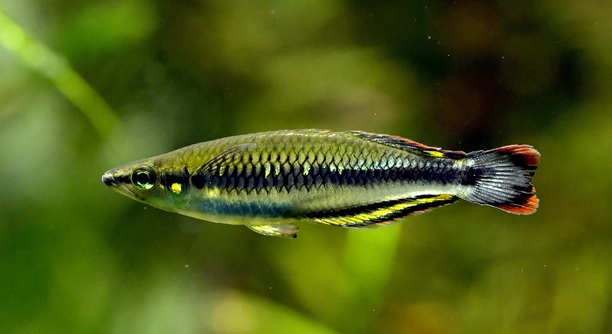
Rainbowfish are small, colorful freshwater fish that brighten up any aquarium. They are lively and social, often seen swimming together in groups. Many owners enjoy watching their playful interactions and gentle personalities in home tanks.
Rainbowfish can bond with other species under suitable conditions. They are generally peaceful, non-aggressive, and adapt well to community tanks when tank mates are similarly calm and non-predatory, allowing mutual coexistence and minimal stress.
Understanding how rainbowfish interact with others can improve tank harmony. Learning their social behaviors helps create a peaceful, well-balanced aquatic environment for all species involved.
Rainbowfish Social Behavior
Rainbowfish naturally enjoy being in groups of their own kind. They feel safer and show more vibrant colors when they are with others. In a community tank, they often swim together, following similar paths and responding to each other’s movements. Their schooling behavior helps reduce stress and encourages active swimming. Observing a group of rainbowfish can be calming, as their interactions are usually peaceful and predictable. They rarely show aggression toward each other when given enough space. Keeping at least six rainbowfish together is recommended for proper social interaction. Tank size and decorations also matter, as they provide hiding spots and areas to explore. Proper lighting can enhance their natural colors, making them appear healthier and more lively. A well-maintained tank with a stable temperature and clean water encourages them to behave naturally, promoting a sense of security and wellbeing. Over time, their coordination and responses to each other become more noticeable.
Rainbowfish thrive best with others of their kind due to natural schooling instincts and stress reduction.
Maintaining social harmony in a tank is about more than just numbers. When rainbowfish are placed with compatible species, they interact positively, sharing swimming areas and feeding times without conflict. Aggressive or territorial species can cause stress, leading to hiding or reduced activity. Decorations and plants create boundaries, helping different species coexist without intrusion. Observing their behavior daily allows owners to adjust the environment, ensuring all fish are comfortable. Temperature, water pH, and cleanliness also influence how well they bond with other species. Over time, rainbowfish may display playful chasing, synchronized swimming, or coordinated feeding, reflecting comfort and security. By monitoring interactions and responding to signs of stress, a peaceful community tank can be maintained. This balance allows rainbowfish to show their true colors, flourish in personality, and coexist calmly with other gentle species, making the aquarium experience more rewarding for the caretaker.
Compatible Tank Mates
Small, peaceful species are ideal tank mates for rainbowfish. They prefer non-aggressive fish that swim in similar areas.
Choosing compatible species requires careful observation and research. Ideal tank mates include tetras, danios, and rasboras. These fish are active but not territorial, allowing rainbowfish to swim freely without feeling threatened. Avoid larger or aggressive fish, as they can intimidate or even harm rainbowfish, causing stress and reduced activity. The size of the tank plays a role in compatibility; a crowded tank can lead to stress and conflict. Decorations like plants, rocks, and hiding spots help create distinct territories, allowing each species to feel safe. Feeding routines should be balanced, ensuring all fish receive proper nutrition without competition. Temperature and water conditions should match the needs of all species in the tank. Observing daily interactions helps identify potential problems early, allowing timely adjustments. With careful selection and monitoring, rainbowfish can coexist peacefully, maintaining healthy social behaviors and bright, vibrant colors that make the aquarium visually appealing.
Feeding Habits and Compatibility
Rainbowfish are not picky eaters and generally accept flake, frozen, or live food. Feeding them at the same time as other peaceful species helps maintain harmony in the tank.
Feeding rainbowfish with compatible tank mates requires attention to portion sizes and timing. They are fast swimmers and can easily outcompete smaller fish for food. Offering a variety of foods, such as brine shrimp, daphnia, and high-quality flakes, ensures balanced nutrition and promotes health. Observing how they feed alongside other species helps prevent bullying or missed meals. Some species may nibble at plants or decorations, but this rarely affects rainbowfish. Creating multiple feeding spots in the tank reduces competition, ensuring all fish receive enough food.
Overfeeding can lead to water quality issues, so it is important to provide only what they can consume in a few minutes. Maintaining a consistent feeding schedule helps rainbowfish and other tank mates develop predictable routines. Feeding a mix of dry, frozen, and live foods keeps them active and vibrant. Offering occasional treats encourages natural hunting behaviors and stimulates their senses. Proper feeding supports coloration, growth, and overall wellbeing. Watching interactions during feeding times can also provide insights into tank dynamics, allowing adjustments to maintain peace and balance.
Tank Environment and Layout
Rainbowfish prefer tanks with open swimming spaces and planted areas. Decorations provide hiding spots for all species.
A well-planned tank layout supports peaceful coexistence between rainbowfish and other species. Open areas allow active swimming and schooling, which reduces stress, while plants and rocks create safe zones for shy or slower-moving fish. Proper filtration and regular water changes maintain clean water and stable conditions, which are essential for rainbowfish health. Temperature, pH, and hardness should meet the requirements of all species present to prevent stress. Lighting should be moderate to highlight colors without causing aggressive behavior. Observing daily activity ensures that all fish are comfortable and interacting naturally.
Including plants like Java fern or Anubias, along with floating species, enhances visual appeal and provides shelter. Substrate choice affects the behavior of bottom dwellers, so sand or fine gravel is preferred. Open swimming lanes should remain free from clutter, giving rainbowfish space to school freely. Strategic placement of decorations prevents territorial disputes and reduces stress. Maintaining water quality is crucial, as crowded or poorly filtered tanks can lead to illness. Regular monitoring and minor adjustments to layout encourage harmony. By creating a balanced environment, all species can thrive together, displaying natural behaviors and vibrant colors.
Signs of Stress in Rainbowfish
Rainbowfish may show stress by hiding, staying at the bottom, or losing color. These signs often indicate discomfort with tank mates or environment.
Other indicators include erratic swimming, refusal to eat, or frequent gasping at the surface. Monitoring these behaviors helps prevent serious health problems.
Introducing New Species
Introducing new species slowly reduces aggression and stress. Quarantining new fish for a short period prevents disease spread and allows observation of temperament before mixing them with rainbowfish.
Water Quality and Maintenance
Stable water quality is crucial for rainbowfish health. Regular water changes and proper filtration maintain suitable pH, temperature, and hardness. Poor water conditions can cause disease, stress, and weaken social behavior.
Observing Interactions
Watching daily interactions helps identify compatibility issues early. Rainbowfish display schooling, chasing, and playful behaviors, which indicate comfort.
FAQ
How many rainbowfish should be kept together?
Rainbowfish are social and feel most comfortable in groups. Keeping at least six together allows them to display natural schooling behavior. Smaller numbers can cause stress and timid behavior. Larger groups provide more interaction and movement, helping maintain vibrant colors and active swimming.
Can rainbowfish live with bettas?
Rainbowfish generally do not do well with bettas. Bettas can be aggressive or territorial, which can stress rainbowfish and limit their swimming space. It is better to pair rainbowfish with peaceful, non-aggressive species to maintain harmony in the tank.
What fish species are best with rainbowfish?
Small, calm, and non-territorial species work best. Tetras, danios, rasboras, and peaceful gouramis are good companions. Avoid larger predatory fish or highly aggressive species. Matching water requirements and swimming behavior ensures all species coexist comfortably.
How often should rainbowfish be fed?
Rainbowfish should be fed twice a day in small portions they can finish within a few minutes. Overfeeding can harm water quality and lead to obesity, while underfeeding can reduce energy and color. Providing variety keeps them healthy and active.
Do rainbowfish need plants in their tank?
Plants are not strictly necessary but are highly beneficial. They provide hiding spots, reduce stress, and improve water quality. Floating plants and rooted species create natural barriers and resting areas, which help rainbowfish and other tank mates feel secure.
Can rainbowfish breed in a community tank?
Yes, they can breed if conditions are right. Males display vibrant colors and court females. Eggs are often scattered among plants. However, some tank mates may eat the eggs, so providing dedicated breeding areas or dense plant cover increases survival rates.
What water conditions do rainbowfish need?
Rainbowfish thrive in stable water with a temperature of 74–82°F, pH between 6.5–8.0, and moderate hardness. Sudden changes in water quality can stress them, affecting health and social behavior. Regular testing ensures optimal conditions for all tank inhabitants.
How can I tell if rainbowfish are stressed by tank mates?
Signs include hiding, color fading, reduced activity, or avoiding feeding areas. Aggression from other fish can cause stress, leading to illness or injury. Observing behavior daily helps identify compatibility issues and allows adjustments to maintain a peaceful tank.
Do rainbowfish interact with other species?
Yes, they can bond with peaceful species. They often swim alongside compatible fish and share feeding times without conflict. Social behavior includes following each other’s movements and displaying curiosity, which indicates comfort in a community tank.
Is a large tank necessary for rainbowfish?
A spacious tank is ideal. Rainbowfish are active swimmers and need room to school. A minimum of 30 gallons is recommended for a small group, with additional space for extra fish or decorations. More room reduces stress and encourages natural behavior.
Can rainbowfish live with bottom dwellers?
Yes, bottom-dwelling fish like Corydoras catfish or small loaches are suitable companions. They occupy different areas of the tank, reducing competition for space and food. Proper feeding ensures all species thrive together.
How often should water be changed?
Regular water changes are important to maintain quality. Changing 20–30% of the water weekly prevents buildup of waste and toxins. Consistent maintenance keeps rainbowfish healthy, supports social behavior, and ensures all tank inhabitants remain active and vibrant.
Do rainbowfish need a specific diet?
A varied diet is best. Flakes, frozen or live foods, and occasional treats like brine shrimp or daphnia provide balanced nutrition. Variety encourages natural foraging behaviors and helps maintain coloration, energy, and overall health.
Can rainbowfish coexist with shrimp or snails?
Yes, most rainbowfish tolerate small invertebrates like shrimp and snails. They usually do not eat them, making them suitable tank mates. Dense plants and hiding spots help protect smaller invertebrates and reduce stress for all species.
What is the best way to introduce new fish?
New fish should be quarantined for at least two weeks to monitor for disease. Introduce them slowly using a tank divider or acclimation method. Gradual introduction reduces stress, prevents aggression, and allows rainbowfish to adjust to new tank mates.
Are rainbowfish aggressive?
Rainbowfish are generally peaceful. Males may display mild chasing during mating or territorial behavior in crowded conditions, but aggression is minimal with proper tank size and compatible species. Observation ensures a calm, balanced environment.
How can I encourage rainbowfish to school?
Keeping at least six together, providing open swimming areas, and maintaining stable water conditions encourages natural schooling. Observing their movement and adjusting tank layout promotes coordinated swimming, reducing stress and enhancing visual appeal.
Do rainbowfish need strong lighting?
Moderate lighting is sufficient. It highlights their colors without causing stress or triggering aggressive behavior. Natural or LED lighting that mimics daylight works well and supports plant growth for a balanced tank environment.
Can rainbowfish adapt to community tanks?
Yes, rainbowfish can adapt to community tanks if water conditions, tank size, and compatible species are maintained. Observation, proper feeding, and environmental enrichment help them thrive alongside other peaceful species.
How do rainbowfish communicate with other fish?
Rainbowfish communicate through body movements, color displays, and swimming patterns. Coordinated swimming, chasing, or following behaviors show social bonds and indicate comfort in a community tank. Recognizing these signs helps maintain a healthy, harmonious environment.
Can rainbowfish live long with other species?
With proper care, compatible tank mates, and stable conditions, rainbowfish can live a full lifespan of 5–8 years. Monitoring health, water quality, and interactions ensures they thrive in a peaceful, community setting.
Are there risks when mixing species?
Yes, aggressive or predatory fish can harm rainbowfish, while incompatible water requirements may stress them. Observing interactions, monitoring water parameters, and selecting suitable species reduces risks and promotes a balanced, harmonious aquarium.
What should I do if rainbowfish show aggression?
Aggression is rare but can occur during overcrowding or mating. Separating individuals, adding plants, or increasing tank space helps reduce stress. Observing triggers and adjusting the environment ensures peaceful coexistence with other species.
Can rainbowfish bond with invertebrates?
Rainbowfish may coexist peacefully with shrimp, snails, or other non-aggressive invertebrates. They often swim near them without harm, benefiting from shared space and a dynamic, diverse tank environment. Proper shelter ensures safety for smaller creatures.
How do I maintain a healthy community tank?
Maintain stable water quality, feed appropriately, monitor interactions, and provide suitable tank layout. Choose compatible species and observe behavior daily. Adjust decorations, plants, and feeding routines as needed. Consistent care ensures rainbowfish and other species thrive together, maintaining harmony and visual appeal.
Do rainbowfish get stressed easily?
Rainbowfish are sensitive to sudden changes in water, aggressive tank mates, or overcrowding. Stress can affect color, appetite, and behavior. Observing their interactions and maintaining stable conditions helps reduce stress, keeping them active and healthy.
What is the best tank size for multiple species?
A larger tank allows for open swimming and territory separation, reducing conflict. At least 30 gallons is recommended for small groups, with extra space for plants, decorations, and additional species. Proper sizing ensures comfort and healthy social behavior.
How can I tell if rainbowfish like their tank mates?
Signs include schooling together, synchronized swimming, sharing feeding areas, and active movement. Comfortable fish display vibrant colors and explore the tank freely. Observation helps gauge compatibility and allows timely adjustments to maintain harmony.
Are there any common mistakes when keeping rainbowfish with other species?
Overcrowding, mixing aggressive species, neglecting water quality, or improper feeding are common issues. Monitoring tank dynamics, providing suitable space, and maintaining stable conditions prevent problems, ensuring peaceful coexistence and healthy, active rainbowfish.
Can rainbowfish live with mollies or guppies?
Yes, mollies and guppies are compatible. They are small, peaceful, and share similar water requirements. Observing interactions initially ensures harmony, while providing space and hiding spots supports a balanced community tank.
Do rainbowfish need separate feeding areas?
Multiple feeding spots reduce competition and stress, especially in community tanks. Rainbowfish and other species can eat comfortably without chasing or guarding food, ensuring proper nutrition for all inhabitants.
How do I encourage peaceful behavior in the tank?
Provide adequate space, plants, and decorations to reduce territorial disputes. Feed regularly, monitor interactions, and introduce new species gradually. Stable water conditions and compatible species selection support calm, natural behavior.
Can rainbowfish live with larger fish if they are calm?
Occasionally, calm larger fish may coexist if they are non-predatory. Observation is essential to ensure rainbowfish are not stressed or bullied. Proper tank size and hiding spots increase safety.
What is the lifespan of rainbowfish in a community tank?
With proper care, rainbowfish can live 5–8 years. Stable water, compatible species, regular feeding, and stress-free conditions contribute to longevity and overall wellbeing.
How often should tank mates be monitored?
Daily observation is ideal. Watching behavior, feeding, and interactions helps identify stress, aggression, or health issues early, allowing timely adjustments to maintain harmony in the community tank.
Can rainbowfish bond with each other more than with other species?
Yes, they show stronger social bonds within their own species. Schooling, coordinated swimming, and playful chasing are more pronounced among rainbowfish, though they can still coexist peacefully with compatible fish.
Is it necessary to separate rainbowfish during breeding?
Separation is helpful to protect eggs from being eaten by other species. Providing dense plants or a breeding tank ensures higher survival rates for fry while reducing stress on adults.
Can rainbowfish adapt to different water conditions if tank mates vary?
They adapt within a moderate range. Sudden changes or extremes can stress rainbowfish and other species. Consistency in temperature, pH, and hardness is essential to maintain harmony and health in a mixed tank.
What are the key factors for a successful community tank with rainbowfish?
Stable water conditions, compatible species, sufficient space, hiding spots, proper feeding, and daily observation are essential. Maintaining these factors encourages peaceful coexistence, vibrant colors, and natural behaviors among rainbowfish and other species, creating a healthy, balanced tank environment.
How do rainbowfish communicate during feeding?
Rainbowfish use body movements, schooling, and chasing to coordinate feeding. These behaviors help avoid competition and maintain social order. Observing these signals helps owners adjust feeding methods for a harmonious community tank.
Do rainbowfish prefer active or calm tank mates?
Active yet peaceful fish are ideal. They complement rainbowfish behavior without causing stress. Slow or overly aggressive species may disrupt schooling and social patterns, affecting overall health and tank harmony.
Can rainbowfish live with African cichlids?
No, African cichlids are aggressive and territorial. They can harm rainbowfish, causing stress or injury. Keeping rainbowfish with calm, non-aggressive species is a safer choice.
How important is tank decoration for rainbowfish?
Decorations provide shelter, reduce aggression, and encourage natural behavior. Plants, rocks, and open swimming areas create a balanced environment, helping rainbowfish and other species feel secure and active.
Can rainbowfish adapt to community tanks over time?
Yes, with proper care, compatible species, and stable conditions, rainbowfish can adjust and thrive. Observation and gradual introduction ensure peaceful integration into the community.
What behaviors indicate successful bonding with other species?
Peaceful swimming, shared feeding, and synchronized movement indicate comfort. Lack of hiding, aggression, or stress shows that rainbowfish and other species are coexisting harmoniously.
Do rainbowfish need companions of their own species even in a community tank?
Yes, companions of the same species support schooling and social behaviors. They help reduce stress and encourage natural activity, complementing interactions with other compatible species.
Can rainbowfish adapt if a tank mate is removed?
They can adjust but may show temporary stress or reduced schooling. Adding compatible species gradually helps restore balance and social structure.
Are rainbowfish compatible with shrimp like cherry or ghost shrimp?
Yes, peaceful shrimp are generally safe with rainbowfish. Plants and hiding spots protect smaller invertebrates, allowing coexistence without stress or predation.
What should I do if rainbowfish stop schooling with other species?
Check water conditions, tank size, and stress factors. Ensure compatible species, adequate space, and proper feeding. Minor adjustments can restore natural schooling and social behavior.
How can I prevent bullying in a mixed tank?
Provide sufficient space, hiding spots, and multiple feeding areas. Select compatible species and monitor behavior regularly. Immediate intervention prevents prolonged stress and ensures peaceful coexistence.
Can rainbowfish coexist with snails like nerite or mystery snails?
Yes, snails are generally compatible. They occupy different areas, help clean the tank, and do not threaten rainbowfish, supporting a balanced community environment.
Are rainbowfish affected by aggressive tank mates even if water quality is good?
Yes, aggression from tank mates can cause stress despite ideal water conditions. Observation and separation, if needed, maintain rainbowfish health and reduce anxiety in a mixed tank.
Do rainbowfish interact with invertebrates differently than fish?
Interactions are minimal. Rainbowfish may swim near invertebrates without aggression. Hiding spots and plants ensure safety for smaller creatures, while rainbowfish focus on socializing with other fish.
Can rainbowfish live peacefully with small schooling fish like neon tetras?
Yes, neon tetras are ideal tank mates. They are peaceful, active, and occupy similar water levels, complementing rainbowfish behavior without causing stress or competition.
How do I know if a new species is compatible before adding it?
Research water requirements, temperament, and swimming behavior. Observe similar species interactions. Quarantine new fish to monitor health and adjust slowly to ensure harmony with rainbowfish and existing tank mates.
Are there long-term risks in a community tank for rainbowfish?
Overcrowding, aggressive species, or poor maintenance can stress rainbowfish. Regular monitoring, proper care, and compatible species selection minimize risks and support longevity, vibrant colors, and active social behavior.
How important is daily observation in a community tank?
Daily observation is crucial. It helps detect stress, aggression, illness, or environmental issues early. Timely intervention ensures rainbowfish and other species remain healthy, active, and socially balanced.
Can rainbowfish adapt if tank mates are very different in size?
Large size differences can cause stress or accidental injury. Choosing species of similar size and temperament reduces conflict and maintains a peaceful, active environment for all fish.
Do rainbowfish prefer more open swimming space or hiding spots?
A balance is best. Open space supports schooling and activity, while hiding spots reduce stress, providing security for shy or slower-moving species and helping maintain a harmonious community tank.
Can rainbowfish bond with other rainbowfish more than with other species?
Yes, their strongest social bonds are with their own species. Schooling, coordinated swimming, and playful chasing are more pronounced among rainbowfish, although peaceful coexistence with compatible species is possible.
What should I do if rainbowfish show signs of illness in a community tank?
Isolate the affected fish, test water quality, and provide appropriate treatment. Monitor all tank inhabitants for symptoms and maintain clean, stable conditions to prevent disease spread.
How can I ensure all species get enough food in a mixed tank?
Use multiple feeding spots, observe interactions, and feed small portions. Include slow-moving or shy species to prevent them from being outcompeted by faster eaters like rainbowfish.
Are there signs rainbowfish do not like their tank mates?
Yes, signs include hiding, fading color, reduced activity, or avoiding feeding areas. Early detection allows adjustments to tank mates, space, or layout to restore harmony.
Can rainbowfish live with peaceful gouramis?
Yes, small gouramis are compatible. They share similar water requirements and peaceful temperament, making them suitable companions for rainbowfish in a community tank.
How do rainbowfish respond to overcrowding?
Overcrowding increases stress, aggression, and disease risk. It reduces swimming space and disrupts schooling. Maintaining proper stocking levels prevents these issues and ensures a balanced, healthy environment.
Can rainbowfish interact with mollies, guppies, and platies together?
Yes, these species are compatible. They share peaceful temperaments and similar water needs. Observing initial interactions ensures harmony, while adequate space and hiding spots support a balanced community.
Is it necessary to add hiding spots for all species?
Yes, hiding spots reduce stress, prevent aggression, and give shy species a safe area. Balanced tank decoration benefits rainbowfish and all other inhabitants.
How do I maintain peaceful behavior long-term?
Provide proper space, compatible species, stable water conditions, regular feeding, and multiple hiding spots. Observe behavior consistently and adjust as needed to support a harmonious, thriving community tank.
Can rainbowfish coexist with snails and shrimp long-term?
Yes, with proper tank layout, plants, and hiding spots. Rainbowfish typically do not harm small invertebrates, allowing peaceful long-term coexistence.
How often should I monitor tank interactions?
Daily observation is recommended to detect stress, aggression, or compatibility issues early. Prompt adjustments help maintain balance, health, and peaceful coexistence.
Do rainbowfish bond more in larger or smaller groups?
Larger groups encourage stronger schooling and social bonds, reducing stress and promoting natural behaviors. Small groups may limit interaction and increase timid behavior.
Are there risks with introducing multiple new species at once?
Yes, adding many new fish simultaneously can cause stress, aggression, and water quality issues. Introduce slowly and monitor carefully to maintain a peaceful, balanced tank.
Can rainbowfish adapt to new tank mates over time?
Yes, with stable conditions, gradual introduction, and compatible species, rainbowfish can adjust, developing social bonds and thriving in a community environment.
What is the best way to observe rainbowfish behavior?
Watch daily for swimming patterns, feeding interactions, and color display. Calm, active, and social behavior indicates comfort and successful integration with other species.
How important is water temperature in a community tank?
Water temperature affects activity, color, and social behavior. Consistent temperature suitable for all species prevents stress and promotes peaceful coexistence.
Can rainbowfish bond with other species of similar size only?
Yes, similar size reduces aggression and stress, allowing rainbowfish to interact safely while maintaining schooling and social behaviors.
How do I know if rainbowfish are happy in their tank?
Signs include vibrant colors, active swimming, schooling, and normal feeding. Lack of hiding, aggression, or stress indicates a comfortable and harmonious environment.
Are there species to avoid entirely with rainbowfish?
Aggressive, territorial, or predatory fish should be
Rainbowfish are lively and colorful fish that do well in community tanks when conditions are right. They are naturally social and feel most comfortable when kept with other rainbowfish or peaceful species that share similar water and tank requirements. Observing their behavior shows they enjoy swimming together, schooling, and interacting in a calm environment. When the tank has open swimming areas, plants, and hiding spots, rainbowfish display their natural behaviors and vibrant colors. Choosing the right tank mates is essential because aggressive or overly large fish can cause stress or injury, reducing the rainbowfish’s ability to socialize. A peaceful environment encourages them to be active, feed properly, and interact with other compatible fish. Over time, these interactions make the aquarium feel lively while keeping all species calm and healthy.
Feeding rainbowfish and their tank mates properly is an important part of maintaining harmony. They are not picky eaters and will accept flakes, frozen, and live foods. Providing food in small portions two or three times a day prevents competition and ensures that all species receive adequate nutrition. Watching how the fish feed together is helpful, as it allows owners to adjust feeding locations and timing to reduce stress. Multiple feeding areas and a varied diet support health, growth, and vibrant coloration. Clean water and regular tank maintenance are equally important. Regular water changes, proper filtration, and monitoring of temperature and pH keep rainbowfish healthy and allow them to maintain calm behavior around other fish. A stable environment supports social interactions and ensures the community tank remains balanced.
Tank layout and environmental conditions play a key role in rainbowfish bonding with other species. Open swimming areas give them room to school, while plants and decorations provide hiding spots for shy or smaller species. Maintaining stable water quality and appropriate tank size reduces stress and prevents conflicts. Observing daily behavior allows owners to detect early signs of stress, aggression, or illness, so adjustments can be made quickly. Gradual introduction of new species, attention to compatibility, and proper care help rainbowfish coexist peacefully with other fish and invertebrates. With attention to feeding, tank setup, and water maintenance, rainbowfish can thrive in a community tank, display natural behavior, and maintain vibrant colors. A calm, balanced environment ensures they live long, healthy lives while interacting safely with other species.

Hello,
If you enjoy the content that we create, please consider saying a "Thank You!" by leaving a tip.
Every little bit helps us continue crafting quality advice that supports the health, happiness, and well-being of pets around the world, for pets of all shapes, sizes, and species.
We really appreciate the kindness and support that you show us!