
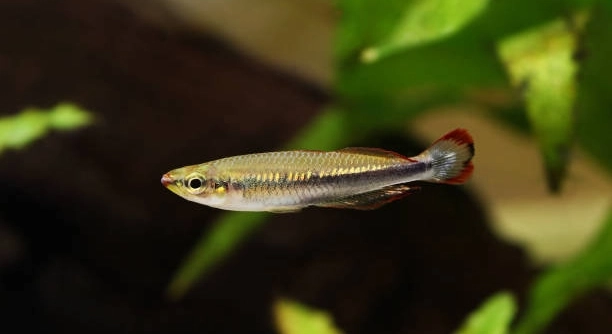
Many aquarium keepers notice their rainbowfish slowing down at times, which can feel confusing or even a little worrying. Seeing gentle stillness in an active fish may prompt you to look closer at its patterns.
Resting behavior in rainbowfish is typically identified by reduced movement, stable hovering, and calm positioning near plants or open water areas. These patterns indicate normal physiological pauses rather than illness, providing a framework for distinguishing natural rest from problematic inactivity.
Learning how your rainbowfish expresses calm moments helps build confidence in its care, creating a understanding of its peaceful rhythms.
Recognizing Normal Resting Behavior
Rainbowfish often follow a steady rhythm that includes brief moments of calm, and understanding these pauses can help you feel more comfortable with their behavior. When rainbowfish rest, they usually hover in place with soft, controlled movements that show they are simply taking a break. Their colors may appear slightly subdued during these moments, but they still maintain a healthy sheen that reflects balanced energy. Resting can happen early in the morning, late in the evening, or after periods of active swimming, and each pause supports their overall well being. Observing these details helps you notice natural patterns that do not signal trouble. Instead, they reveal how your fish manages its daily routine in a peaceful aquatic space. Paying attention to these subtle shifts allows you to respond calmly and understand the difference between normal rest and concerning signs. This awareness makes caring for your rainbowfish feel more reassuring and steady.
Quiet observation helps you understand when your rainbowfish is simply unwinding. Small pauses, gentle hovering, and relaxed posture are common behaviors that support normal rest. Watching these details gives you confidence in your fishs routine and helps you respond thoughtfully to its calm moments within the tank at every single day.
Understanding normal resting behavior gives you a stronger sense of balance when caring for your rainbowfish. Soft stillness often appears after active swimming or during calmer hours, showing how your fish regains energy. These pauses help stabilize its rhythm and keep it comfortable in its environment. By noticing these simple signs, you can separate healthy quiet moments from situations that need attention. This clarity supports better care and lets you respond with calm confidence. Over time, you will become more familiar with the gentle ways your rainbowfish expresses its needs, allowing your tank to feel more peaceful and predictable overall.
Signs That Suggest Something Is Wrong
When resting behavior looks unusual, it can suggest your rainbowfish needs closer attention. Slanted posture, rapid breathing, faded color, or hiding more than usual may signal stress. Spotting these changes early helps you support healthier conditions and adjust the tank setup before issues escalate in a steady and gentle way.
Noticing signs that fall outside regular resting patterns can guide you toward more effective care for your rainbowfish. When a fish holds its fins tightly, remains tilted, or stays at the surface for long stretches, these details often indicate discomfort that should not be ignored. Changes in breathing speed, such as faster gill movement, can reflect irritation from poor water quality or rising ammonia. A sudden drop in color may also point to stress connected to environmental imbalance or illness. These shifts are meaningful because rainbowfish usually maintain alert posture even when resting, so strong deviations deserve thoughtful attention. Examining the tank closely can help you find the source of the problem, including temperature swings, excess waste, or territorial pressure from tank mates. Gentle adjustments to lighting, filtration, or stocking levels can create a calmer setting that supports recovery. When these steps do not improve behavior, seeking guidance from an aquatic specialist can be helpful. Early action increases the chance of restoring comfort and stability, and it helps your rainbowfish settle back into its familiar routine. With consistent observation and small improvements, you can maintain surroundings that encourage steady health and relaxed behavior over time.
Environmental Factors That Influence Resting
Light levels, temperature, and water quality all shape how comfortably your rainbowfish settles during quiet moments. Small shifts in these conditions can affect its posture, movement, and overall calmness, making it important to keep the tank stable and predictable throughout the day.
Stable lighting helps prevent restlessness, since sudden brightness can interrupt natural pauses your rainbowfish depends on. A consistent temperature within its preferred range keeps its activity steady and reduces unnecessary stress. Good water quality supports easier breathing and promotes smoother transitions between active swimming and gentle resting. When these elements stay balanced, your fish can settle comfortably. Maintaining filters, avoiding abrupt changes, and keeping the tank free of excess waste create surroundings that encourage calm behavior. These simple adjustments help your rainbowfish regain energy in a predictable space.
Environmental shifts can quickly impact your rainbowfishs comfort. High ammonia, fluctuating temperature, or harsh lighting can disrupt rest and force the fish into stressful positions. Calm, steady conditions encourage smoother movement and natural stillness. By watching how your tank responds to feeding, cleaning, and daily routines, you can fine tune the environment to support stable resting patterns. Clean water and gentle lighting go a long way in helping your rainbowfish relax and restore its energy.
How to Support Healthy Resting Habits
Providing a calm setting helps your rainbowfish relax more easily. Soft plants, open swimming areas, and gentle lighting support natural rest and prevent unnecessary stress that could interrupt normal behavior. A predictable routine also gives your fish a steady foundation for daily comfort.
Creating a peaceful tank layout encourages healthy rest by giving your rainbowfish places to settle without feeling crowded. Plants offer gentle cover while leaving enough open space for smooth swimming, which helps maintain balanced energy throughout the day. Managing feeding schedules prevents overeating and reduces waste buildup, supporting cleaner water and easier breathing. Keeping filtration steady ensures the tank stays clear and reduces irritation that could disturb rest. Regular maintenance helps your rainbowfish stay comfortable, while careful monitoring of color, posture, and movement lets you recognize early signs of discomfort. With these simple steps, your fish can enjoy a calm environment that supports natural, restorative moments.
Common Mistakes That Affect Resting
Overfeeding can create cloudy water and raise stress, making it harder for your rainbowfish to settle. Uneven lighting or frequent changes to the tank layout can also disrupt its comfort and lead to restless behavior that feels inconsistent or unusual during calmer hours.
Poor maintenance can quickly disturb your rainbowfishs natural balance. Ignoring filter care, skipping water tests, or allowing waste to build up can reduce oxygen levels and interrupt gentle pauses. Small mistakes like these may seem minor but often shift how confidently your fish rests in its space.
When Rest Turns Into a Warning
Noticing abrupt changes in posture, fading color, or difficulty maintaining balance can signal a deeper issue requiring attention. When your rainbowfish avoids normal swimming routes or isolates itself for long periods, these signs suggest that immediate adjustments or gentle investigation are needed to restore comfort and stability.
Tips for Encouraging Calm Behavior
Soft lighting, predictable feeding, and clean water help your rainbowfish settle into peaceful pauses more easily. Gentle surroundings give it space to breathe comfortably and rest without stress. Small adjustments like quieter movement around the tank can also support smoother, calmer behavior.
FAQ
How long do rainbowfish usually rest?
Rainbowfish typically rest in short periods throughout the day, often a few minutes to half an hour at a time. Their resting patterns are not continuous, and they may pause more frequently during low-light conditions or after intense swimming sessions. Watching these pauses helps you recognize their normal rhythm.
Is it normal for rainbowfish to hover in one spot?
Yes, hovering in a stationary position is a standard resting behavior. During these moments, your rainbowfish may stay near plants, decorations, or open water. They keep gentle movements of their fins to maintain balance, showing that this is a calm, natural pause rather than illness.
Can resting behavior be affected by tank mates?
Absolutely. Aggressive or overly active tank mates can disturb rainbowfish, reducing the quality of their rest. Providing sufficient space and hiding spots allows your fish to settle comfortably. Observing interactions can help you decide if tank adjustments are necessary for calmer resting periods.
How does water quality impact resting?
Poor water quality can stress rainbowfish and disrupt normal resting behavior. High ammonia, nitrite, or nitrate levels may make the fish restless, reduce their color, and cause them to hover near the surface or bottom. Regular testing and water changes ensure peaceful resting conditions.
Do rainbowfish change color while resting?
Yes, it is normal for their colors to appear slightly muted during rest. This subtle change indicates reduced activity and energy conservation. Brightness usually returns when they become active again, so slight color shifts are part of healthy, natural behavior.
Should I be concerned if my rainbowfish rests more than usual?
Occasional longer rest is often normal, especially after active periods or changes in light. However, consistent inactivity, faded color, or unusual posture can signal stress or illness. Monitoring their behavior and tank conditions closely helps determine if intervention is needed.
Can feeding schedules affect resting patterns?
Yes, irregular feeding can impact energy levels and rest. Overfeeding may make your rainbowfish lethargic or uncomfortable, while underfeeding can increase activity and restlessness. A steady, moderate feeding schedule supports predictable resting behavior and overall health.
Do rainbowfish rest at night or during the day?
Rainbowfish are diurnal, so they rest mostly during low-light periods, such as early morning, late evening, or dim conditions during the day. They maintain short bursts of activity between these pauses, reflecting a natural pattern that balances energy and calm periods.
How do I know if resting is normal or a sign of illness?
Normal resting involves subtle movements, calm posture, and mild color change. Signs of potential issues include difficulty balancing, staying in one corner too long, faded or patchy coloration, rapid gill movement, or unusual hiding. Observing these patterns alongside tank conditions helps differentiate normal rest from stress.
Can tank environment improvements encourage better resting?
Yes, optimizing light levels, temperature, and layout supports smoother resting behavior. Gentle lighting, stable temperature, clean water, and adequate swimming space create a comfortable environment. Soft plants and quiet areas provide natural resting spots, helping your rainbowfish maintain regular, healthy pauses.
Is it okay for rainbowfish to rest in groups?
Often, rainbowfish rest near each other without conflict. Group resting can provide security, reduce stress, and encourage natural behavior. However, if one fish consistently avoids the group or appears unsettled, reviewing tank conditions and space may improve comfort for all.
How often should I observe resting behavior?
Daily observation is ideal. Short, consistent checks allow you to notice normal patterns, subtle color changes, or early signs of stress. Keeping track of these behaviors makes it easier to identify problems early and maintain a calm, healthy tank environment.
Can changes in temperature affect resting?
Yes, rainbowfish are sensitive to temperature shifts. Too cold or too warm water can increase stress, disrupt normal pauses, or even cause lethargy. Keeping the temperature within the recommended range for your species helps maintain predictable resting habits and overall vitality.
Are resting spots important in the tank?
Definitely. Plants, decorations, or open spaces give rainbowfish options to rest safely. Without these spots, they may hover anxiously or hide excessively. Arranging the tank to offer both cover and swimming areas ensures comfort and encourages natural resting behavior.
Do rainbowfish sleep like other animals?
Rainbowfish do not sleep in the same way mammals do, but they have restful periods that serve a similar purpose. During these pauses, they reduce activity and conserve energy. Observing these patterns helps you understand their natural rhythms and care needs.
Can frequent disturbances affect long-term health?
Yes, repeated interruptions during rest can lead to stress, reduced immunity, and poor color. Limiting sudden movements near the tank, loud noises, or changes in lighting supports consistent, healthy resting periods that contribute to overall wellbeing.
Is it necessary to track resting patterns?
Tracking behavior can be very helpful, especially for new owners or when changes in health are suspected. Noting resting times, locations, and duration provides valuable insight into their comfort, helping you detect subtle issues before they escalate.
How do I encourage rainbowfish to rest naturally?
Maintaining clean water, a balanced diet, gentle lighting, and a stable routine encourages natural pauses. Providing plants or safe open areas lets them settle comfortably. Minimizing sudden disturbances helps your rainbowfish maintain calm, supporting normal energy cycles and peaceful behavior.
Can stress from moving or cleaning the tank impact resting?
Yes, rainbowfish are sensitive to changes. Frequent rearrangement, water changes, or handling can temporarily disrupt resting patterns. Allowing a calm recovery period after maintenance helps them regain comfort and resume normal pauses without long-term stress.
What are the most reliable signs of healthy resting?
Smooth hovering, gentle fin movement, stable posture, and mild color dimming are all positive indicators. Your rainbowfish should remain responsive to light changes or gentle tank observation while showing clear signs of calm and energy conservation during these periods.
Final Thoughts
Observing your rainbowfish’s resting behavior can make caring for them feel much more straightforward. These fish have natural pauses that are essential for their health and energy levels. Noticing when they hover calmly, stay near plants, or gently move their fins helps you understand their normal daily rhythm. By paying attention to these small details, you can separate normal rest from signs of stress or illness. Over time, learning these patterns builds confidence in how you manage the tank and respond to your fish’s needs. Regular observation also helps you notice subtle changes, like slight color dimming or shifts in posture, which are often the first indicators of stress or discomfort. Knowing what is typical for your rainbowfish gives you a better sense of their comfort and allows you to make small adjustments to maintain a stable, calm environment.
Maintaining good water quality, stable lighting, and appropriate temperature plays a large role in supporting healthy resting behavior. Clean water reduces stress on your fish and prevents common issues like rapid breathing or lethargy. Balanced lighting helps them recognize day and night cycles, encouraging natural pauses throughout the day. Temperature fluctuations can disrupt energy levels, making it harder for rainbowfish to rest properly. Providing plants, open swimming space, and gentle decorations also contributes to a peaceful tank. These features give your fish areas to feel secure while resting, while still allowing freedom of movement. A steady feeding routine ensures that your rainbowfish has energy when it needs it and can settle comfortably after activity. By combining environmental stability with careful observation, you create a space where your rainbowfish can maintain normal resting habits without unnecessary stress or disruption.
Understanding your rainbowfish’s resting patterns also helps you recognize when something might be wrong. While occasional pauses may vary, prolonged inactivity, unusual hiding, faded color, or awkward posture can indicate stress or illness. Being aware of these signs allows you to act quickly and make adjustments, whether that means improving water quality, reorganizing the tank, or seeking advice from an aquatic specialist. Watching these behaviors daily provides reassurance and strengthens your ability to maintain a healthy tank. Supporting natural resting habits ensures that your rainbowfish stays active, vibrant, and comfortable in its environment. By focusing on observation, environmental stability, and thoughtful care, you help your rainbowfish thrive while enjoying a calm, balanced aquatic space.

Hello,
If you enjoy the content that we create, please consider saying a "Thank You!" by leaving a tip.
Every little bit helps us continue crafting quality advice that supports the health, happiness, and well-being of pets around the world, for pets of all shapes, sizes, and species.
We really appreciate the kindness and support that you show us!