
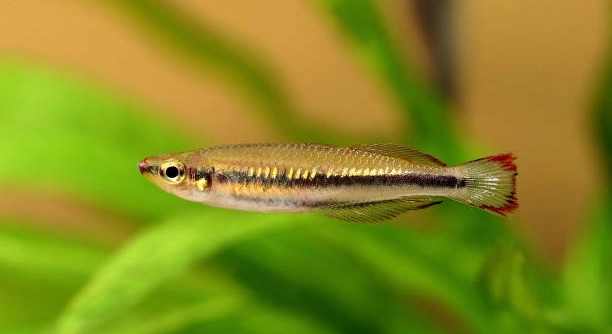
Rainbowfish are colorful and lively additions to any freshwater aquarium. Providing a comfortable and stimulating environment helps them thrive and display their natural beauty. Many aquarists overlook the impact of decorations on their health and behavior.
Incorporating natural decorations into a rainbowfish aquarium supports their well-being, reduces stress, and promotes natural behaviors. Plants, driftwood, rocks, and other organic elements create hiding spots, improve water quality, and mimic the fish’s native habitat, enhancing overall vitality.
Choosing the right decorations can transform a simple tank into a healthy, engaging home for rainbowfish while adding subtle visual appeal to the aquarium.
Live Plants
Live plants bring life and color to a rainbowfish tank while providing numerous benefits. They create natural hiding spots that reduce stress, help maintain water quality, and encourage natural swimming patterns. Species like Java fern, Anubias, and Amazon swords are hardy and adapt well to various aquarium conditions. Plants also offer surfaces for biofilm growth, which rainbowfish may nibble on occasionally. The roots and leaves stabilize the substrate and reduce algae growth by competing for nutrients. In addition, plants can soften water slightly and lower nitrate levels, contributing to a healthier environment. Their gentle swaying mimics natural water movement, offering visual stimulation and a more comfortable atmosphere. A well-planted aquarium can balance light, nutrients, and oxygen, supporting not just the rainbowfish but the overall ecosystem, including beneficial microorganisms. Setting up plants properly requires choosing the right substrate, adequate lighting, and occasional trimming to prevent overcrowding, but the benefits are significant and long-lasting.
Live plants are simple to care for with the right lighting and water conditions, enhancing both fish health and tank aesthetics.
Adding live plants allows rainbowfish to feel secure and exhibit natural behaviors. Their presence transforms a plain tank into a dynamic, interactive environment where fish can explore, hide, and thrive. Choosing the right species, placement, and maintenance routine ensures plants stay healthy and contribute positively to the aquarium ecosystem. Over time, the combination of live plants, open swimming areas, and natural hiding spots creates a balanced habitat that promotes vitality and longevity in rainbowfish.
Driftwood
Driftwood adds a natural, organic element to aquariums while offering shade and hiding places. It helps establish territories, which reduces aggression among rainbowfish.
Driftwood also releases tannins, slightly lowering pH and softening water, which aligns with the fish’s native conditions. It encourages natural foraging behavior and adds texture to the tank’s visual appeal. Selecting the right type of driftwood, such as Malaysian or Mopani wood, ensures durability and safety. Before adding it, soaking or boiling removes excess tannins and prevents water discoloration from affecting the initial clarity. Driftwood can be combined with plants and rocks to create complex layouts that mimic streams and rivers. Positioning wood pieces strategically provides vertical and horizontal hiding spots, allowing rainbowfish to feel secure while exploring. Regular maintenance prevents mold or algae accumulation on the wood surface. Integrating driftwood creates a more natural setting, enriching the tank environment and supporting rainbowfish health over time.
Smooth Rocks
Smooth rocks create natural boundaries and hiding spots for rainbowfish. They help define territories, reduce stress, and add texture to the aquarium without sharp edges that could harm the fish.
Arranging smooth rocks in clusters provides resting areas and places to explore. Rainbowfish often swim around or between rocks, which mimics their natural environment. Rocks can also anchor plants, giving roots stability and encouraging plant growth. Selecting different sizes and shapes allows for varied swimming patterns, encouraging activity. Cleaning rocks before placing them in the tank removes debris and prevents water contamination. Over time, algae may grow on the surface, which rainbowfish sometimes nibble on, providing minor supplementary nutrition. A rock layout should balance open swimming space with hiding areas to maintain both activity and security for the fish. Smooth rocks contribute to a natural, visually pleasing, and functional tank environment.
Proper placement ensures rainbowfish feel secure while swimming freely. Rocks also reduce boredom and encourage natural behavior patterns.
Smooth rocks enhance water flow patterns and create gentle currents, helping maintain oxygenation. Their presence can break up light and shadow in the aquarium, giving the fish varying environments to explore. When combined with plants and driftwood, rocks contribute to a layered habitat that stimulates rainbowfish activity. This layered setup promotes social behavior while providing safe retreats from dominant fish. Choosing rocks of neutral mineral content prevents water chemistry changes, keeping conditions stable. The tactile surface also encourages grazing, contributing to a more balanced and enriching tank environment.
Floating Plants
Floating plants offer shade and create calmer areas for rainbowfish. They reduce light intensity and give the fish a sense of security.
Floating plants help maintain water quality by absorbing excess nutrients and providing surfaces for beneficial bacteria. They also reduce surface algae growth by limiting direct light. Popular choices like duckweed, water lettuce, and frogbit are easy to maintain and reproduce quickly. Their roots hang in the water, offering shelter for fry and smaller fish, while giving rainbowfish areas to swim beneath. Floating plants also soften water slightly and buffer pH changes. They can be combined with submerged plants for a layered effect. Periodic trimming prevents overcrowding and ensures adequate swimming space. Overall, floating plants enhance both the ecological balance and visual appeal of the aquarium.
Leaf Litter
Leaf litter adds a natural touch to the aquarium while providing hiding spots and shelter for rainbowfish. It slowly decomposes, releasing beneficial tannins that slightly soften water and mimic conditions of their native rivers.
Leaves also create microhabitats for small invertebrates and biofilm, offering supplemental grazing opportunities. They can be combined with rocks and driftwood to create a layered, natural tank floor. Using leaves like Indian almond or oak ensures safety and beneficial water chemistry. Regularly replacing decayed leaves maintains water quality while keeping the environment stimulating. Leaf litter encourages exploration and reduces stress by giving fish areas to rest or retreat.
Caves and Hiding Spots
Caves provide essential shelter and territorial markers for rainbowfish. They reduce aggression, allow resting areas, and mimic natural crevices found in rivers and streams.
Rainbowfish use caves for retreat, social interaction, and spawning. Caves can be made from rocks, ceramic decorations, or driftwood. Properly sized and positioned caves ensure the fish can enter and exit easily. Multiple hiding spots prevent territorial disputes and allow shy individuals to feel secure. Combining caves with plants or leaf litter enhances their natural feel and improves overall tank aesthetics. Regular cleaning prevents buildup of debris or algae. Integrating caves encourages natural behaviors, reduces stress, and supports a balanced aquarium ecosystem.
Moss
Moss adds texture and a natural appearance to a rainbowfish tank while providing grazing surfaces. It grows on rocks, driftwood, and substrate.
Moss also enhances water quality by absorbing nutrients and offers small fish areas to hide.
FAQ
What are the best natural decorations for rainbowfish?
The most suitable natural decorations include live plants, driftwood, smooth rocks, floating plants, leaf litter, caves, and moss. Each provides hiding spaces, encourages natural behavior, and improves water quality. Choosing a mix of these elements creates a balanced environment that mimics rivers and streams.
How do live plants benefit rainbowfish?
Live plants reduce stress, offer shelter, and promote swimming activity. They improve water quality by absorbing nutrients and supporting beneficial bacteria. Plants also allow rainbowfish to graze on biofilm, creating a more natural feeding routine. Regular trimming and proper lighting keep plants healthy.
Can driftwood affect water conditions?
Yes, driftwood releases tannins that slightly lower pH and soften water. This can mimic the fish’s natural habitat. Soaking or boiling driftwood before placing it in the tank prevents excessive discoloration and removes impurities, ensuring a safe and stable environment.
Why are smooth rocks important in a tank?
Smooth rocks provide shelter, help establish territories, and reduce aggression. They also anchor plants, break up light and shadow, and create areas for grazing algae. Proper placement maintains open swimming areas while offering secure hiding spots.
Do floating plants benefit rainbowfish?
Floating plants offer shade, reduce light intensity, and create calmer areas. Their hanging roots provide cover for fry and small fish, while also absorbing excess nutrients. They help limit algae growth and enhance the tank’s visual and ecological balance.
What role does leaf litter play?
Leaf litter mimics the natural riverbed, providing shelter and slow nutrient release. It fosters microhabitats for invertebrates and biofilm, which rainbowfish may graze on. Replacing decayed leaves maintains water quality and keeps the habitat stimulating.
Are caves necessary for rainbowfish?
Caves provide hiding spaces, reduce stress, and act as territorial markers. They are essential for shy or subordinate fish and for breeding behavior. Multiple caves prevent conflicts and make the tank feel secure for all inhabitants.
How does moss help in an aquarium?
Moss creates texture and natural cover, growing on rocks, driftwood, and substrate. It provides grazing surfaces, absorbs nutrients, and offers small fish or fry places to hide. Moss contributes to both aesthetics and ecosystem balance.
How should decorations be maintained?
Regular cleaning is essential. Remove debris, trim plants, and replace decaying leaves. Check for algae buildup on rocks, moss, and driftwood. Proper maintenance ensures decorations continue to benefit the rainbowfish without negatively affecting water quality.
Can decorations improve fish behavior?
Yes, natural decorations encourage exploration, reduce stress, and stimulate natural behaviors like foraging, hiding, and territorial displays. A well-decorated tank improves social interactions and overall health, making rainbowfish more active and vibrant over time.
Is it safe to mix different decorations?
Mixing decorations is safe and recommended. Combining plants, rocks, driftwood, and leaf litter creates layers, hiding spots, and activity zones. The key is balancing open swimming space with covered areas to ensure all rainbowfish feel secure.
Do decorations affect water chemistry?
Certain decorations, like driftwood and leaf litter, slightly alter pH and hardness. Most live plants and rocks have minimal impact. Monitoring water parameters ensures changes remain within safe ranges, maintaining a stable and healthy environment.
Can decorations help during breeding?
Yes, caves, plants, and moss provide secure places for spawning and shelter for fry. Leaf litter and floating plants create areas for hiding and grazing, increasing survival rates for young fish. Proper setup encourages natural breeding behavior.
How often should decorations be checked?
Check decorations weekly for algae, decaying material, or displacement. Regular inspection prevents water quality issues and ensures hiding spots and surfaces remain effective. Timely maintenance supports a healthy and stimulating habitat.
Do decorations reduce stress in rainbowfish?
Natural decorations offer shelter, reduce light intensity, and break up open swimming areas. These features make rainbowfish feel secure, lowering stress levels and promoting natural behavior patterns, improving overall health and coloration.
Can decorations replace water treatment?
Decorations support water quality but cannot replace regular water changes, filtration, or proper chemical balance. They complement a healthy setup by providing physical and biological enrichment while maintaining a stable and natural habitat.
Final Thoughts
Creating a natural environment for rainbowfish is one of the most important steps in maintaining a healthy aquarium. By using decorations such as live plants, driftwood, smooth rocks, floating plants, leaf litter, caves, and moss, you can provide spaces that help the fish feel secure and comfortable. These elements not only improve the visual appeal of the tank but also support natural behaviors like hiding, exploring, and grazing. Rainbowfish are active and curious, and their wellbeing depends on having areas to retreat and swim freely. A simple tank with few decorations can leave them stressed or bored, while a well-planned, natural setup encourages activity and supports their overall health.
Natural decorations also contribute to water quality in ways that artificial items cannot. Live plants absorb excess nutrients, help control algae growth, and produce oxygen, which benefits all tank inhabitants. Driftwood and leaf litter release tannins that slightly soften the water and lower pH, creating conditions closer to the fish’s natural habitat. Rocks and moss provide surfaces for beneficial microorganisms, which support the aquarium’s ecosystem. When decorations are combined thoughtfully, they create a layered, dynamic environment where fish can interact with different elements. This not only reduces stress but also encourages natural behaviors that improve physical health and coloration. Maintaining decorations with regular cleaning, trimming, and replacement ensures they continue to benefit the rainbowfish and maintain a balanced, attractive tank.
Choosing decorations should be done with both aesthetics and functionality in mind. It is important to leave enough open swimming space while adding hiding spots and areas for exploration. Caves, plants, and leaf litter provide refuge for shy or juvenile fish, while smooth rocks and driftwood create visual interest and physical structure. Floating plants and moss add texture, shade, and grazing opportunities. Each element plays a specific role, and when used together, they create a stable and enriching environment. By paying attention to these details, you can ensure your rainbowfish not only survive but thrive, displaying vibrant colors and active, natural behaviors. A thoughtfully decorated tank enhances the enjoyment of keeping rainbowfish while supporting their long-term health and happiness.

Hello,
If you enjoy the content that we create, please consider saying a "Thank You!" by leaving a tip.
Every little bit helps us continue crafting quality advice that supports the health, happiness, and well-being of pets around the world, for pets of all shapes, sizes, and species.
We really appreciate the kindness and support that you show us!