
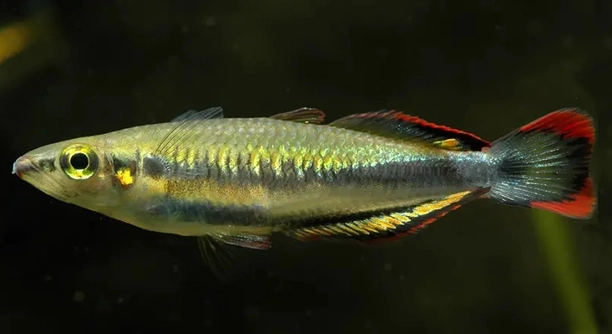
Taking care of rainbowfish can feel simple, yet keeping them healthy requires attention to small details in their tank. Observing their behavior and environment regularly helps prevent issues before they become serious concerns for your fish.
Maintaining rainbowfish health relies on consistent monitoring of water quality, diet, tank conditions, and physical behavior. Checking for changes in color, appetite, activity, and signs of disease ensures a stable environment that supports growth, immunity, and overall well-being.
Simple adjustments and regular checks can make a noticeable difference in their vitality. These practical steps will help maintain a lively and thriving rainbowfish community.
Check Water Temperature Regularly
Rainbowfish thrive in stable water temperatures between 74°F and 78°F. Sudden changes can stress them, weakening their immune system. I learned early on that even small fluctuations from heater malfunctions or room temperature swings can make fish more prone to illness. Using a reliable thermometer and adjusting heaters as needed keeps the tank consistent. Temperature consistency also helps maintain proper oxygen levels and encourages natural behavior, such as swimming actively and schooling together. Regularly monitoring the water helps prevent unnoticed problems.
Keeping the temperature steady improves rainbowfish activity and reduces stress, making them more vibrant and healthier overall.
Using a heater with a built-in thermostat is helpful. Place it away from direct water flow to avoid localized hot spots. Combine with a thermometer in the opposite side of the tank. Gradual temperature adjustments are safer than sudden changes. Observing fish behavior alongside readings ensures they are comfortable, active, and feeding well. Over time, this attention prevents many health issues caused by temperature swings, making tank maintenance easier and keeping rainbowfish thriving consistently.
Monitor Water Quality
Rainbowfish are sensitive to water conditions. Regular testing for ammonia, nitrites, and nitrates is crucial to prevent stress.
Ammonia and nitrite spikes can harm gills and reduce oxygen uptake, while high nitrate levels can lead to sluggishness or long-term health decline. Frequent water changes and using a quality filter help maintain safe chemical levels. Testing kits should be used weekly, especially in smaller tanks where changes happen quickly. Keeping water clean supports immune function and encourages bright coloration, active swimming, and natural feeding patterns.
In addition to chemical tests, monitoring pH and hardness is important. Rainbowfish prefer slightly alkaline water with a pH around 7.0 to 8.0. Soft water with moderate hardness keeps them comfortable. Removing uneaten food and debris reduces waste buildup, lowering toxins. A consistent cleaning routine and partial water changes every one to two weeks prevents sudden shifts. Healthy water also promotes beneficial bacteria growth, supporting the nitrogen cycle, which further stabilizes the environment. By keeping water quality steady, rainbowfish remain energetic, show natural colors, and develop strong resistance to common tank illnesses, creating a healthier aquarium overall.
Observe Feeding Habits
Rainbowfish need a balanced diet and regular feeding times. Uneaten food should be removed promptly to prevent water pollution and maintain proper nutrition for the fish.
Providing a variety of high-quality flakes, pellets, and occasional live or frozen foods ensures they receive essential nutrients. I noticed that my rainbowfish became more active and colorful when I included small amounts of brine shrimp and daphnia a few times a week. Overfeeding can lead to bloating and poor water quality, so portion control is important. Watching how they eat also helps detect early signs of illness, such as loss of appetite or unusual behavior during feeding times.
Feeding smaller amounts multiple times a day works better than one large meal. This keeps the fish energized and reduces leftover food in the tank. Consistency in feeding routines supports growth and natural activity levels.
Check Physical Appearance
Changes in scales, fins, or coloration can indicate health issues. Watch for dullness, fraying, or spots that weren’t there before.
Rainbowfish often show early signs of stress or disease through visible changes. Faded colors, clamped fins, or unusual lumps are signals that something may be wrong. I learned to compare each fish regularly to identify any subtle changes. Observing their appearance closely allows for quick action, such as adjusting water parameters, improving diet, or isolating sick individuals to prevent spread. Keeping notes on their coloration and body condition over time helps track health trends and catch problems early.
Physical maintenance also includes inspecting the tank for injuries caused by sharp decorations or aggressive tankmates. Ensuring the aquarium has smooth surfaces and hiding spots reduces accidental damage. Healthy rainbowfish maintain vibrant colors, smooth scales, and intact fins. Promptly treating any abnormalities supports recovery and prevents infections, while maintaining consistent care routines enhances their overall vitality and lifespan.
Maintain Proper Tank Size
Rainbowfish need enough space to swim freely. Overcrowding can cause stress, aggression, and poor growth, so plan tank size according to the number of fish.
A 30-gallon tank is usually the minimum for a small school. More space allows them to exhibit natural schooling behavior and reduces territorial disputes, keeping the group calmer and healthier.
Provide Hiding Spots
Including plants, rocks, or decorations gives rainbowfish places to hide. Hiding spots reduce stress and create a more natural environment for them.
Monitor Behavior
Active swimming, schooling, and regular interactions indicate healthy fish. Changes in movement or lethargy may signal illness or poor tank conditions. Watch for unusual patterns to address problems early.
Keep Lighting Consistent
Rainbowfish benefit from a consistent light schedule. About 10-12 hours of light daily supports natural rhythms and helps maintain vibrant colors.
FAQ
How often should I test my rainbowfish tank water?
Testing water weekly is ideal, especially for ammonia, nitrites, nitrates, pH, and hardness. I check my tank every seven days, which helps catch any sudden changes early. Small tanks may need more frequent checks because water chemistry can shift quickly. Using reliable test kits makes this task simple and consistent.
What is the best diet for rainbowfish?
Rainbowfish thrive on a mix of high-quality flakes, pellets, and occasional live or frozen foods like brine shrimp or daphnia. I noticed they become more vibrant and active when their diet is varied. Overfeeding is harmful, so small portions two to three times a day work best. Watching how they eat also reveals early signs of illness.
Can rainbowfish live with other species?
Yes, they generally get along with peaceful fish that share similar water preferences. I keep them with small tetras and rasboras without any issues. Avoid aggressive or much larger fish, as this can cause stress, fin damage, or bullying. Adding plenty of hiding spots reduces conflict and helps everyone feel secure.
How do I know if my rainbowfish is stressed?
Stress signs include clamped fins, faded colors, hiding more than usual, or reduced appetite. I always watch my fish during feeding and active periods to notice subtle changes. Stress can result from poor water quality, overcrowding, sudden temperature shifts, or aggressive tankmates. Addressing these quickly prevents disease.
How often should I perform water changes?
A partial water change of 20-30% every one to two weeks keeps water quality stable. I usually adjust based on tank size and fish load. Removing uneaten food and debris during changes also reduces toxins and keeps the environment safe. Consistent cleaning routines support healthy fish and beneficial bacteria in the tank.
What temperature is best for rainbowfish?
Rainbowfish prefer water between 74°F and 78°F. Sudden fluctuations can stress them and weaken immunity. I keep a thermometer in the tank and use a reliable heater. Gradual temperature changes are safer than abrupt adjustments, which helps maintain activity, feeding behavior, and natural coloration.
How do I treat common diseases?
Early detection is key. Fungal, bacterial, or parasitic infections often show as spots, frayed fins, or unusual swimming. I isolate affected fish in a separate tank and use appropriate treatments like medicated food or water additives. Maintaining excellent water quality helps prevent most health problems before they start.
Do rainbowfish need a specific light schedule?
Yes, they benefit from 10-12 hours of consistent light each day. I use a timer to maintain a regular schedule, which supports their natural rhythms and enhances coloration. Avoid direct sunlight to prevent algae growth and sudden temperature spikes in the tank.
How many rainbowfish should I keep together?
A small school of at least six fish is ideal. I find they are more active and show natural schooling behavior when kept in groups. Too few can make them shy, while overcrowding increases stress and water quality issues. Balance tank size with the number of fish.
Can I use decorations in the tank?
Yes, plants, rocks, and other hiding spots reduce stress and mimic their natural environment. I arrange decorations to allow open swimming areas while providing shelters. Smooth surfaces prevent injuries, and live plants can also help with water quality by absorbing excess nutrients.
How can I encourage vibrant colors in my rainbowfish?
A balanced diet, stable water conditions, and proper lighting enhance their coloration. I noticed brighter colors when the fish were fed varied foods and kept in clean, well-maintained tanks. Stress reduction through hiding spots and peaceful tankmates also contributes to their overall appearance and health.
Rainbowfish are lively and colorful additions to any aquarium, but keeping them healthy requires consistent attention and care. Observing their behavior, diet, and environment closely helps prevent many common health issues. Simple routines like checking water temperature, monitoring chemical levels, and maintaining proper lighting can make a significant difference in their overall well-being. When water conditions are stable, rainbowfish show natural swimming behavior, maintain vibrant colors, and stay active throughout the day. I’ve found that keeping track of small changes in their behavior or appearance allows problems to be addressed early, which often prevents more serious complications. Even minor stressors, such as sudden temperature fluctuations or overcrowding, can affect their immune system, so proactive measures are essential.
Feeding habits also play a critical role in rainbowfish health. A balanced diet that includes high-quality flakes, pellets, and occasional live or frozen foods ensures they receive necessary nutrients. Overfeeding, however, can lead to poor water quality and digestive issues. I make it a point to feed smaller portions multiple times a day rather than one large meal. This approach helps prevent leftover food from contaminating the tank while keeping the fish energized and active. Watching their eating patterns can also provide insight into their health. A sudden loss of appetite or changes in feeding behavior may indicate underlying issues that require immediate attention. Regular observation, combined with proper diet and feeding routines, keeps rainbowfish healthy and helps maintain a thriving, balanced aquarium environment.
Maintaining a healthy environment involves more than just feeding and temperature control. Providing hiding spots and decorations reduces stress and gives fish places to retreat, promoting natural behavior. Regular partial water changes and consistent testing of ammonia, nitrites, nitrates, pH, and hardness ensure chemical stability, which is crucial for their immune system. I’ve noticed that rainbowfish kept in well-maintained tanks with sufficient space and a peaceful setup are less prone to illness and display brighter coloration. Paying attention to both their physical appearance and behavior helps catch potential problems early. By combining proper diet, clean water, consistent lighting, and careful observation, rainbowfish can thrive for years. A thoughtful approach to care allows them to remain vibrant, active, and healthy, making the experience of keeping them both rewarding and enjoyable.

Hello,
If you enjoy the content that we create, please consider saying a "Thank You!" by leaving a tip.
Every little bit helps us continue crafting quality advice that supports the health, happiness, and well-being of pets around the world, for pets of all shapes, sizes, and species.
We really appreciate the kindness and support that you show us!