
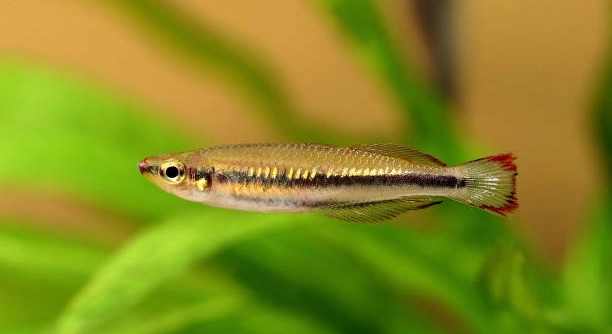
Are your rainbowfish beginning to lose some of their usual brightness? Watching their colors fade can be a bit unsettling. Learning what influences these changes helps you care for them while keeping their beauty shining.
Faded color in rainbowfish is usually caused by stress, poor water quality, inadequate diet, aging, incompatible tankmates, illness, or sudden environmental changes. These factors disrupt their natural pigmentation, leading to duller tones that signal underlying issues requiring attention and husbandry.
These causes often connect in ways, guiding you toward a clearer understanding of how small adjustments can restore their color.
Stress and Environmental Changes
Stress is one of the most common reasons rainbowfish lose their bright colors, and it often shows up faster than many people expect. When their environment shifts too quickly, they react by reducing their pigmentation as a protective response. This can happen after a big water change, sudden movement around the tank, or any change that disrupts their routine. If they feel unsafe or unsettled, their appearance reflects that tension. Keeping a stable setting helps them stay comfortable. Once they settle back into normal patterns, their color usually rebounds. Watching their behavior closely allows you to spot issues early and respond with gentle adjustments. Maintaining predictable lighting and avoiding loud disturbances supports their sense of security. Consistent routines give them space to relax without sudden surprises. Over time, these steady habits strengthen their overall well being, giving their bodies the conditions needed to display richer hues again once stress fades.
Reducing stress comes down to creating a calm environment that stays steady each day. When rainbowfish are given predictable lighting, gentle surroundings, and stable water, they maintain stronger coloration. These simple habits create a peaceful space that encourages healthier behavior and restores their natural brightness over time as they adjust.
Small stressors often combine, so paying attention to everyday conditions helps keep their color from fading again. Gentle handling during tank maintenance and avoiding sudden activity near the glass make a noticeable difference. Stable water parameters also play a major role in keeping them calm. When their surroundings remain predictable, their bodies are better able to support healthy pigmentation. This kind of consistency helps them show fuller color while avoiding unnecessary strain. With time, they grow more confident in their space, and their natural brightness becomes easier to maintain across daily routines and seasonal changes that come with normal care.
Poor Water Quality and Diet
Poor water quality can dull rainbowfish color quickly, especially when ammonia or nitrite levels rise. When conditions decline, their bodies shift energy toward basic survival rather than pigmentation. Clean water, regular testing, and steady upkeep allow them to regain brighter tones while reducing unnecessary stress over time in their environment.
Water quality and diet work together in shaping how vibrant rainbowfish appear, so keeping both in balance is essential. When waste builds up, oxygen levels shift or temperature fluctuates, their bodies react quickly by reducing color output. Frequent partial water changes and routine filter care help keep their surroundings steady enough for healthy pigment development. Diet plays a major part as well. Rainbowfish need a mix of high quality flakes, small live foods, and nutrient rich frozen options to support strong coloration. Feeding the same food every day can leave them lacking key nutrients that influence tone and shine. Offering varied meals throughout the week keeps them energized while supporting their natural hues. It also helps ensure they receive vitamins that promote cell health. When these nutritional needs are met, their colors become deeper and more stable across changing conditions. Consistent feeding habits and clean water give them the structure they need to thrive. Over time, these efforts create a healthier tank where rainbowfish grow more comfortable, display livelier patterns, and maintain bright tones that reflect steady care. These steady practices support long term wellness for every fish in the tank and help their colors remain vivid through regular routines.
Incompatible Tankmates
Incompatible tankmates can cause rainbowfish to lose color, especially when they feel chased or overshadowed by more aggressive species. Constant tension keeps them from settling, and their bodies respond by dulling their pigmentation as they try to cope with ongoing discomfort in the tank.
Some fish create a stressful atmosphere simply by being too active or territorial, even if they do not physically harm rainbowfish. When this happens, rainbowfish spend more time avoiding conflict than displaying their natural behavior. They may hide more often, eat less, and gradually lose vibrancy. Separating them from pushy species or rearranging the tank to break up visual lines can help reduce tension. Choosing peaceful companions that match their temperament keeps the tank calm and prevents color loss. Once the pressure eases, their bodies gradually shift back toward better pigmentation, especially when water quality and diet are also kept consistent.
Careful stocking choices matter because rainbowfish thrive in peaceful environments with predictable behavior patterns. Keeping them with other calm midlevel swimmers reduces unnecessary conflict, allowing them to interact naturally. Their color improves when their routines remain uninterrupted by territorial displays or excessive chasing. Monitoring group dynamics, especially after adding new fish, helps you catch early signs of distress before color begins to fade. A well balanced selection of tankmates gives them the security they need to maintain strong, steady hues without constant tension shaping their behavior.
Illness and Parasites
Illness and parasites can quickly lead to fading color in rainbowfish, since their bodies shift energy toward fighting infection instead of maintaining pigmentation. Symptoms like clamped fins, lethargy, or reduced appetite often appear alongside dulling tones when something internal begins affecting their overall health.
Bacterial infections, fungal issues, and external parasites each impact the body in different ways, yet all contribute to weakened coloration. Treating the underlying problem is essential. Clean water, proper medication, and supportive feeding habits help the fish recover more easily. Early detection makes a major difference, so observing small changes in movement, appetite, or posture can help you react before conditions worsen. When the illness is addressed quickly, rainbowfish often regain energy and return to brighter tones as their system stabilizes. Slow improvements in color usually follow after their appetite returns, their fins relax, and they begin interacting more confidently with their surroundings again.
Aging
Aging can naturally fade rainbowfish color as their bodies slow down and pigment production decreases. Older fish often show softer tones even in ideal conditions. This shift is normal, and gentle care helps them stay comfortable as their appearance changes with time.
Maintaining stable water quality and a nutrient rich diet supports aging rainbowfish by giving them the energy they need to stay active. While their color may never return to youthful brightness, they remain healthy when kept in calm, well maintained surroundings that reduce unnecessary stress.
Genetic Factors
Some rainbowfish naturally have lighter coloration due to their genetic background. Even with perfect water quality, a strong diet, and peaceful tankmates, their color will only develop to the level their genetics allow. Understanding this helps set realistic expectations while still supporting their overall health and comfort.
Lighting Conditions
Lighting that is too dim or too bright can cause rainbowfish to lose vibrancy over time. Balanced lighting helps them maintain a healthy routine and supports their natural pigmentation without causing strain or encouraging them to hide.
FAQ
Why are my rainbowfish losing their color even though the water looks clean?
Color can fade even when the water appears clear because invisible factors like ammonia, nitrite, or fluctuating pH still affect their health. Rainbowfish rely on stable water chemistry, not just clear water, to maintain strong pigmentation. When levels shift, their bodies react by reducing color so they can use more energy on basic survival. Regular testing helps you catch small changes before they affect your fish. Stable temperature and consistent maintenance give them what they need to stay vibrant. Even small improvements in water quality can help them regain brightness over time once their bodies feel supported again.
Can poor diet cause rainbowfish to look pale?
A limited or low quality diet often leads to faded color because rainbowfish need a wide range of nutrients to support pigment production. Foods lacking in vitamins, minerals, or natural color enhancers make it harder for them to maintain deep hues. Adding high quality flakes, live foods, and varied frozen options encourages healthier coloration. Rotating between different types of food throughout the week gives their bodies more balanced nourishment. Over time, this variety strengthens their energy levels, supports cell health, and encourages brighter tones. A good diet makes a noticeable difference when paired with clean water and stable conditions.
Do rainbowfish lose color when stressed?
Stress reduces their color quickly because their bodies shift into protective mode. This can happen from sudden movements around the tank, loud noises, or changes in routine. Even minor disruptions like a fast water change or rearranging decorations can unsettle them. When they feel unsafe, their pigmentation begins to fade as their system reacts. Calm surroundings and predictable daily patterns help them settle. Once their stress levels drop, color often returns naturally. Being gentle during tank maintenance and avoiding abrupt changes keeps them comfortable enough to maintain their brightness.
Can tankmates affect rainbowfish color?
Yes, tankmates have a strong influence. Aggressive or overly active fish can make rainbowfish feel threatened, causing them to hide more often and lose their natural vibrancy. Even if no physical harm occurs, constant movement or territorial behavior creates tension. Choosing peaceful companions helps them swim confidently without trying to avoid conflict. When the tank is calm, they display their full colors more consistently. Monitoring interactions after adding new fish helps you catch early signs of stress before color begins fading again.
Is fading color always a sign of illness?
Not always, but illness is one of the common causes. Fading often appears alongside symptoms like lethargy, clamped fins, or loss of appetite. When their bodies fight infection or parasites, they use energy that would normally support their pigmentation. Early treatment gives them a better chance to recover quickly. Clean water, proper medication, and a supportive diet make a noticeable difference during recovery. When the illness begins to resolve, their color usually returns gradually as their energy increases and their activity level improves.
Do rainbowfish lose color as they age?
Aging naturally softens their tones. Older rainbowfish often show milder colors even when kept in perfect conditions. Their pigment cells simply slow down with time. Although you cannot reverse aging, you can help them stay comfortable by keeping their environment stable and offering a nutrient rich diet. Their color may not return to youthful intensity, but they remain healthy and active when cared for gently.
Can lighting affect rainbowfish color?
Lighting influences their daily rhythm and pigmentation. Light that is too dim can make them appear washed out, while overly bright light can cause stress that leads to fading. A balanced lighting schedule keeps them comfortable and supports natural color development. Using consistent lighting hours each day helps them maintain a steady routine that encourages stronger hues. Adjusting the brightness gradually instead of making sudden changes keeps them from reacting with unnecessary stress.
Are genetics responsible for some rainbowfish staying lighter than others?
Genetics play a big part in how vibrant each rainbowfish can become. Some naturally develop softer colors regardless of care, water quality, or diet. Understanding their genetic limits helps set realistic expectations. Good upkeep still brings out their best possible tones, even if they stay lighter compared to others in the tank.
Can sudden temperature changes cause fading?
Yes, temperature swings create stress that leads to quick color loss. Rainbowfish rely on stable warmth to stay healthy. Sudden drops or spikes impact breathing, metabolism, and pigment maintenance. Keeping the heater reliable and avoiding drastic temperature shifts during water changes helps preserve their natural brightness.
Final Thoughts
Caring for rainbowfish becomes much easier once you understand the many reasons their color can fade and how each factor connects to their overall well being. Their appearance often reflects what is happening in their environment, so watching their behavior and color changes helps you respond before small issues grow larger. When you pay attention to the details of their care, everything becomes more predictable. Stable water, balanced lighting, calm surroundings, and a varied diet all work together to support their health. Once these needs are met, their colors grow stronger and more consistent, giving you a clearer idea of how comfortable they feel in their space. Even though some causes of fading are unavoidable, like aging or genetic traits, gentle and steady care still helps them stay active and content. Seeing their tones deepen again after making small adjustments can be reassuring, showing you that your attention has made a real difference in their daily comfort.
Many people assume faded color is always caused by illness, but rainbowfish react to many subtle changes long before more serious problems appear. Even minor stress, shifting tank dynamics, or minor lapses in water quality can lead to duller tones without any other obvious signs. This is why observing them closely matters. When you watch how they interact with tankmates, how they move, or how much they eat, you get a better picture of what they need. You might notice they hide more often, seek out quiet corners, or lose interest in food. These are small signals that something in their routine might need improvement. Addressing these signals early often prevents larger complications. Rainbowfish flourish in steady environments, so keeping everything calm and predictable supports them more than anything else. With regular maintenance and thoughtful stocking choices, you create a setting that lets them feel safe. Over time, this sense of security allows their bodies to invest more energy into natural pigmentation. This is when their real beauty becomes easier to see again.
The most helpful thing you can do is remain patient with them while staying consistent in your care habits. Color changes rarely resolve overnight, but progress becomes clearer when you build a stable routine and stick to it. Rainbowfish respond well to gentle handling, clean surroundings, and varied nutrition, and these simple habits shape how vibrant they look long term. When you understand that their color reflects both their physical and emotional comfort, it becomes easier to support them with confidence. Giving them predictable days, peaceful companions, and steady conditions helps them thrive through every stage of life. Their brightness is not just a visual feature but a sign of balance in their environment. As you continue caring for them with attention and steadiness, their color grows into a natural expression of their health, making the experience of keeping them feel even more rewarding over time.

Hello,
If you enjoy the content that we create, please consider saying a "Thank You!" by leaving a tip.
Every little bit helps us continue crafting quality advice that supports the health, happiness, and well-being of pets around the world, for pets of all shapes, sizes, and species.
We really appreciate the kindness and support that you show us!