
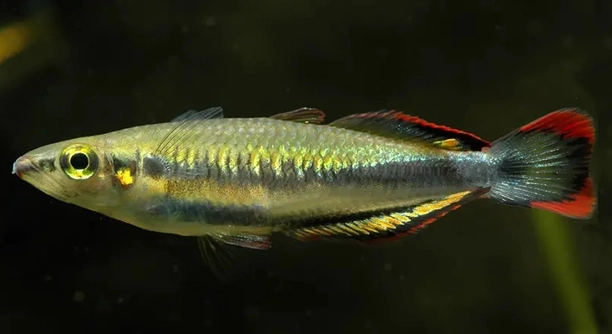
Rainbowfish are vibrant and graceful additions to any home aquarium, bringing color and movement that can brighten a tank. Observing their natural swimming patterns is usually relaxing and enjoyable for aquarium enthusiasts.
Swimming sideways in rainbowfish is often a sign of swim bladder disorder, which affects their buoyancy and balance. Causes can include overfeeding, bacterial infections, poor water quality, or physical injury, all of which disrupt normal swimming behavior and overall health.
Identifying the cause early helps restore their balance and ensures your rainbowfish continues to thrive in a healthy, stable environment.
Common Causes of Sideways Swimming
Seeing your rainbowfish swim sideways can be alarming, but there are several clear reasons this happens. Overfeeding is a frequent issue, causing the swim bladder to become overfilled and affecting balance. Uneaten food decomposes quickly, leading to poor water quality, which stresses fish and worsens swimming problems. Bacterial or parasitic infections can also damage internal organs, including the swim bladder, making it difficult for the fish to maintain normal posture. Physical injuries from collisions with decorations or tankmates can impact their ability to swim straight. Temperature fluctuations or sudden changes in water conditions may contribute, as rainbowfish are sensitive to their environment. Providing a stable, clean tank with proper feeding practices can reduce the likelihood of these problems. Observing your fish daily helps catch minor issues before they become serious. Early intervention often allows the rainbowfish to regain healthy swimming patterns naturally.
Keeping the tank clean and monitoring food intake can prevent most swim bladder issues from occurring in the first place.
Maintaining consistent water conditions and offering a balanced diet are essential. Avoid sudden temperature changes and overfeeding, and remove uneaten food promptly. If infection is suspected, quarantine and treat the affected fish. Regular observation will alert you to abnormal swimming early, allowing prompt action. Tank decorations should be arranged to minimize injury risks, and compatible tankmates reduce stress and aggression. By addressing these factors, your rainbowfish can recover and swim normally again, maintaining its bright colors and energy. Proper care, monitoring, and prompt attention to changes in behavior ensure a healthy, lively aquarium environment for your fish.
Swim Bladder Disorder and Treatments
Swim bladder disorder affects the fish’s buoyancy and posture, leading to sideways or upside-down swimming.
Treatment usually involves fasting for a short period to reduce bloating. Feeding peas or high-fiber foods can help regulate digestion. Maintaining pristine water conditions and a stable temperature supports recovery. In some cases, medications may be necessary for infections affecting internal organs.
Long-term care focuses on diet and environment. Avoid overfeeding and offer varied foods that are easy to digest. Keep water clean, with regular changes and proper filtration. Observe swimming behavior daily to detect subtle changes before they escalate. Quarantine new fish to prevent disease introduction. Ensuring decorations do not injure fish supports recovery. These steps help restore balance, allowing rainbowfish to swim normally again. Prevention through careful care reduces recurring issues, keeping your fish healthy and active.
Adjusting Diet and Feeding Habits
Overfeeding is one of the main reasons rainbowfish develop swim bladder issues. Small, measured portions given multiple times a day help prevent bloating. Avoid feeding food that expands too much in water, like dry flakes.
Providing a balanced diet improves digestion and reduces pressure on the swim bladder. Include high-quality pellets, occasional live or frozen foods, and fiber-rich vegetables like peas. Avoid sudden changes in diet, as rainbowfish are sensitive to new foods, which can trigger digestive upset. Consistent feeding times and quantities maintain digestive health, helping the fish maintain proper buoyancy.
Observing how your rainbowfish eats also gives clues about its health. Slow or irregular feeding may indicate illness or stress. Feeding the right amounts gradually supports a healthy swim bladder and overall well-being. Combining proper diet with clean water and a stable environment significantly reduces the risk of sideways swimming.
Maintaining Proper Water Conditions
Clean water is essential to keep rainbowfish healthy and prevent stress-related swimming issues. Regular water changes and proper filtration remove harmful toxins.
Water temperature, pH, and hardness should remain stable. Sudden changes can shock the fish and worsen swim bladder problems. Monitor ammonia, nitrite, and nitrate levels regularly, as even minor imbalances affect health. Adding live plants can improve oxygen levels and provide a natural environment. Avoid overcrowding, which increases waste and competition, stressing the fish. Consistent maintenance routines prevent long-term health issues and support natural behavior.
Providing a stable environment reduces stress and strengthens the immune system. When water conditions are ideal, rainbowfish digest food properly, swim naturally, and recover faster from minor health issues. Tanks with consistent filtration, regular cleaning, and monitored parameters create a safe habitat that minimizes swim bladder problems. Combining these practices with proper feeding ensures your rainbowfish remains active, colorful, and balanced in the aquarium.
Quarantine and Observation
New fish or those showing illness should be quarantined to prevent spreading disease. A separate tank allows careful observation and treatment without affecting other fish.
Watch for changes in swimming, appetite, and color. Early detection of issues in a controlled environment increases the chances of full recovery and prevents worsening of swim bladder problems.
Identifying Infections
Bacterial or parasitic infections can damage internal organs, including the swim bladder. Signs include clamped fins, sluggish swimming, or unusual spots. Proper diagnosis is essential to treat effectively, often requiring medications or isolation.
Tank Layout and Safety
Sharp decorations or overcrowded tanks can injure fish. Smooth surfaces and ample swimming space reduce accidents. Arranging the tank with safety in mind minimizes stress and promotes natural swimming behavior, supporting overall health.
Monitoring Progress
Keep track of feeding, swimming, and behavior changes. Regular observation helps identify ongoing problems or improvements, ensuring timely adjustments in care and environment.
FAQ
Why is my rainbowfish swimming sideways all of a sudden?
A sudden change in swimming behavior usually points to a swim bladder issue, stress, or a water quality problem. Overfeeding, sudden temperature shifts, or minor injuries can trigger this. Observing your fish closely and checking water parameters often helps identify the cause.
Can overfeeding really affect my rainbowfish’s swimming?
Yes, overfeeding is one of the most common causes of swim bladder problems. Uneaten food decomposes, creating toxins, while excess food in the stomach puts pressure on the swim bladder. Feeding small portions and removing leftover food reduces risks significantly.
What role does water quality play in sideways swimming?
Poor water quality stresses rainbowfish and can lead to infections or digestive issues that affect buoyancy. Maintaining stable temperature, pH, and ammonia, nitrite, and nitrate levels ensures your fish swims naturally and stays healthy.
How can I treat swim bladder disorder at home?
A simple approach is fasting the fish for a day or two to relieve bloating. Feeding peeled, cooked peas or fiber-rich foods can aid digestion. Clean water and a stable environment are essential. Infections may require medications. Always monitor behavior closely during treatment.
Should I separate sick fish from the main tank?
Yes, quarantining sick or new fish prevents disease spread and allows better observation and targeted treatment. A separate tank reduces stress on healthy fish and creates a controlled environment to support recovery.
Can injuries cause sideways swimming?
Physical injuries from collisions with tank decorations, aggressive tankmates, or accidental falls can impair swimming. Providing smooth surfaces, safe decorations, and compatible fish reduces injury risks and allows recovery without additional complications.
How long does it take for rainbowfish to recover?
Recovery depends on the cause. Mild digestive issues may improve in a few days, while bacterial infections or severe injuries can take weeks. Consistent care, proper feeding, and clean water speed up recovery and restore normal swimming.
Are certain foods better for preventing swim bladder problems?
Yes, high-quality pellets and flakes, occasional live or frozen foods, and fiber-rich vegetables like peas support digestion and maintain proper buoyancy. Avoid foods that expand too much or cause bloating. Gradual diet changes help prevent stress and digestive upset.
How can I monitor my rainbowfish effectively?
Daily observation is key. Watch swimming patterns, feeding behavior, and color changes. Note any irregular movements or sluggishness. Early detection allows timely adjustments in diet, water quality, or treatment to prevent serious health problems.
Does tank size affect swimming behavior?
Overcrowded tanks limit movement and increase stress, affecting digestion and swim bladder function. Providing adequate space, proper filtration, and smooth decorations ensures safe swimming and reduces risk of injury or stress-related issues.
Is it normal for rainbowfish to occasionally swim sideways?
Occasional, brief sideways movements can happen due to playful behavior or minor currents. Persistent or repeated sideways swimming usually signals health or environmental issues that need attention. Monitoring frequency and conditions helps distinguish between normal behavior and problems.
Can stress alone cause sideways swimming?
Yes, stress from sudden changes in water conditions, aggressive tankmates, or loud disturbances can affect balance and buoyancy. Reducing stress through stable water parameters, compatible fish, and safe tank arrangements supports normal swimming and overall health.
When should I seek professional help for sideways swimming?
If symptoms persist despite diet adjustments, clean water, and proper care, or if infection or injury is suspected, a veterinarian or experienced fish care professional should be consulted. Prompt intervention can prevent complications and improve recovery chances.
Are live plants beneficial for rainbowfish with swim bladder issues?
Live plants improve oxygen levels, provide natural hiding spaces, and reduce stress. They support a balanced environment, helping rainbowfish recover and maintain proper swimming behavior. Ensure plants do not have sharp edges that could cause injuries.
Can temperature fluctuations affect swim bladder function?
Yes, rainbowfish are sensitive to sudden changes in temperature. Fluctuations can stress fish, slow digestion, and worsen swim bladder problems. Maintain a stable, appropriate temperature to support digestion, buoyancy, and overall health.
Final Thoughts
Rainbowfish are sensitive creatures that rely on a stable environment, proper diet, and attentive care to stay healthy. Sideways swimming is usually a sign that something is off, most often related to the swim bladder, digestive issues, stress, or water conditions. Observing your fish regularly helps detect subtle changes in behavior before they become serious problems. Daily monitoring allows you to notice variations in swimming patterns, appetite, or coloration, which can indicate early signs of illness or environmental stress. Early intervention often makes recovery easier, whether it involves adjusting feeding habits, improving water quality, or isolating sick fish for treatment. Maintaining consistency in the tank’s environment is crucial, as rainbowfish respond poorly to sudden changes in temperature, pH, or water hardness. Even minor fluctuations can lead to stress, digestive disruption, and changes in buoyancy. Providing a clean and stable tank gives your rainbowfish the best chance to swim naturally and thrive over the long term.
Proper feeding is essential for preventing swim bladder issues. Overfeeding or offering foods that expand excessively in the stomach can cause bloating and imbalance. Small, measured portions throughout the day help maintain digestive health and reduce pressure on the swim bladder. Incorporating high-quality pellets, occasional live or frozen foods, and fiber-rich vegetables like peas supports proper digestion and overall well-being. Avoid sudden diet changes, as rainbowfish are sensitive and can develop digestive issues if introduced to new foods too quickly. Observing how your fish consumes food also provides insight into its health. Slow or irregular feeding may indicate digestive problems, stress, or illness. Combined with clean water and a stable environment, proper nutrition is one of the most effective ways to prevent sideways swimming and maintain healthy buoyancy. Paying attention to these details ensures that rainbowfish remain active, balanced, and visually vibrant in the aquarium.
Environmental management is equally important in supporting healthy swimming behavior. Clean water, proper filtration, and regular water changes remove harmful toxins and maintain consistent conditions that reduce stress and disease risk. Overcrowding should be avoided, as too many fish in a small space increases competition, stress, and the likelihood of injuries. Tank decorations should be smooth and positioned to prevent accidental collisions, allowing rainbowfish to swim freely without harm. Live plants provide oxygen, shelter, and a more natural environment, which helps reduce stress and encourages normal behavior. Quarantining new or sick fish prevents the spread of disease and allows focused care. Observing swimming patterns, appetite, and overall activity on a daily basis helps detect problems early. By combining careful feeding, consistent water management, and attention to behavior, you can ensure your rainbowfish remains healthy, balanced, and a vibrant presence in your aquarium.

Hello,
If you enjoy the content that we create, please consider saying a "Thank You!" by leaving a tip.
Every little bit helps us continue crafting quality advice that supports the health, happiness, and well-being of pets around the world, for pets of all shapes, sizes, and species.
We really appreciate the kindness and support that you show us!