
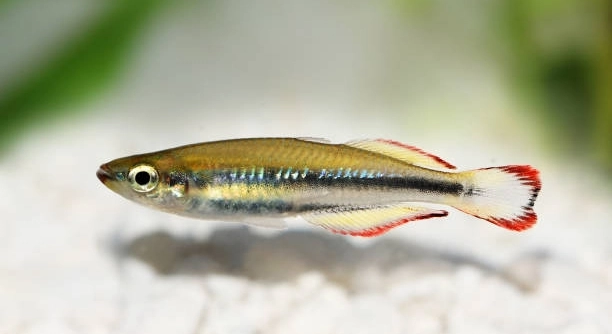
Have you ever noticed the gentle way rainbowfish move through their tank and wondered what influences their interactions with one another as they swim in shimmering groups across their peaceful aquatic world each day together?
Rainbowfish display social preferences shaped by familiarity and species composition. They frequently associate with known shoal mates, creating cohesive groups that improve safety and communication. These patterns promote efficient foraging and help maintain balanced social structures in varied aquatic settings.
These social patterns highlight key aspects of rainbowfish behavior, revealing how their interactions shape daily life within their shared habitat.
Understanding Rainbowfish Social Behavior
Observing rainbowfish interact can feel calming, especially when you notice how naturally they organize themselves in shared spaces. Their behavior often reflects a blend of instinct and learned comfort, creating subtle patterns that can be easy to miss if you are not paying attention. They respond to movement, color, and familiar signals, shaping the way they position themselves around others. As they settle into their environment, their choices begin to make more sense, revealing the quiet structure behind their constant motion. Watching these patterns offers a closer look at how they maintain harmony, even when activity seems random. Each decision they make in the group contributes to the smooth rhythm you see. Over time, these habits form a predictable flow that helps them stay connected and aware. You may find comfort in seeing how naturally they coordinate their movements, keeping the group steady as they move together in each moment.
These interactions highlight how rainbowfish rely on small cues to stay aligned with those around them. Their choices often reflect comfort and recognition, giving their groups a steady structure that feels natural and calm even during active moments as they adjust gently to every shift in their surroundings around them.
Noticing how rainbowfish shape their interactions can make caring for them feel more meaningful. Their groups depend on clear visual cues, steady patterns, and familiar companions, which help maintain a smooth balance in their shared space. When they feel comfortable, their movements appear more fluid, making the entire tank feel settled. Their tendency to stay near familiar individuals also supports their sense of stability, especially in varied setups. By understanding these behaviors, you can better appreciate the subtle ways they maintain order. This awareness can guide simple adjustments that keep them calm and connected in their everyday routines.
Factors That Influence Their Group Choices
Rainbowfish tend to choose companions based on recognition, color signals, and shared activity levels. These elements help them feel safe and coordinated, supporting natural groupings that stay stable even if the environment changes around them.
Multiple influences shape the way rainbowfish form and maintain their groups, and recognizing these can make their behavior easier to understand. Familiarity is one of the strongest factors, since they naturally gravitate toward individuals they have seen before. This sense of recognition helps reduce stress and keeps the group moving comfortably. Color plays a significant role too, because rainbowfish respond to visual contrast and brightness when deciding who to follow. Matching shades or complementary tones can subtly guide their choices, making their groups appear more synchronized. Activity level also affects how they gather, since fish with similar energy often stay near one another. This helps keep the group coordinated and prevents unnecessary tension. Environmental structure influences their preferences as well, because plants, open areas, and hiding spots can encourage them to group in specific locations. By noticing these factors, you can better support their natural tendencies, helping them remain balanced and connected within their shared space.
How Familiarity Shapes Their Comfort
Rainbowfish often respond strongly to familiar companions, creating steady patterns that help them move with ease. When they recognize those around them, their behavior becomes more relaxed, allowing the group to stay coordinated without sudden changes in direction or pace.
Familiarity supports calm interactions, especially in shared spaces where rainbowfish rely on visual cues to stay connected. When they spend time with the same individuals, their movements become more predictable, reducing small conflicts that can happen when fish feel uncertain. This recognition builds a quiet sense of order, making the group appear smoother and more settled. It also helps them stay aware of one another, especially during feeding or active periods when quick coordination matters. When familiar fish remain close, the tank feels more balanced, and their overall behavior becomes easier to understand and support with simple care adjustments.
Over time, repeated interactions with the same companions help rainbowfish form gentle, stable patterns that guide their choices. They develop a comfort zone built on consistency, allowing them to maintain a steady rhythm even when the environment shifts slightly. This familiarity helps reduce stress responses, keeping the group focused and steady. Their ability to remember certain individuals also supports better coordination during active moments. When they feel secure, their movements appear more fluid and intentional, creating a calmer atmosphere in the tank. These small but meaningful behaviors play a significant role in shaping their day to day interactions.
Visual Signals and Group Coordination
Color cues influence how rainbowfish gather, helping them identify suitable companions and maintain harmony in shared spaces. Subtle shifts in brightness or pattern can guide their positioning and keep their groups organized through daily routines.
Visual signals help rainbowfish communicate without creating tension, allowing them to adjust naturally to those around them. These cues support quiet coordination, especially when activity levels rise. Matching tones often help fish stay close, while contrasting colors guide quick alignment during sudden changes. This visual awareness builds smoother group behavior, helping them stay connected as they navigate their environment. It also supports balanced spacing, keeping them from clustering too tightly or drifting too far apart. Understanding how they use color cues can make it easier to support their comfort, ensuring they can rely on familiar signals in every part of the tank.
Environmental Layout and Group Stability
Environmental structure plays a major role in how rainbowfish settle into their groups, guiding their movements and shaping comfortable patterns. When plants, open areas, and shaded spots are balanced, the fish can position themselves naturally, allowing their groups to remain steady and calm throughout daily activity in their shared habitat.
Consistent layouts reduce stress by giving rainbowfish dependable routes to follow as they swim. When the environment feels predictable, they respond with smoother motions, supporting better alignment with nearby companions. This calm structure helps their groups maintain gentle coordination, even when activity shifts or feeding periods create bursts of movement.
Feeding Dynamics Within Their Groups
Feeding behavior often reveals how rainbowfish coordinate with one another, showing clear patterns in spacing and movement. When food enters the tank, they adjust their positions quickly, relying on familiar cues to avoid collisions while keeping access balanced. Their recognition of regular companions helps reduce competition, making the process smoother for the entire group. Visual awareness also supports calm feeding, since variations in brightness help guide quick decisions. Environmental stability plays a part too, allowing them to navigate confidently around plants and open areas. These habits create a consistent rhythm that keeps feeding periods steady, even during active moments today.
Behavioral Adjustments in Active Periods
During active periods, rainbowfish rely on familiar signals to stay coordinated, adjusting their spacing with quick, fluid motions. These small shifts help them avoid unnecessary tension as they navigate shared areas. When the environment feels predictable, their movements remain steady, supporting a calm rhythm that keeps their group balanced well.
FAQ
Do rainbowfish recognize specific individuals in their group?
Rainbowfish often show signs of recognizing familiar companions, and this recognition helps them settle into smoother routines. When they grow comfortable with certain individuals, their movements become calmer and more predictable. This familiarity reduces small conflicts that may appear when fish feel uncertain about those around them. Over time, these repeated interactions create gentle patterns that help the group stay balanced, especially during active moments. You may notice that familiar companions swim closer, keeping their spacing steady throughout the day.
Do rainbowfish prefer larger groups over smaller ones?
Rainbowfish typically feel more secure in larger groups, since the added numbers create a stronger sense of safety. Larger shoals allow them to disperse their attention across multiple companions, lowering stress and promoting coordinated movement. With more fish to follow, they can respond to cues more easily, making their groups appear steady and fluid. Smaller groups can work too, but they tend to rely heavily on stability, clear structure, and familiarity to remain calm.
Do color variations influence how rainbowfish interact?
Color plays a meaningful role in guiding how rainbowfish gather. They respond strongly to brightness, contrast, and consistent patterns, using these cues to align themselves with others. Matching shades can help them feel more connected, while complementary tones may support quick adjustments during active periods. These visual cues help them avoid tension, especially when space becomes tight. By understanding how color shapes their choices, you can better support their comfort and keep their interactions calm and steady.
Do environmental changes affect their social preferences?
Environmental changes can influence how rainbowfish behave with one another, especially when these shifts affect their sense of safety. Sudden rearrangements may cause them to regroup or adjust their spacing until they grow familiar with the new layout. Stable environments help maintain calm movement, allowing them to follow predictable routes and remain close to trusted companions. Plants, open areas, and shaded spaces all play a role in their comfort. Even small adjustments can guide new patterns that shape their social choices.
Do rainbowfish compete for space in a shared habitat?
Space can influence their behavior, but competition remains mild when the environment feels balanced. Rainbowfish rely on visual awareness to keep their spacing steady, and they adjust quickly when someone comes too close. Adequate swimming room prevents clustering and keeps tension low. When they have enough space to glide smoothly, their interactions remain soft and predictable. Space also supports better feeding behavior, since they can shift positions without creating stress for the rest of the group.
Do feeding habits reflect their social structure?
Feeding moments often reveal how coordinated their group really is. Rainbowfish tend to spread out gently, adjusting their positions to avoid bumping into one another. Familiar individuals stay closer, helping the group remain calm even when movement increases. They keep a steady rhythm when food enters the tank, responding to visual cues and familiar signals. These shared habits create a smoother feeding process, allowing them to maintain balance without unnecessary bursts of competition or stress.
Do rainbowfish adapt to new companions easily?
Rainbowfish can adapt to new companions, but the process depends on the stability of the environment and the behavior of the newcomers. When the tank feels predictable, it becomes easier for them to adjust their spacing and routines. New individuals may take time to fit into established patterns, but rainbowfish usually settle once they recognize consistent cues. Familiarity grows with repeated interactions, and eventually the group adopts a calm rhythm that includes everyone.
Final Thoughts
Caring for rainbowfish becomes more rewarding when you understand the subtle ways they shape their groups and respond to familiar signals. Their interactions may seem gentle and simple at first, but the more time you spend watching them, the clearer their patterns become. Each movement reflects a mix of comfort, recognition, and steady coordination that helps them maintain balance in their shared habitat. When their environment feels predictable, they settle into calmer rhythms that make the tank feel peaceful. Their choices are often guided by visual cues, stable surroundings, and consistent routines, all of which help them stay connected without creating unnecessary tension. As they become more familiar with one another, their behavior shifts into smoother patterns, allowing them to move together with quiet confidence. Observing these changes can help you support them with small, thoughtful adjustments that encourage security and stability throughout their daily activity.
Understanding their social preferences also helps you shape a tank that suits their natural tendencies. Rainbowfish rely heavily on familiarity, and when they recognize their companions, they follow them with ease. This recognition forms the base of their calm coordination, especially when activity levels rise. A stable layout with balanced plants, open spaces, and shaded areas can help guide their choices and prevent the small stresses that disrupt steady movement. Feeding behavior often reveals even more about their structure, since they shift positions with quick but gentle motions when food appears. Their visual awareness supports these moments, helping them avoid sudden collisions and maintain a comfortable distance. When the environment aligns with their instincts, you will notice their groups become more cohesive, relying on soft cues to stay aligned. These small details shape the overall atmosphere of the tank, influencing everything from spacing to energy levels.
As you continue observing them, you may find that rainbowfish reveal more consistency than expected. Their interactions are shaped by repetition and comfort, making familiarity a powerful part of their routine. When new companions join the group, they take time to adjust, but they eventually settle once they learn the signals that guide everyone else. Visual cues, shared activity levels, and steady surroundings help them fall into place naturally. The more you understand these influences, the easier it becomes to create conditions that support their calm behavior. Rainbowfish thrive when their environment remains predictable, and even small changes can shift their structure slightly until they grow used to it. With patience and awareness, you can help them form balanced groups that feel steady, connected, and confident in their shared habitat.

Hello,
If you enjoy the content that we create, please consider saying a "Thank You!" by leaving a tip.
Every little bit helps us continue crafting quality advice that supports the health, happiness, and well-being of pets around the world, for pets of all shapes, sizes, and species.
We really appreciate the kindness and support that you show us!