
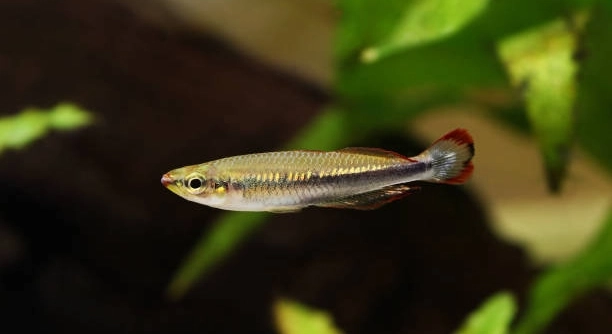
Do you ever find yourself wanting a peaceful home for your rainbowfish but feeling unsure how to set up the tank? Creating a calm environment is key for their health and well-being in any aquarium setting.
The most effective low-stress tank layouts for rainbowfish focus on adequate swimming space, gentle water flow, appropriate plants, hiding spots, and consistent water conditions. Proper arrangement ensures minimal aggression, natural behaviors, and overall improved fish health and longevity.
These practical tank ideas will help your rainbowfish thrive while keeping their environment comfortable and balanced.
Open Swimming Space
Rainbowfish need plenty of room to swim freely. Crowded tanks can make them stressed and more prone to disease. Open swimming areas allow them to display their natural colors and movements, which is one of the joys of keeping them. Avoid placing too many decorations in the center of the tank. Keep large ornaments and plants along the edges. This setup not only provides open space but also helps maintain proper water circulation. Open swimming areas also reduce territorial aggression among fish. Even the smallest rainbowfish appreciate a clear area for fast, smooth movement. When planning the layout, consider the adult size of the fish, not just their current size. Providing wide swimming lanes improves their physical health and encourages natural schooling behavior. Observing rainbowfish in an uncluttered environment is satisfying because their interactions are easier to notice. A balance between open space and safe hiding spots creates a calm, visually appealing tank.
Wide swimming areas are crucial for rainbowfish well-being. Ensuring unobstructed space prevents stress, supports natural behavior, and enhances physical health and visual enjoyment of the aquarium.
Creating open swimming lanes requires thinking about plant placement and tank decorations. Tall plants at the back or sides can create a natural boundary while keeping the center free. Low-profile rocks or driftwood can add interest without crowding the space. Maintaining open swimming areas also simplifies cleaning and water flow. Fish can interact more freely, reducing tension in the tank. A well-thought-out arrangement gives rainbowfish a sense of safety while still allowing them to explore. This balance between shelter and openness encourages schooling and minimizes stress. Over time, it becomes easier to observe natural behaviors and assess the health of each fish. Open swimming lanes are especially important for active species like rainbowfish, as they rely on movement for exercise and social interaction. Even simple changes, like repositioning plants or trimming dense foliage, can dramatically improve swimming space. Every tank benefits from a layout that emphasizes freedom of movement and reduces overcrowding.
Hiding Spots and Shelter
Hiding spots give rainbowfish a sense of security and reduce stress. Even active fish need places to retreat when feeling threatened or during molting.
Providing caves, dense plants, or small ornaments for shelter is essential. Rainbowfish naturally seek cover, and these areas can prevent aggression, particularly in mixed species tanks. Hiding spots mimic their natural habitats, such as streams and rivers with plants or rocky crevices. Proper shelter also supports breeding behavior, as fish feel safer laying eggs in protected areas. Placement of these spots matters; scatter them throughout the tank so all fish have access. Avoid overcrowding the tank with too many hiding areas, which can limit swimming space. Materials for shelter should be safe and non-toxic. Driftwood, smooth rocks, and artificial caves work well. Hiding spots also contribute to a visually interesting tank, adding texture and depth. Regularly check these areas for debris or algae to maintain a healthy environment. Balancing open swimming space and shelters ensures rainbowfish feel secure yet active. Properly arranged hiding spots foster natural behaviors, reduce stress-related illness, and enhance the tank’s overall stability and appeal.
Gentle Water Flow
Rainbowfish thrive in tanks with mild, steady water movement. Strong currents can exhaust them and cause stress. Position filters and pumps to create a gentle flow, avoiding areas where water speed is too high.
Moderate water movement helps circulate oxygen and nutrients while maintaining clean conditions. It also prevents stagnant areas where debris can accumulate, reducing the risk of illness. Gentle currents allow rainbowfish to swim naturally without struggling, which supports healthy fins and scales. Observing fish in calm water flow makes their colors more visible, creating a more pleasant tank environment. Flow direction can be adjusted using decorations or plants to diffuse stronger currents.
Strong currents can intimidate rainbowfish, making them hide or reduce activity. By adjusting filter output and placing plants strategically, you can control flow speed and direction. Floating plants or broad-leafed vegetation break the current, creating calm zones. Rocks or driftwood can further direct water movement, helping to balance swimming areas and shelter. Maintaining gentle water flow encourages schooling, reduces aggressive behavior, and supports overall well-being. A properly managed current keeps the tank healthy, visually appealing, and comfortable for rainbowfish of all ages.
Plant Density and Arrangement
Plants provide cover, reduce stress, and improve water quality. Proper placement prevents overcrowding and maintains swimming lanes for rainbowfish.
Dense plants along the sides or back of the tank offer security while leaving central areas open for movement. Tall plants can mimic natural riverbank vegetation, providing vertical interest and hiding spots. Low plants or carpeting species create depth without blocking swimming paths. Careful spacing ensures fish can navigate freely and maintain social hierarchy.
Regular trimming prevents overgrowth and promotes healthy plant development. Grouping compatible plant species creates microhabitats for rainbowfish to explore. Floating plants can reduce light intensity and calm the environment. Avoid sharp or rough plants that might damage fins. Plant placement affects water flow, oxygenation, and aesthetics, so arrange thoughtfully. Consistent maintenance, including pruning and debris removal, keeps the tank balanced and reduces stress. A well-planted aquarium combines visual appeal with functionality, allowing rainbowfish to swim freely while feeling secure. The right plant density supports natural behavior, improves tank health, and encourages long-term enjoyment.
Substrate Choice
Fine gravel or sand is ideal for rainbowfish tanks. Rough or sharp substrates can injure fins and make the tank uncomfortable.
Substrate color can influence fish behavior. Neutral tones help rainbowfish feel secure, while overly bright substrates may cause stress. A natural-looking base enhances the overall tank environment.
Lighting Conditions
Moderate lighting is best for rainbowfish. Bright lights can stress them, while too little light affects plant growth and fish activity. Consistent day-night cycles support natural behavior and help maintain a balanced ecosystem within the tank.
Water Temperature
Rainbowfish prefer stable temperatures between 74°F and 78°F. Sudden fluctuations can weaken their immune system, making them more prone to disease. Maintaining a consistent, appropriate temperature ensures active, healthy fish that display their best colors.
FAQ
What is the best tank size for rainbowfish?
Rainbowfish are active swimmers and need space to move freely. A 30-gallon tank is the minimum for small groups, but larger tanks are better for multiple fish. More space reduces aggression, improves water quality, and allows for natural schooling behavior.
How many rainbowfish can I keep together?
Rainbowfish should be kept in groups of at least six. This keeps them social and less stressed. Overstocking can cause fights, stress, and poor water conditions, so balance the number of fish with the tank size.
What plants work best in a rainbowfish tank?
Tall background plants like Vallisneria or Amazon swords give shelter, while low plants like Java fern or dwarf sag help create open swimming lanes. Floating plants reduce bright light intensity and create calm zones, which rainbowfish enjoy.
Do rainbowfish need hiding spots?
Yes, hiding spots help rainbowfish feel secure, especially when they are stressed or molting. Caves, driftwood, and dense plant areas allow them to retreat and reduce aggressive behavior among tank mates. Proper placement ensures every fish has access.
How should I set up the substrate?
Fine gravel or sand is ideal. Rough or sharp substrates can damage fins. Neutral-colored substrates help fish feel secure and highlight their natural colors. A well-planned substrate also supports healthy plant growth and contributes to water quality.
What water temperature is best for rainbowfish?
Keep water between 74°F and 78°F. Sudden changes weaken immunity and stress the fish. Using a reliable heater and monitoring temperature regularly keeps rainbowfish healthy and active. Stable temperature supports natural color development and breeding behavior.
How strong should the water flow be?
Rainbowfish prefer gentle to moderate currents. Strong flows can tire them and cause stress. Arrange decorations and plants to diffuse water movement, creating calm zones where fish can swim comfortably and maintain their natural behaviors.
How often should I feed rainbowfish?
Feed small amounts two to three times daily. Overfeeding leads to water quality issues and obesity. A varied diet including flakes, pellets, and occasional live or frozen foods keeps them healthy, colorful, and active.
Do rainbowfish need special lighting?
Moderate lighting is best. Bright lights can stress them, while too little light affects plant growth. Providing a consistent day-night cycle helps maintain natural behavior and keeps the aquarium balanced. Floating plants can help diffuse light if necessary.
Can rainbowfish live with other species?
Yes, but choose peaceful tank mates of similar size. Aggressive or fin-nipping species can stress rainbowfish. Proper tank layout with open swimming space, plants, and hiding spots reduces conflicts and supports a calm, healthy environment.
How often should water be changed?
Weekly partial water changes of 20-30% keep water clean and reduce stress. Regular maintenance ensures proper nutrient balance, removes debris, and prevents harmful buildup of ammonia or nitrates, contributing to overall fish health.
Are rainbowfish sensitive to water parameters?
Yes, they prefer slightly alkaline water (pH 7–8) and soft to moderately hard water. Regular monitoring helps prevent stress, supports coloration, and keeps fish healthy. Sudden changes in pH or hardness should be avoided.
How do I encourage breeding in rainbowfish?
Provide plenty of plants or spawning mops, stable water conditions, and a varied diet. Separate males and females if needed, then reintroduce them to stimulate breeding behavior. Maintaining optimal temperature and water quality increases success rates.
What are signs of stress in rainbowfish?
Signs include hiding, clamped fins, faded colors, rapid breathing, or erratic swimming. Addressing water quality, tank setup, and diet usually alleviates stress and prevents illness.
How can I reduce aggression in the tank?
Maintain proper group size, provide hiding spots, and ensure open swimming lanes. Gentle water flow, stable temperatures, and compatible tank mates also help create a calm environment and reduce fights.
What are common health issues for rainbowfish?
Stress-related diseases, fin rot, and parasitic infections are common. Maintaining clean water, proper temperature, and a balanced diet prevents most problems. Early detection through observation ensures timely treatment and recovery.
How do I clean the tank without stressing the fish?
Perform partial water changes, gently vacuum the substrate, and trim plants without disturbing fish too much. Avoid sudden temperature changes or heavy cleaning, which can increase stress levels and impact health.
Can I use artificial decorations?
Yes, as long as they are smooth, non-toxic, and do not overcrowd the tank. Artificial items can provide hiding spots, create visual interest, and help manage water flow while keeping swimming space open.
What is the ideal schooling behavior?
Rainbowfish should swim together naturally in groups. Observing synchronized movement indicates low stress and a healthy environment. Encouraging schooling through open space, compatible tank mates, and proper flow ensures fish are active and comfortable.
How important is tank maintenance for rainbowfish?
Regular monitoring of water parameters, partial water changes, and plant care are essential. Well-maintained tanks reduce stress, prevent disease, and promote vibrant colors and active behavior, ensuring long-term health and enjoyment of the fish.
What should I do if a fish appears sick?
Isolate the affected fish, test water parameters, and observe symptoms. Treat promptly with appropriate medication if needed. Maintaining optimal tank conditions prevents disease spread and protects healthy fish.
How long do rainbowfish live?
With proper care, rainbowfish can live 5–8 years. Consistent water quality, diet, tank layout, and minimal stress contribute to longevity and sustained health.
Can rainbowfish adapt to new tank setups?
They can, but gradual acclimation reduces stress. Introduce them slowly, monitor behavior, and ensure familiar elements like plants and hiding spots are present to help them adjust comfortably.
Final Thoughts
Creating a low-stress environment for rainbowfish is essential for their health, color, and natural behavior. Open swimming space, gentle water flow, and proper tank size are the foundations of a calm tank. Rainbowfish are active and social, so a crowded or poorly arranged tank can quickly lead to stress, which affects their appetite, coloration, and overall well-being. Simple adjustments, like moving decorations to the sides and keeping the center open, can make a big difference in how freely the fish swim and interact. Providing enough room for all the fish in the group also helps reduce aggression and supports schooling behavior, which is natural and important for rainbowfish.
Plants, hiding spots, and proper substrate contribute to both security and aesthetics. Tall background plants, floating vegetation, and low carpeting plants create a balanced environment where fish can retreat or explore as they please. Hiding spots like caves, driftwood, or dense plants give shy or stressed individuals a safe place to rest, which reduces tension in the tank. The substrate should be smooth, natural-colored, and safe to prevent fin injuries while highlighting the fish’s vibrant colors. These elements, combined with stable temperature and moderate lighting, make the tank feel more like their natural habitat. Regular maintenance, including water changes, plant trimming, and monitoring water parameters, is key to keeping the tank consistent and low-stress over time.
Rainbowfish thrive when their environment is predictable, safe, and stimulating. Small changes like adjusting water flow, adding plants, or providing extra hiding spots can improve their mood and health significantly. Feeding a varied diet in appropriate amounts, maintaining stable water conditions, and ensuring the fish have enough space to swim freely all support long-term wellness. Observing rainbowfish in a well-planned tank allows you to notice their natural behaviors and vibrant colors, which is one of the most rewarding parts of keeping them. By focusing on these basic principles, you create a comfortable, low-stress habitat where rainbowfish can flourish for years, making your aquarium both healthy and visually appealing.

Hello,
If you enjoy the content that we create, please consider saying a "Thank You!" by leaving a tip.
Every little bit helps us continue crafting quality advice that supports the health, happiness, and well-being of pets around the world, for pets of all shapes, sizes, and species.
We really appreciate the kindness and support that you show us!