
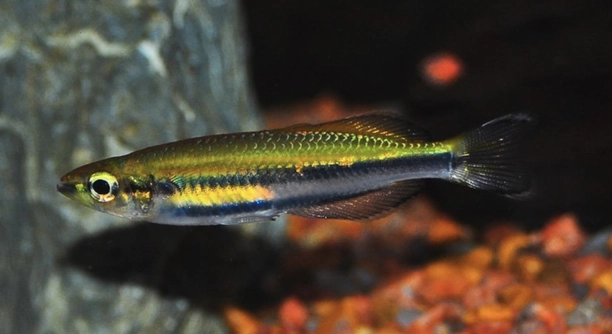
Have you ever watched your rainbowfish and wondered what their subtle movements reveal? Understanding these quiet signals helps you notice key moments that reflect their behavior and support a calm environment in your aquarium today.
Rainbowfish mating behavior is identified through color intensification, synchronized swimming, and gentle chasing that signals courtship readiness. Observing these patterns provides a reliable indication that breeding is beginning, allowing aquarists to understand and support reproductive activity in an aquatic setting.
These simple cues help you understand key breeding patterns in your rainbowfish community, supporting a steady approach that enhances learning.
Key Mating Signs to Watch For
Watching rainbowfish during mating can feel calming because their behavior becomes more expressive and steady. You will notice their colors brighten in a soft yet noticeable way that signals interest. Males usually move with more intention, guiding the pair through slow patterns that appear almost practiced. Females respond with gentle shifts, creating a rhythm that shows cooperation. These small signs help you understand what is unfolding without needing dramatic displays. Their interactions stay peaceful and consistent, which makes it easier to observe each step. Paying attention to these details gives you a fuller sense of how they communicate through movement and appearance. It also helps you feel connected to their routine as they prepare for spawning. This awareness supports better care and builds confidence when keeping them comfortable. Every subtle action carries meaning, and learning to recognize it becomes rewarding in a quiet and reassuring way. This feels comforting overall.
These behaviors help you understand their natural rhythm with clarity, giving you a steady view of how they interact during these moments. Paying attention to their coordinated movement and subtle signals strengthens your awareness and supports a calm environment while keeping your rainbowfish comfortable in a consistent and gentle way.
Understanding these actions allows you to support your fish with a steadier approach that keeps stress low. You gain a clearer sense of how they communicate through movement, color, and pacing, which helps you respond to their needs in a balanced way. As you learn these natural signals, their behavior becomes easier to interpret, especially during active breeding periods. This knowledge encourages smoother care and improves your confidence in maintaining their environment. Each subtle gesture builds a stronger picture of their interactions, helping you create conditions that feel calm and stable for your rainbowfish in a steady and gentle manner.
Ways to Support Healthy Spawning
Supporting healthy spawning begins with stable water conditions, calm surroundings, and predictable care. These elements create a setting that encourages natural behavior without overwhelming your fish. Small adjustments help maintain comfort and make breeding patterns easier to observe while keeping their environment reliable in a steady and supportive daily routine.
Creating an environment that supports spawning involves understanding what keeps rainbowfish comfortable and willing to display their natural patterns. Start by maintaining clean water with gentle filtration and consistent temperature levels, since stability plays a major role in keeping them relaxed. Adding fine leaved plants or spawning mops gives them a secure place to release eggs and helps them feel protected. Calm lighting and reduced disturbances encourage smoother behavior, allowing you to observe their signals without causing unnecessary stress. Offering high quality food in moderate portions strengthens their condition and supports reproductive activity. Balanced nutrition helps both males and females maintain energy, color, and overall vitality during active periods. Keeping the aquarium spacious with open swimming areas allows their synchronized movements to appear more natural and reduces tension. As you pay attention to these elements, your care becomes more precise, creating a setting where mating behavior feels steady and predictable. Each adjustment you make reinforces their comfort and strengthens the environment needed for healthy spawning. These choices help shape a balanced routine that supports consistent breeding behavior. Over time your awareness grows, allowing you to notice gentle changes and respond with steady care that keeps the aquarium calm and maintained.
Recognizing Courtship Patterns
Courtship patterns appear through steady movements, calm pacing, and soft color changes that become more defined. These moments help you understand their communication in a clear way, making it easier to notice when mating activity is starting without overwhelming your fish or disrupting their routine.
During courtship, males display brighter shades while swimming beside the female in smooth, guided motions. Their actions stay controlled, showing confidence without becoming rough or chaotic. The female responds with gentle shifts that match his pace, creating a balanced rhythm between them. You can observe these interactions without needing to interfere, allowing their natural patterns to develop with ease. The calm tone of these displays keeps the environment stable.
Understanding these patterns helps you support your rainbowfish with more focus. Noticing their coordinated movements and their consistent swimming paths gives you insight into the early stages of spawning. The shared pacing and subtle signals help you identify when the pair becomes more engaged. These details offer clarity, letting you feel more in tune with their behavior as they move closer to releasing eggs. Staying observant helps you maintain supportive conditions while keeping everything peaceful and steady.
Egg Laying and Protective Behavior
Once the pair begins releasing eggs, the behavior becomes more purposeful. Females place eggs on plants or mops, while males hover nearby with quiet attention. Their movements remain gentle, helping you understand their process while keeping the environment relaxed and supportive.
After eggs are deposited, adults may continue swimming around the area in a slow, steady pattern that reflects a protective instinct. Their behavior stays subtle rather than aggressive, allowing you to observe the process without stress. Maintaining clean water, stable temperature, and low disturbance helps support the developing eggs. Providing fine leaved plants or soft spawning mops ensures the eggs stay safely anchored, reducing the risk of them becoming dislodged. Consistent lighting and calm surroundings play an important role in keeping everything stable. Over time you will learn to recognize these moments more easily, allowing your care to stay clear, supportive, and well balanced as the eggs develop.
Continue the article with the following outline and format. Do not write an intro for each header, get straight to the point. Do not use a greeting. Make it feel slightly personal. Write in a simplistic style. Do not greet the reader.; Outline and Format: ; Header: xxxxxxxxxxxxxxxxxxx; 50 words paragraph; 50 words paragraph; Header: xxxxxxxxxxxxxxxxxxx; 100 words paragraph; Header: xxxxxxxxxxxxxxxxxxx; 50 words paragraph; Note: Skip the intro, get straight to the point. The rest of the headers will be provided later, so do not write them yet. Skip the conclusion, and recap. Respect the given word count for every paragraph.
FAQ
How long does it take for rainbowfish eggs to hatch?
Rainbowfish eggs usually hatch within 7 to 10 days under stable water conditions. Maintaining a consistent temperature and clean water helps ensure healthy development. Observing the eggs daily allows you to notice changes in color and firmness, which indicates they are developing properly.
What is the best temperature for breeding rainbowfish?
A temperature between 25°C and 28°C (77°F to 82°F) supports breeding activity. Stable conditions are essential, as fluctuations can stress adults and affect egg viability. Using a reliable heater and thermometer ensures the water stays consistent while helping the fish display natural mating behavior.
Do rainbowfish need specific plants or spawning mops?
Yes, fine-leaved plants or soft spawning mops provide a secure place for eggs. These surfaces help anchor eggs safely and reduce the risk of them being eaten. They also make it easier to monitor the eggs without disturbing the adults or causing stress.
How often should I feed breeding rainbowfish?
Feeding small, high-quality portions two to three times daily keeps adults in good condition. Balanced nutrition strengthens their color, energy, and reproductive health. Overfeeding can pollute the water, so removing uneaten food promptly is important to maintain a stable environment for eggs and fry.
Will adults eat their eggs or fry?
Yes, rainbowfish may eat eggs or newly hatched fry if left together. Separating the adults or using a breeding box helps protect them. Observing their behavior closely after spawning can prevent losses and improve fry survival rates.
How can I tell if the fry are healthy?
Healthy fry are active, swim steadily near plants or surfaces, and respond lightly to gentle movements in the water. They appear clear or slightly colored, without deformities. Unhealthy fry may be sluggish, pale, or misshapen, which signals the need to check water conditions or nutrition.
When can I start feeding fry?
Fry can begin eating small foods like infusoria or finely crushed flakes shortly after hatching. Gradually introducing microfoods supports growth while avoiding overwhelming their digestive system. Observing their feeding ensures they are eating and gaining strength steadily.
How do I maintain water quality during breeding?
Regular small water changes, soft filtration, and careful removal of uneaten food or spoiled eggs keep conditions stable. Avoid strong currents or sudden temperature changes, as these can stress both adults and fry. Consistent care improves survival and reduces problems during early development.
Is it necessary to separate males and females after breeding?
Separation is recommended if you want to prevent adults from disturbing eggs or fry. Males may continue chasing females, which can stress them or disrupt the eggs. Using dividers or temporary tanks keeps both adults and offspring safe while maintaining a calm environment.
Can rainbowfish breed without special lighting?
Yes, standard aquarium lighting works, but a consistent light cycle supports natural rhythms. Around 10 to 12 hours of light daily encourages regular behavior. Sudden changes in lighting can disrupt courtship and spawning, so keeping a predictable schedule benefits the adults and developing eggs.
How many eggs does a female typically lay?
A female can lay dozens of eggs per spawning session, often attaching them individually to plants or spawning mops. Monitoring the count helps you track progress and anticipate when separation or extra care is needed for optimal fry survival.
Do water hardness and pH matter for breeding?
Yes, slightly soft to neutral water with pH around 6.5–7.5 encourages spawning. Extreme hardness or acidity can affect egg development and fry survival. Testing and adjusting water conditions regularly supports healthy reproduction and steady growth for both adults and young.
What signs show that mating is successful?
Successful mating is indicated by females laying eggs and males displaying protective or attentive behavior nearby. Eggs appear attached and intact, with slight changes in color as they develop. Observing this ensures you are providing proper care during the critical early stages.
How long should fry stay in a separate tank?
Fry should remain in a safe, separate tank until they are large enough to avoid being eaten, usually a few weeks. Providing gentle care, consistent feeding, and clean water helps them develop strong swimming skills and resilience before joining the main aquarium.
Can I breed rainbowfish in a community tank?
Breeding in a community tank is possible but riskier. Eggs and fry may be eaten, and stress from other fish can disrupt courtship. Using dividers, secluded areas, or separate breeding tanks increases success while keeping adults calm and fry safe during early development.
What is the best way to introduce adults for breeding?
Introduce males and females gradually into a calm tank with stable conditions and hiding spots. Observing their behavior ensures compatibility. Gentle integration supports natural courtship while minimizing stress, allowing you to maintain steady care and encourage healthy reproductive patterns.
How often do rainbowfish spawn?
Rainbowfish can spawn multiple times during a season, often every few days to a week under optimal conditions. Monitoring their activity and providing consistent care, food, and environment supports repeated successful breeding cycles while keeping both adults and eggs safe.
Can I reuse spawning mops for multiple cycles?
Yes, spawning mops can be reused after thorough rinsing to remove debris and old eggs. Reusing them provides familiar surfaces for new eggs, encouraging consistent behavior while reducing the need for constant replacement, keeping the breeding setup simple and effective.
What are common problems during breeding?
Common issues include poor water quality, stress from tank mates, inadequate hiding spots, or insufficient nutrition. Observing behavior closely and maintaining stable, calm conditions helps prevent these problems, ensuring higher survival rates for eggs and fry while supporting healthy adult fish.
How do I know when fry are ready to join the main tank?
Fry are ready when they are strong swimmers, show consistent feeding behavior, and are large enough to avoid being eaten. Gradual acclimation to the main tank conditions helps reduce stress and ensures a smoother transition into the established aquarium environment.
Final Thoughts
Observing rainbowfish during their mating process can be rewarding, as it allows you to understand their subtle communication and natural behavior. Paying attention to color changes, gentle chasing, and synchronized swimming gives you insight into how they interact and prepare for spawning. These small cues are not dramatic but carry important meaning, and noticing them helps you feel more connected to their routine. A calm environment with minimal disturbance supports these behaviors, allowing your fish to display natural patterns without stress. Every movement and display, while simple, contributes to understanding their reproductive process. Being aware of these signs helps you provide steady care and maintain conditions that support both adults and developing eggs.
Supporting breeding in rainbowfish requires attention to water quality, temperature, and nutrition. Stable water conditions, including moderate temperature and soft filtration, reduce stress and encourage natural behavior. Providing appropriate plants or spawning mops gives the eggs a secure place to attach, while also making it easier to monitor them without disturbing the adults. Balanced feeding ensures that both males and females have the energy and vitality needed for courtship and egg-laying. Observing their behavior closely allows you to notice when adjustments are necessary, whether that means changing water conditions slightly, adding hiding spaces, or separating adults to protect eggs. These measures are not complicated but require consistency and attention to detail. Maintaining these standards promotes a stable and calm environment that enhances the success of breeding while keeping the fish comfortable.
Caring for rainbowfish fry is equally important, as their early development is delicate and requires a gentle approach. Newly hatched fry need calm surroundings, clean water, and appropriate food to grow steadily. Observing their activity, swimming patterns, and feeding behavior gives you an understanding of their health and development. Gradually acclimating them to larger tanks or community environments when they are strong enough helps reduce stress and ensures a smoother transition. Patience and consistent care allow fry to thrive, and watching them grow can be a fulfilling experience. By focusing on stability, simplicity, and steady observation throughout breeding, you create a supportive environment that benefits both adult rainbowfish and their young. Each careful step reinforces healthy behavior, encourages natural patterns, and provides a clear approach to successful breeding in a home aquarium.

Hello,
If you enjoy the content that we create, please consider saying a "Thank You!" by leaving a tip.
Every little bit helps us continue crafting quality advice that supports the health, happiness, and well-being of pets around the world, for pets of all shapes, sizes, and species.
We really appreciate the kindness and support that you show us!