
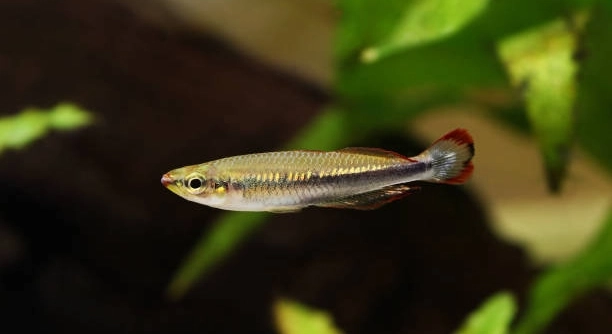
Are your aquariums feeling a bit plain, leaving you thinking about adding a splash of color? Rainbowfish can bring vibrant shades and lively movement, making your tank more visually appealing and enjoyable to watch daily.
Before getting rainbowfish, it is essential to understand their care requirements, including tank size, water conditions, diet, and social behavior. Proper knowledge ensures a healthy environment, promotes longevity, and prevents stress-related health issues in these tropical fish.
Knowing these key aspects will help you create a thriving home for your rainbowfish. Their bright colors and active nature are worth the effort.
Choosing the Right Tank Size
Rainbowfish need space to swim freely, which helps them stay healthy and active. A tank that is too small can stress them and reduce their lifespan. For most rainbowfish species, a minimum of 30 gallons is recommended, but larger species will require more. A wider tank is preferable to a taller one, as it allows more horizontal swimming space. Avoid overcrowding your aquarium, as it can lead to aggression and poor water quality. Including plants and hiding spots will make the fish feel secure and reduce stress. Decorations should leave plenty of open swimming areas. Monitoring water temperature, pH, and hardness is also important, as rainbowfish thrive in stable conditions. Regular water changes and proper filtration help maintain a clean environment. Overall, planning the tank carefully ensures your rainbowfish remain vibrant, active, and healthy, creating an appealing display for your home while meeting their natural needs.
A proper tank size prevents stress, encourages natural behavior, and supports overall health, making your rainbowfish more vibrant and long-lasting.
Investing time in selecting the right tank size will pay off. Rainbowfish display their best colors when they have room to swim and interact. Adding plants and hiding spots makes them feel safe, while open swimming areas let them explore. Avoiding overcrowding is crucial, as too many fish can lead to aggression and poor water quality. Temperature, pH, and hardness must be stable for optimal health. Regular maintenance, such as water changes and filtration, ensures a clean environment, keeping your rainbowfish lively. Thoughtful tank planning provides a visually appealing display while meeting the natural needs of your fish. This balance of space, decoration, and water management promotes longevity, color vibrancy, and overall well-being for your rainbowfish collection.
Social Behavior and Grouping
Rainbowfish are social and prefer to be in groups. A small school helps reduce stress and encourages natural behavior.
Keeping rainbowfish in groups of at least six is ideal. They feel more secure, swim actively, and display brighter colors when in a proper social setting.
Observing rainbowfish in a group is rewarding, as they interact and swim together harmoniously. Without companions, they can become shy, hide, or develop health issues. Proper schooling also reduces aggression among species, especially in mixed tanks. Some rainbowfish are more active and dominant, so providing enough space for everyone helps maintain balance. When adding new fish, introduce them gradually to minimize stress. A well-planned social structure enhances both the appearance and the overall health of the aquarium, ensuring that each rainbowfish thrives while contributing to a lively and colorful tank environment.
Water Conditions
Maintaining stable water conditions is essential for rainbowfish health. They thrive in slightly alkaline water with temperatures between 74–82°F. Regular monitoring prevents stress and disease, keeping your fish active and colorful.
Rainbowfish are sensitive to sudden changes in water quality. pH levels should remain between 7.0 and 8.0, and hardness should be moderate. Temperature fluctuations can weaken their immune system and make them prone to illness. Filtration and regular partial water changes help maintain optimal conditions. Using a water testing kit ensures parameters stay within a healthy range. Proper aeration supports oxygen levels, essential for their metabolism. Avoid overcrowding, which can increase waste and affect water quality. Proper care guarantees rainbowfish remain lively and display their natural brilliance.
In addition to monitoring pH and temperature, it is important to manage nitrates and ammonia. High levels can cause stress and long-term health problems. A reliable filter, combined with consistent water changes, keeps the aquarium clean. Plants and decorations help absorb toxins while providing hiding spaces. Observing your fish daily helps detect early signs of distress or disease, allowing timely intervention. Balanced feeding, avoiding overfeeding, contributes to cleaner water and healthier fish. Overall, maintaining water conditions is a continuous commitment that rewards you with vibrant, active rainbowfish and a thriving tank ecosystem.
Diet and Feeding
Rainbowfish require a varied diet for proper growth and color enhancement. Providing both flakes and live or frozen foods supports their nutrition and vitality.
A balanced diet includes high-quality flake food, supplemented with live or frozen options like brine shrimp, daphnia, or bloodworms. Feeding small amounts multiple times a day prevents overfeeding and reduces water pollution. Variety in diet enhances coloration and supports strong immune systems. Avoid filling the tank with excess food, which can lead to decay and unhealthy water conditions. Observation during feeding ensures all fish get their share, especially in groups where some may be more dominant.
It is important to consider seasonal and species-specific dietary needs. Some rainbowfish benefit from additional vegetable matter, such as spirulina or blanched vegetables, to aid digestion. Rotating between protein-rich and plant-based foods prevents nutrient deficiencies and encourages optimal growth. Feeding routines should be consistent, but small adjustments can accommodate changes in temperature or activity levels. Live and frozen foods provide enrichment and stimulate natural hunting behaviors, keeping your rainbowfish active. Proper feeding directly impacts their coloration, energy levels, and overall health, making diet one of the most critical aspects of successful rainbowfish care.
Tank Decorations and Hiding Spots
Providing adequate hiding spots is essential for rainbowfish to feel secure. Plants, rocks, and driftwood create safe areas and reduce stress, while still leaving plenty of open swimming space for natural activity.
Avoid overcrowding the tank with decorations. Strategic placement of plants and ornaments allows fish to explore freely and maintain healthy social interactions.
Lighting and Day-Night Cycle
Consistent lighting supports natural behavior and color development. Rainbowfish benefit from 8–10 hours of light daily, with a defined day-night cycle to mimic natural conditions. Proper lighting encourages feeding activity, reduces stress, and enhances their vibrant coloration.
Breeding Considerations
Rainbowfish breeding requires attention to water quality and compatible pairs. Spawning occurs in planted areas, and eggs must be protected from adult fish to ensure survival. Careful observation and preparation increase the likelihood of successful reproduction.
Health Monitoring
Regular observation is key to preventing illness. Watch for changes in behavior, appetite, or appearance. Early detection allows prompt treatment and helps maintain a healthy, vibrant aquarium environment.
FAQ
What is the ideal tank size for rainbowfish?
The minimum recommended tank size for most rainbowfish is 30 gallons, but larger species require more space. A wider tank is preferable to a taller one, as rainbowfish swim horizontally. Providing enough space reduces stress, prevents aggression, and allows them to display their natural colors fully.
How many rainbowfish should be kept together?
Rainbowfish are social fish and should be kept in groups of at least six. Proper schooling encourages natural behavior, reduces stress, and enhances coloration. Small groups can become shy or aggressive, so maintaining an adequate number is crucial for a balanced and active aquarium environment.
What water conditions do rainbowfish need?
Rainbowfish thrive in slightly alkaline water with a pH of 7.0–8.0 and moderate hardness. Temperature should remain between 74–82°F. Consistent water conditions, regular testing, and partial water changes help prevent stress, disease, and poor coloration, ensuring a healthy and active fish population.
What should I feed rainbowfish?
A varied diet is essential. High-quality flake food should be supplemented with live or frozen foods like brine shrimp, daphnia, and bloodworms. Some species also benefit from vegetable matter such as spirulina. Feeding small amounts multiple times a day prevents overfeeding and keeps water quality stable.
How often should water changes be performed?
Partial water changes of 20–30% every week or two are recommended. This maintains water quality, reduces toxin buildup, and keeps your rainbowfish healthy. Combined with a reliable filtration system, regular water changes support their vibrant colors and active swimming behavior.
Do rainbowfish require special lighting?
Consistent lighting of 8–10 hours daily is ideal. A defined day-night cycle mimics natural conditions and promotes feeding activity, healthy behavior, and color development. Avoid excessive or inconsistent lighting, which can stress the fish and disrupt their natural rhythms.
Can rainbowfish live with other species?
Yes, rainbowfish are generally peaceful and compatible with other non-aggressive tropical fish. Avoid keeping them with large, aggressive species that may harm them. Proper tank size and hiding spots help maintain harmony in a community tank while allowing rainbowfish to swim freely.
How can I tell if my rainbowfish is healthy?
Healthy rainbowfish are active, display vibrant colors, and have a good appetite. Watch for changes in behavior, such as hiding, lethargy, or loss of color, which can indicate illness. Regular observation allows early intervention, preventing serious health issues and promoting longevity.
What is the best way to breed rainbowfish?
Breeding requires a well-planted tank with suitable water conditions. Introduce compatible pairs or small groups and monitor for spawning. Remove adults after eggs are laid to prevent predation. Providing high-quality live or frozen foods supports reproductive health and increases the likelihood of successful hatching.
Are rainbowfish difficult to care for?
Rainbowfish are moderately easy to care for if their basic needs are met. Proper tank size, water conditions, diet, social grouping, and regular maintenance are essential. Attention to these factors ensures vibrant colors, active behavior, and long-term health, making them rewarding fish to keep.
What common problems should I watch for?
Watch for signs of stress such as clamped fins, reduced activity, or color fading. Poor water quality, overcrowding, and inconsistent feeding are common causes. Regular maintenance, water testing, and careful observation help prevent most problems, ensuring your rainbowfish remain healthy and lively in the aquarium.
Can rainbowfish live long in home aquariums?
With proper care, rainbowfish can live up to 5–8 years, depending on the species. Stable water conditions, a balanced diet, adequate space, and social grouping all contribute to longevity. Regular monitoring and preventive care ensure your fish remain vibrant and active throughout their lifespan.
Rainbowfish are a wonderful addition to home aquariums due to their vibrant colors, active behavior, and peaceful nature. Their appeal comes not only from their appearance but also from the life and movement they bring to a tank. Observing a well-maintained school of rainbowfish swimming together can be rewarding, as they interact and display natural behaviors. However, keeping them requires attention to their specific needs, including tank size, water conditions, diet, and social grouping. Providing a suitable environment ensures they remain healthy, active, and colorful over time. While they are moderately easy to care for, neglecting these key aspects can lead to stress, illness, or shorter lifespans, making it essential to plan carefully before adding them to your aquarium. Taking the time to understand these requirements will help you create a thriving, visually appealing tank where rainbowfish can truly flourish.
Maintaining proper water conditions is one of the most important factors in rainbowfish care. Stable pH, temperature, and hardness are essential to prevent stress and disease. A reliable filtration system combined with regular water changes helps keep the tank clean and supports healthy fish. Rainbowfish are sensitive to sudden changes, so monitoring water parameters consistently is crucial. Providing plants, hiding spots, and open swimming areas contributes to their comfort and reduces stress, encouraging natural behavior. Feeding a varied diet that includes high-quality flakes, live or frozen foods, and some vegetable matter helps maintain vibrant coloration and strong immunity. Observing your fish daily allows you to notice early signs of illness or behavioral changes, enabling prompt intervention. These practices, while simple, are the foundation of a successful rainbowfish aquarium, promoting long-term health and activity.
Social behavior also plays an important role in keeping rainbowfish happy. They thrive in groups and display their best colors when surrounded by companions. Keeping a small school of at least six fish helps reduce stress and encourages natural interactions. When adding new fish, introducing them gradually and providing enough space helps maintain balance within the group. Consistent lighting and a defined day-night cycle further support natural activity and coloration. Careful attention to all these elements ensures a harmonious tank environment, making it more enjoyable to watch and easier to maintain. By focusing on tank setup, water quality, diet, and social needs, rainbowfish can thrive in home aquariums, rewarding their keepers with vibrant, active, and healthy fish for many years.

Hello,
If you enjoy the content that we create, please consider saying a "Thank You!" by leaving a tip.
Every little bit helps us continue crafting quality advice that supports the health, happiness, and well-being of pets around the world, for pets of all shapes, sizes, and species.
We really appreciate the kindness and support that you show us!