
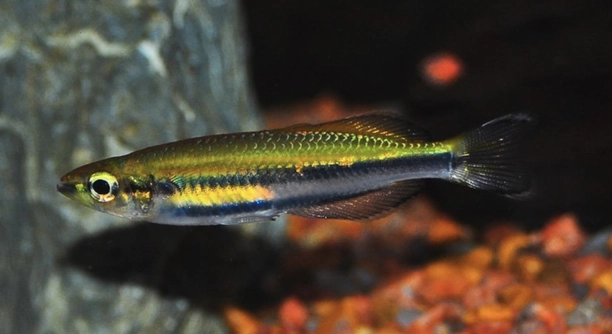
Rainbowfish are small, colorful freshwater fish known for their shimmering scales and peaceful nature. Many aquarium enthusiasts enjoy their vibrant appearance and active behavior, which add life and movement to any home tank environment.
Rainbowfish display unique traits such as iridescent coloration, schooling behavior, adaptability to various freshwater habitats, peaceful temperament, specialized diet, sexual dimorphism, and intricate breeding patterns, which distinguish them from other common aquarium fish species.
Exploring these characteristics will give a deeper understanding of why rainbowfish are highly valued by hobbyists and aquatic researchers alike.
Iridescent Coloration
Rainbowfish are most recognized for their stunning, iridescent colors that shimmer under light. Their scales can reflect shades of blue, green, red, and yellow, often changing slightly depending on the angle of viewing. This natural brilliance is not just for show; it plays a role in mating displays and social interactions. Males usually display more vivid colors to attract females, while females tend to have subtler shades. Lighting, water quality, and diet all influence the intensity of these colors. Proper care in an aquarium ensures that their hues remain vibrant, making them visually striking in any tank setup. Their colors also act as a form of communication within the group, signaling health, dominance, or readiness to breed. Unlike many other fish, rainbowfish maintain their brightness consistently when they are healthy, making color a reliable indicator of overall well-being.
Iridescence is more than beauty; it serves practical social and reproductive purposes. Healthy fish maintain vivid, reflective scales over time.
The shimmering colors of rainbowfish also help them blend into their natural habitat, reflecting sunlight and creating a camouflaged effect in flowing water. This reflection helps protect them from predators while also enhancing social cohesion within schools. Their ability to reflect light varies across species, giving each type a distinct appearance. The vibrant colors attract attention during mating seasons, allowing males to display dominance and suitability as partners. Maintaining the right water conditions, including proper pH and temperature, ensures these colors remain intense and healthy. Nutrition also plays a role; diets rich in carotenoids can enhance red and orange hues. Aquarists often note the difference in brightness when fish are stressed or unwell, making color a useful tool for monitoring health. Observing these visual cues can provide insight into both environmental needs and social dynamics within a tank, creating a more harmonious and visually appealing aquatic setting.
Schooling Behavior
Rainbowfish prefer to live in groups and feel more secure when schooling. Their synchronized movements reduce stress and mimic natural conditions.
Schooling provides protection and enhances social interaction. In captivity, small groups may become shy or withdrawn.
Swimming together helps rainbowfish respond quickly to threats, maintaining cohesion and avoiding predators. This collective movement also supports feeding efficiency, as fish can locate food more effectively when in a group. In an aquarium, providing ample space and visual markers encourages natural schooling behavior, reducing aggression and promoting health. Observing them swim as a synchronized unit reveals patterns similar to their natural environment. Social bonds develop as fish interact with each other, establishing pecking order and hierarchy. Small groups may show signs of stress, such as hiding or reduced activity, highlighting the importance of keeping rainbowfish in adequate numbers. Schooling also influences breeding success, as fish are more likely to display mating behaviors when comfortable and secure in a group setting. The harmony created by schooling fosters a lively and dynamic tank atmosphere, enhancing the overall appeal of rainbowfish in home aquariums.
Adaptability to Freshwater Habitats
Rainbowfish adjust well to different freshwater environments, tolerating slight variations in temperature, pH, and hardness. This flexibility allows them to thrive in diverse tank setups while maintaining health and activity levels.
Their adaptability makes rainbowfish suitable for a variety of aquariums. They can live comfortably in planted tanks, open spaces, or community tanks with compatible species. Gradual changes in water conditions help them acclimate without stress. Providing hiding spots and consistent water quality supports their natural behaviors and reduces the risk of disease. They can handle moderate temperature shifts and varying pH levels better than many other freshwater fish. However, sudden or extreme changes may lead to stress or color fading. By monitoring water parameters and making slow adjustments, aquarists can maintain healthy, active rainbowfish that display their best colors and behaviors. This adaptability also contributes to their success in breeding programs, as they can adjust to slightly different water conditions required for spawning.
In home aquariums, their resilience simplifies care. Even beginner aquarists can maintain rainbowfish successfully with proper monitoring and stable conditions.
Rainbowfish respond positively to environmental enrichment, such as plants, rocks, and open swimming areas. These features replicate aspects of their natural habitat, encouraging activity and reducing stress. They thrive in water with gentle filtration and moderate flow, mimicking streams and rivers. Feeding a varied diet supports adaptability, ensuring they receive proper nutrients in different tank setups. Observing their behavior in changing environments shows their ability to explore, interact, and establish social groups efficiently. Their health and coloration reflect the success of environmental adjustments, making adaptability both a visible and practical trait. By understanding their natural preferences, caretakers can create a dynamic and supportive habitat that encourages long-term survival and vibrant displays.
Peaceful Temperament
Rainbowfish are calm and non-aggressive, making them compatible with many other community fish species. Their gentle nature reduces conflicts in mixed aquariums.
They rarely display territorial behavior and generally avoid confrontations. This temperament allows rainbowfish to coexist with similarly sized, non-aggressive fish without stress.
Their peaceful demeanor supports schooling behavior and social cohesion. In mixed-species tanks, rainbowfish often occupy mid-to-upper levels, swimming calmly and interacting minimally with more active or aggressive species. Avoiding overly aggressive tank mates prevents injury and stress, preserving their coloration and activity. Their calm presence also encourages shy species to explore the tank environment, creating a balanced ecosystem. While they may show minor displays during breeding or hierarchy establishment, these behaviors are brief and non-threatening. Caretakers benefit from their steady temperament, as they maintain harmony and reduce the need for intervention or separation. Observing a community tank with rainbowfish highlights their role as stabilizers, contributing to a tranquil and visually appealing aquarium setup.
Specialized Diet
Rainbowfish eat a varied diet including flakes, pellets, and live or frozen foods. This balanced nutrition helps maintain their color, energy, and overall health in captivity.
Offering occasional live foods like brine shrimp or daphnia stimulates natural hunting instincts and encourages active feeding behavior.
Sexual Dimorphism
Male and female rainbowfish differ in size, shape, and coloration. Males usually display brighter, more vivid colors, while females are smaller with subtler hues. These differences help identify breeding pairs and observe natural mating behaviors in an aquarium environment.
Intricate Breeding Patterns
Rainbowfish exhibit complex breeding behaviors, often involving courtship displays, chasing, and coordinated swimming. Spawning usually occurs in fine-leaved plants or spawning mops. Careful observation and proper tank conditions increase successful reproduction, ensuring healthy fry and a balanced community.
Social Interaction
Rainbowfish interact closely within their schools, establishing hierarchy and forming bonds. These social behaviors support group cohesion, reduce stress, and enhance activity levels in a shared aquarium space.
What do rainbowfish eat?
Rainbowfish thrive on a varied diet that includes high-quality flakes or pellets, along with occasional live or frozen foods like brine shrimp, daphnia, or bloodworms. Offering a mix of foods helps maintain their vibrant colors, boosts energy, and supports overall health. Feeding small amounts two to three times daily prevents overfeeding and keeps water quality stable. They also enjoy finely chopped vegetables, which provide extra nutrients and fiber. A balanced diet encourages natural foraging and swimming behavior, making them more active and visually striking in the tank. Proper nutrition is essential for growth, immunity, and reproductive success in rainbowfish, especially when breeding is a goal.
How many rainbowfish should I keep together?
Rainbowfish are schooling fish, and they feel most comfortable in groups of six or more. Keeping smaller numbers can lead to stress, hiding, and reduced activity. Larger groups enhance social behavior, synchronized swimming, and overall tank harmony. Maintaining a proper group size also reduces aggression and supports natural pecking order establishment. When kept in schools, rainbowfish display better coloration, thrive more easily, and are less prone to illness. Space and tank size should be considered; larger aquariums allow schools to swim freely, while smaller tanks require careful attention to avoid overcrowding. A well-sized group ensures healthy social interaction and longevity.
What tank conditions are best for rainbowfish?
Rainbowfish prefer freshwater tanks with stable conditions. Ideal temperature ranges from 72°F to 82°F, while pH should be slightly acidic to neutral, around 6.5 to 7.5. Moderate water hardness suits most species. Providing open swimming space, live plants, and gentle filtration replicates their natural habitat, encouraging activity and reducing stress. Gradual water changes and monitoring water quality prevent sudden fluctuations that may affect health or coloration. Lighting should enhance their iridescent scales but avoid extreme brightness that may stress them. Filtration that maintains clean water without strong currents is essential for calm swimming behavior. Adequate aeration and oxygenation support overall well-being.
How do I breed rainbowfish?
Breeding rainbowfish requires stable water conditions and careful observation. Males display bright colors and perform courtship behaviors to attract females. Spawning usually occurs in fine-leaved plants or spawning mops, where eggs are attached and fertilized. Adults should be removed after spawning to prevent egg predation. Eggs typically hatch within seven to twelve days depending on temperature and species. Fry need specialized feeding, such as infusoria or newly hatched brine shrimp, until they are large enough for standard foods. Maintaining clean water and proper nutrition ensures fry growth and survival. Consistent temperature and minimal stress improve breeding success significantly.
Are rainbowfish compatible with other fish?
Rainbowfish are peaceful and can coexist with other non-aggressive species of similar size. Their calm temperament and schooling nature make them ideal for community tanks. Avoid housing them with large or aggressive fish, which may intimidate or harm them. Suitable tank mates include tetras, gouramis, and other small peaceful fish. Compatibility supports stress-free swimming, proper feeding, and healthy coloration. Observing interactions helps prevent bullying or injury. They thrive in mixed groups that respect their social hierarchy. A well-chosen community setup enhances the overall harmony and visual appeal of the aquarium, while maintaining safe social dynamics.
How long do rainbowfish live?
Rainbowfish can live five to eight years in a well-maintained aquarium, depending on species, diet, and care. Consistent water quality, proper nutrition, and a peaceful environment contribute to longevity. Regular observation for disease, stress, or changes in behavior helps prevent premature death. Providing adequate swimming space, social groups, and stable water conditions supports both physical health and mental well-being. Lifespan may vary slightly between species, but attention to diet, tank size, and group size ensures rainbowfish reach their full potential. Healthy care practices lead to longer life, brighter coloration, and more active behavior.
Do rainbowfish require special lighting?
Rainbowfish benefit from lighting that enhances their iridescent scales but does not stress them. Moderate aquarium lighting is sufficient for color display and plant growth if live plants are present. Excessive or harsh lighting can cause stress or fading of colors, while too little light may reduce activity and affect health. Using a timer for consistent day-night cycles helps maintain natural behaviors. Lighting also supports breeding by simulating natural daylight patterns. Proper lighting complements their overall care routine, improving visibility, coloration, and tank aesthetics without causing unnecessary stress or behavioral changes.
Can rainbowfish live in small tanks?
Small tanks can house rainbowfish only if stocking is minimal and conditions are carefully maintained. Adequate swimming space is crucial to avoid stress, overcrowding, and health issues. Even small groups need space to school freely and express natural behaviors. Regular water changes and filtration are essential to prevent rapid buildup of toxins. Tanks smaller than 20 gallons require close monitoring of social dynamics, feeding, and water parameters. While they can survive in small aquariums temporarily, larger tanks are always preferable for long-term health, color retention, and active behavior. Providing proper conditions ensures rainbowfish remain lively and stress-free.
What are signs of stress in rainbowfish?
Rainbowfish under stress may lose color, hide frequently, or reduce activity. Gasping at the surface, clamped fins, or sudden lethargy also indicate discomfort. Stress can result from poor water quality, overcrowding, incompatible tank mates, or sudden environmental changes. Maintaining stable conditions and observing behavior daily helps prevent prolonged stress. Early identification allows corrective action, such as adjusting water parameters, increasing space, or removing aggressive fish. Proper nutrition, enrichment, and group size reduce stress, supporting health, coloration, and natural behavior. A calm and well-monitored tank keeps rainbowfish thriving and active.
How do I maintain water quality for rainbowfish?
Maintaining water quality involves regular testing, partial water changes, and proper filtration. Removing uneaten food and debris prevents toxin buildup, while gentle aeration supports oxygen levels. Monitoring pH, temperature, and hardness ensures optimal conditions. Clean water is essential for vibrant coloration, immune health, and reproduction. Adjustments should be gradual to avoid shocking the fish. Using a reliable filtration system prevents chemical and biological imbalances. Observing fish behavior and appearance provides additional indicators of water quality. Proper water management ensures a healthy environment for rainbowfish, promoting longevity, activity, and natural behaviors while minimizing disease risk.
How do I introduce new rainbowfish to a tank?
Introduce new rainbowfish slowly to reduce stress and aggression. Quarantine new arrivals for at least two weeks to prevent disease transmission. Gradually acclimate them to the tank’s water parameters using drip or floating methods. Adding them in small groups or pairs helps maintain schooling behavior. Observe interactions closely, separating any fish showing signs of aggression. Introducing compatible tank mates simultaneously reduces territorial disputes. Maintaining stable water quality and consistent feeding supports smooth integration. A careful, gradual introduction ensures new rainbowfish adapt safely, maintain coloration, and join the existing group with minimal stress or behavioral issues.
Can rainbowfish live with plants?
Rainbowfish coexist well with live plants. Plants provide hiding spots, improve water quality, and mimic natural habitats. Fine-leaved plants are ideal for spawning and offer protection for fry. Dense planting reduces stress, supports social behavior, and encourages swimming. Hardier plants withstand nibbling and occasional disturbances. Live plants also contribute to oxygenation and biological filtration, enhancing overall tank health. They provide visual appeal while promoting natural activity patterns. Observing rainbowfish among plants shows natural exploration and interaction. A planted tank enriches their environment, encourages breeding, and improves the overall balance and aesthetics of the aquarium.
Rainbowfish are remarkable freshwater fish that bring both color and life to aquariums. Their iridescent scales and peaceful temperament make them visually appealing and easy to care for in the right environment. These fish adapt well to a variety of freshwater conditions, making them suitable for both beginner and experienced aquarists. Maintaining stable water parameters, providing adequate swimming space, and offering a balanced diet are key factors in keeping them healthy and vibrant. Proper care ensures that rainbowfish can display their natural colors consistently, which is one of the traits that makes them stand out in any tank setting. Observing their behavior, especially schooling and social interactions, adds an extra layer of enjoyment for anyone keeping them in a home aquarium.
Another notable aspect of rainbowfish is their social nature. They thrive in groups, and keeping them in schools encourages natural behaviors such as coordinated swimming and mild hierarchy formation. Their peaceful temperament allows them to coexist with other non-aggressive fish, creating a balanced and calm aquarium environment. Providing hiding spaces and visual barriers helps reduce stress and gives them a sense of security, which is particularly important in smaller tanks or mixed-species setups. Rainbowfish also demonstrate interesting breeding behaviors, which can be observed in well-maintained tanks with appropriate plant coverage. Their reproductive habits, along with their responsiveness to water quality and diet, make them both engaging and educational to care for.
Overall, rainbowfish combine adaptability, beauty, and calm behavior, making them a popular choice for freshwater tanks. Regular monitoring of water conditions, attention to group size, and proper nutrition are essential to ensure they remain healthy and active. Their shimmering scales, social interactions, and gentle demeanor create a visually appealing and lively tank environment. Caring for rainbowfish can be straightforward with the right preparation and attention to detail, and their vibrant presence often becomes the highlight of an aquarium. They are not only visually captivating but also rewarding to observe, offering both aesthetic value and insight into natural fish behavior. By understanding their needs and habits, aquarists can provide a suitable and lasting environment where rainbowfish can thrive, making them a reliable and enjoyable addition to any freshwater setup.

Hello,
If you enjoy the content that we create, please consider saying a "Thank You!" by leaving a tip.
Every little bit helps us continue crafting quality advice that supports the health, happiness, and well-being of pets around the world, for pets of all shapes, sizes, and species.
We really appreciate the kindness and support that you show us!