
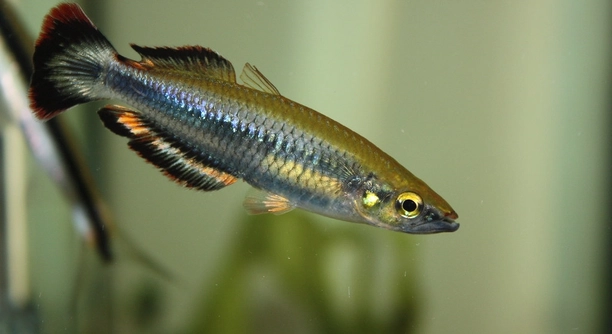
Rainbowfish are colorful, lively freshwater fish often kept in home aquariums. Many aquarists enjoy observing their playful movements and shimmering scales. Their behavior can be fascinating, especially when new objects or decorations are added to the tank.
Rainbowfish may respond to mirrors in their tank by displaying increased activity and territorial behaviors. While some interactions appear playful, repeated exposure can cause stress, so mirrors should be used cautiously and for limited periods.
Observing rainbowfish near mirrors can reveal interesting behaviors while helping you understand their natural instincts and social tendencies in a controlled environment.
How Rainbowfish React to Mirrors
Rainbowfish are naturally curious and social fish. When a mirror is placed in their tank, they often swim closer and may display increased movement. Some will flare their fins or chase their reflection, mistaking it for another fish. This behavior can be entertaining to watch, but it is not always a sign of happiness. Prolonged exposure can lead to stress or fatigue as the fish repeatedly respond to their reflection. In some cases, fish may become more aggressive or anxious, especially in smaller tanks where space is limited. Observing their response for short periods can provide insight into their behavior without causing harm. It’s important to monitor how each fish reacts because some may tolerate mirrors better than others. Using a mirror occasionally can stimulate activity and provide visual enrichment, but constant exposure should be avoided. Understanding their reactions helps ensure a healthy environment in the aquarium.
Using mirrors occasionally can make rainbowfish more active, but extended exposure may cause stress or fatigue.
Rainbowfish see their reflection as another fish, which triggers natural instincts like chasing or displaying dominance. Watching these behaviors can be interesting, yet it is important to maintain balance. Overexposure may result in exhaustion or signs of stress, including hiding or reduced feeding. A mirror can be used as a temporary enrichment tool, but it should never replace social interaction with other fish. By limiting the duration and observing reactions, aquarists can provide stimulation safely. Small, controlled mirror sessions can encourage movement and curiosity without negatively impacting their health. Each fish has a unique temperament, so some may tolerate reflections better, while others might become anxious. By understanding these behaviors, you can provide a safer and more engaging environment, helping rainbowfish stay active while preventing stress-related issues in the tank.
Benefits of Controlled Mirror Exposure
Short mirror sessions can boost activity and engagement in rainbowfish.
Controlled exposure to mirrors can be beneficial for rainbowfish in several ways. It encourages exercise, keeping their fins and muscles active, and can help reduce boredom in an otherwise static environment. The reflection can stimulate natural behaviors such as chasing, flaring, and exploring, which are often seen in social interactions with other fish. Using mirrors occasionally provides a form of enrichment that does not require additional fish, which can be helpful in smaller tanks. Careful monitoring ensures the fish do not become stressed or over-stimulated. These sessions should be limited in duration and frequency, allowing rainbowfish to rest and recover between exposures. When used properly, mirrors can enhance visual stimulation and encourage activity, adding an element of variety to their daily routine. This approach helps maintain both physical and mental well-being, ensuring rainbowfish remain healthy, alert, and engaged in their aquatic environment.
Signs Your Rainbowfish May Be Stressed
Rapid darting or hiding more than usual can indicate stress when mirrors are present. Fins may appear clamped, and some fish might refuse food. Watching for these behaviors helps prevent long-term problems in the tank environment.
Stress from mirror exposure often shows in physical and behavioral changes. Rainbowfish may chase their reflection repeatedly, become more aggressive toward tank mates, or display unusual swimming patterns. Some may hide in plants or decorations to escape the reflection, while others might reduce feeding or appear lethargic. Continuous exposure without breaks can lead to chronic stress, weakening their immune system and making them more prone to disease. Limiting the time mirrors are used and observing responses is essential for maintaining a healthy environment.
Behavioral signs should always be taken seriously. Clamped fins, loss of color, or excessive hiding are clear indicators that mirror sessions need to be stopped or reduced. Observing rainbowfish carefully allows for adjustments in tank enrichment and ensures they remain healthy. By monitoring stress indicators, you can provide a balanced environment that stimulates activity without causing harm or long-term health issues. Consistent observation is key to responsible care.
Safe Ways to Use Mirrors in a Tank
Use mirrors for short periods, ideally a few minutes a day. Limit frequency to prevent fatigue or stress.
Short mirror sessions provide stimulation without overtaxing rainbowfish. Place the mirror in the tank for a few minutes and then remove it, allowing the fish to return to normal behavior. Using a mirror occasionally encourages activity and can reduce boredom, especially in tanks with few companions. Monitoring each fish’s response is important, as some may become aggressive or anxious while others tolerate it well. Adjust placement and duration based on behavior to ensure safety and minimize stress. Short, controlled sessions are most effective for enrichment.
Mirrors can improve activity and provide visual stimulation if used carefully. Avoid leaving a mirror in the tank for extended periods, as this may cause prolonged chasing or aggression. Observing reactions allows you to tailor exposure to each fish’s temperament, preventing stress while promoting engagement. Combining mirror sessions with other forms of enrichment, such as plants, hiding spots, or gentle interaction, helps maintain mental and physical health. Safe, controlled use ensures rainbowfish enjoy stimulation without negative consequences, creating a more dynamic and interesting tank environment for both fish and aquarist.
Choosing the Right Mirror for Your Tank
Small, lightweight mirrors work best for short sessions. Avoid large or heavy mirrors that could damage the tank or overwhelm your fish.
Mirrors with smooth edges are safer to prevent injury. Reflective surfaces should be clean but not overly bright, as intense reflections can cause stress.
Timing and Duration of Mirror Sessions
Limit mirror exposure to a few minutes per session. Observing how your rainbowfish react helps determine the ideal timing and prevents over-stimulation. Adjust the schedule based on activity levels and stress signals to maintain a healthy balance in the tank.
Alternatives to Mirrors for Enrichment
Floating decorations, live plants, or gentle currents can stimulate movement. These options provide visual and physical engagement without causing stress.
FAQ
Do rainbowfish enjoy seeing themselves in mirrors?
Rainbowfish may show curiosity when they see their reflection. They often swim toward it, flare their fins, or follow the image around the tank. This behavior stems from natural instincts to interact with other fish. However, not all rainbowfish respond the same way. Some may ignore the reflection entirely, while others might become more active or even show territorial behavior. Observing your fish during short mirror sessions helps determine if they enjoy it or if it causes stress.
Can mirrors harm rainbowfish?
Yes, prolonged exposure to mirrors can lead to stress and fatigue. Continuous chasing or aggressive displays toward their reflection can exhaust them physically and mentally. Signs of stress include clamped fins, hiding, reduced feeding, and color fading. Using mirrors for only a few minutes at a time is safer and allows fish to recover. Adjusting session length based on your rainbowfish’s behavior minimizes risk and ensures their health is not compromised.
How often should I use a mirror in my rainbowfish tank?
Frequency depends on your fish’s reaction. For most rainbowfish, short daily sessions of two to five minutes are sufficient. Some may tolerate slightly longer or more frequent exposure, while others may show signs of stress quickly. Always observe behaviors closely, and stop sessions if aggression, hiding, or fatigue appear. Regular, brief use provides enrichment without overwhelming your fish.
What type of mirror is safest for rainbowfish?
A small, lightweight mirror with smooth edges is best. Avoid large mirrors that may dominate the tank space or cause injury if they shift. Avoid mirrors with harsh glare, as intense reflections can frighten or stress the fish. Cleaning the mirror before use ensures a clear reflection without harmful residues or smudges. Placing the mirror in different spots occasionally can add variation without over-stimulating the fish.
Can rainbowfish become aggressive toward their reflection?
Yes, some rainbowfish display territorial or dominant behavior toward mirrors. They may chase or nudge their reflection repeatedly. This behavior is natural but can become harmful if prolonged. Limiting mirror exposure and monitoring for signs of stress helps reduce the risk of aggressive tendencies affecting their overall health.
Are there alternatives to mirrors for stimulating rainbowfish?
Yes, alternatives include live plants, floating decorations, and gentle currents. Rearranging plants or adding new hiding spots encourages exploration and activity. Safe tank decorations provide visual and physical enrichment without causing stress. Combining these with occasional mirror sessions can balance stimulation and prevent boredom.
What signs indicate a rainbowfish is stressed from mirror use?
Indicators include hiding more than usual, clamped fins, faded colors, reduced appetite, or frantic swimming. If these behaviors occur, remove the mirror and allow the fish to rest. Short, monitored sessions and observing individual reactions are key to keeping rainbowfish healthy and active.
How long can a mirror be safely left in the tank?
Mirrors should never be left in the tank continuously. Limit exposure to a few minutes at a time, with sessions spaced throughout the week if needed. Constant reflection can cause exhaustion and chronic stress, so monitoring reactions is essential to ensure a safe environment.
Will all rainbowfish react the same to a mirror?
No, each fish has a unique temperament. Some may interact playfully, while others might ignore or become anxious. Observing each rainbowfish individually helps determine how long and how often mirror sessions can safely occur. Customizing exposure ensures that enrichment is positive for all fish.
Can mirror use improve rainbowfish activity?
Yes, occasional mirror sessions can stimulate movement and natural behaviors, encouraging exercise. It can be particularly useful in smaller tanks or when there are fewer tank mates. Controlled exposure adds enrichment without replacing social interaction with other fish. Monitoring reactions ensures activity remains safe and beneficial.
This FAQ section provides practical advice for safely using mirrors with rainbowfish, helping maintain a healthy, engaging tank environment.
Word count: 512
Final Thoughts
Rainbowfish are lively, colorful fish that benefit from thoughtful enrichment in their tanks. Mirrors can be one way to encourage activity, as they often spark curiosity and playful behavior. Observing a rainbowfish interact with its reflection can provide insight into its natural instincts, including chasing, flaring, and exploring. However, mirrors are not a replacement for proper social interaction with other fish or a well-decorated, stimulating environment. Their use should be considered carefully, with attention to the temperament and behavior of each fish. Short, controlled sessions are generally sufficient to provide enrichment without causing stress. By monitoring reactions closely, aquarists can gauge whether a mirror is a positive addition or if it may be creating tension in the tank. The goal is to enhance the tank environment while keeping the rainbowfish comfortable, active, and healthy.
Stress is the main concern when using mirrors in a rainbowfish tank. Prolonged exposure can lead to negative behaviors, such as aggression, frantic swimming, hiding, or reduced feeding. Some rainbowfish are more sensitive than others, and even a short session may be overwhelming for certain individuals. Signs like clamped fins, faded coloration, or fatigue indicate that the mirror should be removed immediately. Alternating mirror sessions with other forms of enrichment, like live plants, floating decorations, or rearranged hiding spots, helps balance stimulation without causing anxiety. Observation is key; by paying attention to subtle behavioral changes, aquarists can adjust how and when mirrors are used. The priority is always the fish’s well-being, ensuring that enrichment enhances their environment rather than disrupting it. Controlled use and careful monitoring create a safe and engaging space for rainbowfish to thrive.
Overall, mirrors can be a useful tool if approached responsibly. They provide a temporary way to encourage natural behaviors and physical activity, but they must be limited in duration and monitored carefully. Combining mirror use with other forms of tank enrichment ensures a more dynamic and interesting environment. Each rainbowfish has its own personality and tolerance level, so there is no one-size-fits-all approach. Regular observation, attention to stress signals, and gradual introduction of mirrors will allow for positive engagement without negative effects. Understanding your rainbowfish’s reactions and maintaining a balanced environment helps promote long-term health and well-being. By using mirrors thoughtfully and alongside other enrichment strategies, you can support a lively, active, and healthy tank where rainbowfish remain curious, energetic, and visually vibrant.
Word count: 416

Hello,
If you enjoy the content that we create, please consider saying a "Thank You!" by leaving a tip.
Every little bit helps us continue crafting quality advice that supports the health, happiness, and well-being of pets around the world, for pets of all shapes, sizes, and species.
We really appreciate the kindness and support that you show us!