
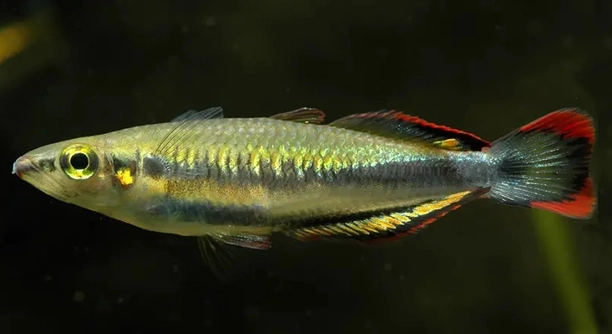
Have you ever noticed how colorful and lively rainbowfish can be in a well-maintained aquarium? Their shimmering scales make them a joy to watch, but keeping them healthy requires attention to their feeding habits and nutrition.
Proper feeding of rainbowfish involves providing a balanced diet that meets their nutritional needs, including high-quality flakes, frozen foods, and occasional live food. Consistent feeding schedules and portion control are essential to maintain their health and vibrant coloration.
Learning these feeding practices can enhance your aquarium experience and ensure your rainbowfish thrive with bright, lasting colors and energetic behavior.
Continue the blog post following the outline and format. Write in a simplistic style. Do not use a greeting. Make it feel slightly personal. Format the headers as h2 headers in Markdown formatting. Do not repeat yourself.; Outline and Format:; Header: xxxxxxxxxxxxxxxxxxx; 150 words paragraph; 50 word paragraph; 100 word paragraph; Header: xxxxxxxxxxxxxxxxxxx; 50 words paragraph; 200 words paragraph; Note: Do not use the words: “culprit”, “journey”, “scrumptious”, “enthusiast”, “friend”, “world of”. ; Note: Get straight to the point. Respect the given word count for every paragraph.
Choosing the Right Food
Rainbowfish thrive on a variety of foods that provide complete nutrition. High-quality flakes or pellets should form the diet’s base, while live or frozen foods add protein and stimulate natural feeding behavior. Occasional vegetable matter supports vitamins and fiber intake.
Selecting foods involves considering nutritional content and texture. Flakes or pellets should float or sink slowly to allow all fish to feed comfortably. Live foods like brine shrimp or daphnia encourage natural hunting instincts, improving activity levels. Frozen alternatives offer convenience and reduced risk of introducing pathogens. Supplementing with vegetables such as peas or spinach ensures essential vitamins and minerals. Rotating food types keeps fish interested and prevents selective feeding habits, which can lead to nutritional deficiencies. Feeding a mix of protein-rich and plant-based foods promotes overall growth, coloration, and immunity. Careful selection of food ensures that rainbowfish remain active, vibrant, and healthy while reducing the likelihood of digestive problems.
Balancing diet variety is key to maintaining rainbowfish health. Consistency in feeding schedules paired with nutritious foods results in better coloration, improved energy, and lower susceptibility to disease.
Monitoring Feeding Behavior
Observing feeding behavior helps detect issues early. Active, alert fish that eat readily indicate good health and tank conditions.
Monitoring behavior allows timely adjustments in diet or feeding frequency. Fish that ignore food may be stressed, sick, or receiving inappropriate portions. Overly aggressive eating can indicate competition, requiring more feeding spots or adjusted portions. Recording feeding patterns over time helps identify preferences and ensures all fish are receiving enough nutrition. Changes in appetite or activity can be early signs of water quality problems or disease. Proper observation combined with regular tank maintenance supports healthy, thriving rainbowfish. Consistent attention allows intervention before minor issues escalate, maintaining overall tank stability.
Feeding response also informs portion control and diet rotation. Fish that finish food quickly may need slightly larger portions, while slower feeders benefit from smaller amounts. Observing how fish interact with live or frozen foods shows which types encourage natural behaviors. Adjusting the diet based on these observations supports growth, coloration, and immune health. Regularly monitoring feeding behavior ensures the aquarium remains a balanced and stress-free environment. Over time, careful attention results in fish that are not only visually vibrant but also display healthy, active, and natural behaviors consistently.
Avoiding Overfeeding
Feeding too much can harm rainbowfish and degrade water quality. Uneaten food produces waste, increasing ammonia and stressing fish.
Smaller, controlled portions prevent overfeeding. Feeding two to three times daily with amounts that fish can consume in minutes keeps them healthy and the tank clean.
Maintaining a Consistent Feeding Schedule
Consistency in feeding supports digestion, growth, and coloration. Rainbowfish benefit from a predictable routine, reducing stress and encouraging natural behavior. Establish fixed times each day and stick to them. Irregular feeding can cause overeating or missed meals, weakening health. Predictable feeding reinforces tank stability and helps fish remain active and energetic.
Using Supplements Carefully
Occasional supplements can support immune health and color. Overuse should be avoided to prevent imbalance and digestive issues.
FAQ
What is the best type of food for rainbowfish?
Rainbowfish do best with a varied diet. High-quality flake or pellet food should be the main source of nutrition, while live or frozen foods like brine shrimp, daphnia, and bloodworms provide protein and stimulate natural hunting behaviors. Occasionally, blanched vegetables such as spinach or peas can add essential vitamins and fiber. A balanced mix ensures growth, bright coloration, and overall health.
How often should rainbowfish be fed?
Feeding two to three times per day is ideal. Young rainbowfish need more frequent meals than adults because of their faster metabolism. Smaller portions consumed quickly prevent leftover food from contaminating the water. Regular schedules reduce stress, improve digestion, and maintain activity levels, supporting the long-term health of the fish.
Can I overfeed my rainbowfish?
Yes, overfeeding is a common issue. Excess food decays in the tank, increasing ammonia and nitrite levels, which are harmful to rainbowfish. Observing how much they eat within a few minutes helps determine correct portions. Using smaller amounts multiple times a day keeps the fish healthy and the aquarium clean.
What live foods are safe for rainbowfish?
Brine shrimp, daphnia, and bloodworms are safe and highly nutritious options. They encourage natural hunting instincts and help maintain activity levels. Live foods should be from reliable sources to reduce the risk of disease. Offering them occasionally supplements the main diet of flakes or pellets, enhancing overall nutrition.
Are frozen foods a good alternative?
Frozen foods provide a convenient, safe alternative to live foods. Brine shrimp, daphnia, and bloodworms can be frozen and thawed as needed. They retain most nutrients and reduce the risk of introducing pathogens into the tank. Rotating frozen and live options maintains interest and encourages natural feeding behavior.
Do rainbowfish need vegetables in their diet?
Yes, vegetables provide vitamins, minerals, and fiber that support digestion and overall health. Blanched peas, zucchini, or spinach can be offered occasionally. While rainbowfish are primarily carnivorous, small amounts of plant matter help maintain a balanced diet and prevent nutrient deficiencies over time.
How can I tell if my rainbowfish is healthy?
Healthy rainbowfish are active, swim freely, and display bright coloration. They eat consistently and respond quickly to food. Signs of stress or illness include lethargy, loss of color, or refusal to eat. Observing daily behavior allows early detection of potential issues before they become serious.
What should I do if a fish refuses food?
Refusal to eat may indicate stress, illness, or incorrect food type. Check water quality and temperature first. Offering small portions of live or frozen foods can encourage feeding. If the fish continues to refuse food, isolate it in a quarantine tank and monitor for signs of disease.
Is it necessary to rotate food types?
Yes, rotating foods ensures rainbowfish receive a balanced range of nutrients and prevents selective eating habits. Alternating flakes, pellets, live foods, and frozen options encourages natural foraging behavior and supports long-term growth, coloration, and immune system strength.
Can supplements improve coloration?
Certain supplements can enhance color, but they should be used sparingly. Overuse can lead to nutrient imbalances or digestive issues. A varied diet with high-quality flakes and occasional live or frozen foods typically provides sufficient nutrients for natural, vibrant coloration without extra additives.
How important is feeding observation?
Monitoring how rainbowfish eat helps determine portion sizes, detect illness, and prevent overfeeding. Watching interactions during feeding also highlights aggressive behavior or slow feeders, allowing adjustments. Careful observation ensures all fish receive adequate nutrition while keeping the tank environment stable and healthy.
Can rainbowfish live on only flake food?
Flake food alone can sustain rainbowfish short-term, but it does not provide the full range of nutrients. Combining flakes with live or frozen protein sources and occasional vegetables ensures growth, immune health, and vibrant coloration. A varied diet is always preferable for long-term wellbeing.
What are common signs of overfeeding?
Excess food remaining in the tank, cloudy water, and sluggish fish are indicators of overfeeding. Over time, this can cause digestive issues, obesity, and poor water quality. Using measured portions and feeding smaller amounts multiple times daily prevents these problems while maintaining fish health.
How does water quality affect feeding?
Poor water quality can reduce appetite, slow digestion, and increase disease risk. Clean, well-filtered water ensures rainbowfish can process food efficiently and absorb nutrients fully. Regular water testing and maintenance complement proper feeding practices to keep fish healthy and vibrant.
Is there a difference between juvenile and adult feeding?
Juvenile rainbowfish require more frequent feedings due to rapid growth. Adults need slightly smaller portions less often. Adjusting food amounts and frequency according to age ensures proper development and prevents overfeeding, maintaining balanced growth and coloration.
What is the safest way to introduce new food?
Introduce new foods gradually to prevent digestive upset. Offer small amounts alongside familiar options, observing how the fish react. Gradual introduction helps fish adjust to different textures and nutrients, promoting healthy eating habits and preventing rejection or stress.
Can rainbowfish eat the same food every day?
Feeding the same food daily may lead to nutrient deficiencies and boredom. Rotating flakes, pellets, live, and frozen foods ensures a balanced diet. Variety maintains interest, encourages natural behaviors, and supports optimal growth, coloration, and overall health.
How long should feeding take?
Feedings should last only a few minutes. Rainbowfish should consume all food quickly, preventing leftovers from polluting the water. Observing the feeding process helps gauge appropriate portion sizes and ensures all fish have access to food, maintaining a healthy, clean tank environment.
Can feeding frequency affect fish behavior?
Yes, inconsistent or irregular feeding can cause stress, aggression, and overeating. Maintaining a predictable routine supports natural behavior, reduces competition during meals, and improves digestion. Consistent feeding promotes active, calm, and healthy rainbowfish, making tank management easier.
What precautions should I take with live food?
Only use live food from trusted sources to avoid introducing parasites or diseases. Rinse or quarantine new live foods if possible. Feeding small amounts gradually reduces stress on fish and ensures safety. Combining live foods with flakes or frozen options maintains a balanced, safe diet.
How can I prevent selective feeding?
Offer a variety of foods and ensure all fish have equal access. Rotating flakes, pellets, and live or frozen foods discourages favoritism. Observing feeding behavior helps identify fish that may be consistently missing out, allowing adjustments to maintain balanced nutrition for the entire group.
Does temperature affect feeding?
Yes, rainbowfish metabolism and appetite are influenced by water temperature. Feeding in stable, optimal conditions ensures proper digestion and nutrient absorption. Sudden temperature changes can reduce appetite and slow metabolism, impacting overall health. Consistent temperature supports efficient feeding and active behavior.
How can I tell if my rainbowfish is getting enough protein?
Active swimming, healthy growth, and bright coloration indicate sufficient protein intake. Slow growth, pale colors, or lethargy may suggest a protein deficiency. Including live or frozen foods along with flakes ensures rainbowfish receive the protein necessary for optimal health and development.
Can overfeeding cause disease?
Yes, excess food can lead to obesity, digestive issues, and poor water quality, which increases susceptibility to illness. Maintaining proper portion sizes, feeding schedules, and tank cleanliness minimizes disease risk while promoting healthy growth and vibrant coloration.
What is the role of fiber in their diet?
Fiber from vegetables aids digestion and prevents constipation. Small amounts of blanched peas or spinach support gut health and help maintain a balanced diet, complementing protein-rich flakes, pellets, and live foods. Adequate fiber contributes to overall wellbeing and proper nutrient absorption.
How do I know when to adjust feeding routines?
Changes in appetite, behavior, or growth indicate the need for adjustment. Regular observation of feeding and tank conditions helps determine if portions, frequency, or food types require modification to maintain health and optimal nutrition.
Is it safe to feed rainbowfish human food?
Generally, human food is not recommended. Certain vegetables or small amounts of cooked protein may be safe occasionally, but most human foods lack proper nutrition and can introduce harmful substances. Stick to high-quality flakes, pellets, live, and frozen foods for balanced, safe nutrition.
Can supplements replace a varied diet?
Supplements cannot fully replace a balanced diet. They may enhance specific nutrients, but rainbowfish require a mix of flakes, live or frozen foods, and occasional vegetables to meet all nutritional needs. Overreliance on supplements can create imbalances and health issues.
What are signs of malnutrition in rainbowfish?
Dull coloration, slow growth, lethargy, and poor appetite are signs of inadequate nutrition. Observing these symptoms early allows changes in diet or feeding practices, preventing long-term health problems and supporting vibrant, active fish.
How can I encourage picky eaters?
Offer live or frozen foods alongside familiar options. Gradually introduce new textures and flavors while monitoring response. Feeding smaller amounts multiple times per day ensures they receive proper nutrition without overwhelming them, encouraging healthy eating habits.
What role does water quality play in feeding success?
Clean, well-maintained water ensures proper digestion, nutrient absorption, and overall health. Polluted water can reduce appetite and increase disease risk. Regular testing and water changes complement proper feeding practices to maintain vibrant, healthy rainbowfish.
How should feeding differ for community tanks?
Provide multiple feeding points and a mix of foods to ensure all species get proper nutrition. Observe behavior during feeding to prevent aggressive dominance and ensure slower or smaller fish receive enough food, promoting harmony and health in the community tank.
Can rainbowfish survive on flakes alone long-term?
Flakes can sustain life but do not provide complete nutrition. Supplementing with live or frozen protein sources and occasional vegetables ensures proper growth, coloration, and immune health. A varied diet is essential for long-term wellbeing and active behavior.
What is the best way to transition fish to new food?
Introduce new foods gradually alongside familiar options. Start with small amounts and observe acceptance, gradually increasing the portion. This prevents digestive upset and helps fish adjust to new textures and nutrient profiles without stress or rejection.
How do I prevent uneaten food from causing issues?
Feed small portions and remove leftovers promptly. Monitoring consumption ensures all fish eat enough without leaving excess. Uneaten food can degrade water quality, leading to stress and illness, so careful portion control and observation are essential.
Does age affect feeding requirements?
Yes, juveniles need more frequent, smaller meals to support rapid growth. Adults require slightly less frequent feedings. Adjusting feeding schedules and portions according to age ensures proper development, maintains health, and supports vibrant coloration throughout the fish’s life.
How can I make feeding more effective?
Observe behavior, use appropriate portion sizes, rotate food types, and maintain consistent schedules. Combining flakes, live, frozen foods, and vegetables ensures complete nutrition, encourages natural behavior, and supports growth, coloration, and overall health in rainbowfish.
What precautions should I take with live versus frozen foods?
Live foods may carry parasites, so sourcing from trusted suppliers is essential. Frozen foods are safer but should be thawed properly. Both should be offered in moderation and rotated with flakes to ensure balanced nutrition and maintain fish interest.
How do I know if my rainbowfish are eating enough?
All fish should consume food quickly without leftovers. Monitor feeding behavior for signs of slow or aggressive eaters. Adjust portions and feeding methods to ensure all fish get adequate nutrition, supporting growth, coloration, and overall wellbeing.
Can feeding too infrequently harm rainbowfish?
Yes, infrequent feeding can reduce energy, growth, and immunity. Maintaining a consistent routine of two to three small feedings per day supports digestion, activity, and overall health, preventing stress and nutrient deficiencies.
Are there foods to avoid entirely?
Avoid processed human foods, fatty items, or anything with additives. Stick to high-quality flakes, pellets, live, frozen, and occasional vegetables. Unsafe foods can cause digestive issues, water contamination, and long-term health problems.
How do I track feeding habits effectively?
Observe daily, note portion sizes, food types, and fish response. This helps identify issues, adjust schedules, and ensure all fish receive proper nutrition. Regular tracking supports optimal growth, coloration, and overall health in rainbowfish.
Can feeding affect fish coloration significantly?
Yes, proper nutrition directly influences coloration. High-quality protein, vitamins, and minerals enhance natural hues, while deficiencies lead to dullness. A varied diet, including flakes, live, frozen foods, and occasional vegetables, ensures rainbowfish display vibrant, healthy colors consistently.
What steps help prevent feeding-related tank problems?
Control portions, feed small amounts, remove leftovers, maintain water quality, and monitor behavior. Combining consistent feeding routines with clean water prevents overfeeding, reduces disease risk, and promotes overall fish health.
How long should rainbowfish take to adjust to a new diet?
Adjustment can take several days to a week. Introduce gradually, mixing new foods with familiar options, and observe acceptance. Patience ensures smooth transition without digestive issues or stress, supporting proper nutrition.
Does tank size influence feeding practices?
Yes, larger tanks may require more feeding spots to prevent competition, while smaller tanks need careful portion control to avoid water quality issues. Tailoring feeding practices to tank size ensures all fish get adequate nutrition and prevents stress.
Can I feed rainbowfish overnight?
Automatic feeders can be used, but food should be consumed quickly. Avoid leaving food overnight as uneaten portions can decay, harming water quality and fish health. Careful portioning and observation are safer and more effective.
What role does social behavior play in feeding?
Dominant fish may outcompete others for food. Multiple feeding points and observation ensure all fish receive nutrition. Managing feeding behavior supports harmony, reduces stress, and ensures proper growth and health across the group.
How do seasonal changes affect feeding?
Temperature fluctuations influence metabolism. In cooler water, rainbowfish may eat less, while warmer conditions increase appetite. Adjust feeding amounts and frequency to match seasonal behavior, ensuring proper nutrition and health throughout the year.
Can overuse of supplements cause problems?
Yes, excessive supplements may disrupt nutrient balance, cause digestive issues, or mask deficiencies. They should be used sparingly and only to complement a varied, balanced diet of flakes, live, frozen foods, and vegetables.
How important is variety in protein sources?
Variety ensures all essential amino acids are provided, supporting growth, immunity, and coloration. Using flakes, pellets, live, and frozen options prevents deficiencies and keeps fish engaged, encouraging natural feeding behavior.
Should feeding change with breeding or spawning?
Yes, breeding fish require higher protein intake and slightly increased feeding frequency. Providing nutritious live or frozen foods supports energy needs and egg or fry development, ensuring healthy reproduction and growth.
Can stress affect feeding habits?
Stress reduces appetite and may cause selective eating. Maintain stable water parameters, consistent feeding routines, and minimal disturbances to ensure rainbowfish remain healthy and feed regularly.
How do I prevent competition during feeding?
Provide multiple feeding spots and distribute food evenly. Observing behavior helps ensure timid or slower fish get their share, preventing stress and promoting balanced nutrition.
Is it necessary to weigh portions?
Not always, but estimating amounts ensures fish eat all food quickly without leftovers. Adjust portions based on observation to prevent overfeeding and maintain water quality.
What are safe frozen food handling practices?
Thaw in a clean container, rinse if necessary, and remove uneaten portions promptly. Avoid refreezing leftovers. Proper handling preserves nutrients and prevents contamination, keeping rainbowfish healthy.
How does age affect protein requirements?
Younger fish need more protein for growth, while adults require less. Adjust food types and portions accordingly to maintain healthy development, coloration, and activity levels.
Can feeding errors lead to long-term health issues?
Yes, consistent overfeeding, underfeeding, or poor diet choices can cause obesity, malnutrition, weakened immunity, and poor coloration. Maintaining balanced feeding practices is essential for long-term health and vitality.
How do I encourage natural feeding behavior?
Offer live or frozen foods that mimic natural prey. Scatter food or use feeding rings to promote foraging. This supports activity, reduces stress, and strengthens natural instincts.
What is the role of vitamins in diet?
Vitamins support immunity, growth, and coloration. Balanced diets with flake, live, frozen foods, and occasional vegetables generally provide adequate vitamins, minimizing the need for supplements.
How often should I change feeding routines?
Change routines gradually to adjust for growth, seasonal behavior, or dietary needs. Sudden changes can stress fish, while careful adjustments maintain health and activity.
Can rainbowfish survive on plant matter alone?
No, they require protein-rich foods. Vegetables supplement their diet but cannot replace live, frozen, or high-quality flake sources necessary for growth, energy, and vibrant coloration.
What is the safest way to introduce supplements?
Offer small amounts alongside regular diet. Monitor response and avoid overuse. Supplements should enhance, not replace, balanced nutrition from primary food sources.
How do I ensure all fish get food in a group?
Distribute food across the tank and observe feeding. Adjust portions and spots for timid or smaller fish to prevent starvation and ensure balanced nutrition.
Does tank decoration affect feeding?
Yes, dense decorations can create hiding spots where some fish may miss meals. Ensure food reaches all areas and observe behavior to prevent unequal feeding.
Can rainbowfish adapt to new foods quickly?
Adaptation varies by individual. Gradual introduction alongside familiar foods improves acceptance. Patience and observation ensure smooth transition without stress or nutritional deficiencies.
How does water flow impact feeding?
Strong currents may carry food away before fish can eat. Adjust flow or feed in calmer areas to ensure proper consumption and prevent waste, maintaining nutrition and water quality.
Are there signs of nutrient deficiency?
Pale coloration, poor growth, weak immune response, and lethargy indicate deficiencies. Rotating foods and providing balanced nutrition prevents these issues, supporting overall health and vibrancy.
Can feeding frequency change with temperature?
Yes, lower temperatures slow metabolism, reducing appetite. Warmer water increases energy needs. Adjust feeding frequency to match metabolic demands while preventing overfeeding and maintaining water quality.
How important is portion consistency?
Consistent portions prevent overfeeding or underfeeding, ensuring stable growth, coloration, and digestion. Observing daily consumption helps maintain the correct balance and tank health.
Can feeding location affect behavior?
Yes, centralized feeding may lead to competition. Spreading food reduces aggression, allows timid fish to eat, and supports balanced nutrition.
What tools help manage feeding effectively?
Measuring cups, feeding rings, and automatic feeders help control portions and timing. Observation remains essential to ensure fish consume food properly and tank conditions remain stable.
How do I manage feeding for mixed species tanks?
Offer different food types suitable for all species, provide multiple feeding areas, and monitor interactions. Adjust portions to ensure each species
Proper feeding is one of the most important factors in keeping rainbowfish healthy and vibrant. Providing a balanced diet that includes high-quality flakes or pellets, live or frozen foods, and occasional vegetables ensures that fish receive the nutrients they need for growth, strong immunity, and bright coloration. It is not just about the type of food but also about how much and how often you feed them. Offering small portions two to three times a day prevents overfeeding, helps maintain water quality, and supports proper digestion. Observing how your fish eat can give valuable insight into their health, showing which fish may need adjustments in portions or food type. A well-fed rainbowfish is more active, displays natural behaviors, and has a longer, healthier life.
Consistency in feeding routines also plays a key role in maintaining the overall stability of the aquarium. Rainbowfish benefit from predictable schedules, which reduce stress and encourage regular eating habits. Over time, establishing a routine helps prevent issues like aggression over food and ensures that all fish have equal access to nutrition. Monitoring feeding behavior allows for early detection of potential problems, whether it is food refusal, overfeeding, or signs of illness. Adjusting portions and food types gradually, based on the fish’s size, age, and activity level, supports continuous health and development. Combining proper feeding routines with regular water maintenance, such as cleaning uneaten food and monitoring water parameters, creates an environment where rainbowfish can thrive and maintain their natural colors. The combination of balanced nutrition and careful observation makes a significant difference in the long-term wellbeing of your aquarium.
Feeding rainbowfish is more than a simple task; it is a way to ensure their health and enhance the beauty of your aquarium. By carefully selecting food, rotating between flakes, pellets, live, and frozen options, and offering vegetables occasionally, you provide a complete diet that meets all nutritional needs. Attention to portion sizes, feeding frequency, and consistent schedules helps prevent common issues like overfeeding, obesity, and poor water quality. Observing fish behavior during meals can reveal subtle signs of stress or nutritional deficiency, allowing timely adjustments. Ultimately, proper feeding practices create a harmonious and stable tank, promoting active, vibrant, and healthy rainbowfish. With consistent care and attention, your rainbowfish will remain lively, colorful, and resilient, making your aquarium both visually pleasing and easier to manage.

Hello,
If you enjoy the content that we create, please consider saying a "Thank You!" by leaving a tip.
Every little bit helps us continue crafting quality advice that supports the health, happiness, and well-being of pets around the world, for pets of all shapes, sizes, and species.
We really appreciate the kindness and support that you show us!