
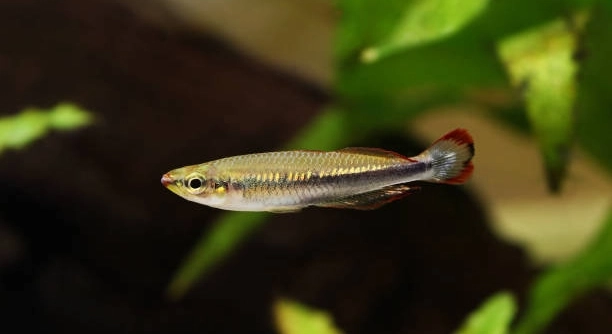
Rainbowfish are small, colorful freshwater fish that brighten aquariums with their shimmering scales. Their vibrant hues vary among species and can change with mood, environment, or social interactions, adding life and movement to any aquatic space.
Rainbowfish use color changes primarily as a form of communication. Bright colors signal readiness to mate, assert dominance, or indicate health, while duller tones can show submission or stress. Color serves as a vital social and reproductive cue in their behavior.
Learning how and why rainbowfish shift their colors helps us understand their social interactions and ensures their well-being in home aquariums. Observing these changes reveals more than just visual beauty.
How Rainbowfish Use Color to Communicate
Rainbowfish change colors to convey different messages within their group. Males often display brighter shades to attract females or assert dominance, while females may use subtle color shifts to indicate readiness to spawn or discomfort. Environmental factors, such as lighting, water quality, and temperature, also influence their appearance, allowing fish to adjust their signals accordingly. Observing these shifts can reveal patterns in social hierarchy and mood. Color changes can happen quickly during interactions, or slowly over weeks as part of growth and development. Juvenile fish may display muted colors until they reach maturity, at which point their full palette becomes visible. Understanding these dynamics allows aquarists to create supportive habitats where social signals are clear, minimizing stress and conflict. Even small changes in tank setup, like adding hiding spaces or rearranging decorations, can impact how rainbowfish express themselves through color. Their vivid displays are more than decoration; they are an essential form of communication that reflects both internal state and environmental adaptation.
Rainbowfish use color actively to signal dominance, mating readiness, or stress. Observing these patterns helps maintain a healthy aquarium.
By paying attention to color changes, you can anticipate social shifts, reduce aggression, and encourage natural behaviors. Keeping a balanced number of males and females, along with proper tank conditions, ensures vibrant displays are part of healthy interactions rather than a response to stress or competition.
Factors That Influence Color Changes
Lighting, water quality, and diet all impact rainbowfish coloration. Natural light or full-spectrum aquarium bulbs enhance brightness, while poor water conditions dull their appearance.
Environmental factors and social dynamics determine how rainbowfish display colors. Stress from overcrowding or aggressive tank mates can suppress their natural hues. Diet is another crucial factor; foods rich in carotenoids and vitamins enhance pigmentation, while poor nutrition can lead to faded or uneven colors. Temperature also plays a role, as colder water slows metabolism and reduces color intensity, whereas stable, optimal temperatures promote vivid displays. Even subtle changes, like rearranging plants or adding decorations, can influence color expression by altering perceived territory or hiding spaces. Social hierarchy affects males especially, as dominant individuals show brighter colors, while subordinates adopt muted tones to avoid conflict. Understanding these factors allows caretakers to create conditions where rainbowfish can communicate effectively through their natural coloration, fostering both visual beauty and healthy social interactions.
Mating and Social Signals
Bright colors in male rainbowfish indicate readiness to mate and attract females. Subtle shifts in hue or intensity can show dominance or submission within the group. These visual cues help maintain harmony and prevent unnecessary conflicts among fish in the same tank.
Male rainbowfish often display vibrant fins and scales to impress potential mates. Females watch these displays carefully, responding with their own subtle color changes that signal receptivity or disinterest. Dominant males keep their brightness steady, while weaker males may show paler tones to avoid confrontation. Social interactions are constant, and color provides a silent, efficient way for fish to communicate without direct aggression, ensuring that hierarchy and breeding patterns are maintained naturally.
Environmental stability influences these social signals. Adequate space, consistent water conditions, and proper nutrition allow rainbowfish to express their colors fully. Stress, overcrowding, or poor diet can dull their appearance, weakening their communication. Recognizing these cues helps create a healthier tank where rainbowfish can interact and reproduce successfully.
Color Changes as a Stress Indicator
Dull or faded colors often signal stress, illness, or environmental imbalance in rainbowfish. Observing these changes allows for early intervention.
Stress, overcrowding, and illness directly impact rainbowfish coloration. Fish that feel threatened or unwell will display muted tones, while a healthy, relaxed environment encourages bright, dynamic colors. Rapid color changes may indicate acute stress, while gradual fading often points to longer-term issues such as poor diet or unstable water conditions. Monitoring these shifts is crucial for maintaining a thriving aquarium.
Diet, water quality, and tank setup play essential roles in color expression. Consistent feeding with nutrient-rich foods, stable temperatures, and clean water promote natural, vivid coloration. Providing hiding spots and reducing aggressive interactions also help rainbowfish feel secure, allowing them to maintain their full spectrum of colors. Understanding how stress affects color ensures timely care and keeps the fish visually healthy, socially balanced, and emotionally stable.
Juvenile vs Adult Coloration
Juvenile rainbowfish show muted colors until maturity. Their subdued tones help them blend in and avoid aggression from adults.
As they grow, colors become more pronounced. Adult males develop vibrant scales, while females remain subtler. This difference guides social interactions and mating behavior naturally within the group.
Seasonal and Environmental Effects
Color intensity in rainbowfish can fluctuate with seasons and environmental changes. Temperature, lighting, and water quality directly influence their appearance. Seasonal variations in daylight or slight shifts in water parameters can enhance or dull colors, affecting both social communication and mating displays. Consistent conditions help maintain optimal vibrancy.
Feeding and Color Enhancement
A nutritious diet rich in carotenoids strengthens natural coloration. Regular feeding with appropriate foods allows rainbowfish to display their full spectrum effectively, reflecting both health and readiness to interact socially.
FAQ
How do rainbowfish communicate through color?
Rainbowfish communicate primarily through visual signals. Males display bright, vibrant colors to show dominance or attract females, while duller tones indicate submission or stress. Females use subtle color shifts to signal readiness to spawn or indicate discomfort. Color changes act as a silent language within social groups.
Do environmental factors affect their coloration?
Yes, lighting, water quality, temperature, and tank setup all influence how rainbowfish display color. Full-spectrum lighting enhances brightness, while poor water conditions or inconsistent temperatures can dull their appearance. Even small changes, like rearranging plants, can affect color expression by altering their perception of territory.
Can diet impact color intensity?
A balanced, nutrient-rich diet is essential. Foods high in carotenoids, vitamins, and protein strengthen natural pigmentation. Inadequate nutrition can lead to faded or uneven coloration. Feeding variety and consistency ensures rainbowfish maintain vivid colors, which reflects both health and proper social signaling within the tank.
Do males and females display colors differently?
Yes, males are usually more vibrant, especially during mating periods. Their bright colors attract females and assert dominance over rivals. Females tend to remain subtler, using small shifts to indicate reproductive readiness or stress. This distinction helps maintain social hierarchy and prevents unnecessary conflicts among tank mates.
Are color changes immediate or gradual?
Both. Some changes happen quickly during social interactions or stress, while others develop gradually over weeks or months. Juveniles gradually develop their full colors as they mature, while adults may adjust brightness or hue rapidly in response to environmental or social cues.
What does dull coloration indicate?
Dull or faded colors often signal stress, illness, or environmental imbalance. Overcrowding, aggressive tank mates, poor water quality, or inadequate nutrition can all lead to muted colors. Observing these changes allows early intervention to maintain fish health and proper social interactions.
How can tank conditions enhance coloration?
Stable water conditions, proper temperature, adequate space, and hiding spots support natural color expression. Full-spectrum lighting and minimal stress from other fish also help maintain brightness. Adjusting environmental factors carefully ensures rainbowfish display their colors effectively, which promotes healthy social behavior and reduces aggression.
Do rainbowfish use color for mating purposes?
Absolutely. During mating, males display their brightest scales to attract females. Females respond with subtle changes indicating receptivity or disinterest. Dominant males maintain vibrant colors to reinforce status, while subordinates may adopt muted tones to avoid confrontation. Color is a key factor in reproductive communication.
Can stress affect communication through color?
Yes, stress suppresses natural color expression. Fish under stress from poor conditions, illness, or social pressure often display muted hues. This can interfere with social signals, leading to confusion or aggression. Reducing stress through proper care helps rainbowfish communicate effectively and maintain healthy interactions.
Do juvenile rainbowfish communicate the same way as adults?
Not fully. Juveniles have muted colors that help them blend in and avoid adult aggression. Their social communication through color is limited until they mature. Once adults, their colors become more pronounced, allowing them to participate in hierarchy, mating, and social signaling.
How often should diet and tank conditions be monitored for color health?
Daily observation is ideal. Check water parameters, temperature, and tank cleanliness regularly. Feed a balanced diet consistently to maintain vibrant coloration. Early detection of stress or environmental shifts prevents color fading and ensures rainbowfish continue to communicate effectively within the tank.
Can color changes indicate compatibility between fish?
Yes, observing color interactions helps assess social dynamics. Bright displays and responses indicate healthy communication, while persistent dullness or sudden fading may signal aggression, stress, or incompatibility. Adjusting tank conditions or separating incompatible fish helps maintain harmony and proper color-based communication.
Do all species of rainbowfish show the same color communication?
While most species use color for social signaling, intensity, patterns, and specific displays vary. Some species have subtle shifts, while others exhibit dramatic changes. Understanding the particular species in your tank helps interpret communication accurately and respond to their needs effectively.
Can seasonal changes affect their colors?
Seasonal variations, such as daylight length and minor temperature fluctuations, can influence intensity and vibrancy. Stable, consistent tank conditions minimize these effects, ensuring rainbowfish display optimal colors year-round and maintain reliable social and mating signals.
Is there a way to encourage natural coloration without artificial additives?
Yes, focusing on diet, tank setup, and environmental stability is the best approach. Provide nutrient-rich foods, proper lighting, adequate space, and minimal stress. Avoid chemicals or artificial enhancers; natural care ensures colors develop and reflect health, social standing, and readiness to interact.
How can you tell if color changes are normal or a problem?
Normal changes occur with social interaction, mood, or reproductive cycles. Persistent fading, irregular patches, or sudden dullness often signal stress, illness, or poor conditions. Monitoring behavior, feeding, and water parameters alongside color shifts helps determine if intervention is needed.
What role does social hierarchy play in color expression?
Dominant males show brighter colors, while subordinates adopt muted tones to prevent conflict. Females use subtle signals to indicate receptivity or avoidance. Color helps maintain hierarchy naturally, reducing aggression and guiding reproductive behavior effectively.
Can tank decorations influence color communication?
Yes, decorations impact territory perception and hiding spaces. Rearranging plants or adding structures can change how fish express colors socially. Proper placement encourages natural displays, supports hierarchy, and reduces stress-induced dulling of hues.
How long do rainbowfish maintain their full color?
Under stable, healthy conditions, adults maintain vibrant colors for years. Aging or chronic stress can dull hues over time. Consistent care, nutrition, and environmental stability are key to preserving natural brightness and effective color communication.
Does tank size affect color expression?
Yes, limited space increases stress and suppresses natural coloration. Adequate tank size provides room for territory, movement, and hiding, allowing rainbowfish to display their full spectrum freely, enhancing both social communication and overall well-being.
What should you do if color changes indicate a problem?
Check water quality, diet, tank mates, and stress factors immediately. Correcting environmental or social issues restores color expression. Prompt attention prevents health decline and ensures rainbowfish continue communicating effectively through their natural colors.
Can observing color changes improve overall care?
Absolutely. Monitoring how fish express colors provides insights into health, social dynamics, and environmental satisfaction. Responding to shifts allows better nutrition, habitat adjustments, and improved tank harmony, ensuring rainbowfish thrive physically and socially.
Are there tools to help track color changes?
Simple observation, photographs, and note-taking are effective. Recording colors over time helps detect subtle shifts related to health, stress, or social changes. This practice supports proactive care and a deeper understanding of rainbowfish communication.
Do rainbowfish respond to other species with color changes?
Yes, interactions with non-conspecific fish can trigger stress or display changes. Dull tones often appear when rainbowfish feel threatened, while bright displays may occur in competitive scenarios. Understanding interspecies dynamics helps maintain harmony in mixed-species tanks.
How important is color communication for breeding success?
Critical. Mating relies on visual signals for selection and readiness. Bright males attract receptive females, while subordinates avoid conflict. Proper color communication ensures effective breeding, social stability, and the overall health of the population within the tank.
Can lighting alone change perceived coloration?
Lighting can enhance or reduce the apparent brightness of scales. Full-spectrum or natural-style lighting highlights true colors, while dim or uneven lighting may make even healthy fish appear dull. Consistent, appropriate lighting supports accurate observation and effective color communication.
Is it normal for rainbowfish to change colors multiple times a day?
Yes, rapid shifts often occur during social interactions, mating displays, or responses to environmental changes. Observing these frequent changes helps understand behavior, mood, and social dynamics within the tank.
How can consistent observation improve tank management?
Regular monitoring of color, behavior, and environment allows early detection of stress, illness, or social tension. Prompt adjustments maintain fish health, enhance natural coloration, and ensure that communication through color remains clear and effective.
Do rainbowfish lose color as they age?
Some gradual fading can occur with age, but healthy adults maintain vibrancy if diet, environment, and social structure are optimal. Aging fish may require more attentive care to preserve their natural displays and communication signals.
Can color changes indicate breeding readiness?
Yes, males intensify hues to attract females, and females show subtle shifts indicating receptivity. Observing these changes helps manage breeding programs and ensures interactions remain harmonious.
How fast do rainbowfish recover colors after stress?
Recovery depends on the cause and environment. Minor stress may see colors return within hours, while prolonged stress or poor conditions can take days or weeks. Restoring stable conditions accelerates natural color expression and healthy communication.
Are all color changes visible to the naked eye?
Many are, but some subtle shifts may require careful observation. Slight variations in intensity, hue, or pattern can signal social interactions, stress, or health issues that might otherwise be missed.
Can tank water chemistry impact color significantly?
Yes, pH, hardness, and ammonia levels influence coloration. Maintaining proper parameters ensures natural vibrancy, supports communication, and prevents stress-related dulling. Regular testing and adjustments are essential for color health.
Do rainbowfish display colors at night?
Colors are less visible in low light but may still reflect subtle shifts. Daylight or aquarium lighting is necessary for full color expression and accurate observation of communication signals.
Is observing color changes enough to assess health?
It is a useful indicator but should be combined with behavior, feeding, and physical signs. Color shifts provide early warning, but comprehensive monitoring ensures overall well-being.
Can stress-induced color changes be reversed?
Yes, with proper care. Improving diet, tank conditions, social balance, and reducing aggression allows fish to regain bright, natural colors and restore effective communication.
Do rainbowfish have permanent color patterns?
Some patterns are stable, while intensity fluctuates. Base patterns remain, but brightness and hue adjust with mood, social interactions, and environmental conditions, reflecting a dynamic communication system.
How can hobbyists use color observation effectively?
Track daily color changes, note interactions, and adjust tank care accordingly. Observing patterns helps anticipate social shifts, manage breeding, and maintain healthy, visually vibrant fish. Color serves as a key tool for proactive aquarium management.
What is the most reliable sign of stress in coloration?
Persistent dullness, uneven fading, or sudden darkening indicates stress. Coupled with behavioral changes, these signs signal that intervention is needed to restore health and social balance.
Do rainbowfish recognize each other through color?
Yes, color helps fish identify individuals, assess dominance, and maintain hierarchy. Recognition through visual cues reduces aggression and facilitates smooth social interactions.
Can frequent water changes affect color?
Yes, stability is key. Sudden changes can stress fish and temporarily dull colors. Gradual, consistent water maintenance preserves natural brightness and supports effective color communication.
Is breeding the only time color intensifies?
No, males may also brighten to assert dominance or respond to rivals. Color functions for social signaling beyond reproduction, helping maintain hierarchy and reduce conflict.
Are there signs that color communication is disrupted?
Yes, confusion in social interactions, increased aggression, or muted displays can indicate disrupted signaling. Correcting environmental or social stressors restores proper color-based communication.
How does age influence social color signals?
Juveniles use muted tones to avoid aggression, while adults display full intensity for hierarchy and mating. Age determines both color visibility and communication role within the group.
Can aquarium size affect color communication?
Limited space increases stress and suppresses color displays. Adequate room allows natural signaling, supporting hierarchy, breeding, and overall social stability.
How long do rainbowfish typically show vibrant colors?
With proper care, healthy adults maintain bright, expressive colors for years. Environmental stability, nutrition, and social balance are essential for longevity of vibrant displays.
Do rainbowfish adapt their colors to other species in the tank?
Yes, they may adjust brightness or hue in response to non-conspecific fish. This can indicate stress or caution, reflecting adaptive social signaling in mixed-species environments.
Are there visual cues besides color?
Yes, posture, fin position, and swimming patterns complement color signals. Observing these combined cues provides a fuller understanding of social dynamics and communication.
Can artificial lighting distort perceived colors?
Yes, lighting spectrum and intensity affect how colors appear. Proper aquarium lighting ensures accurate observation and effective interpretation of visual signals.
Do rainbowfish show color changes when relocating?
Yes, new surroundings can trigger stress responses, often showing duller tones. Gradual acclimation minimizes stress and helps maintain natural coloration.
How critical is diet diversity for color maintenance?
A varied diet ensures all necessary nutrients for pigmentation. Single-source feeding may limit color intensity and impact overall health. Variety supports both vibrancy and proper communication.
Can temperature swings affect coloration?
Yes, sudden or extreme fluctuations can stress fish and dull colors. Stable, optimal temperatures promote bright, consistent displays for social and mating communication.
Do rainbowfish have preferred lighting conditions for color display?
Full-spectrum or natural-style lighting enhances true coloration. Inadequate or uneven lighting can hide vibrancy, interfering with social signaling and observation.
How does aggression impact color expression?
Dominant fish maintain bright displays, while subordinates become muted. Excessive aggression or overcrowding can suppress natural color, signaling stress and affecting hierarchy.
Can observing color changes prevent illness?
Yes, subtle shifts often precede visible symptoms. Early detection through color observation allows timely intervention, preventing serious health issues.
Do rainbowfish recognize their reflection in a mirror?
Some may react to reflections as rivals, temporarily changing colors. This demonstrates how visual cues alone can trigger social or defensive responses.
Is it normal for color to fluctuate during feeding?
Yes, excitement or competition may intensify or dull colors. Feeding is a social and environmental trigger for dynamic color expression.
Can slow color changes indicate aging?
Gradual fading over years can reflect natural aging. Maintaining diet, environment, and social balance helps preserve brightness despite age-related changes.
Do rainbowfish communicate with other species using color?
Indirectly. They may adjust brightness or tone in response to perceived threats or competition, signaling caution without direct aggression.
Are there long-term effects of persistent stress on color?
Chronic stress can permanently dull coloration, disrupt social signaling, and affect reproductive success. Addressing causes early is essential for recovery.
How can you document color changes effectively?
Take regular photos, keep notes on behavior and tank conditions. Comparing over time allows identification of trends, stress signals, and social dynamics, improving overall care.
Can color patterns indicate individual identity?
Yes, unique markings and intensity patterns help fish recognize each other, maintain social hierarchy, and communicate effectively within groups.
How does tank decoration placement influence color displays?
Strategically placed plants, rocks, and hiding spots affect territory perception. This can encourage natural brightness and reduce stress-induced dulling.
Do rainbowfish adjust colors for predation risk?
In natural environments, subdued tones can help blend with surroundings. In tanks, stress or sudden disturbances may trigger temporary dulling as a defensive response.
Is full recovery of color possible after illness?
Yes, with proper care, nutrition, and stable conditions, rainbowfish can regain their natural brightness and resume normal social signaling.
How can lighting schedules improve color communication?
Consistent day-night cycles support natural behavior and color expression. Irregular lighting can stress fish and suppress vibrancy, affecting social interactions.
Do rainbowfish communicate differently in groups versus pairs?
Yes, larger groups show more complex interactions and dynamic color shifts, while pairs may display more stable, focused signaling for mating or dominance.
Can color observation guide breeding programs?
Monitoring brightness, intensity, and response patterns helps select healthy, socially competent fish, improving breeding success and offspring quality.
How fast can diet improvements affect color?
Visible changes can appear within weeks if fish receive nutrient-rich, balanced foods. Full recovery depends on overall health and environmental stability.
Are color changes reversible after stress?
Most are reversible if stressors are removed. Proper diet, stable water, and balanced social environment allow rainbowfish to regain full, vibrant coloration.
Does social isolation affect color?
Yes, isolated fish may dull or show muted displays due to reduced interaction. Group presence encourages normal social signaling and color expression.
Can observing color help detect hierarchy shifts?
Yes, changes in brightness or intensity indicate emerging dominance or submission, helping manage tank dynamics and reduce conflicts.
Do rainbowfish use color for territory defense?
Bright displays signal dominance and territorial claims, discouraging rivals. Subordinates adopt muted tones to avoid confrontation, maintaining social balance.
Is it normal for females to change color dramatically?
Females usually show subtle shifts, but stress, reproductive readiness, or environmental factors can sometimes cause noticeable changes in hue or intensity.
Can you overfeed to enhance color?
Overfeeding does not improve coloration and may harm health. Balanced nutrition supports natural brightness, while excess food leads to stress, obesity, and poor water quality.
How does stress from tank mates affect coloration?
Aggressive or dominant fish can suppress color expression in subordinates. Adjusting group composition and providing hiding spaces helps maintain natural vibrancy and social balance.
Do rainbowfish retain memory of color signals?
They recognize social cues, dominance, and individual interactions through repeated visual patterns, using this information to navigate social hierarchy effectively.
Can rapid water parameter changes trigger color shifts?
Yes, sudden changes in pH, temperature, or hardness can induce stress, leading to immediate dulling or unexpected color changes. Gradual adjustments are crucial.
Are color changes consistent across all individuals?
No, individual temperament, genetics, and social status influence how colors are displayed. Observing each fish helps interpret signals accurately and manage tank harmony.
Do rainbowfish prefer certain colors in tank decorations?
Indirectly. Colors that blend with their natural hues may reduce stress or enhance perceived territory. Avoid overly bright or contrasting objects that trigger defensive or submissive responses.
How does reproduction stress affect color?
Breeding can intensify male colors while females may show subtle shifts. Excessive competition or overcrowding can dull tones, signaling stress and affecting reproductive success.
Can water flow impact color expression?
Moderate flow supports natural movement and reduces stagnation, allowing fish to display colors fully. Strong currents may stress fish, causing temporary dulling.
Is observing color changes enough to prevent aggression?
Color observation helps anticipate conflicts, but maintaining proper tank size, group composition, and hiding spots is also necessary to minimize aggressive interactions.
Do rainbowfish adapt their colors to tank mates over time?
Yes, gradual social acclimation may lead to adjusted brightness or subtle shifts to communicate effectively with new companions.
Can seasonal feeding changes affect coloration?
Yes, nutrient availability
Rainbowfish are remarkable in the way they use color to communicate. Their vibrant scales are not just visually appealing; they serve as a language for expressing mood, social status, and reproductive readiness. Observing these subtle changes provides valuable insight into their behavior, helping aquarists understand the dynamics of their tanks more clearly. From the way males display bright hues to attract mates to the muted tones of subordinates signaling submission, color is a central part of rainbowfish life. Even environmental conditions such as lighting, water quality, and temperature can influence these visual cues. By paying attention to these factors, caretakers can create a stable environment that supports natural color expression, making interactions smoother and more predictable for the fish. The more you watch, the more you notice how color shifts in response to social and environmental triggers, and this understanding can lead to a healthier and more harmonious aquarium overall.
Nutrition is another key factor in maintaining vibrant coloration. Rainbowfish require a diet rich in carotenoids and vitamins to display their full spectrum of colors effectively. Poor nutrition can result in faded or uneven hues, which not only affects their appearance but also their ability to communicate with other fish. A balanced diet supports both physical health and social signaling, ensuring that fish can express dominance, submission, or reproductive readiness appropriately. Juvenile rainbowfish, for instance, gradually develop their full colors as they mature, and consistent feeding during this time is essential for proper development. Adult fish also benefit from a steady supply of high-quality food, which reinforces their natural brightness and maintains the social balance within the tank. Combined with proper tank conditions, good nutrition allows rainbowfish to display their colors naturally, contributing to a thriving aquatic environment.
Monitoring color changes regularly is a practical way to assess the overall health and well-being of rainbowfish. Sudden dulling or irregular fading often signals stress, illness, or environmental imbalance, while gradual changes can reflect growth, seasonal variations, or social interactions. By tracking these shifts, caretakers can intervene early, adjusting diet, water conditions, or tank setup as needed. Understanding the role of color in communication also helps manage social dynamics, reduce aggression, and support breeding efforts. Whether it is providing adequate hiding spaces, maintaining water quality, or observing interactions closely, attention to color provides both aesthetic and practical benefits. Over time, this awareness fosters a deeper connection to the fish and ensures that their natural behaviors are respected, their health is maintained, and their tanks remain vibrant and balanced.

Hello,
If you enjoy the content that we create, please consider saying a "Thank You!" by leaving a tip.
Every little bit helps us continue crafting quality advice that supports the health, happiness, and well-being of pets around the world, for pets of all shapes, sizes, and species.
We really appreciate the kindness and support that you show us!