
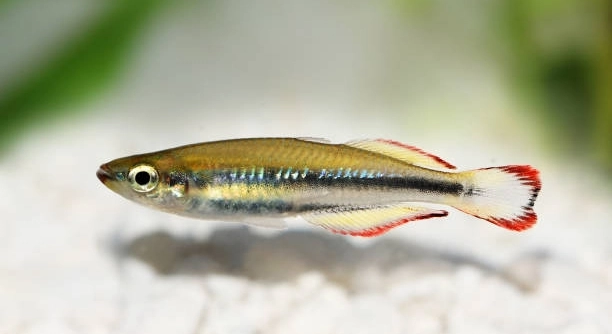
Are your rainbowfish swimming less actively or ignoring their usual interactions? Many owners notice subtle changes in behavior that can indicate stress, discomfort, or a shift in the aquarium environment. Observing these signs early is important for their wellbeing.
Rainbowfish may lose interest due to factors such as poor water quality, insufficient nutrition, inadequate tank space, or lack of social stimulation. Maintaining stable water parameters, providing a varied diet, and ensuring appropriate social grouping are essential for their consistent engagement.
Understanding these factors can help restore your fish’s natural activity and vibrant behavior, ensuring a healthy, harmonious environment in your aquarium for long-term enjoyment.
Understanding Water Quality
Maintaining proper water quality is crucial for rainbowfish health. Poor water conditions can stress them, causing reduced activity and loss of interest in their surroundings. Regularly testing pH, ammonia, nitrite, and nitrate levels helps ensure a stable environment. Water changes of 25-30% weekly can prevent harmful buildup. Temperature fluctuations also affect behavior, so keeping it consistent is important. Filtration must be adequate to remove waste and maintain clarity, but avoid strong currents that overwhelm the fish. Observing your rainbowfish daily can help identify early signs of stress, such as hiding, faded colors, or sluggish swimming. By keeping the water clean and balanced, you create a more engaging habitat. Adding live plants or decorations can provide comfort and stimulation, encouraging natural behavior. Healthy water supports immune function, reducing the likelihood of disease that can further reduce interest. Taking these steps ensures your rainbowfish remain active and vibrant in their environment.
Regular monitoring and gradual water adjustments are key to maintaining a stress-free aquarium for rainbowfish.
Water quality influences both physical health and behavior. Even slight changes can make rainbowfish less active or withdrawn. Consistent maintenance, stable parameters, and careful observation can prevent common issues. Providing hiding spots, plants, and gentle circulation enhances comfort, keeping fish engaged and healthy over time. By prioritizing water quality, you support natural behaviors and maintain a lively tank that allows rainbowfish to thrive.
Nutrition and Feeding Habits
Balanced nutrition is essential for rainbowfish to remain active and interested in their environment. Poor diet can lead to lethargy and reduced social behavior.
Providing a variety of foods, including high-quality flakes, pellets, and occasional live or frozen foods, ensures they receive necessary nutrients. Overfeeding can pollute the tank, while underfeeding weakens them, so portion control is important. Observing feeding responses helps determine health and preferences. Some rainbowfish enjoy small daily portions rather than a single large feeding. Supplements like vitamins or occasional vegetable matter can enhance their diet, supporting color, energy, and immune health. Offering different textures and food types can stimulate curiosity and engagement, encouraging active swimming and interaction. Consistent feeding routines also help establish a sense of security in the tank. Adjusting diet based on fish size, age, and activity level promotes long-term vitality. A well-fed rainbowfish is more likely to explore, interact, and display natural behaviors.
Paying attention to what and how often your rainbowfish eat can dramatically improve their overall wellbeing.
Feeding practices affect energy levels, social interaction, and general interest in their surroundings. Inadequate nutrition or inconsistent feeding can make rainbowfish withdrawn. By offering varied, high-quality food and maintaining a routine, you can boost activity, enhance coloration, and encourage natural behaviors. Monitoring their responses to different foods helps fine-tune diet and ensures the aquarium remains a stimulating environment. Proper nutrition strengthens health, preventing illness, and keeps rainbowfish vibrant and engaged.
Tank Size and Environment
A small or overcrowded tank can make rainbowfish stressed and less active. They need space to swim freely and feel secure, along with hiding spots to reduce stress and encourage natural behavior.
Adequate tank size supports healthy social dynamics. Rainbowfish are active swimmers and prefer groups of at least six, which helps them display natural behaviors and reduces aggression. Overcrowding increases competition for food and limits movement, causing lethargy and disinterest. Decorations, plants, and open swimming areas provide a balanced environment that promotes engagement. Observing interactions and adjusting the layout ensures all fish feel comfortable and reduces stress-induced behavioral changes. Regularly evaluating tank capacity and rearranging structures helps maintain a stimulating environment that keeps rainbowfish active.
Environmental enrichment impacts both mental and physical health. Providing open spaces, plants, and compatible tank mates encourages natural swimming patterns, curiosity, and social behaviors. By creating a balanced, spacious environment, rainbowfish are more likely to remain active, colorful, and interactive in their aquarium. Proper tank planning and maintenance make a noticeable difference in their overall wellbeing.
Social Interaction and Compatibility
Rainbowfish are social creatures and need compatible tank mates to remain engaged. Isolation or aggressive neighbors can reduce interest in surroundings and activities.
Group dynamics influence behavior. Keeping rainbowfish in small groups encourages schooling and natural interaction. Aggressive or incompatible species can intimidate them, causing hiding and stress. Observing fish behavior helps identify compatible companions and prevent conflicts. Social stimulation encourages swimming, foraging, and playful interaction. Pairing similar sizes and temperaments promotes a peaceful, engaging environment. Rotating or rearranging decorations can also enhance curiosity and engagement. Properly managing tank social structure supports mental stimulation and reduces disinterest.
Compatibility affects both safety and engagement. Aggressive species can dominate, making rainbowfish withdraw. Balanced groups with compatible fish reduce stress, encourage activity, and maintain natural behavior. Monitoring interactions and adjusting tank composition ensures that rainbowfish remain interested and comfortable, leading to a healthier, more vibrant aquarium environment.
Stress and Environmental Changes
Sudden changes in water temperature, lighting, or tank layout can stress rainbowfish. Stress often leads to hiding, reduced activity, and loss of interest in food or companions.
Minimizing sudden adjustments and maintaining consistent conditions helps rainbowfish feel secure. Gradual changes in temperature, lighting, or décor prevent unnecessary stress and encourage natural behavior.
Disease and Health Issues
Illness or parasites can make rainbowfish lethargic and disinterested. Regular observation and preventive care are crucial. Symptoms such as clamped fins, faded colors, or abnormal swimming patterns indicate potential health problems. Early detection allows timely treatment, which improves recovery chances. Maintaining a clean tank and providing a balanced diet supports strong immunity and reduces susceptibility to disease. Quarantining new fish before introduction also prevents the spread of illness. Regular monitoring and prompt action help maintain an active, healthy, and interested rainbowfish population.
Lighting and Activity Levels
Insufficient or excessive lighting can impact rainbowfish behavior. Proper lighting supports natural activity patterns, feeding, and coloration, enhancing overall engagement in the tank.
Why is my rainbowfish swimming less than usual?
Rainbowfish may reduce activity due to stress, illness, or environmental changes. Poor water quality, sudden temperature shifts, or overcrowding can make them hide or swim less. Ensuring stable water parameters, proper tank size, and compatible companions often restores normal swimming behavior.
Could my rainbowfish be bored in the tank?
Yes, rainbowfish are active and curious fish. A lack of stimulation, such as plants, decorations, or swimming space, can lead to disinterest. Adding open areas for swimming and hiding spots encourages natural behaviors and keeps them engaged. Rotating décor periodically can also maintain curiosity and activity.
How does diet affect my rainbowfish’s interest?
Nutrition directly impacts energy levels and behavior. A limited or poor-quality diet can cause lethargy. Offering varied food, including high-quality flakes, pellets, and occasional live or frozen items, ensures balanced nutrition and maintains interest in feeding and interaction. Overfeeding should be avoided to prevent water quality issues.
Can water quality make rainbowfish lose interest?
Absolutely. Ammonia, nitrite, or nitrate spikes can stress rainbowfish, leading to reduced activity. Regular water testing, consistent partial water changes, and proper filtration are critical. Keeping the water clean and stable promotes natural behavior and prevents disinterest caused by discomfort or illness.
Do tank mates affect rainbowfish behavior?
Yes, social dynamics influence engagement. Aggressive or incompatible fish can intimidate rainbowfish, causing hiding or withdrawal. Keeping rainbowfish in small, compatible groups encourages schooling and interaction. Observing behavior and separating aggressive species ensures a peaceful and stimulating environment for all fish.
Can lighting impact my rainbowfish’s activity?
Lighting influences natural rhythms and color display. Too much light can stress them, while too little reduces activity. A consistent lighting schedule that mimics natural day-night cycles supports feeding, swimming, and interaction. Adjustable lighting and shaded areas help balance activity and comfort.
How do temperature changes affect rainbowfish interest?
Rainbowfish are sensitive to temperature fluctuations. Sudden changes can stress them, leading to lethargy or hiding. Maintaining a stable temperature suitable for the species supports natural activity and feeding. Gradual adjustments are essential when introducing new tank conditions or seasonal changes.
What health signs indicate my rainbowfish may be unwell?
Signs of illness include clamped fins, faded colors, abnormal swimming, or lack of appetite. Stress from poor water quality or incompatible tank mates can also show similar symptoms. Prompt observation and treatment, along with a clean environment and balanced diet, are crucial for recovery and maintaining interest.
Can overcrowding make rainbowfish lose interest?
Overcrowding limits swimming space and increases stress. Rainbowfish need room to move and establish social hierarchies. Ensuring adequate tank size and maintaining proper stocking levels prevents competition and encourages natural behavior, making fish more active and engaged.
How often should I monitor my rainbowfish?
Daily observation is recommended. Watching swimming patterns, feeding behavior, and interaction with tank mates helps detect early signs of stress or illness. Consistent monitoring allows timely adjustments in diet, water quality, or tank layout to maintain interest and overall health.
Can plants and décor help rainbowfish stay active?
Yes, plants, rocks, and other decorations provide hiding spots and stimulate exploration. A mix of open swimming areas and structured spaces encourages natural behavior, reduces stress, and keeps rainbowfish curious and active over time. Regular changes in layout enhance engagement.
Is it normal for rainbowfish to lose interest occasionally?
Temporary changes in activity can happen, often due to minor stressors or environmental shifts. Consistent care, stable water conditions, proper diet, and social interaction usually restore normal behavior. Monitoring patterns over time helps distinguish minor fluctuations from serious issues.
Do rainbowfish need companions to stay active?
Rainbowfish are social and thrive in groups. Small schools encourage swimming, interaction, and natural behavior. Isolated fish may become withdrawn or less active. Choosing compatible companions of similar size and temperament promotes engagement and reduces stress.
How can I prevent my rainbowfish from losing interest?
Maintaining stable water conditions, providing a varied diet, ensuring appropriate tank size, compatible companions, and environmental enrichment are key. Regular observation and gradual adjustments when needed support consistent activity, natural behavior, and long-term engagement in the aquarium.
Can stress alone cause rainbowfish to lose interest?
Yes, stress from sudden environmental changes, poor water quality, or aggressive tank mates can lead to disinterest, hiding, and lethargy. Minimizing stressors and maintaining a stable, well-structured environment supports mental and physical wellbeing, helping rainbowfish remain active and vibrant.
Taking care of rainbowfish requires attention to multiple factors that influence their behavior and overall wellbeing. Water quality is one of the most important aspects to maintain. Rainbowfish are sensitive to changes in pH, ammonia, nitrite, and nitrate levels, and even small fluctuations can stress them. Regular water testing and partial water changes help keep their environment stable. Temperature consistency is also critical, as sudden shifts can make them lethargic or anxious. Proper filtration and gentle water flow contribute to a clean and safe habitat. By monitoring these environmental elements closely, you create conditions that allow your rainbowfish to remain active, healthy, and engaged. Observing daily behavior helps detect early signs of stress or illness, giving you the opportunity to make adjustments before issues escalate.
Diet and nutrition play a major role in maintaining your rainbowfish’s interest and energy levels. A varied diet that includes high-quality flakes, pellets, and occasional live or frozen foods ensures they receive the nutrients needed for growth, color retention, and overall health. Overfeeding or underfeeding can cause problems, such as water pollution or nutrient deficiencies, which may lead to disinterest in swimming, interaction, or feeding. Paying attention to how they respond to different foods helps determine their preferences and ensures they are getting enough variety. Supplements and occasional vegetable matter can also enhance their diet, supporting vitality and coloration. Maintaining a consistent feeding routine gives them structure and predictability, which reduces stress and encourages natural activity. By focusing on nutrition alongside water quality, you create an environment where rainbowfish can thrive physically and mentally.
Social interaction and the physical setup of the tank further influence your rainbowfish’s behavior. Rainbowfish are naturally social, so keeping them in compatible groups of at least six helps them display schooling behavior and reduces stress. Aggressive or incompatible tank mates can intimidate them, causing hiding, lethargy, or withdrawal from usual activities. Tank size and layout also matter. Overcrowded spaces or lack of swimming areas can limit movement and reduce engagement. Including plants, rocks, and other decorations provides hiding spots and mental stimulation, encouraging natural behaviors. Lighting that mimics day-night cycles supports feeding and activity, while avoiding extremes prevents stress. By paying attention to social dynamics, tank size, environmental enrichment, and proper lighting, you provide conditions that keep rainbowfish interested, active, and vibrant. Consistent care in all these areas ensures your aquarium remains a healthy and lively space where your rainbowfish can flourish.

Hello,
If you enjoy the content that we create, please consider saying a "Thank You!" by leaving a tip.
Every little bit helps us continue crafting quality advice that supports the health, happiness, and well-being of pets around the world, for pets of all shapes, sizes, and species.
We really appreciate the kindness and support that you show us!