
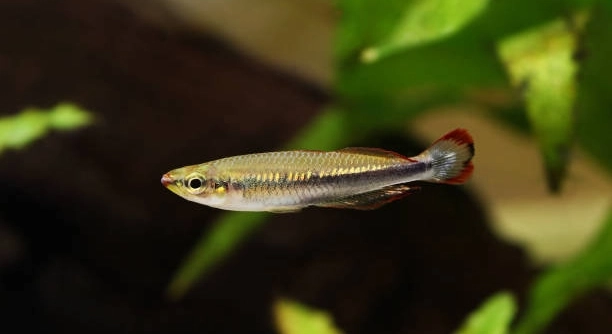
Caring for rainbowfish can be both relaxing and rewarding. Observing their vibrant colors and graceful movements is calming, but stress in these fish can affect their health and overall well-being if not addressed properly.
Rainbowfish stress can be reduced through consistent water quality, stable tank conditions, proper nutrition, and environmental enrichment. Minimizing sudden changes, controlling tank mates, and maintaining a peaceful habitat are essential to promoting their health and preventing stress-related illnesses.
Implementing these simple approaches can make a noticeable difference in your rainbowfish’s daily life and long-term happiness.
Maintain Stable Water Conditions
Rainbowfish are very sensitive to water changes. Keeping the temperature steady, between 75-82°F, helps them feel safe and healthy. pH levels should stay between 6.5 and 7.5, and ammonia or nitrite spikes must be avoided. Regular water testing is essential, and partial water changes every week help maintain a clean and balanced environment. Sudden changes, even small ones, can stress rainbowfish and make them more prone to disease. I’ve noticed that my rainbowfish swim more confidently when water conditions are stable. Adding a heater with a thermostat and a reliable filter can reduce fluctuations. Avoid overcrowding the tank, as this increases stress and can lead to aggressive behavior. Plants, hiding spots, and gentle water flow also help them feel secure. Observation is key—watching their swimming patterns and feeding habits can indicate if something is off in their environment. Proper maintenance makes the tank a safe and comfortable place for them.
Stable water reduces stress, keeps rainbowfish healthy, and prevents illness caused by sudden environmental changes or poor water quality. Consistency is crucial for their well-being.
Providing a consistent environment is one of the easiest ways to ensure your rainbowfish thrive. Small efforts like checking the filter, maintaining temperature, and monitoring water chemistry create a peaceful tank where they can flourish. When conditions are right, their colors brighten, they swim calmly, and they interact more naturally with other tank mates. Even minor disturbances can trigger stress, so proactive care is better than reactive fixes. Over time, stable water routines become second nature, making the tank a safe and enjoyable space for your fish. Watching them relax and feed without fear is rewarding. Simple tools, like a thermometer and test kits, make it easier to maintain these standards without constant worry. By observing your rainbowfish regularly, you can spot early signs of stress and adjust conditions before problems escalate, creating a healthier, happier aquarium.
Provide Proper Nutrition
Rainbowfish need a varied diet for optimal health. Feeding them high-quality flakes, pellets, and occasional live or frozen food ensures they get all essential nutrients.
A balanced diet strengthens their immune system and reduces stress caused by malnutrition or sudden dietary changes.
Rotating food types keeps them engaged and encourages natural feeding behaviors. Overfeeding can pollute the water, so small portions given twice daily work best. Incorporating live foods like brine shrimp or daphnia promotes activity and enhances coloration. Vegetables, such as blanched spinach or zucchini, provide fiber and variety. Observing their appetite helps detect stress early. Healthy rainbowfish are more active, show vibrant colors, and are less likely to hide or act lethargic. Feeding routines should be consistent, but occasional treats can stimulate their interest. Avoid sudden food switches, which can upset their digestion and cause stress. By paying attention to both diet quality and feeding schedule, you support their growth, energy, and overall well-being. With time, your rainbowfish will display natural behaviors and enjoy mealtime as a positive part of their environment.
Minimize Tank Noise
Rainbowfish are sensitive to loud or sudden noises. Avoid tapping the glass or placing the tank near speakers or heavy foot traffic, as constant disturbances can make them anxious and hide more often.
Reducing noise around the tank creates a calm environment that promotes natural behavior. I’ve noticed that when the room is quieter, my rainbowfish swim more confidently and interact more naturally with each other. Even minor vibrations from appliances can cause stress over time, so it helps to place the tank on a stable surface away from high-traffic areas. Covering the top with a lid can also reduce external disturbances and water splashing. Maintaining a peaceful environment allows them to rest and feed properly, which is essential for their long-term health. Observing their reactions to sound helps identify stress triggers before problems develop.
Keeping the tank away from noise sources and minimizing sudden disturbances supports the fish’s sense of security. When rainbowfish feel safe, they display brighter colors, more activity, and improved social interactions. Small adjustments, like moving the tank slightly or cushioning the stand, can make a significant difference. Consistent quiet periods help them adapt to their surroundings and reduce stress-induced behaviors such as erratic swimming or hiding. Over time, a calm environment encourages stronger immune systems and more natural habits, improving both health and overall tank dynamics.
Include Plants and Hiding Spots
Rainbowfish need places to hide and explore. Adding plants, rocks, and decorations gives them shelter and reduces stress from feeling exposed.
Hiding spots help shy fish feel secure, especially when new fish are introduced. Dense plants or small caves allow them to rest and recover from stress. I like to include floating plants to provide cover near the surface and tall plants along the back. These elements create layers in the tank, letting each fish find its comfort zone. Proper placement ensures they can escape aggressive tank mates or overwhelming stimuli. It also encourages natural behaviors, like exploring and foraging. Regularly rearranging or adding new plants keeps the environment stimulating.
Decorations and plants serve more than aesthetic purposes—they are essential for rainbowfish well-being. They reduce stress by providing retreats from perceived threats and help establish territories. Observing fish using these areas reassures you that they feel safe and engaged. Plants also contribute to water quality by absorbing excess nutrients and offering natural surfaces for beneficial bacteria. Choosing a mix of live and artificial plants provides variety, while rocks and caves offer sturdy hiding spots. Thoughtful placement balances swimming space with shelter. Over time, these enhancements make the tank more dynamic and comfortable, allowing rainbowfish to display their natural colors and behaviors fully.
Avoid Overcrowding
Overcrowding increases stress and aggression in rainbowfish. Keeping the tank population balanced ensures each fish has enough space to swim and establish its own territory.
Too many fish can lead to poor water quality and constant competition. I keep my tank at moderate numbers, which helps rainbowfish stay calm and healthy.
Monitor Tank Mates
Choosing compatible tank mates prevents bullying and stress. Avoid aggressive or overly dominant fish that may harass rainbowfish.
Introducing new fish gradually allows observation of behavior. I always watch for signs of aggression and separate fish if needed to maintain a peaceful environment.
Maintain Proper Lighting
Rainbowfish thrive with a regular day-night cycle. Providing consistent lighting, about 8-10 hours per day, helps regulate their natural rhythm and reduces stress.
Regular Observation
Watching your rainbowfish daily helps spot stress signs early. Changes in swimming, hiding, or appetite indicate adjustments may be needed to improve their environment.
FAQ
How do I know if my rainbowfish is stressed?
Stress in rainbowfish can show in many ways. They may hide more than usual, swim erratically, lose appetite, or lose color. I noticed that when my fish became stressed, they spent hours near the bottom or under plants. Watching their behavior daily helps me catch problems early. Stress can also weaken their immune system, making them more prone to disease.
Can water temperature really affect stress levels?
Yes, temperature changes are a major stress factor. Rainbowfish prefer stable water between 75-82°F. Sudden shifts can shock them, leading to hiding, lethargy, or even illness. Using a reliable heater with a thermostat and monitoring daily makes a big difference in keeping them calm and healthy.
What types of food reduce stress?
A varied diet is key. High-quality flakes, pellets, and occasional live or frozen food help maintain energy and vitality. I like offering small portions twice a day and rotating foods like brine shrimp or daphnia. Balanced nutrition supports their immune system and encourages natural behaviors. Avoid overfeeding, as it pollutes the water and adds stress.
Do tank decorations really matter?
Absolutely. Plants, rocks, and hiding spots provide shelter and security. When I added caves and tall plants, my rainbowfish became more active and less skittish. They need these spots to rest and escape aggressive tank mates or sudden disturbances. Dense plants and floating covers also reduce anxiety from bright lights or movement near the tank.
How often should I clean the tank?
Regular cleaning is important but should be done carefully. Partial water changes once a week keep toxins low without shocking the fish. I vacuum the substrate lightly and rinse filter media in tank water to preserve beneficial bacteria. Overcleaning can stress fish by changing water chemistry too quickly.
Is tank noise really a problem?
Yes, rainbowfish are sensitive to loud or sudden noises. I keep my tank away from heavy foot traffic, TVs, and speakers. Even vibrations from appliances can stress them over time. A lid on the tank reduces water splashing and muffles sound, giving them a calmer environment.
Can stress affect their colors?
Stress often dulls rainbowfish colors. Vibrant colors usually return once they are healthy and comfortable. I’ve seen that after stabilizing water conditions and adding hiding spots, my fish regained their bright hues and swam more confidently. Color changes are a useful indicator of overall well-being.
How do I introduce new fish without causing stress?
Introduce slowly. Quarantine new fish first to prevent disease and observe their behavior. I float the bag in the tank for 15-20 minutes to equalize temperature and add small amounts of tank water gradually before release. Watching interactions closely helps prevent bullying or stress.
What if my rainbowfish shows signs of aggression?
Aggression can cause stress. Overcrowding, poor tank setup, or incompatible tank mates are common causes. I separate aggressive fish temporarily or rearrange decorations to create territories. Ensuring enough space and hiding spots reduces tension and helps maintain a peaceful tank.
Can lighting affect stress?
Yes, a consistent day-night cycle of about 8-10 hours helps regulate behavior. I use a timer to maintain routine lighting. Sudden bright lights or constant light can cause anxiety, leading rainbowfish to hide or act restless. Proper lighting supports normal feeding and activity patterns.
How long does it take for stress levels to improve?
Improvement varies. With stable water, proper food, hiding spots, and compatible tank mates, rainbowfish may recover in a few days to weeks. I track their behavior, appetite, and color to ensure they are returning to normal. Consistency and observation are essential for long-term well-being.
Can stress cause disease?
Yes, prolonged stress weakens immunity, making fish more prone to infections. Maintaining clean water, proper diet, and a calm environment helps prevent illnesses. I’ve learned that catching stress early is easier than treating disease after it develops.
Are live plants better than artificial ones?
Both provide hiding spots, but live plants improve water quality by absorbing excess nutrients. I use a mix of live and artificial plants to balance aesthetics, security, and ease of maintenance. Rainbowfish seem to enjoy both types equally when there are enough hiding spots.
What signs show that my efforts are working?
Active swimming, regular feeding, bright colors, and social behavior are all good indicators. I notice my fish exploring, interacting, and resting in hiding spots when they feel safe. Regular observation helps me adjust care practices to maintain a low-stress environment.
Can stress affect breeding?
Yes, stressed rainbowfish may not breed or may show weaker reproduction. Calm, stable conditions with proper nutrition and sufficient space increase the likelihood of spawning. I’ve found that adding plants and consistent lighting encourages natural behaviors and reduces stress during breeding periods.
Final Thoughts
Caring for rainbowfish requires attention to both their environment and daily needs. These fish are naturally active and colorful, but stress can quickly affect their health and behavior. Maintaining stable water conditions is one of the most important steps. Temperature, pH, and water cleanliness all play a role in keeping them calm. Even small fluctuations in these factors can make rainbowfish hide, swim erratically, or lose appetite. I’ve learned that using a heater with a thermostat, a reliable filter, and testing the water regularly makes a big difference in keeping them comfortable. Partial water changes each week help maintain a clean and balanced environment without shocking the fish. Observing their behavior during these routines also helps detect stress early.
Nutrition is another key element in reducing stress. Rainbowfish need a varied diet that includes high-quality flakes, pellets, and occasional live or frozen foods. Offering small portions twice a day prevents overfeeding, which can pollute the water and contribute to stress. Rotating food types encourages natural feeding behaviors and keeps them engaged. I often add brine shrimp, daphnia, or blanched vegetables like spinach and zucchini to provide fiber, nutrients, and variety. Watching my rainbowfish feed has helped me understand their preferences and spot any changes in appetite, which can indicate stress or illness. Balanced nutrition strengthens their immune system and helps them recover faster from stressful events or environmental changes.
Creating a calm and stimulating environment is also essential. Plants, decorations, and hiding spots give rainbowfish places to rest and feel secure. They rely on these areas to escape aggression or sudden disturbances. I have noticed that adding tall plants, floating covers, and small caves allows each fish to find its comfort zone, which reduces anxiety and improves overall activity. Consistent lighting, a day-night cycle, and a peaceful surrounding also contribute to a low-stress environment. By keeping noise levels low and carefully selecting tank mates, I can prevent unnecessary stress from aggression or sudden movements. Regular observation is vital to monitor their behavior, color, and appetite. With attention to these factors, rainbowfish are more active, display brighter colors, and enjoy a healthier, longer life. Proper care is a combination of stable water, good nutrition, hiding spaces, and careful monitoring, all of which ensure rainbowfish thrive in their tank.

Hello,
If you enjoy the content that we create, please consider saying a "Thank You!" by leaving a tip.
Every little bit helps us continue crafting quality advice that supports the health, happiness, and well-being of pets around the world, for pets of all shapes, sizes, and species.
We really appreciate the kindness and support that you show us!